University of Bristol, Bristol, United Kingdom.
University of Western Australia, Perth, Australia.
PLoS One. 2021 Jan 22;16(1):e0245740. doi: 10.1371/journal.pone.0245740. eCollection 2021.
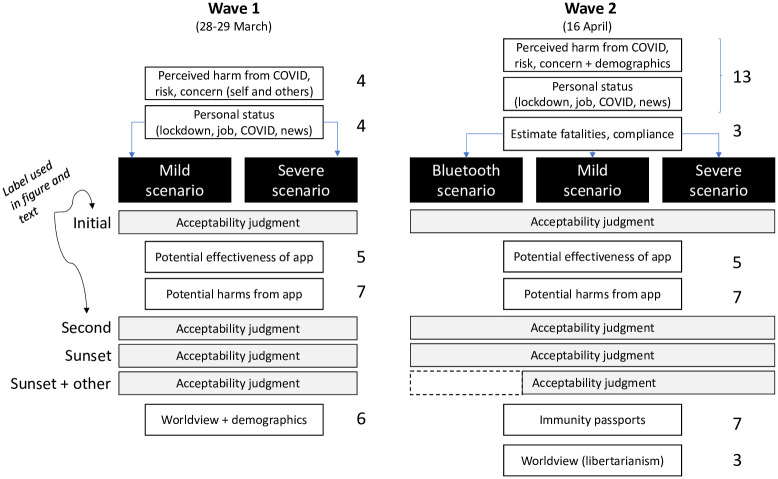
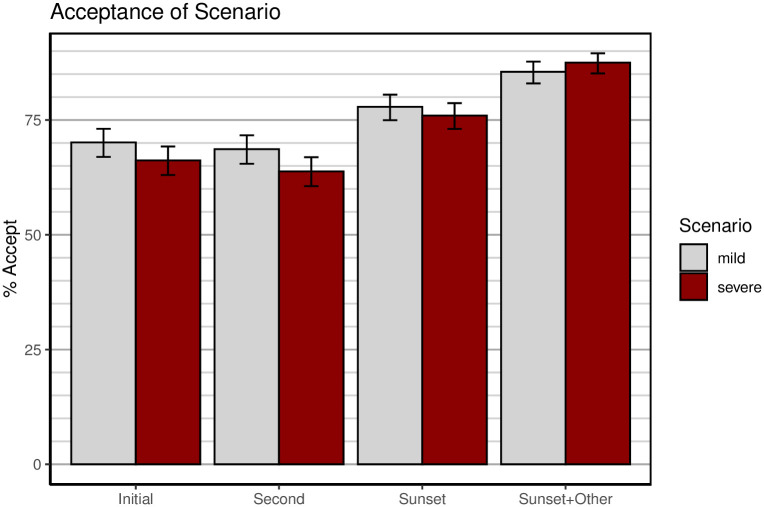
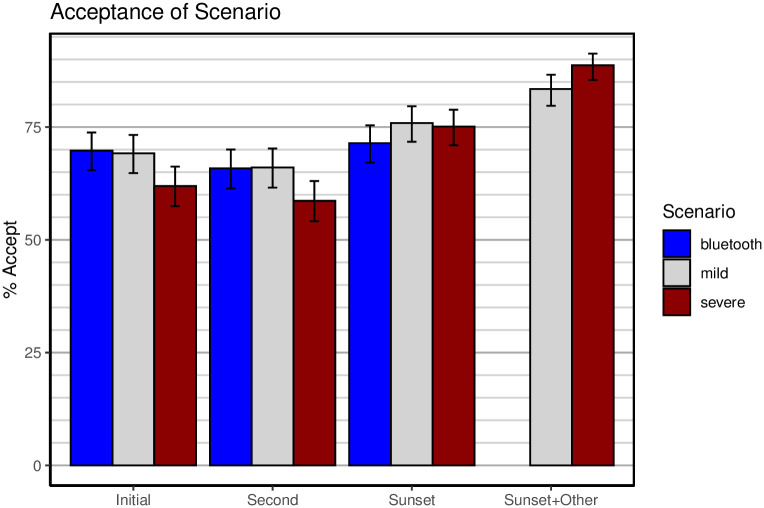
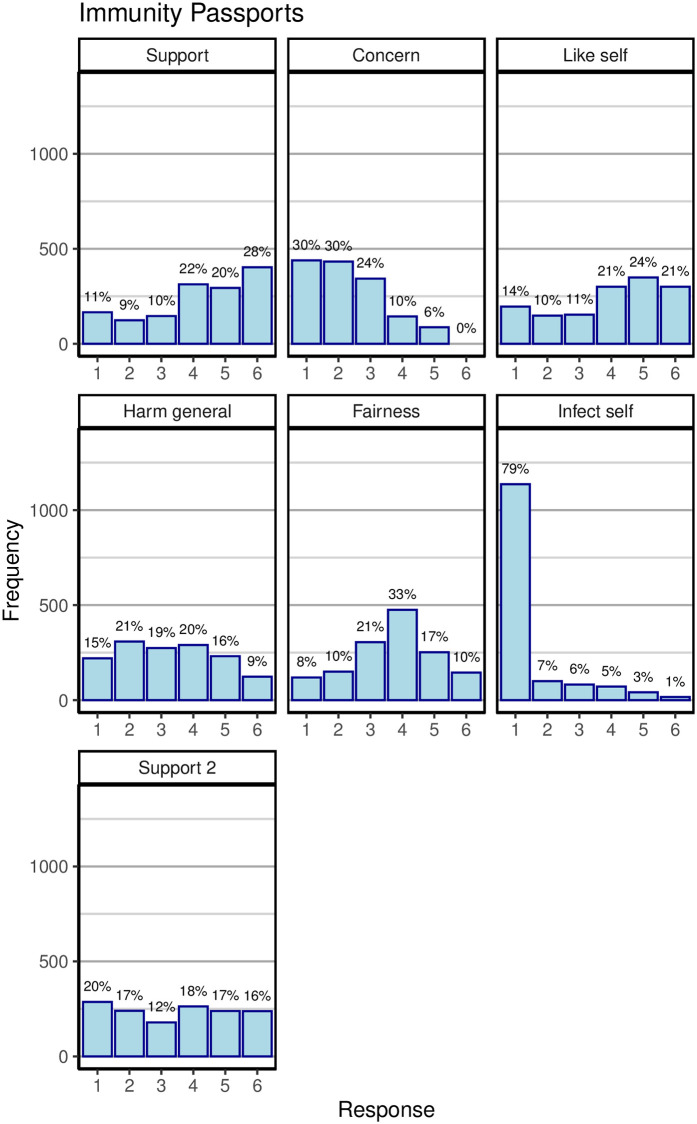
The nature of the COVID-19 pandemic may require governments to use privacy-encroaching technologies to help contain its spread. One technology involves co-location tracking through mobile Wi-Fi, GPS, and Bluetooth to permit health agencies to monitor people's contact with each other, thereby triggering targeted social-distancing when a person turns out to be infected. The effectiveness of tracking relies on the willingness of the population to support such privacy encroaching measures. We report the results of two large surveys in the United Kingdom, conducted during the peak of the pandemic, that probe people's attitudes towards various tracking technologies. The results show that by and large there is widespread acceptance for co-location tracking. Acceptance increases when the measures are explicitly time-limited and come with opt-out clauses or other assurances of privacy. Another possible future technology to control the pandemic involves "immunity passports", which could be issued to people who carry antibodies for the COVID-19 virus, potentially implying that they are immune and therefore unable to spread the virus to other people. Immunity passports have been considered as a potential future step to manage the pandemic. We probe people's attitudes towards immunity passports and find considerable support overall, although around 20% of the public strongly oppose passports.
新冠疫情的性质可能要求政府使用侵犯隐私的技术来帮助控制其传播。一种技术是通过移动 Wi-Fi、GPS 和蓝牙进行位置追踪,以便卫生机构监测人们之间的接触情况,从而在有人感染时触发有针对性的社交距离措施。追踪的有效性取决于人们是否愿意支持这种侵犯隐私的措施。我们报告了在疫情高峰期在英国进行的两项大型调查的结果,这些调查探讨了人们对各种追踪技术的态度。结果表明,总体上人们普遍接受位置追踪。当这些措施明确限时,并附有退出条款或其他隐私保证时,接受度会增加。另一种可能用于控制大流行的未来技术涉及“免疫护照”,可以向携带新冠病毒抗体的人发放,这可能意味着他们具有免疫力,因此无法将病毒传播给其他人。免疫护照已被视为管理大流行的潜在未来步骤。我们调查了人们对免疫护照的态度,发现总体上得到了相当多的支持,尽管约有 20%的公众强烈反对护照。