Muñoz-Fernández Gustavo A, Seoane Jesús M, Seoane-Sepúlveda Juan B
Instituto de Matemática Interdisciplinar (IMI), Departamento de Análisis Matemático y Matemática Aplicada, Facultad de Ciencias Matemáticas, Universidad Complutense de Madrid, Plaza de las Ciencias 3, Madrid E-28040, Spain.
Nonlinear Dynamics, Chaos and Complex Systems Group, Departamento de Física, Universidad Rey Juan Carlos, Tulipán s/n, Móstoles, Madrid 28933, Spain.
Chaos Solitons Fractals. 2021 Mar;144:110682. doi: 10.1016/j.chaos.2021.110682. Epub 2021 Jan 14.
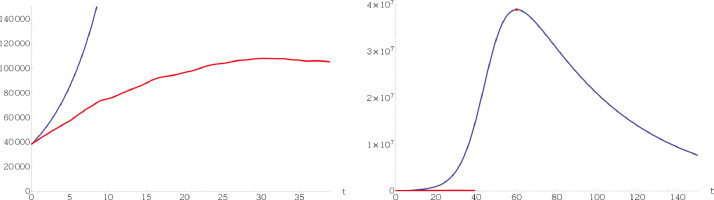
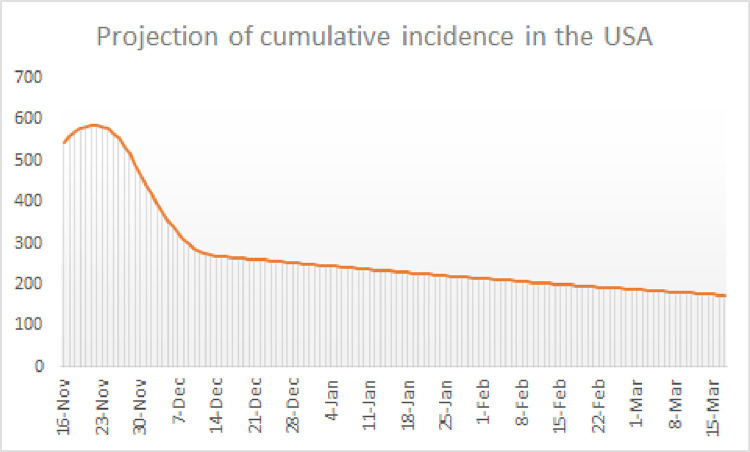
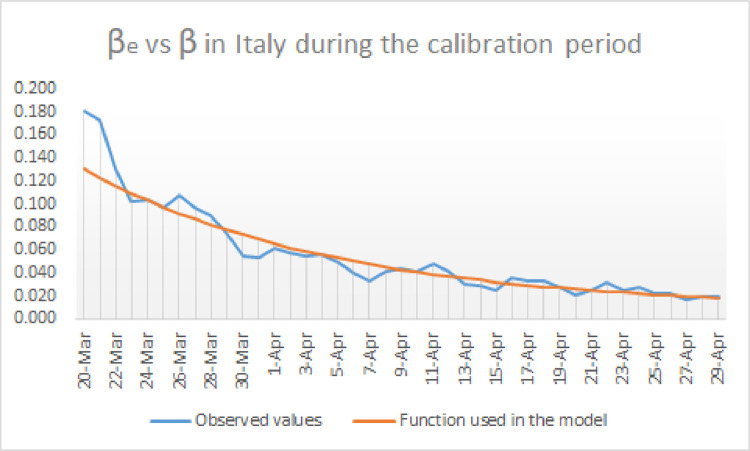
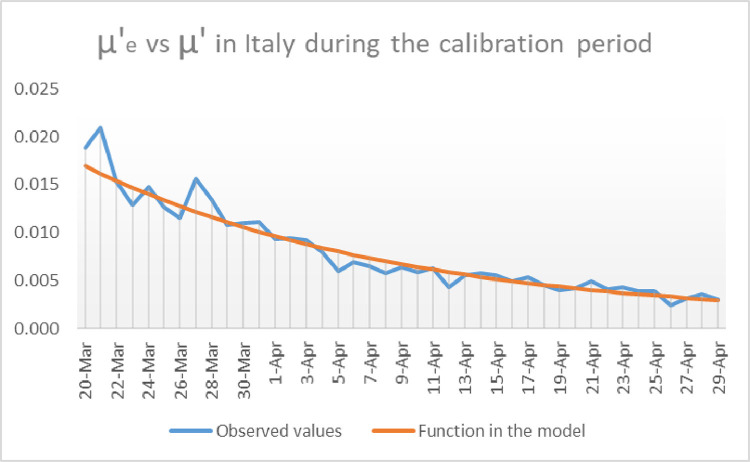
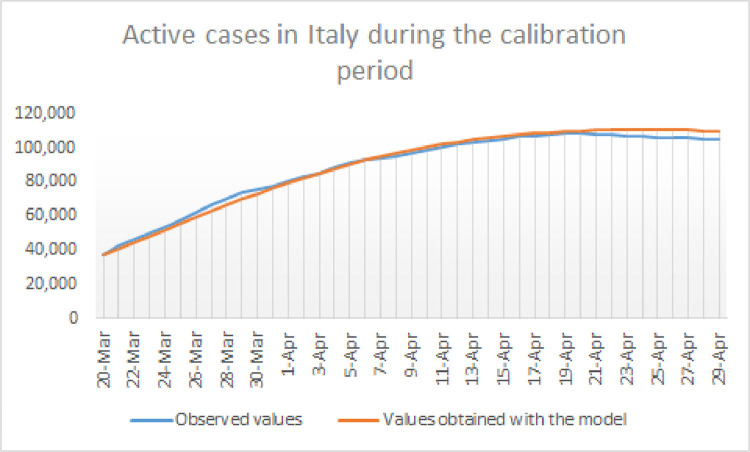
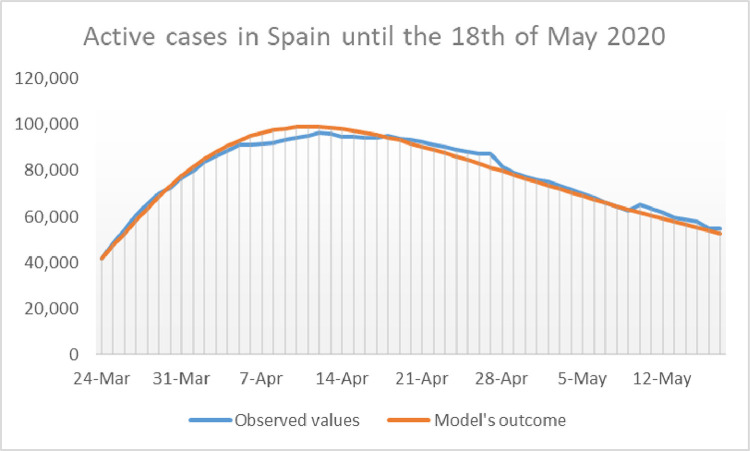
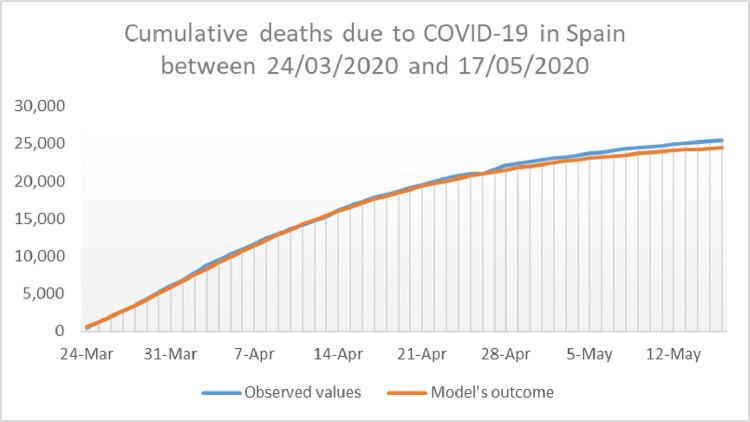
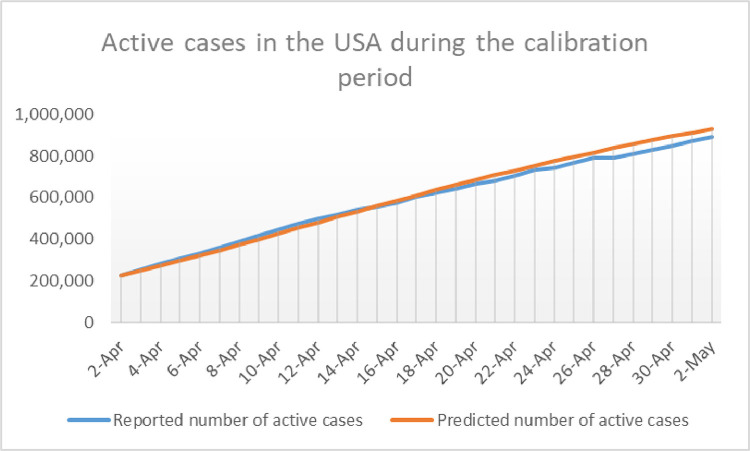
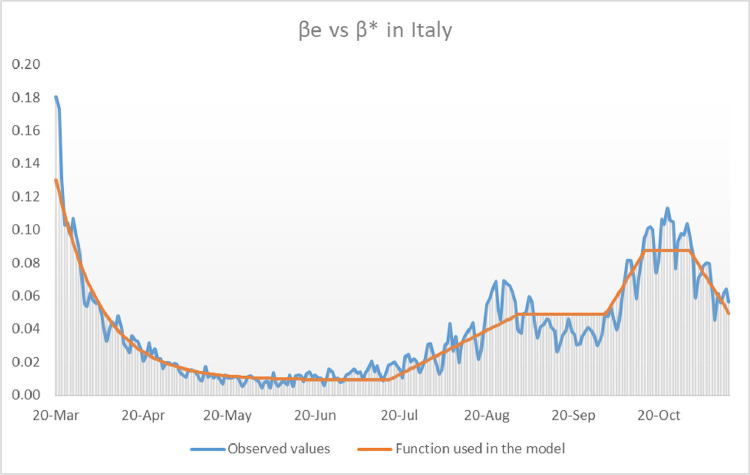
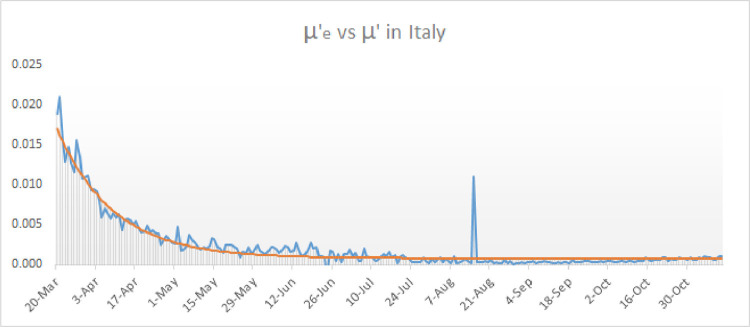
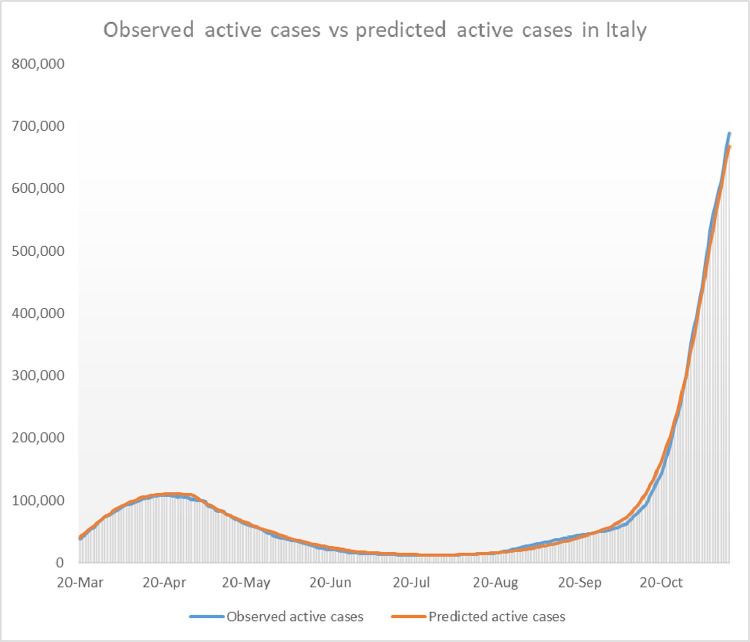
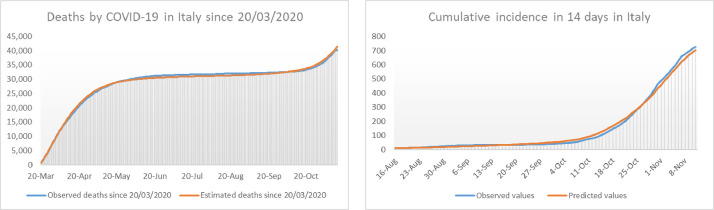
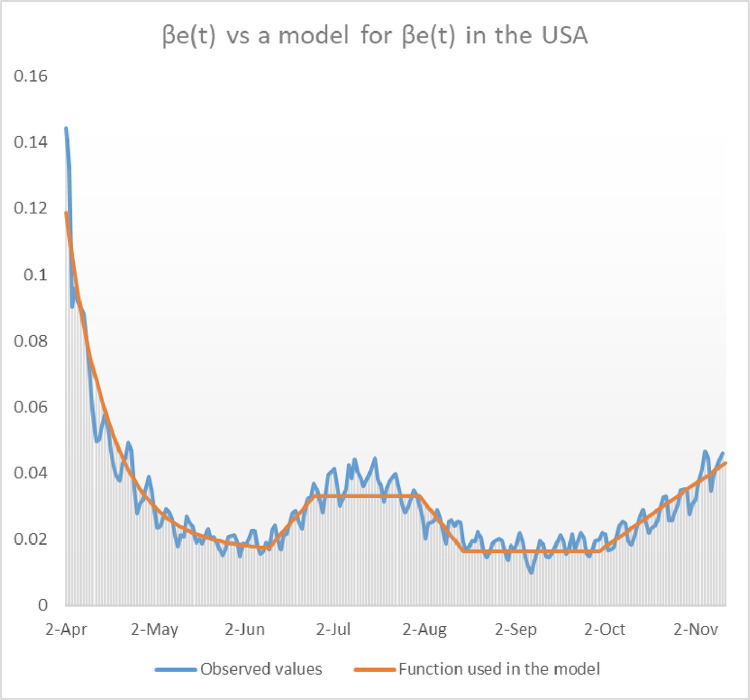
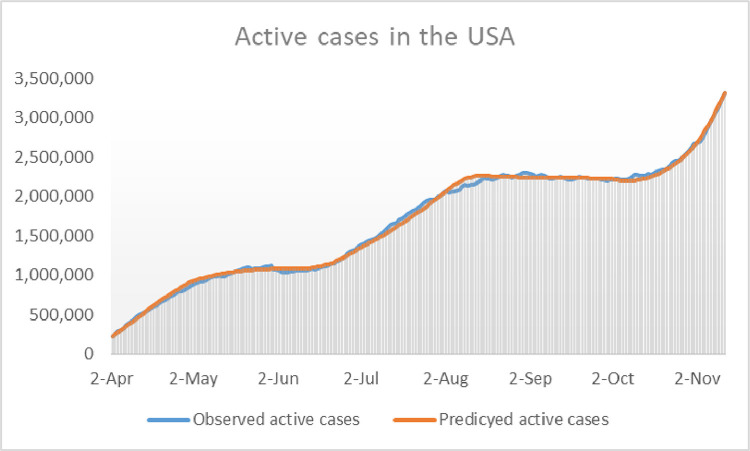
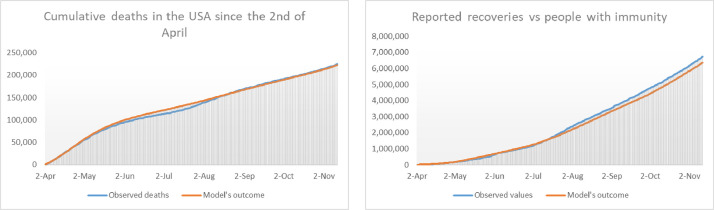
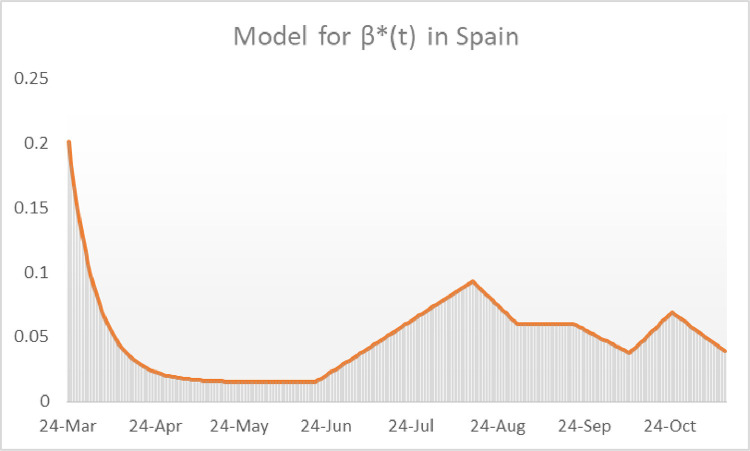
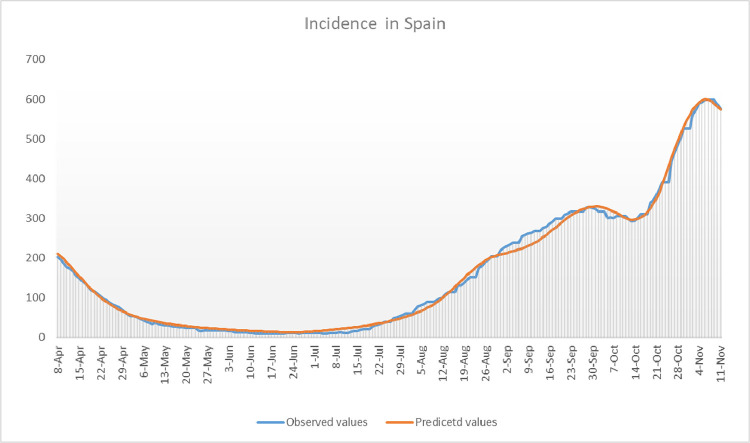
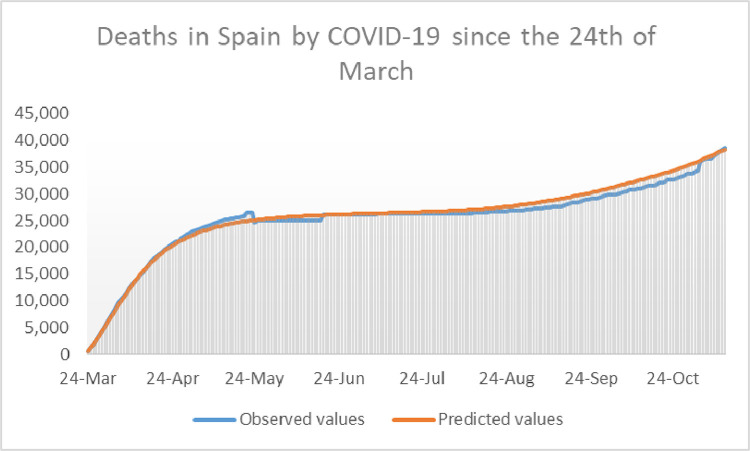
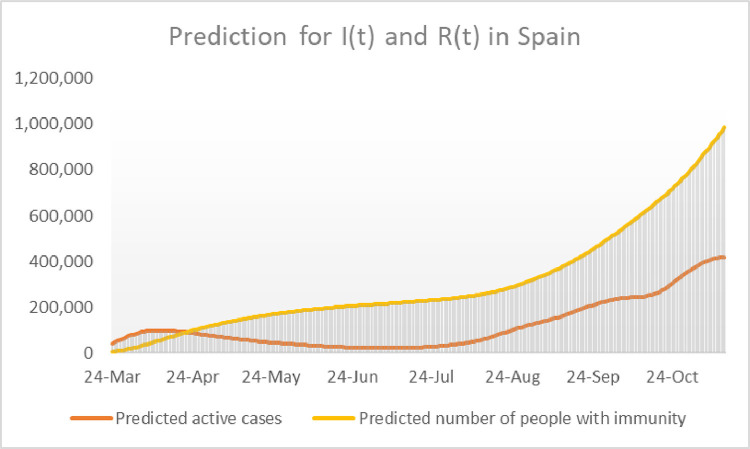
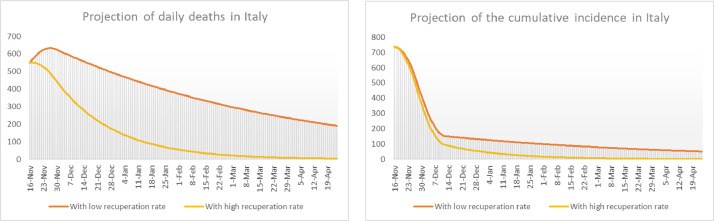
It is well-known that the classical SIR model is unable to make accurate predictions on the course of illnesses such as COVID-19. In this paper, we show that the official data released by the authorities of several countries (Italy, Spain and The USA) regarding the expansion of COVID-19 are compatible with a non-autonomous SIR type model with vital dynamics and non-constant population, calibrated according to exponentially decaying infection and death rates. Using this calibration we construct a model whose outcomes for most relevant epidemiological paramenters, such as the number of active cases, cumulative deaths, daily new deaths and daily new cases (among others) fit available real data about the first and successive waves of COVID-19. In addition to this, we also provide predictions on the evolution of this pandemic in Italy and the USA in several plausible scenarios.
众所周知,经典的SIR模型无法对COVID-19等疾病的病程做出准确预测。在本文中,我们表明,几个国家(意大利、西班牙和美国)当局发布的关于COVID-19传播的官方数据与一个具有生命动态和非恒定人口的非自治SIR型模型兼容,该模型根据指数衰减的感染率和死亡率进行校准。通过这种校准,我们构建了一个模型,其对于大多数相关流行病学参数的结果,如活跃病例数、累计死亡数、每日新增死亡数和每日新增病例数(等等)与关于COVID-19第一波和后续波的现有实际数据相符。除此之外,我们还提供了在几种合理情景下意大利和美国这种大流行病演变的预测。