Smith Matthew, Alvarez Francisco
ESADE Business School, Barcelona and Universidad Complutense Madrid, Spain.
Department of Economic Analysis, Universidad Complutense Madrid and ICAE, Spain.
Expert Syst Appl. 2021 Aug 15;176:114832. doi: 10.1016/j.eswa.2021.114832. Epub 2021 Mar 11.
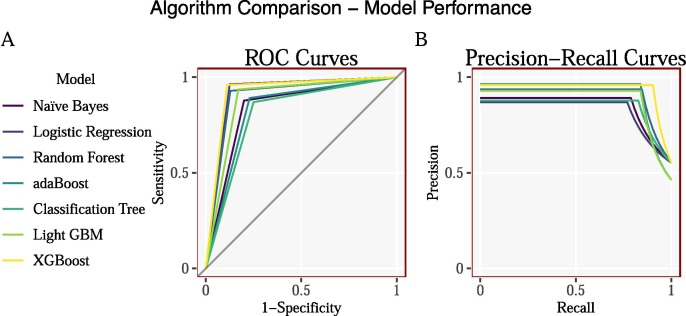
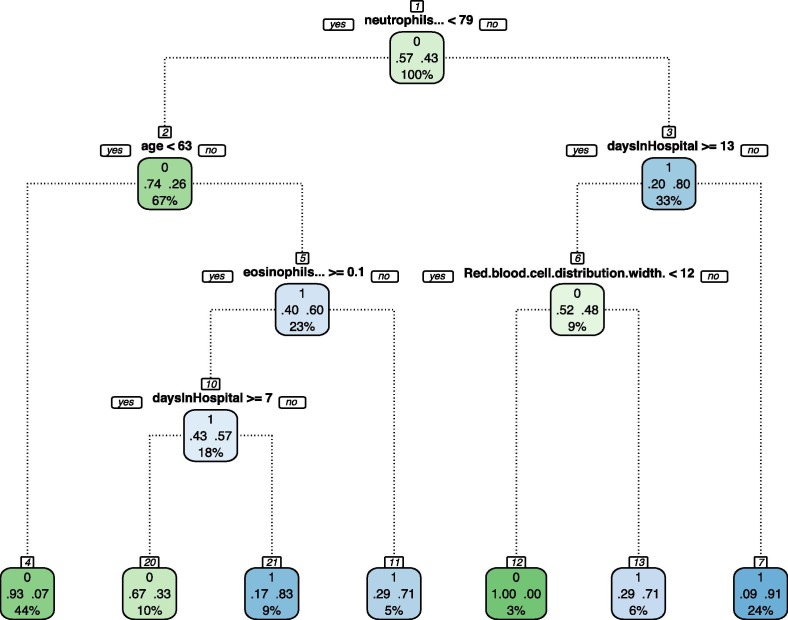
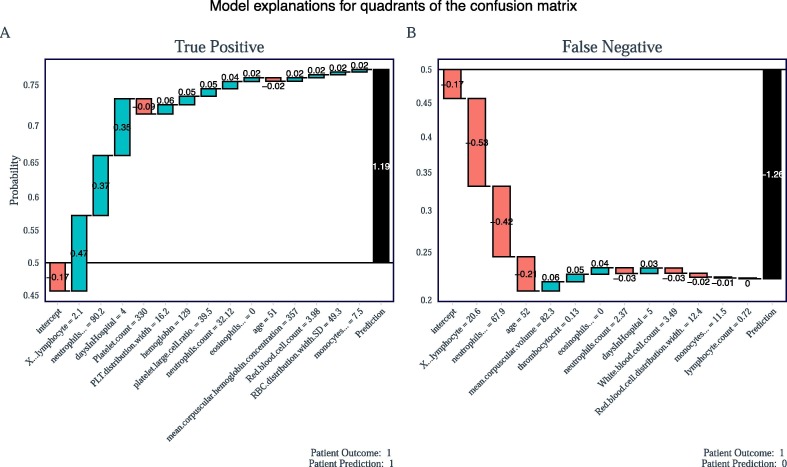
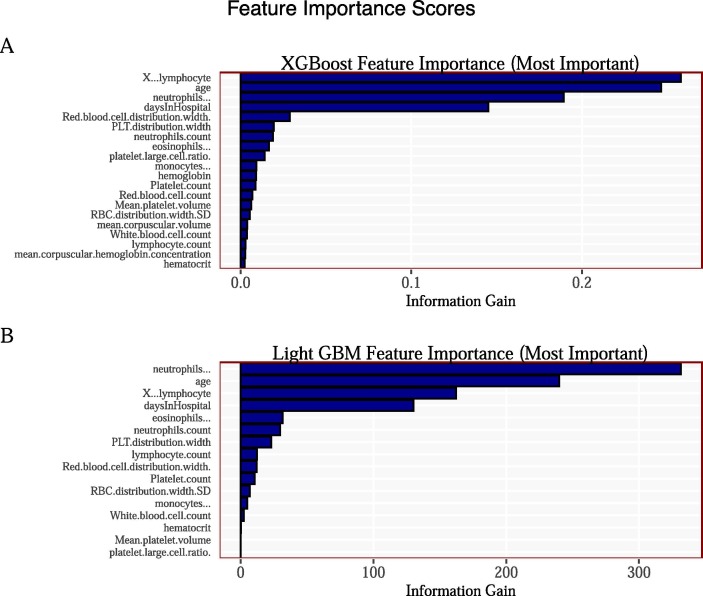
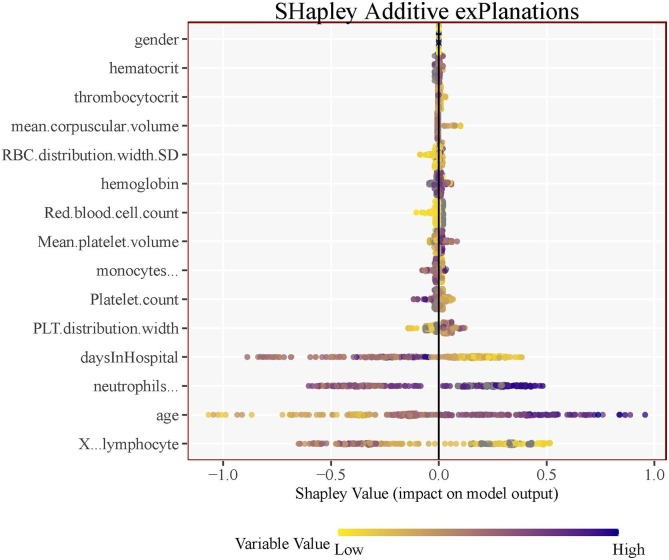
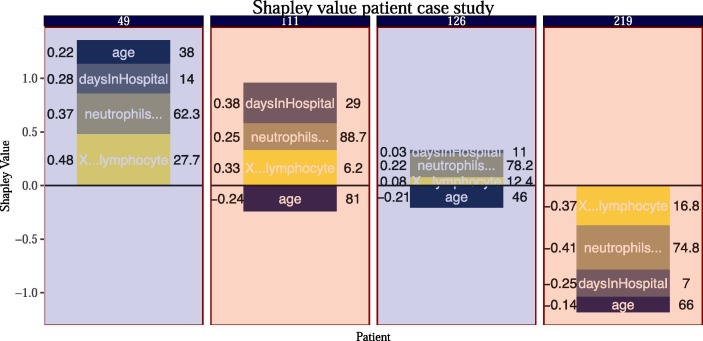
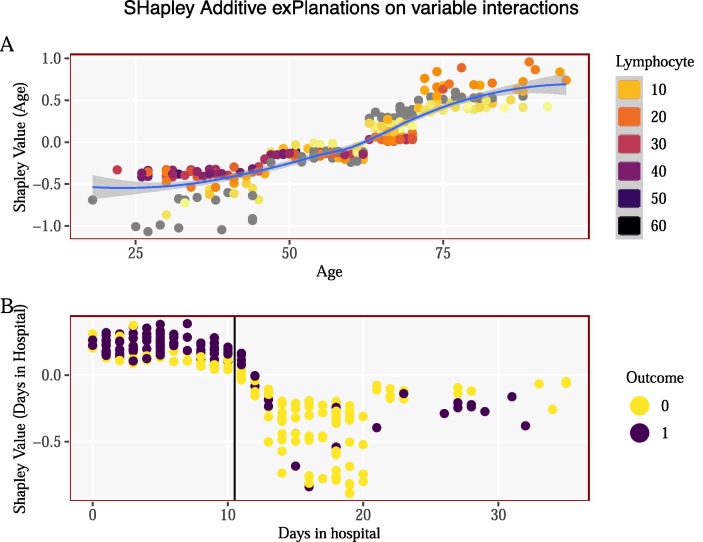
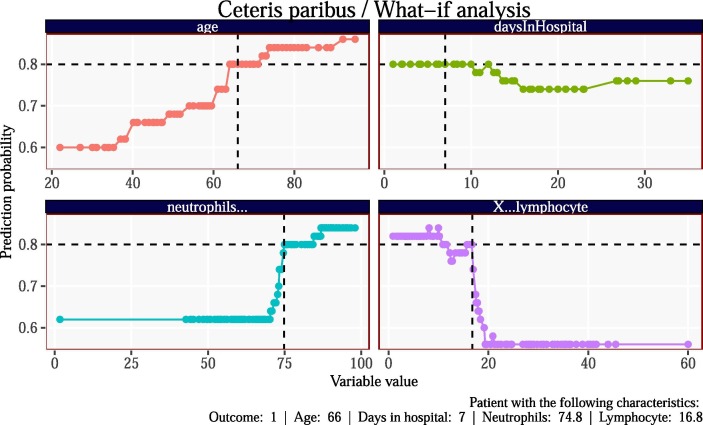
In this paper we apply a series of Machine Learning models to a recently published unique dataset on the mortality of COVID19 patients. We use a dataset consisting of blood samples of 375 patients admitted to a hospital in the region of Wuhan, China. There are 201 patients who survived hospitalisation and 174 patients who died whilst in hospital. The focus of the paper is not only on seeing which Machine Learning model is able to obtain the absolute highest accuracy but more on the interpretation of what the Machine Learning models provides. We find that , , and are important and robust predictors when predicting a patients mortality. Furthermore, the algorithms we use allows us to observe the marginal impact of each variable on a case-by-case patient level, which might help practicioneers to easily detect anomalous patterns. This paper analyses the and interpretation of the Machine Learning models on patients with COVID19.
在本文中,我们将一系列机器学习模型应用于最近发布的关于新冠肺炎患者死亡率的独特数据集。我们使用的数据集包含中国武汉地区一家医院收治的375名患者的血液样本。其中有201名患者住院后存活,174名患者在住院期间死亡。本文的重点不仅在于了解哪种机器学习模型能够获得绝对最高的准确率,更在于对机器学习模型所提供内容的解读。我们发现, 、 、 以及 在预测患者死亡率时是重要且稳健的预测指标。此外,我们使用的算法使我们能够在逐个患者的层面上观察每个变量的边际影响,这可能有助于从业者轻松检测异常模式。本文分析了机器学习模型对新冠肺炎患者的 以及 解读。