Nirmala C, Sridevi M
Department of Biotechnology, Vinayaka Mission's Kirupananda Variyar Engineering College, Vinayaka Mission's Research Foundation (Deemed To Be University), Sankari Main Road (NH-47), Periyaseeragapadi, Salem, Tamilnadu 636 308 India.
J Inorg Organomet Polym Mater. 2021;31(9):3711-3725. doi: 10.1007/s10904-021-01974-7. Epub 2021 Mar 29.
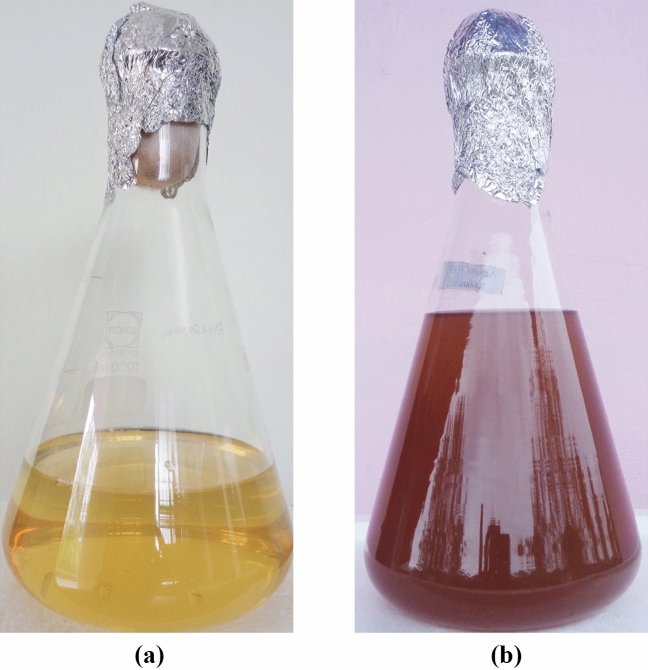
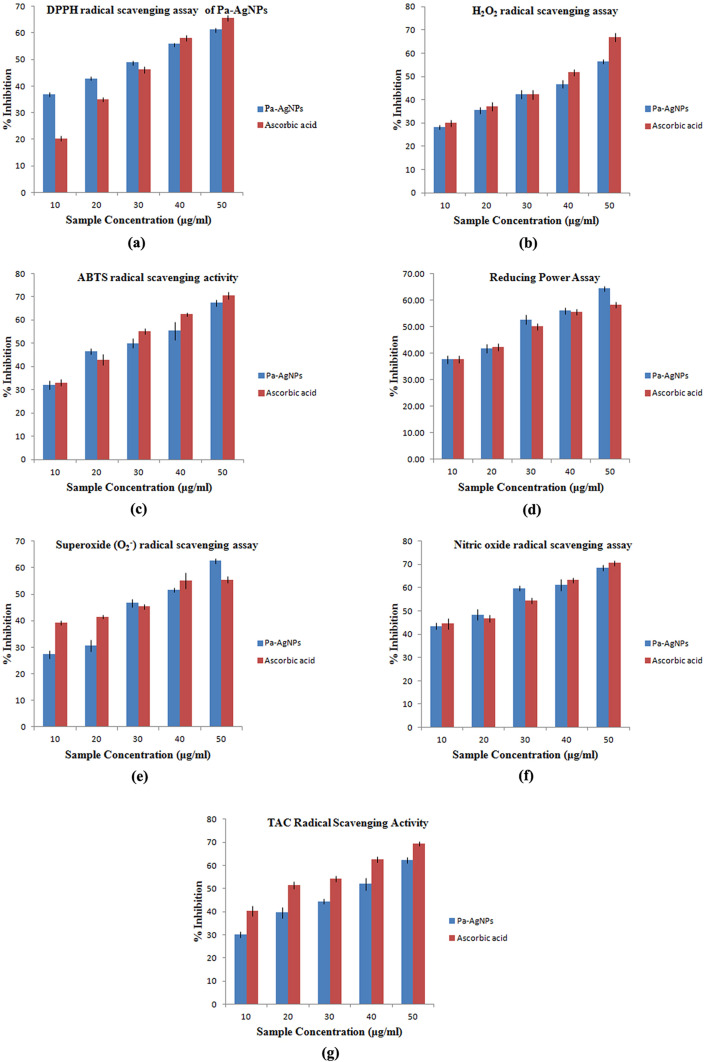
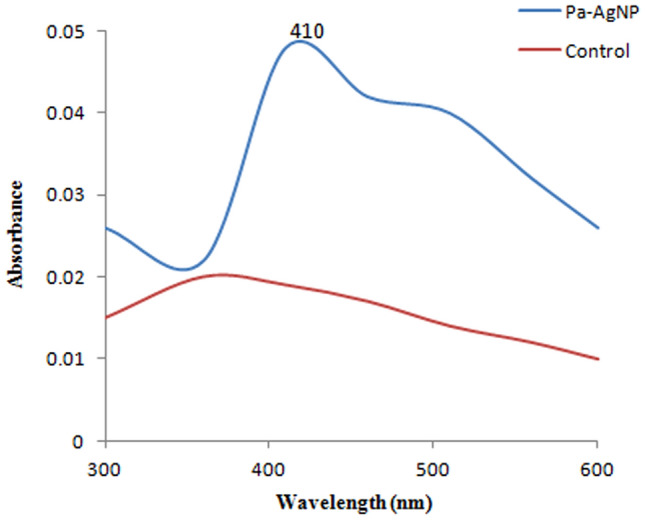
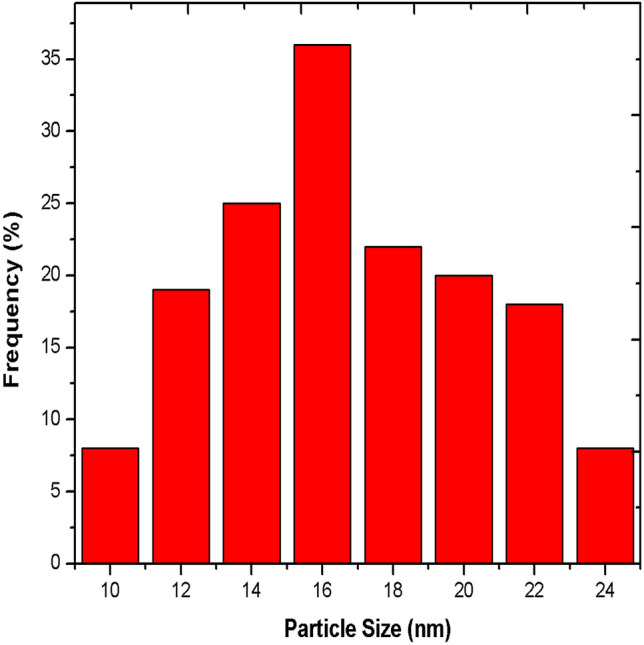
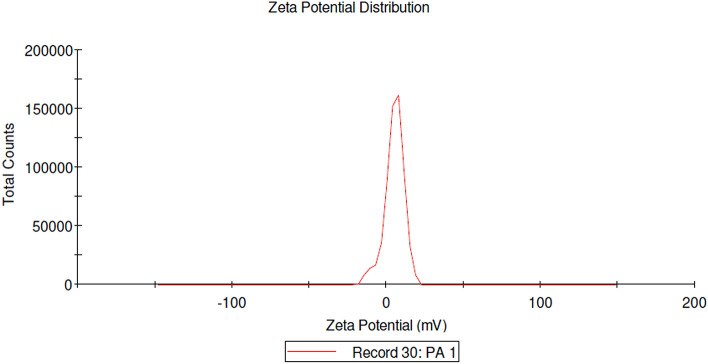
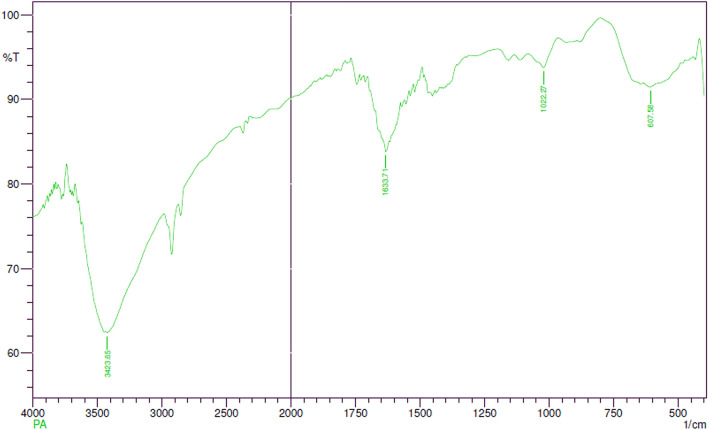
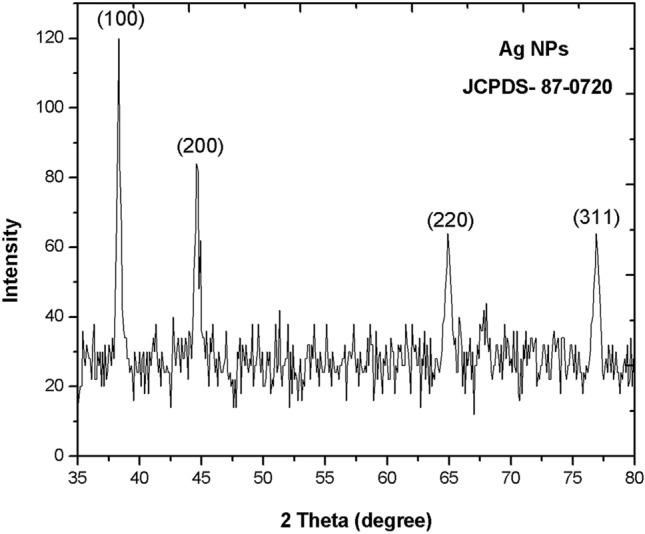
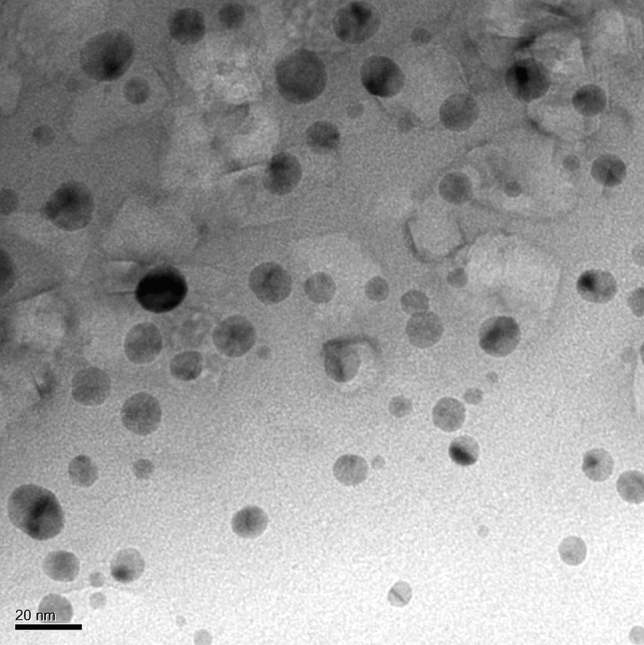
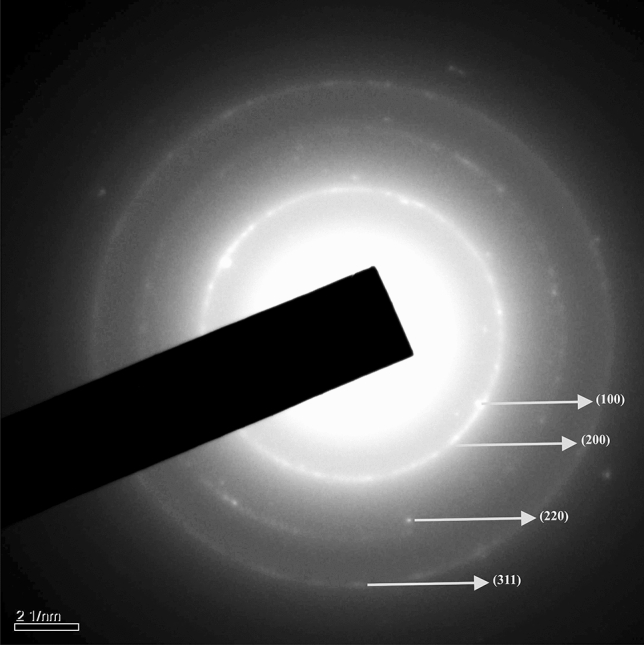
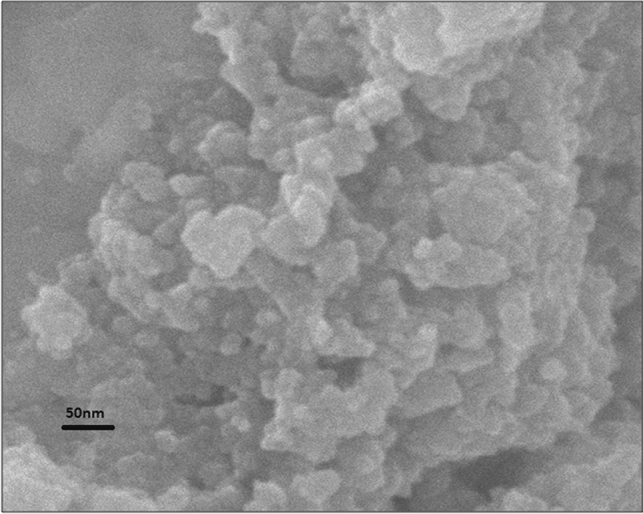
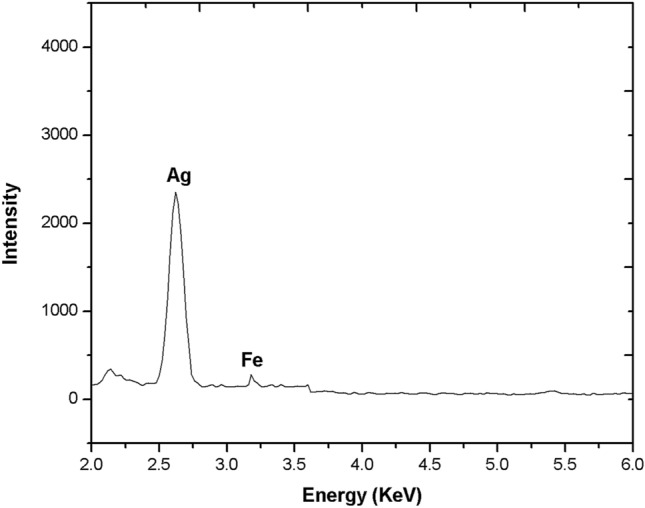
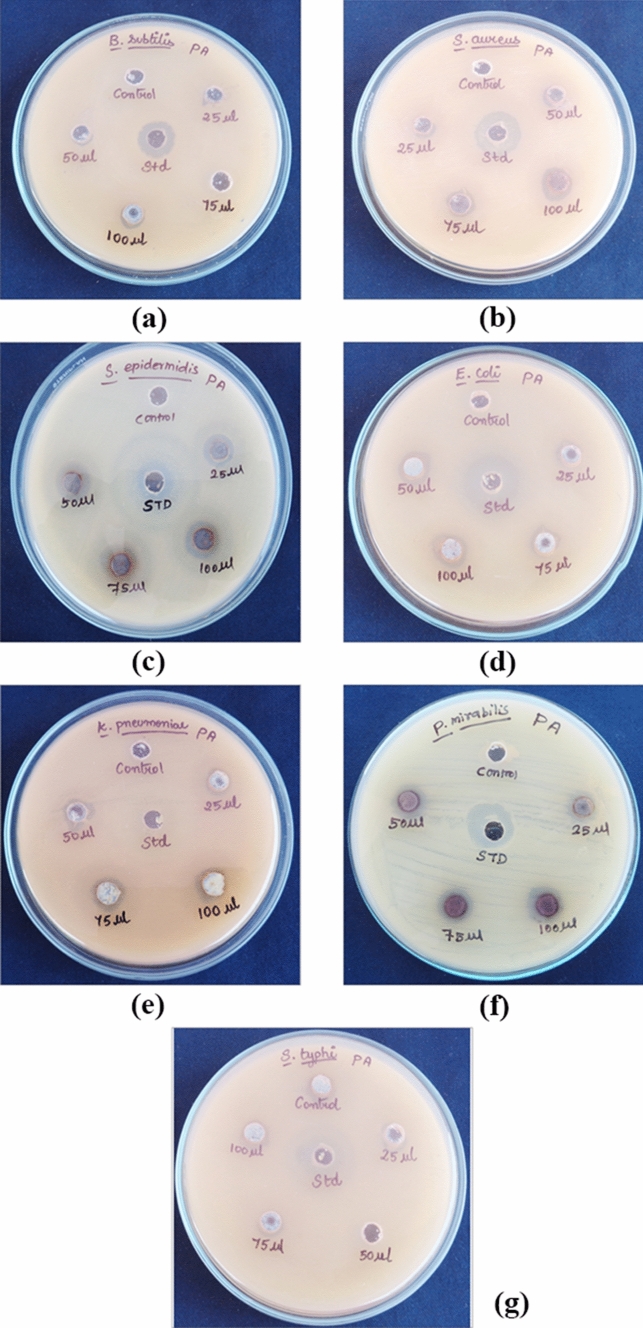
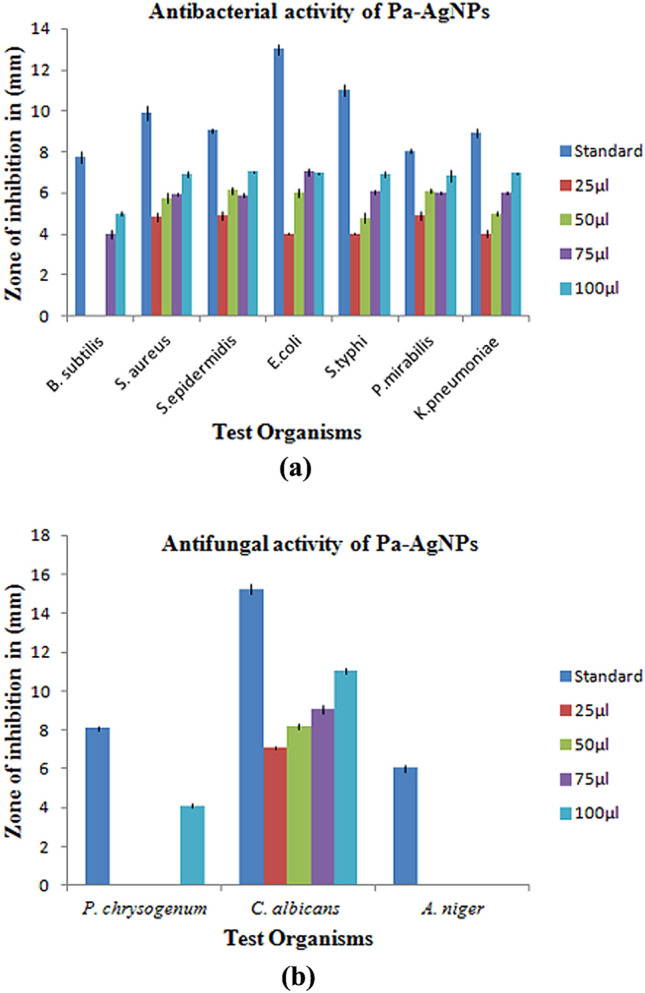
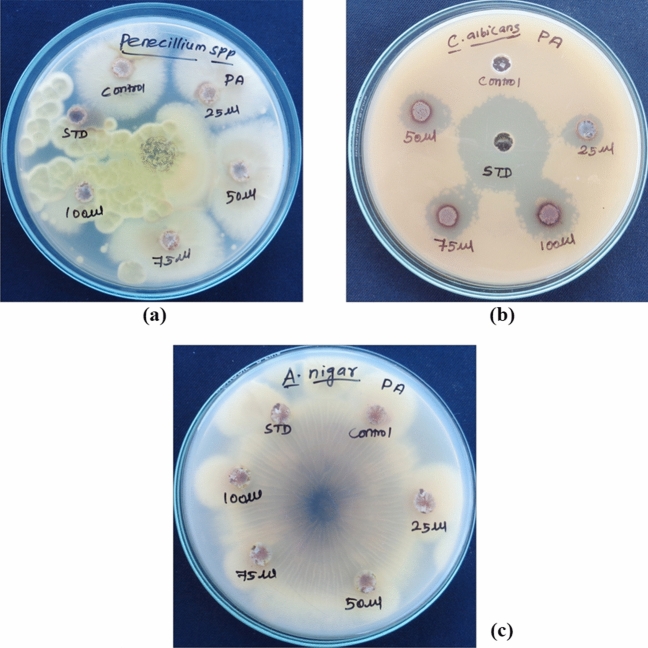
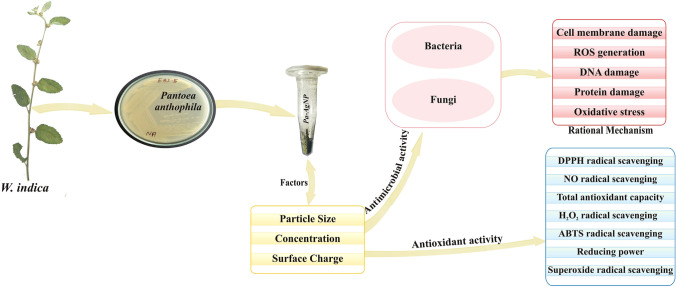
Endophyte mediated nanoparticles fabrication were emerging as a new frontier in nanomedicines that produce high biocompatible and functionalized silver nanoparticles. In this study, silver nanoparticles were successfully biosynthesized from the extracellular extract of endophytic bacterium isolated from the stem of for the first time. The synthesized nanoparticles showed a strong absorption band at 410 nm in the UV-Visible range. The dynamic light scattering and zeta potential analysis indicated that the average particle size was 16 nm at 5.30 mV. FTIR spectrum displayed the presence of various functional groups at 3423.65, 1633.71, 1022.27, 607.58 cm that stabilised the nanoparticle. X-ray diffraction peaks were conferred to 100, 200, 220 and 311 planes of a face centred cubic structure. TEM and SEM micrograph revealed the spherical-shaped, polycrystalline nature with the presence of elemental silver analysed by EDAX. Selected area electron diffraction also confirms the orientation of silver nanoparticles with X-ray diffraction analysis. Antimicrobial activity against 10 different human pathogenic bacteria and fungi showed a broad spectrum inhibition against both Gram-positive and Gram-negative bacteria. Among the bacterial pathogens, exhibited low activity compared to other pathogens. was greatly controlled than other fungal species. A strong free radical scavenging activity of silver nanoparticles with IC values 31.29 ± 0.73, 19.83 ± 1.57, 35.64 ± 0.94, 42.07 ± 1.30, 29.70 ± 2.26, 29.10 ± 0.82, 36.80 ± 0.63 μg/ml was obtained in different antioxidant assays that were comparable to the reference. The study suggests that the silver nanoparticles can be biosynthesized from endophytic metabolites with significant therapeutic potential. With proper validation, the biosynthesized silver nanoparticles can be developed as a promising antiviral and anticancer drug candidate.
内生菌介导的纳米颗粒制备正成为纳米医学的一个新前沿领域,可生产出具有高生物相容性和功能化的银纳米颗粒。在本研究中,首次从[植物名称]茎中分离出的内生细菌的细胞外提取物成功生物合成了银纳米颗粒。合成的纳米颗粒在紫外可见范围内于410nm处显示出强吸收带。动态光散射和zeta电位分析表明,平均粒径为16nm,zeta电位为5.30mV。傅里叶变换红外光谱显示在3423.65、1633.71、1022.27、607.58cm-1处存在各种官能团,这些官能团使纳米颗粒稳定。X射线衍射峰对应于面心立方结构的100、200、220和311晶面。透射电子显微镜和扫描电子显微镜照片显示出球形、多晶性质,并通过能谱分析检测到元素银的存在。选区电子衍射也通过X射线衍射分析证实了银纳米颗粒的取向。对10种不同人类致病细菌和真菌的抗菌活性显示出对革兰氏阳性菌和革兰氏阴性菌的广谱抑制作用。在细菌病原体中,[具体细菌名称]与其他病原体相比活性较低。[具体真菌名称]比其他真菌种类受到的抑制作用更强。银纳米颗粒具有很强的自由基清除活性,在不同的抗氧化试验中获得的IC50值为31.29±0.73、19.83±1.57、35.64±0.94、42.07±1.30、29.70±2.26、29.10±0.82、36.80±0.63μg/ml,与参考物相当。该研究表明,银纳米颗粒可从内生[细菌名称]代谢产物中生物合成,具有显著的治疗潜力。经过适当验证后,生物合成的银纳米颗粒可开发成为有前景的抗病毒和抗癌药物候选物。