Department of Bioengineering, University of Pennsylvania, 210 S 33rd St., Philadelphia, PA 19104, USA.
Department of Bioengineering, University of Pennsylvania, 210 S 33rd St., Philadelphia, PA 19104, USA; Institute for Regenerative Medicine, Perelman School of Medicine, University of Pennsylvania, Philadelphia, PA 19104, USA; NSF Science and Technology Center for Engineering Mechanobiology, University of Pennsylvania, Philadelphia, PA 19104, USA.
Adv Drug Deliv Rev. 2021 Jun;173:461-478. doi: 10.1016/j.addr.2021.03.010. Epub 2021 Apr 6.
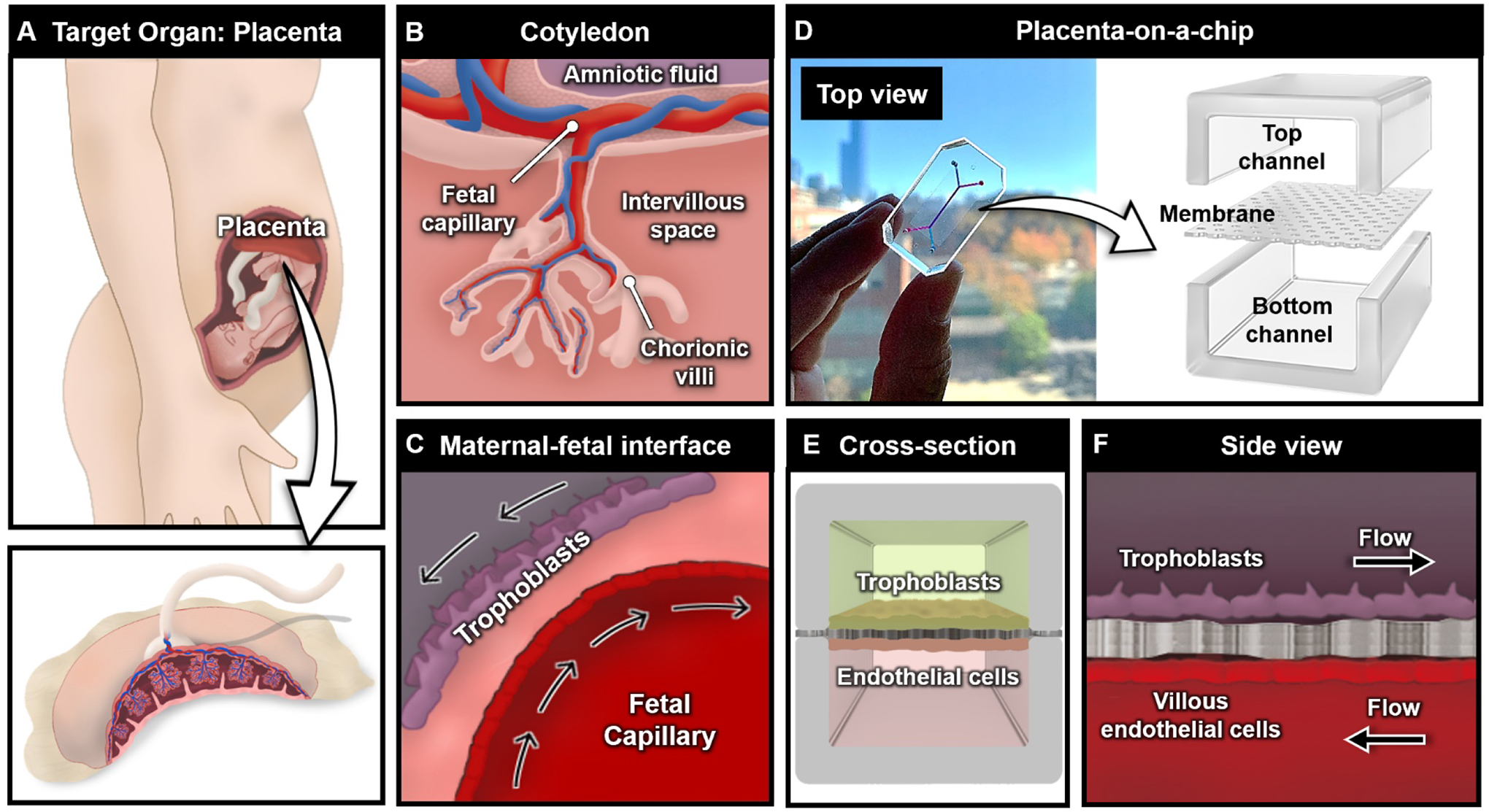
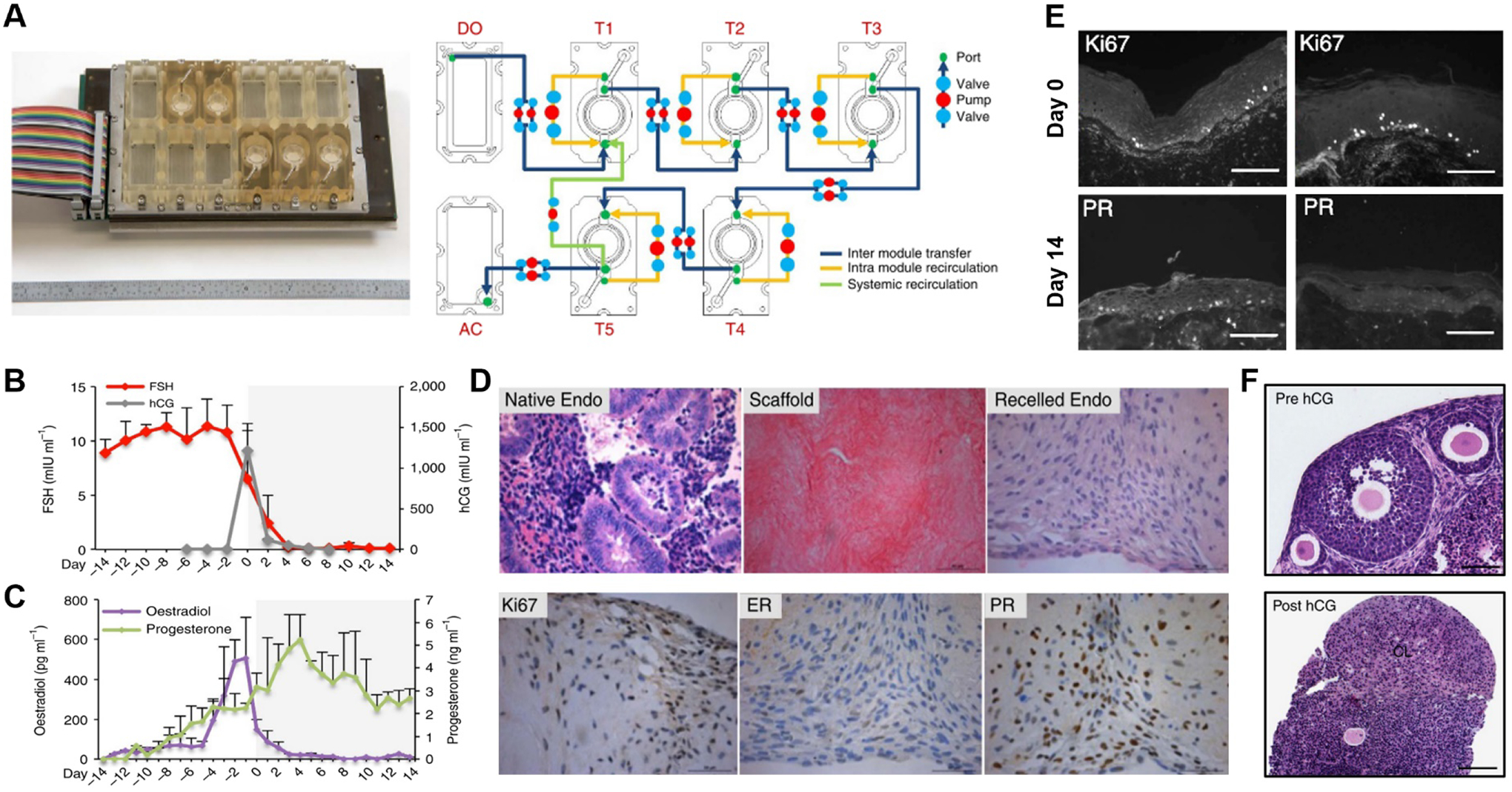
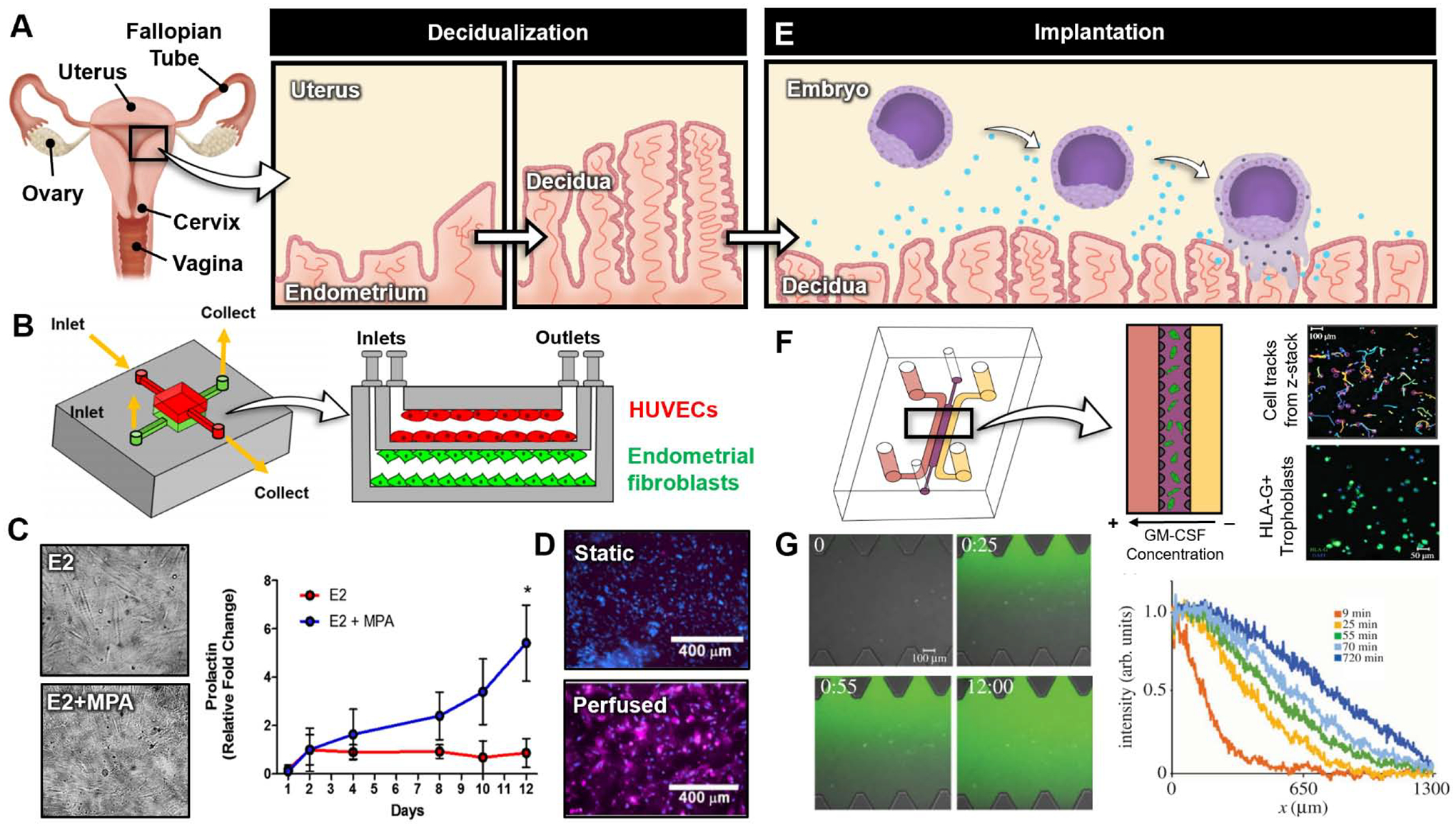
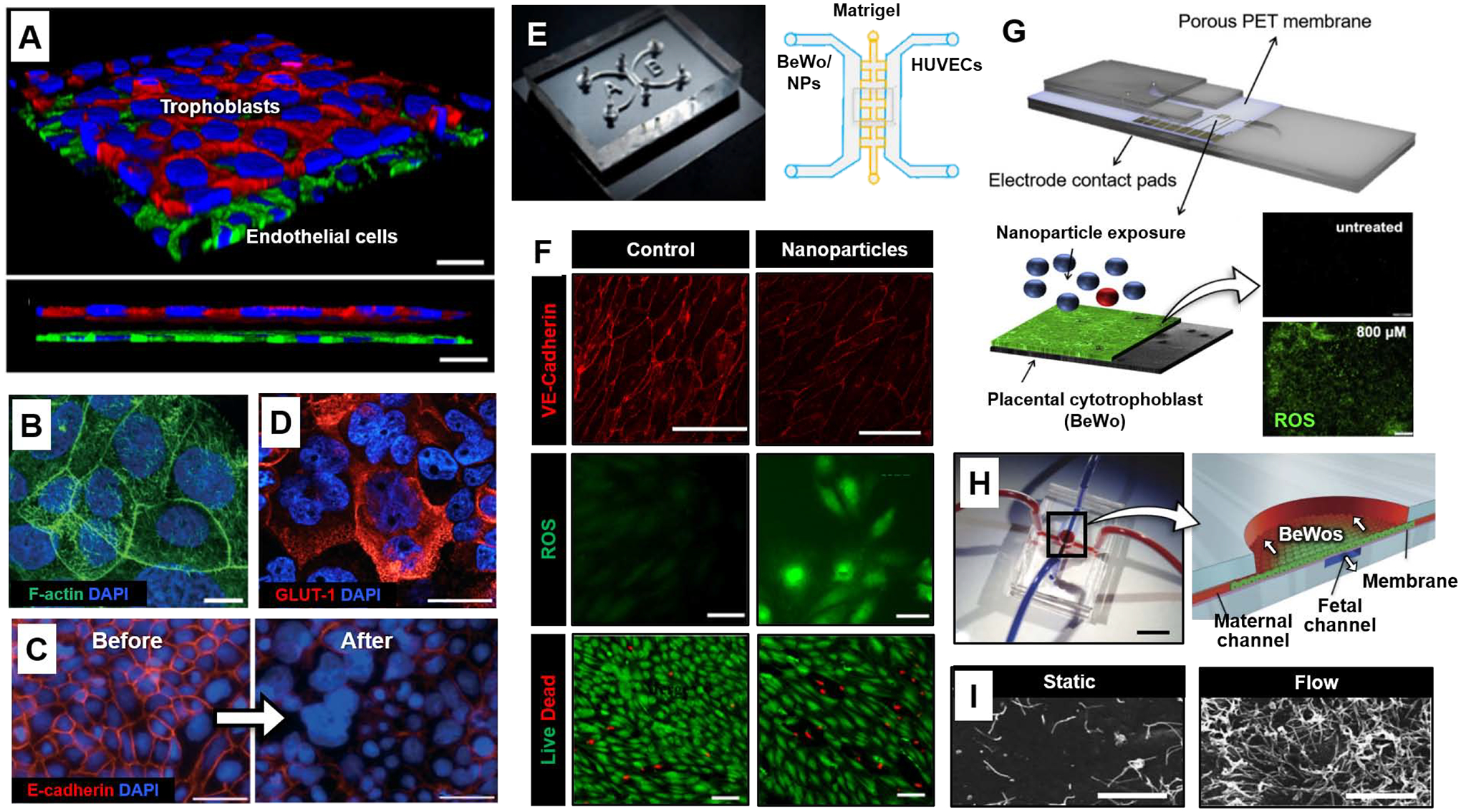
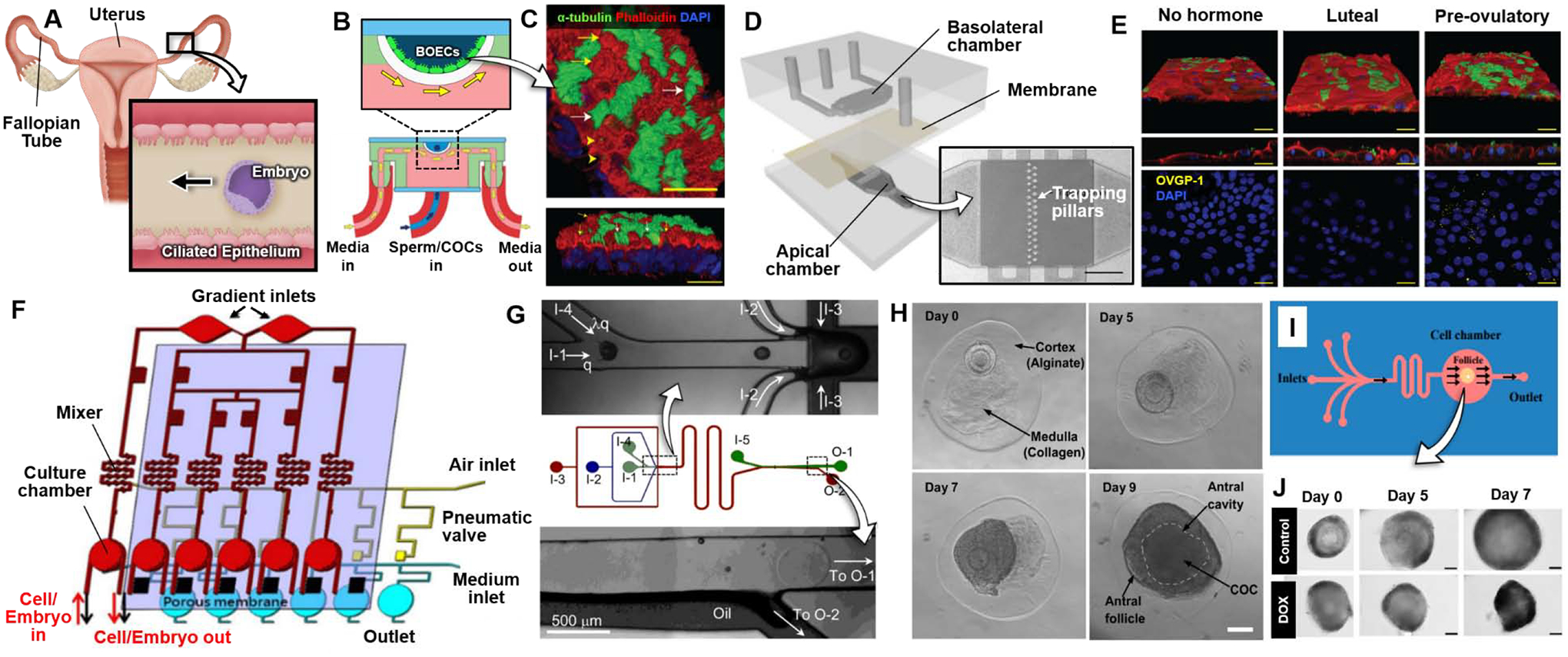
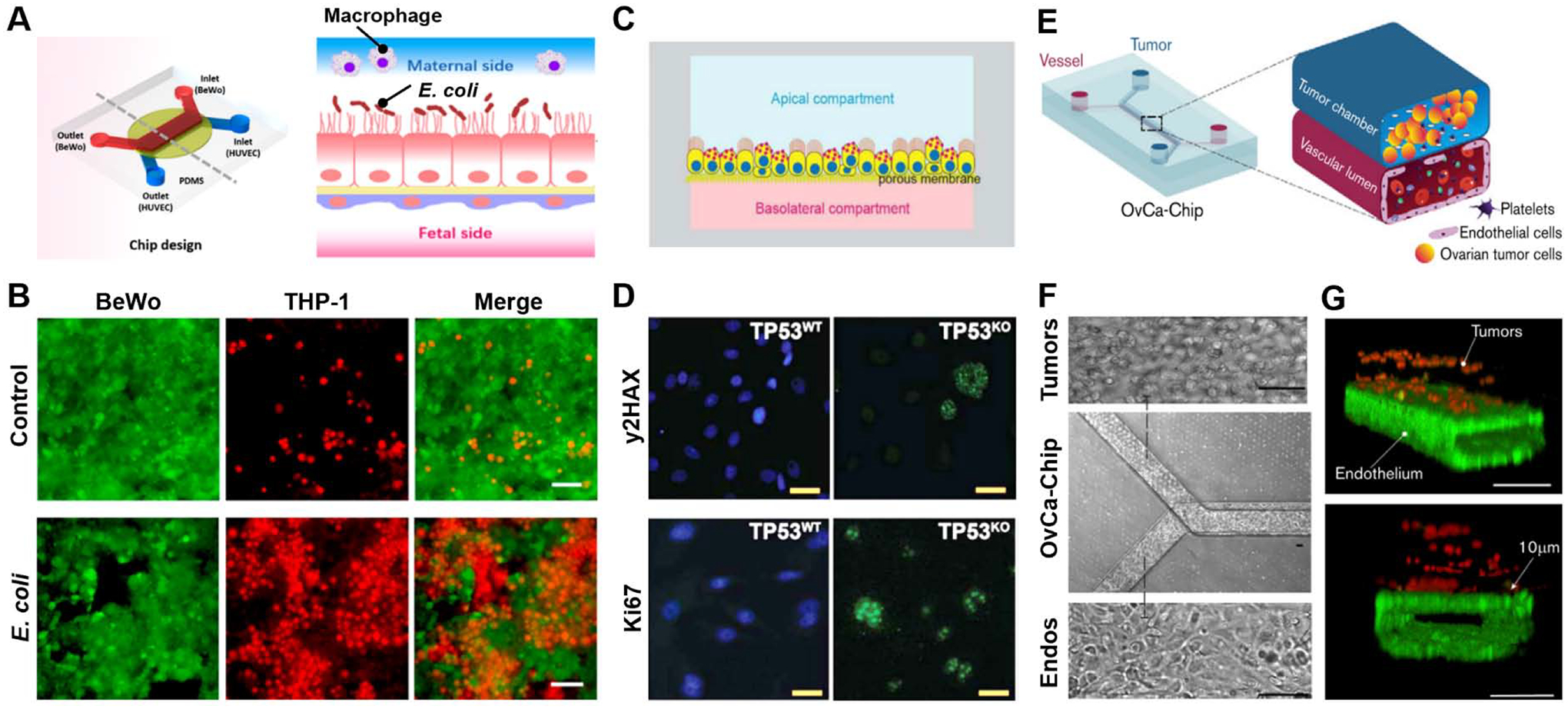
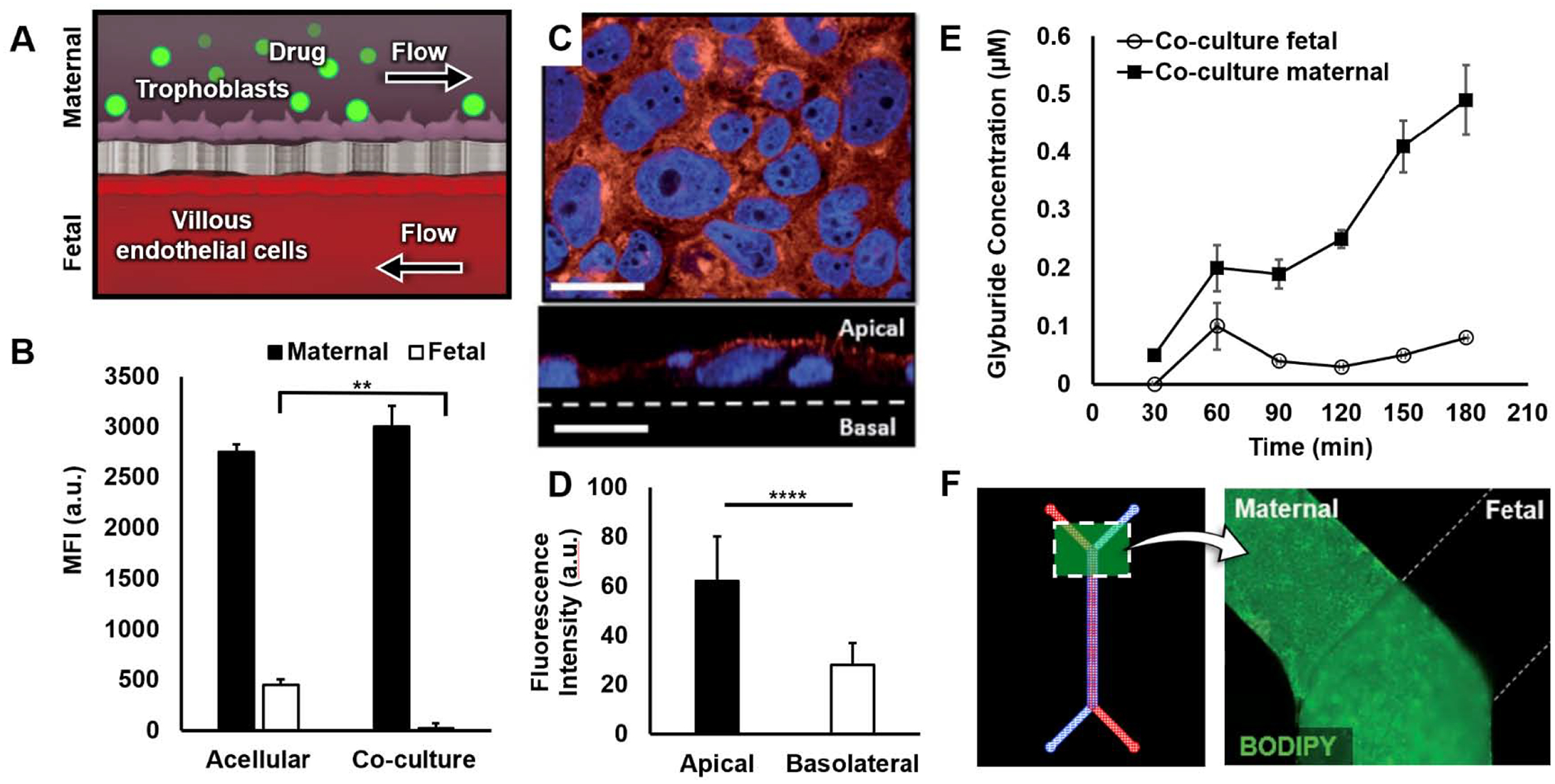
Over the past decade, organs-on-a-chip and microphysiological systems have emerged as a disruptive in vitro technology for biopharmaceutical applications. By enabling new capabilities to engineer physiological living tissues and organ units in the precisely controlled environment of microfabricated devices, these systems offer great promise to advance the frontiers of basic and translational research in biomedical sciences. Here, we review an emerging body of interdisciplinary work directed towards harnessing the power of organ-on-a-chip technology for reproductive biology and medicine. The focus of this topical review is to provide an overview of recent progress in the development of microengineered female reproductive organ models with relevance to drug delivery and discovery. We introduce the engineering design of these advanced in vitro systems and examine their applications in the study of pregnancy, infertility, and reproductive diseases. We also present two case studies that use organ-on-a-chip design principles to model placental drug transport and hormonally regulated crosstalk between multiple female reproductive organs. Finally, we discuss challenges and opportunities for the advancement of reproductive organ-on-a-chip technology.
在过去的十年中,器官芯片和微生理系统作为一种颠覆性的体外技术,在生物制药领域得到了广泛应用。通过在微加工设备的精确控制环境中实现对生理活组织和器官单元的工程设计,这些系统为推进生物医学科学的基础和转化研究的前沿提供了巨大的潜力。在这里,我们回顾了一组新兴的跨学科工作,旨在利用器官芯片技术在生殖生物学和医学领域的应用。本专题综述的重点是概述最近在开发与药物输送和发现相关的微工程化女性生殖器官模型方面的进展。我们介绍了这些先进的体外系统的工程设计,并研究了它们在妊娠、不孕和生殖疾病研究中的应用。我们还介绍了两个案例研究,这些研究利用器官芯片设计原理来模拟胎盘药物转运和多个女性生殖器官之间受激素调节的串扰。最后,我们讨论了生殖器官芯片技术的挑战和机遇。