Alhudhaif Adi, Polat Kemal, Karaman Onur
Department of Computer Science, College of Computer Engineering and Sciences in Al-kharj, Prince Sattam Bin Abdulaziz University, P.O. Box 151, Al-Kharj 11942, Saudi Arabia.
Department of Electrical and Electronics Engineering, Bolu Abant Izzet Baysal University, Bolu, Turkey.
Expert Syst Appl. 2021 Oct 15;180:115141. doi: 10.1016/j.eswa.2021.115141. Epub 2021 May 4.
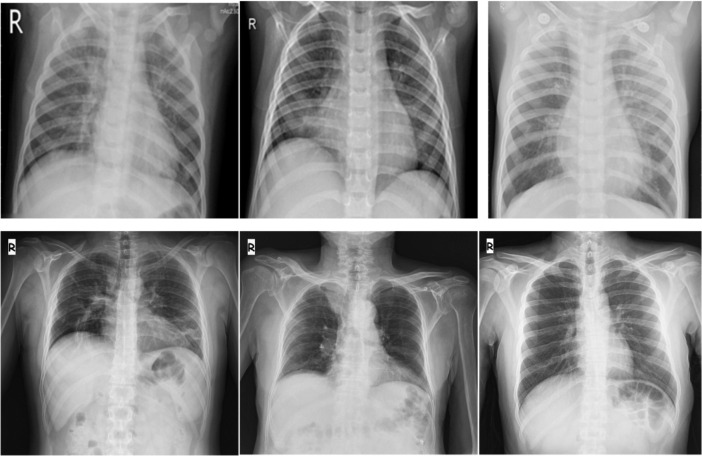
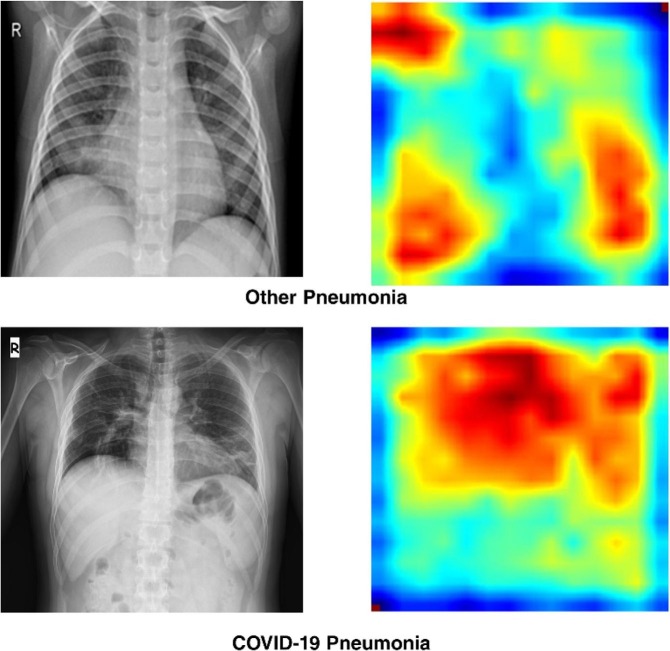
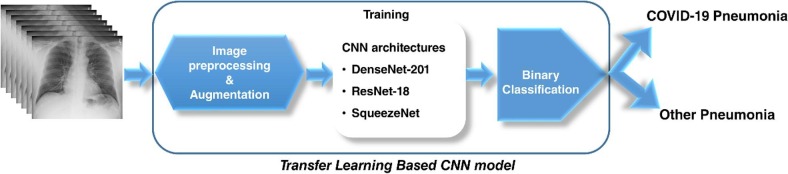
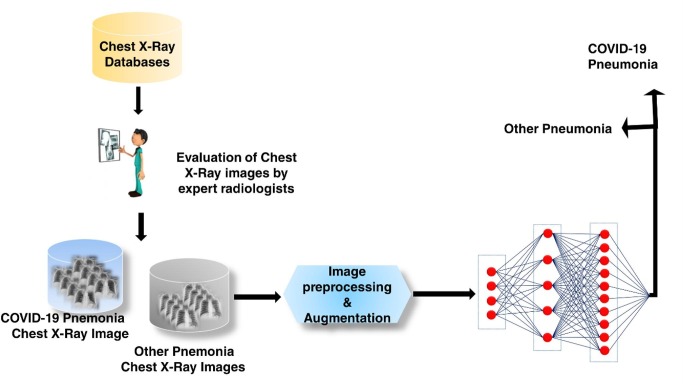
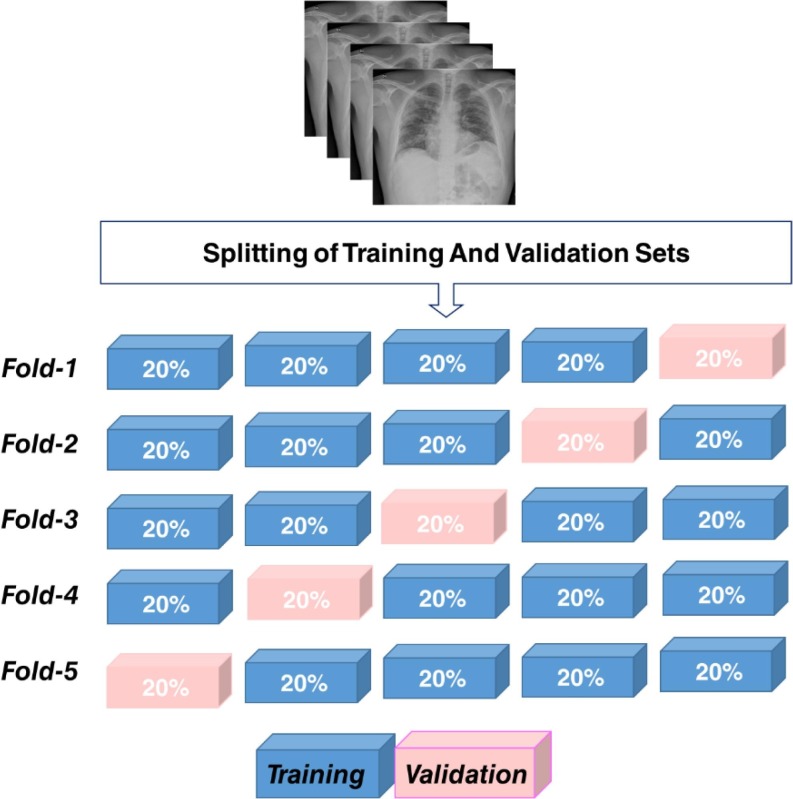
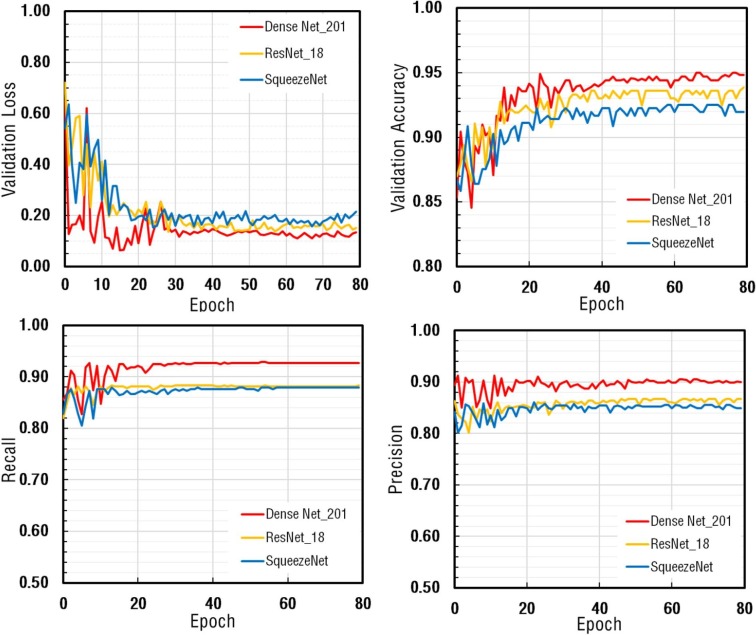
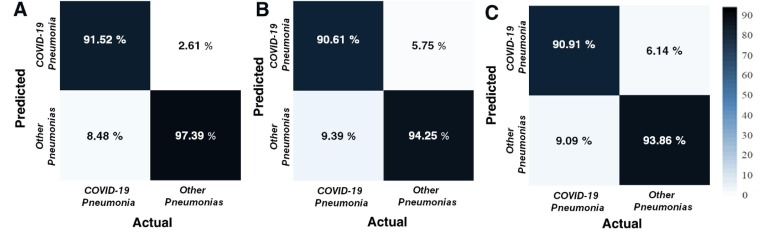
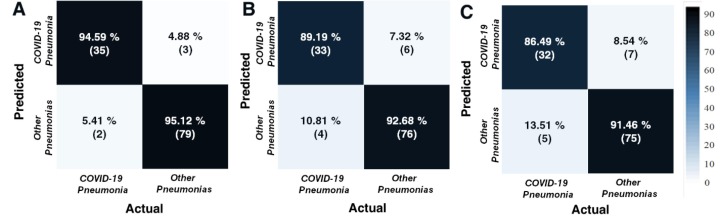
X-ray units have become one of the most advantageous candidates for triaging the new Coronavirus disease COVID-19 infected patients thanks to its relatively low radiation dose, ease of access, practical, reduced prices, and quick imaging process. This research intended to develop a reliable convolutional-neural-network (CNN) model for the classification of COVID-19 from chest X-ray views. Moreover, it is aimed to prevent bias issues due to the database. Transfer learning-based CNN model was developed by using a sum of 1,218 chest X-ray images (CXIs) consisting of 368 COVID-19 pneumonia and 850 other pneumonia cases by pre-trained architectures, including DenseNet-201, ResNet-18, and SqueezeNet. The chest X-ray images were acquired from publicly available databases, and each individual image was carefully selected to prevent any bias problem. A stratified 5-fold cross-validation approach was utilized with a ratio of 90% for training and 10% for the testing (unseen folds), in which 20% of training data was used as a validation set to prevent overfitting problems. The binary classification performances of the proposed CNN models were evaluated by the testing data. The activation mapping approach was implemented to improve the causality and visuality of the radiograph. The outcomes demonstrated that the proposed CNN model built on DenseNet-201 architecture outperformed amongst the others with the highest accuracy, precision, recall, and F1-scores of 94.96%, 89.74%, 94.59%, and 92.11%, respectively. The results indicated that the reliable diagnosis of COVID-19 pneumonia from CXIs based on the CNN model opens the door to accelerate triage, save critical time, and prioritize resources besides assisting the radiologists.
由于X射线设备辐射剂量相对较低、易于获取、实用、价格降低且成像过程快速,它已成为对新型冠状病毒病COVID-19感染患者进行分流的最具优势的手段之一。本研究旨在开发一种可靠的卷积神经网络(CNN)模型,用于根据胸部X光片对COVID-19进行分类。此外,其目的是防止因数据库导致的偏差问题。基于迁移学习的CNN模型是通过使用1218张胸部X光图像(CXIs)开发的,这些图像包括368例COVID-19肺炎和850例其他肺炎病例,采用了预训练架构,包括DenseNet-201、ResNet-18和SqueezeNet。胸部X光图像来自公开可用的数据库,并且对每张单独的图像都进行了仔细挑选,以防止任何偏差问题。采用分层5折交叉验证方法,训练比例为90%,测试(未见过的折)比例为10%,其中20%的训练数据用作验证集以防止过拟合问题。通过测试数据评估所提出的CNN模型的二分类性能。实施激活映射方法以提高X光片的因果关系和可视性。结果表明,基于DenseNet-201架构构建的所提出的CNN模型在其他模型中表现最佳,其准确率、精确率、召回率和F1分数分别为94.96%、89.74%、94.59%和92.11%。结果表明,基于CNN模型从CXIs对COVID-19肺炎进行可靠诊断,除了协助放射科医生外,还为加速分流、节省关键时间和优化资源分配打开了大门。