Fu Chuan, Qi Zhiping, Zhao Chengliang, Kong Weijian, Li Hongru, Guo Wenlai, Yang Xiaoyu
Department of Orthopaedic Surgery, The Second Hospital of Jilin University, Changchun, 130021, China.
Department of Spinal Surgery, The Affiliated Hospital of Qingdao University, Qingdao, 266000, China.
J Biol Eng. 2021 May 22;15(1):17. doi: 10.1186/s13036-021-00268-3.
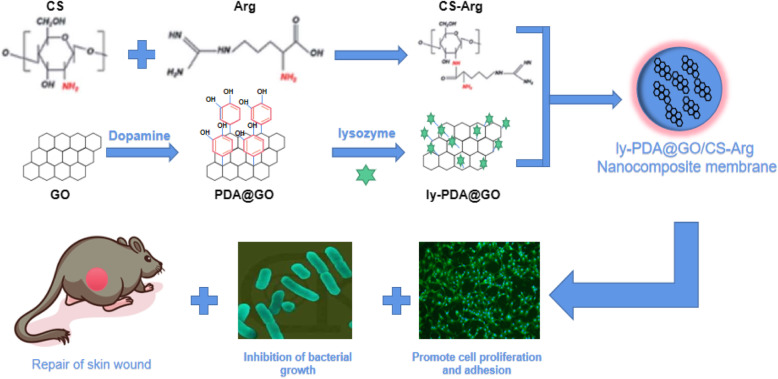
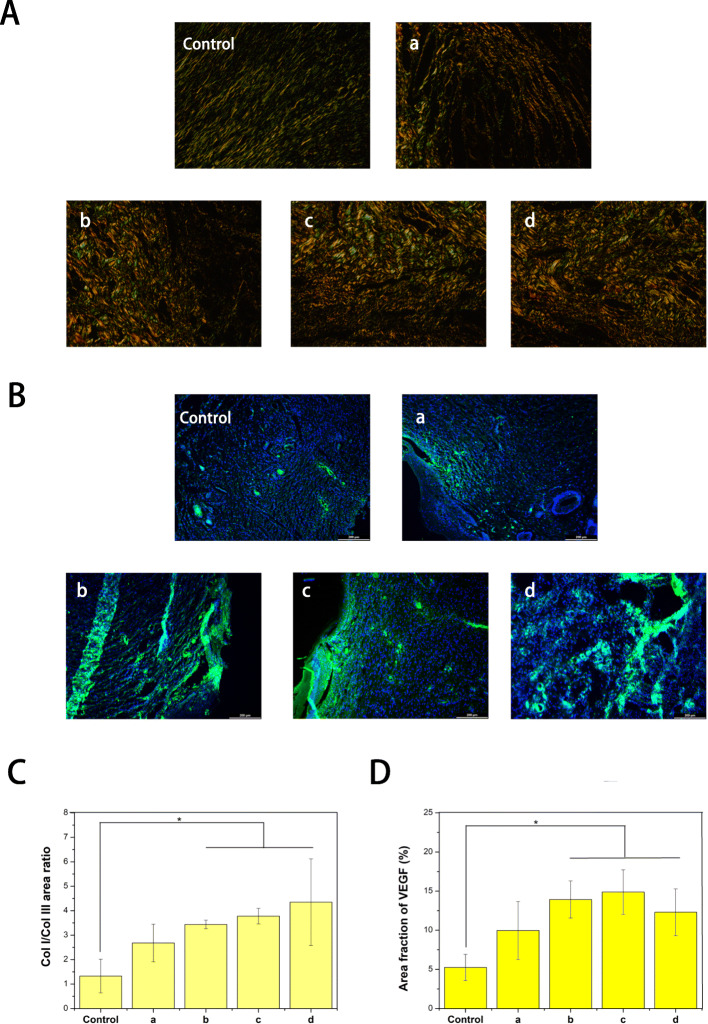
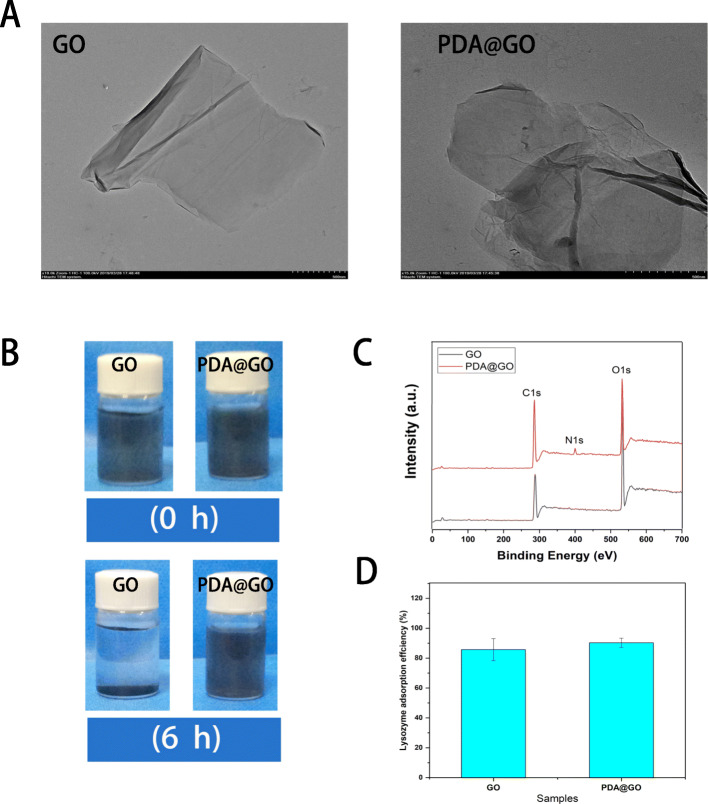
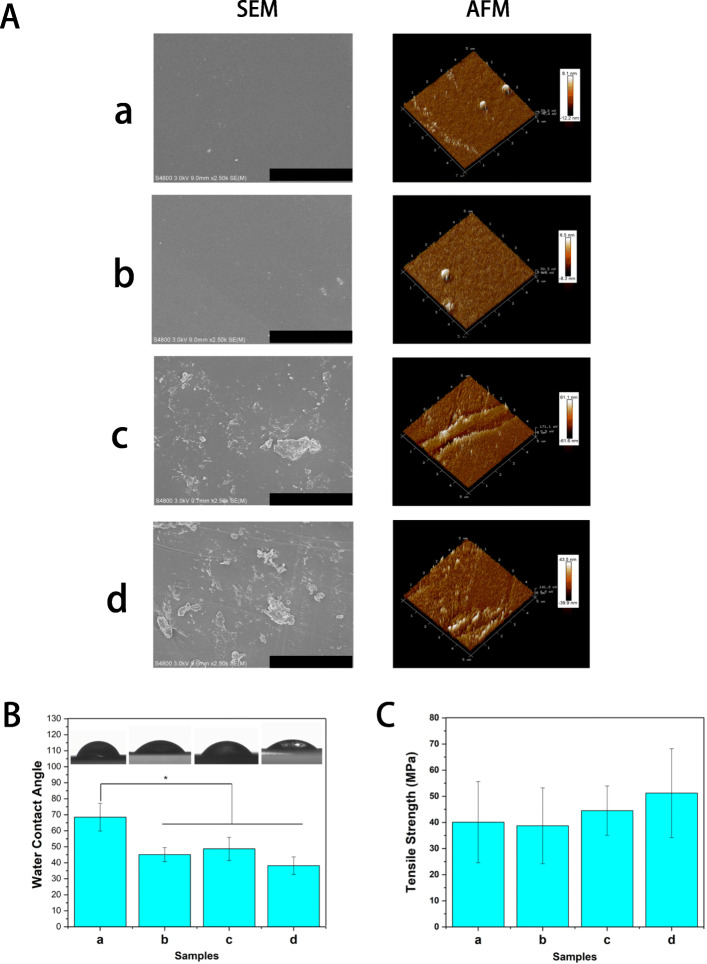
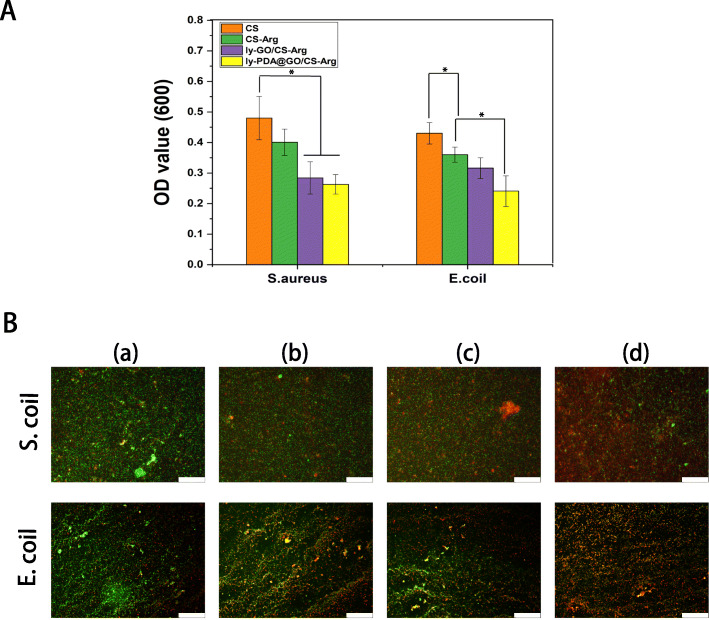
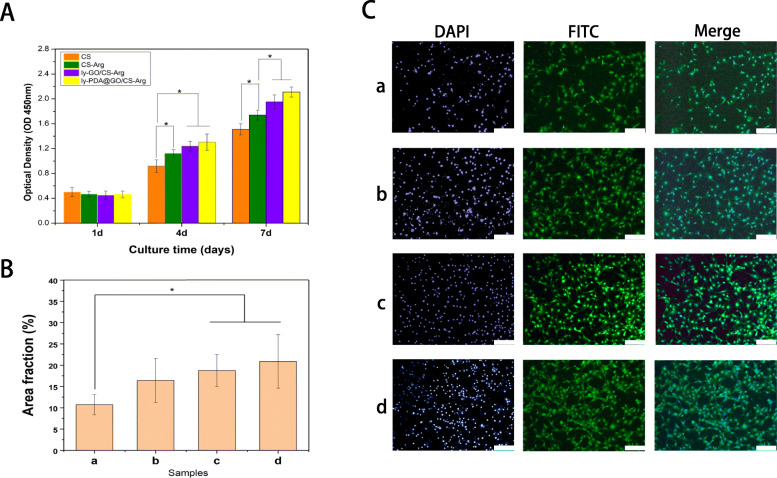
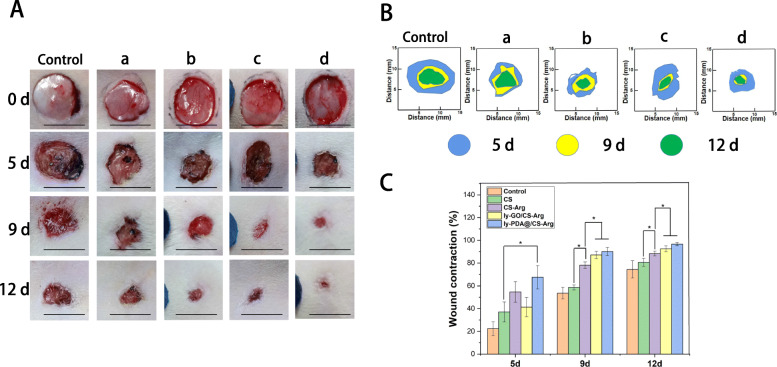
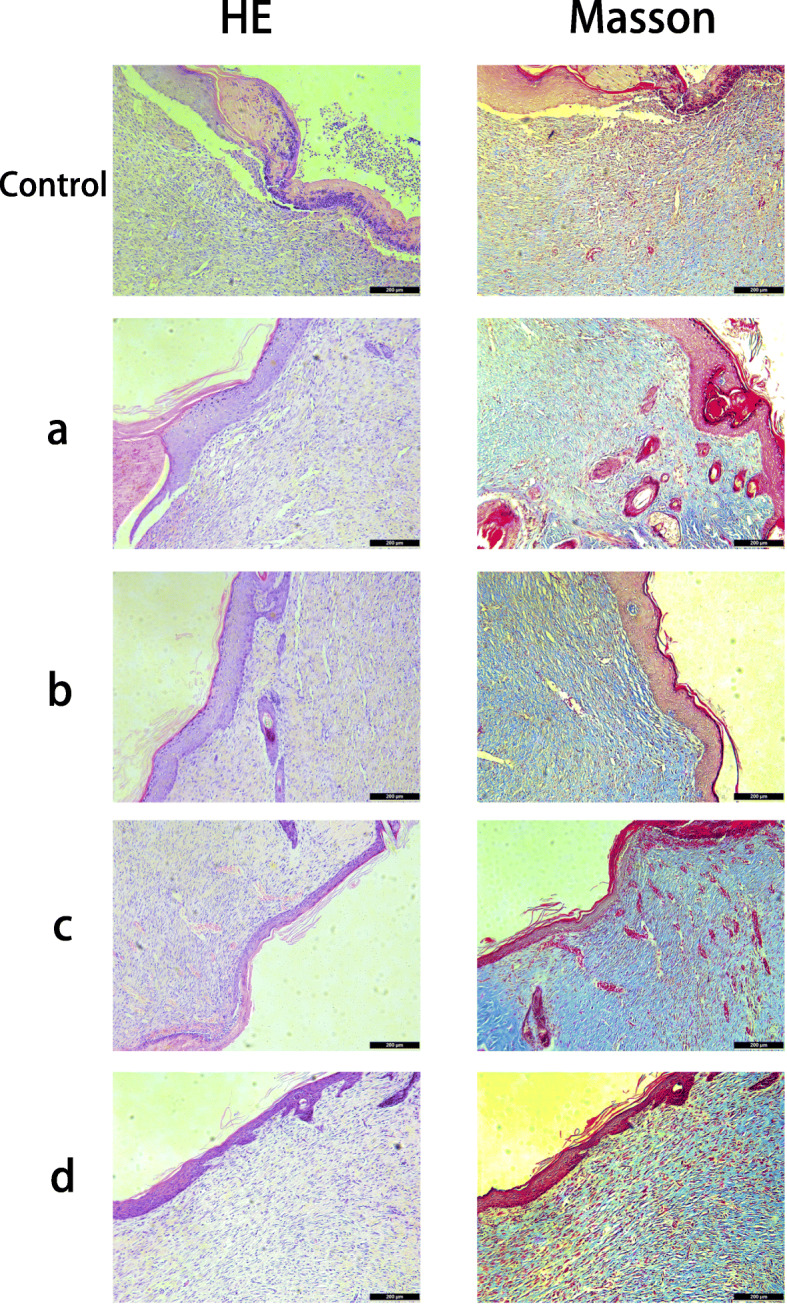
Skin wound healing is a complicated and lengthy process, which is influenced by multiple factors and need a suitable cellular micro-environment. For skin wound, wound dressings remain a cornerstone of dermatologic therapy at present. The dressing material can create an effective protective environment for the wound, and the interactions between the dressing and the wound has a great impact on the wound healing efficiency. An ideal wound dressing materials should have good biocompatibility, moisturizing property, antibacterial property and mechanical strength, and can effectively prevent wound infection and promote wound healing. In this study, in order to design wound dressing materials endowed with excellent antibacterial and tissue repair properties, we attempted to load antimicrobial peptides onto dopmine-modified graphene oxide (PDA@GO) using lysozyme (ly) as a model drug. Then, functionalized GO was used to the surface modification of arginine-modified chitosan (CS-Arg) membrane. To evaluate the potential of the prepared nanocomposite membrane in wound dressing application, the surface morphology, hydrophilic, mechanical properties, antimicrobial activity, and cytocompatibility of the resulting nanocomposite membrane were analyzed. The results revealed that prepared nanocomposite membrane exhibited excellent hydrophilic, mechanical strength and antimicrobial activity, which can effectively promote cell growth and adhesion. In particular, using PDA@GO as drug carrier can effectively maintain the activity of antimicrobial peptides, and can maximize the antibacterial properties of the nanocomposite membrane. Finally, we used rat full-thickness wound models to observe wound healing, and the surface interactions between the prepared nanocomposite membrane and the wound. The results indicated that nanocomposite membrane can obviously accelerated wound closure, and the wounds showed reduced inflammation, improved angiogenesis and accelerated re-epithelialization. Therefore, incorporation of antimicrobial peptides-functionalize graphene oxide (ly-PDA@GO) into CS-Arg membrane was a viable strategy for fabricating excellent wound dressing. Together, this study not only prepared a wound dressing with excellent tissue repair ability, but also provided a novel idea for the development of graphene oxide-based antibacterial dressing.
皮肤伤口愈合是一个复杂且漫长的过程,受多种因素影响,需要一个适宜的细胞微环境。对于皮肤伤口而言,伤口敷料仍是目前皮肤科治疗的基石。敷料材料可为伤口创造有效的保护环境,敷料与伤口之间的相互作用对伤口愈合效率有很大影响。理想的伤口敷料材料应具有良好的生物相容性、保湿性、抗菌性和机械强度,并能有效预防伤口感染,促进伤口愈合。在本研究中,为了设计具有优异抗菌和组织修复性能的伤口敷料材料,我们尝试以溶菌酶(ly)为模型药物,将抗菌肽负载到多巴胺修饰的氧化石墨烯(PDA@GO)上。然后,用功能化的氧化石墨烯对精氨酸修饰的壳聚糖(CS-Arg)膜进行表面改性。为了评估制备的纳米复合膜在伤口敷料应用中的潜力,对所得纳米复合膜的表面形态、亲水性、机械性能、抗菌活性和细胞相容性进行了分析。结果表明,制备的纳米复合膜具有优异的亲水性、机械强度和抗菌活性,能有效促进细胞生长和黏附。特别是,使用PDA@GO作为药物载体可有效保持抗菌肽的活性,并能最大限度地发挥纳米复合膜的抗菌性能。最后,我们使用大鼠全层伤口模型观察伤口愈合情况以及制备的纳米复合膜与伤口之间的表面相互作用。结果表明,纳米复合膜可明显加速伤口闭合,伤口炎症减轻,血管生成改善,上皮再形成加速。因此,将抗菌肽功能化的氧化石墨烯(ly-PDA@GO)掺入CS-Arg膜是制备优异伤口敷料的可行策略。总之,本研究不仅制备了具有优异组织修复能力的伤口敷料,还为基于氧化石墨烯的抗菌敷料的开发提供了新思路。