Center for Computational and Integrative Biology, Rutgers University Camden, Camden, New Jersey 08103, United States.
Department of Chemistry, Rutgers University Camden, Camden, New Jersey 08102, United States.
Environ Sci Technol. 2021 Aug 3;55(15):10875-10887. doi: 10.1021/acs.est.1c02656. Epub 2021 Jul 25.
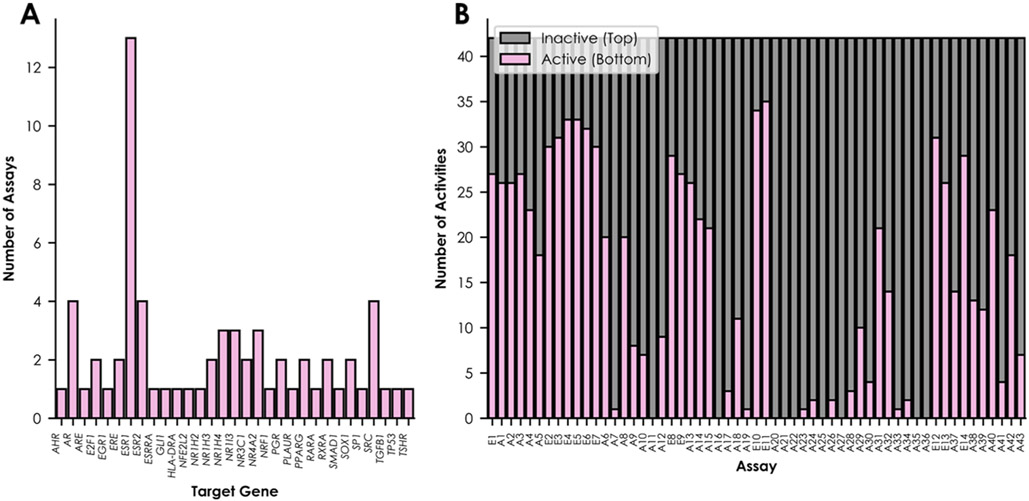
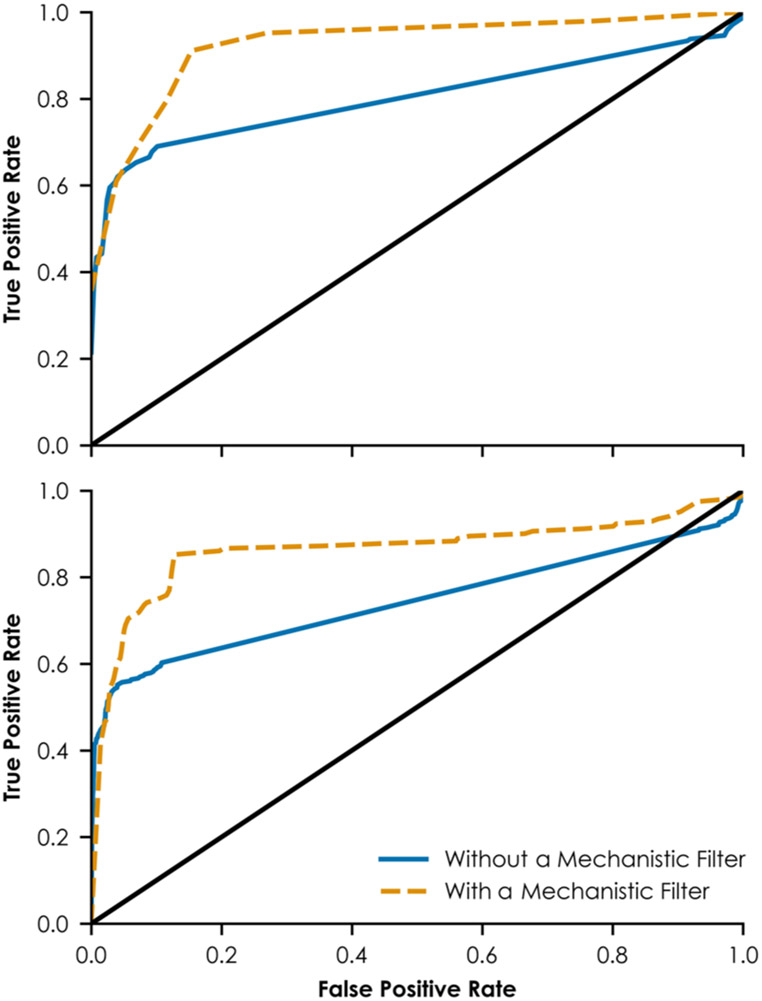
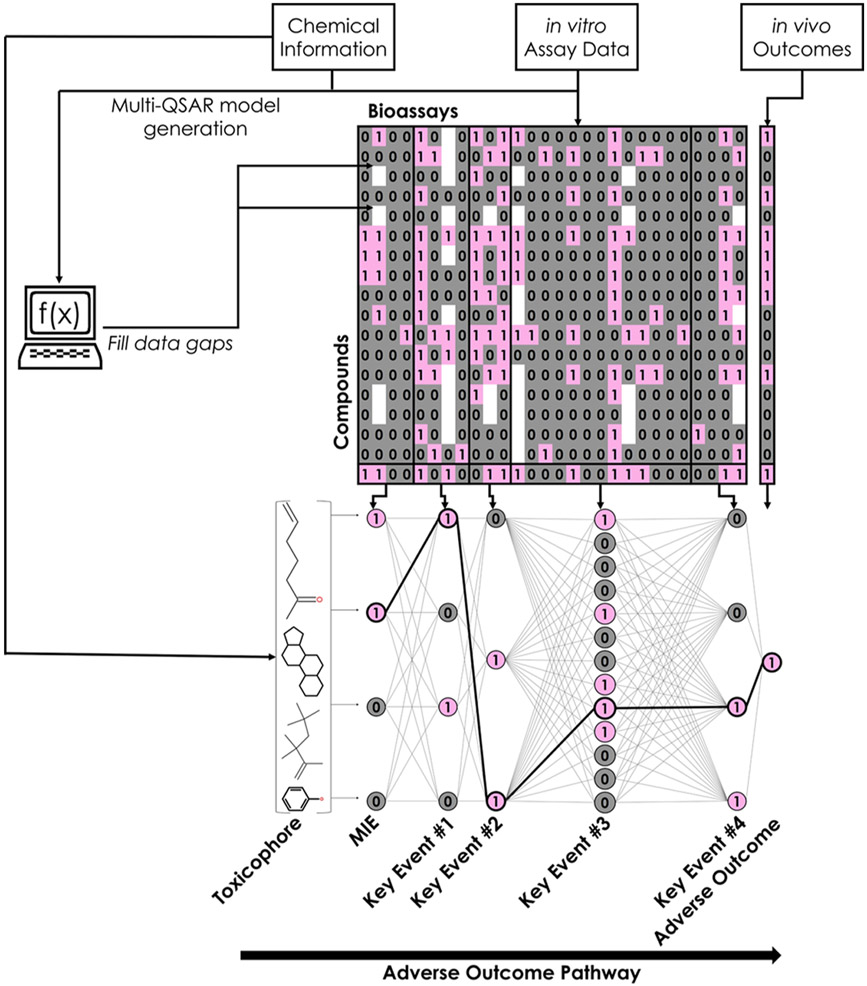
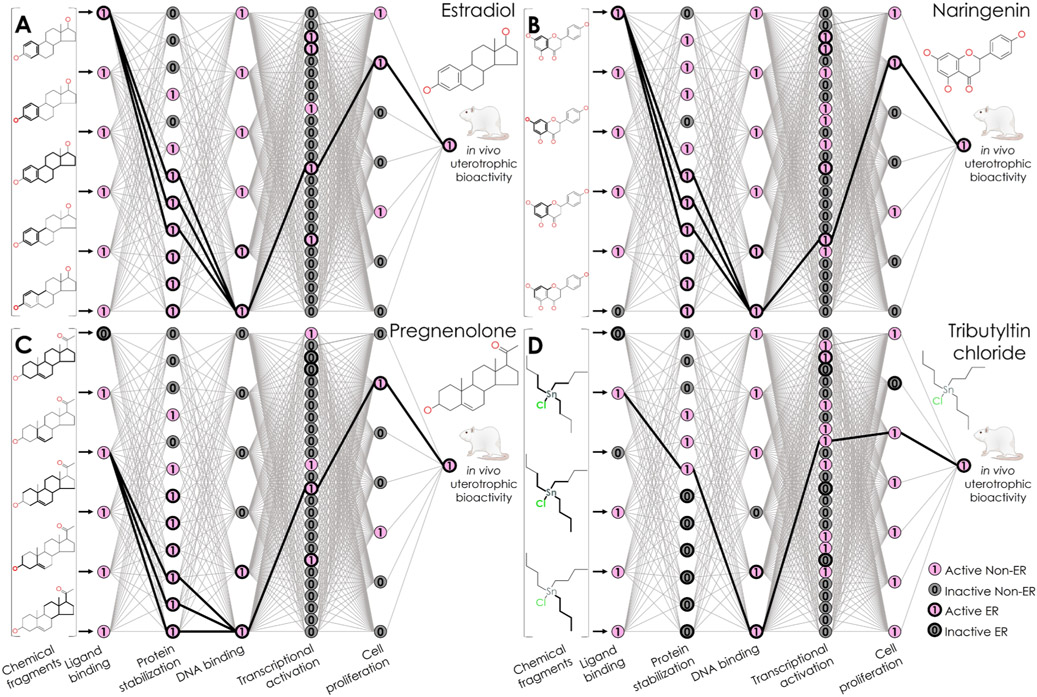
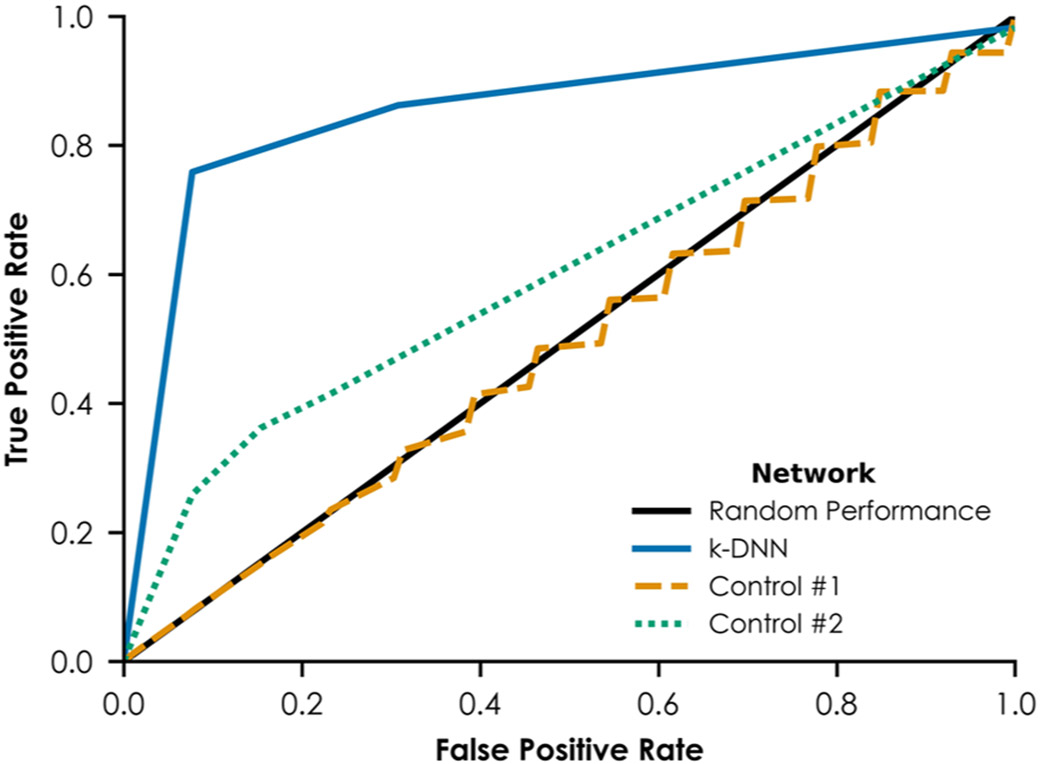
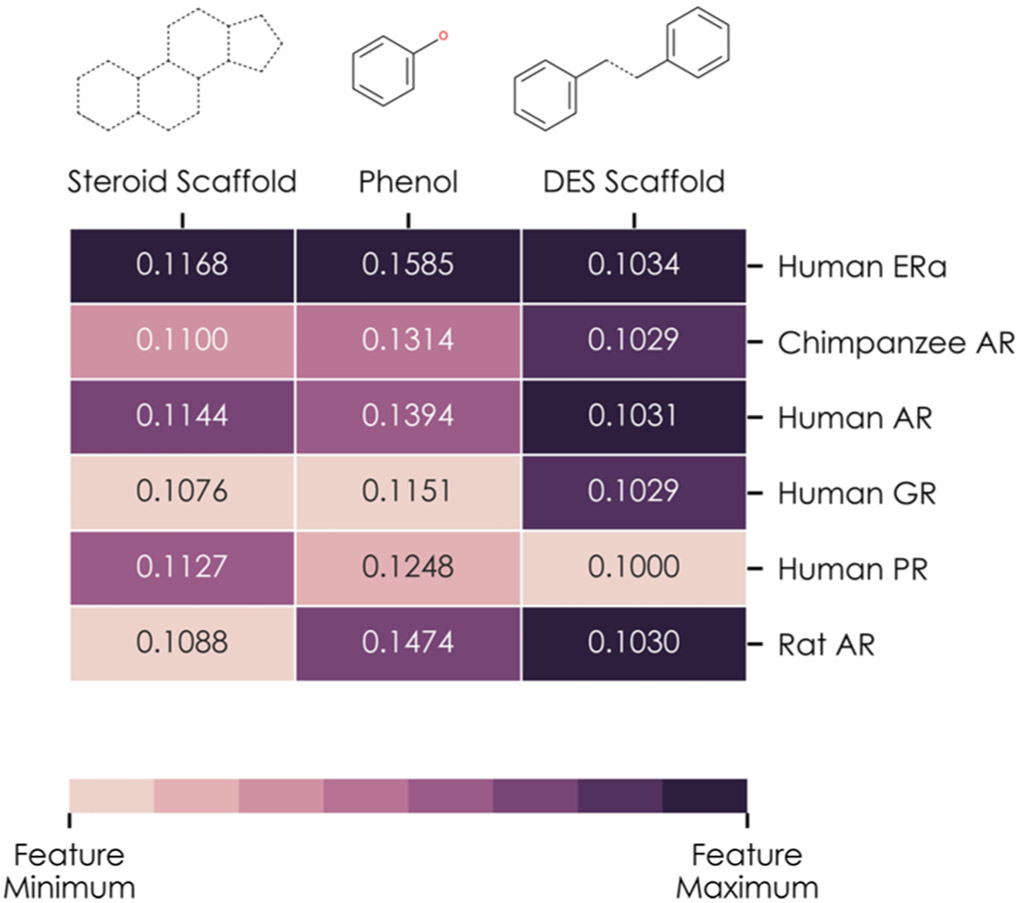
Traditional experimental testing to identify endocrine disruptors that enhance estrogenic signaling relies on expensive and labor-intensive experiments. We sought to design a knowledge-based deep neural network (k-DNN) approach to reveal and organize public high-throughput screening data for compounds with nuclear estrogen receptor α and β (ERα and ERβ) binding potentials. The target activity was rodent uterotrophic bioactivity driven by ERα/ERβ activations. After training, the resultant network successfully inferred critical relationships among ERα/ERβ target bioassays, shown as weights of 6521 edges between 1071 neurons. The resultant network uses an adverse outcome pathway (AOP) framework to mimic the signaling pathway initiated by ERα and identify compounds that mimic endogenous estrogens (i.e., estrogen mimetics). The k-DNN can predict estrogen mimetics by activating neurons representing several events in the ERα/ERβ signaling pathway. Therefore, this virtual pathway model, starting from a compound's chemistry initiating ERα activation and ending with rodent uterotrophic bioactivity, can efficiently and accurately prioritize new estrogen mimetics (AUC = 0.864-0.927). This k-DNN method is a potential universal computational toxicology strategy to utilize public high-throughput screening data to characterize hazards and prioritize potentially toxic compounds.
传统的实验测试方法,用于识别增强雌激素信号的内分泌干扰物,依赖于昂贵且费时的实验。我们试图设计一种基于知识的深度神经网络(k-DNN)方法,以揭示和组织具有核雌激素受体α和β(ERα和 ERβ)结合潜力的化合物的公共高通量筛选数据。目标活性是由 ERα/ERβ激活驱动的啮齿动物子宫肥大型生物活性。经过训练,所得网络成功推断出 ERα/ERβ靶标生物测定之间的关键关系,表现为 1071 个神经元之间 6521 个边缘的权重。所得网络使用不良结局途径(AOP)框架来模拟由 ERα 引发的信号通路,并识别模拟内源性雌激素的化合物(即雌激素类似物)。k-DNN 可以通过激活代表 ERα/ERβ 信号通路中几个事件的神经元来预测雌激素类似物。因此,这种虚拟途径模型,从化合物引发 ERα 激活的化学起始,到啮齿动物子宫肥大型生物活性结束,可以有效地和准确地对新的雌激素类似物进行优先级排序(AUC=0.864-0.927)。这种 k-DNN 方法是一种潜在的通用计算毒理学策略,可以利用公共高通量筛选数据来描述危害并对潜在有毒化合物进行优先级排序。