Bi Siling, Xu Liang, Chen Shouqiang, Bu Shuai, Xu Yunsheng
Shandong University of Traditional Chinese Medicine, Jinan, China.
The Second Hospital Affiliated to Shandong University of Traditional Chinese Medicine, Jinan, China.
Evid Based Complement Alternat Med. 2021 Oct 23;2021:9234984. doi: 10.1155/2021/9234984. eCollection 2021.
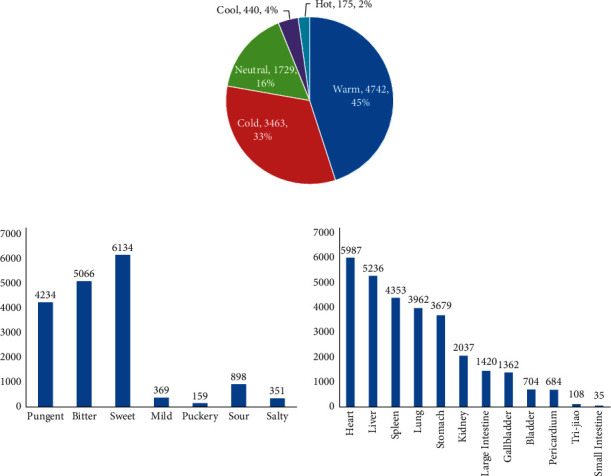
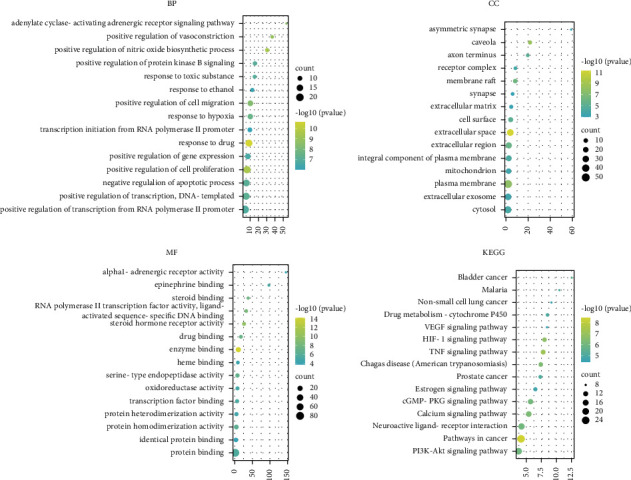
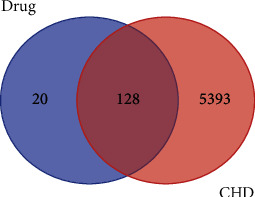
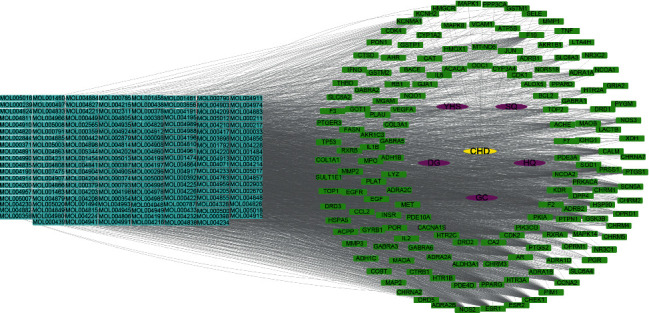
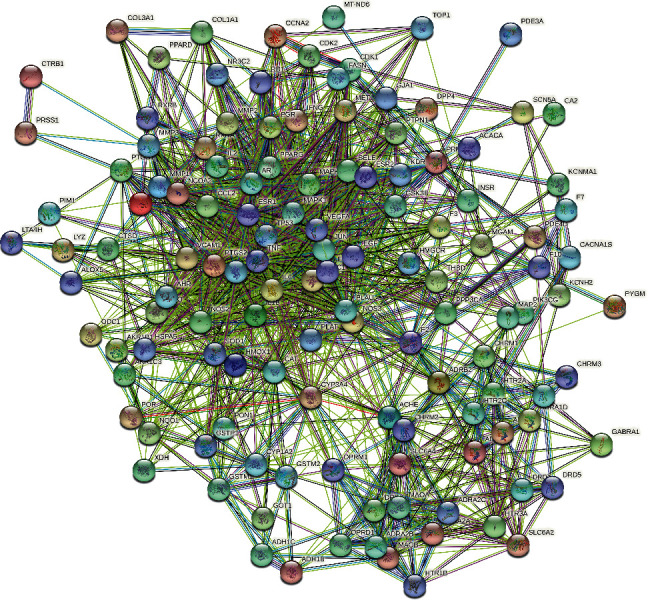
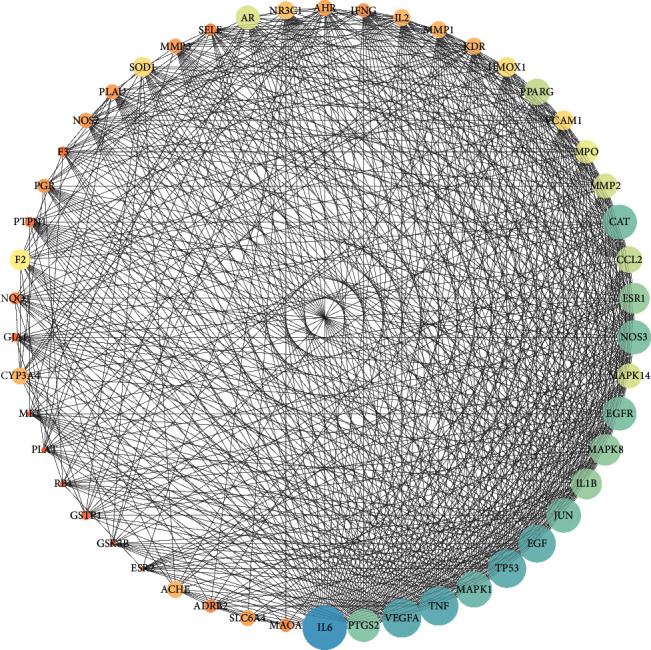
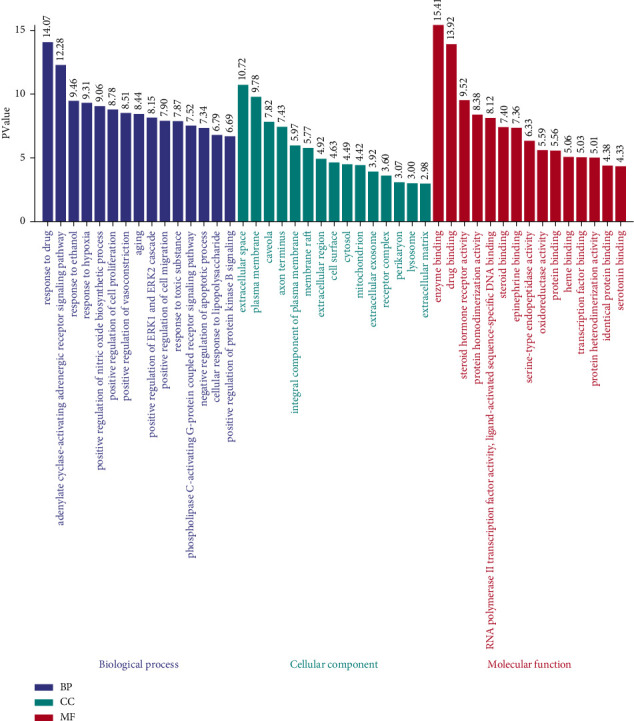
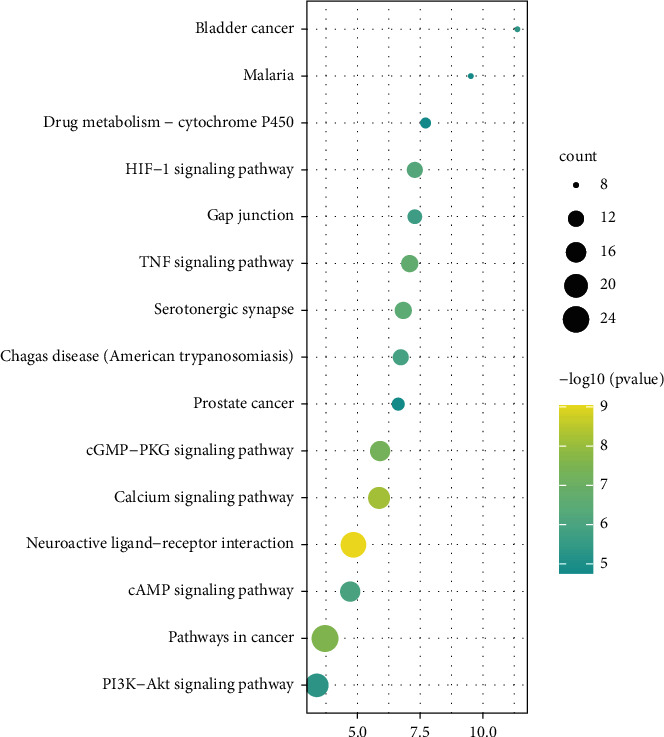
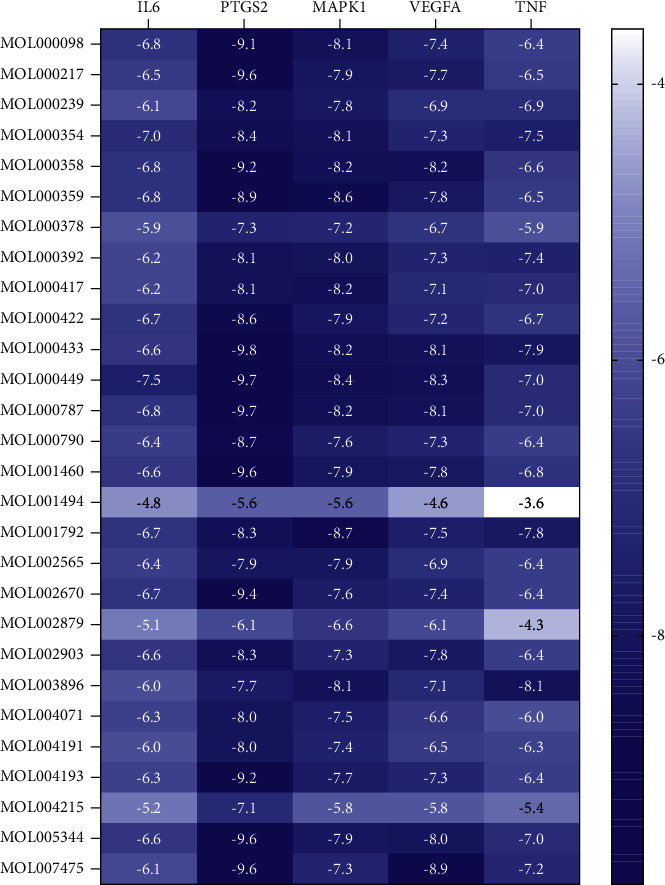
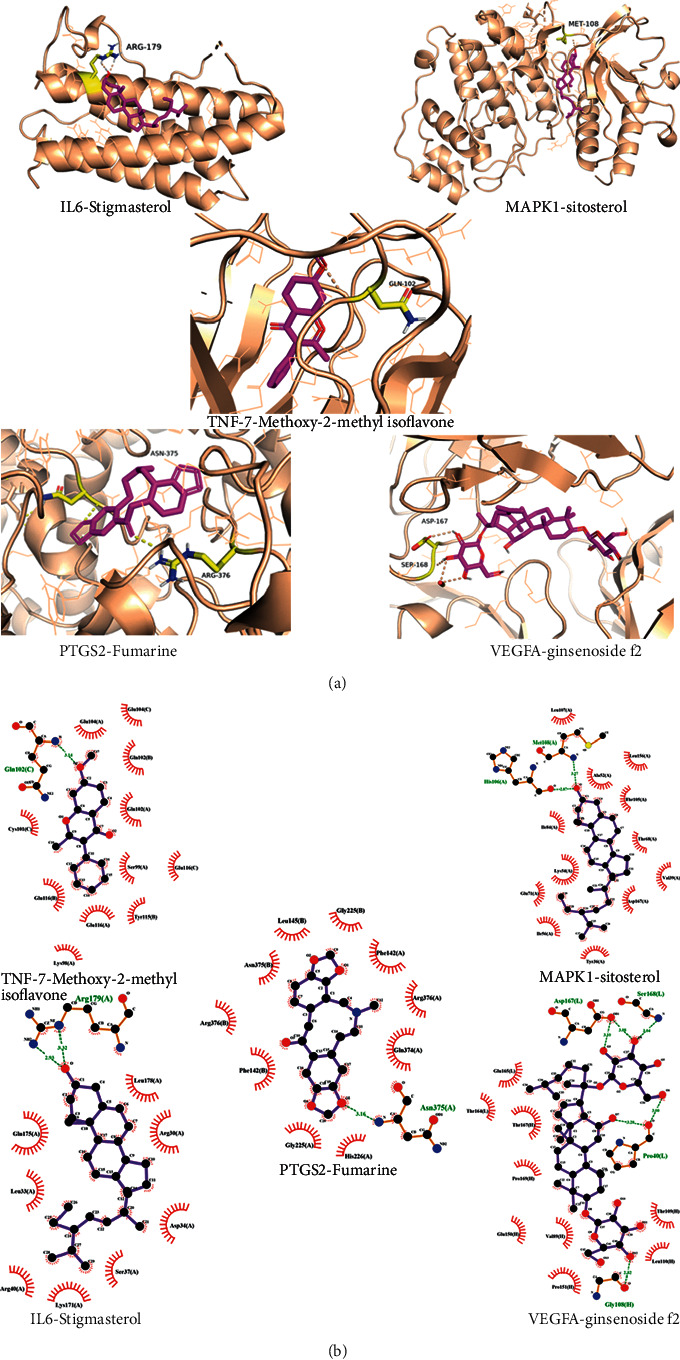
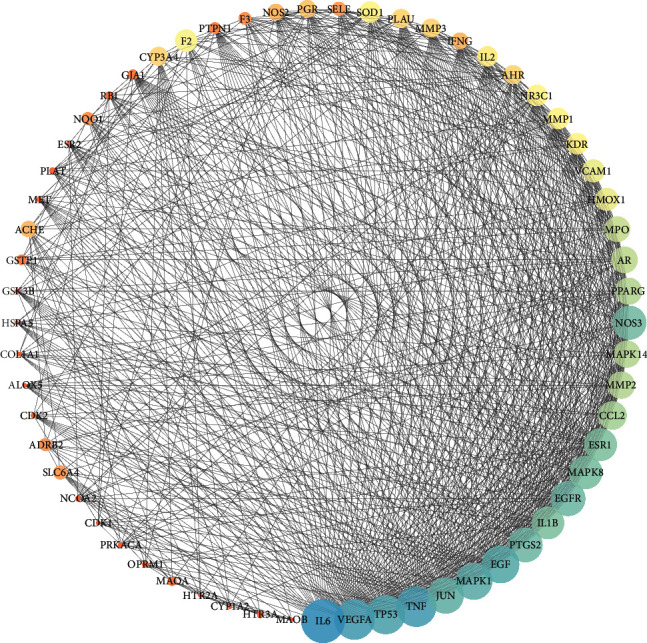
Though widely used in the treatment of coronary heart disease (CHD), the mechanism of traditional Chinese medicine (TCM) is still unclear because of its complex prescription rules. This study prospectively collected 715 prescriptions of TCM for the treatment of CHD. The characteristics of TCM in prescriptions were described and analyzed, and the rules of prescriptions were analyzed by using association rules. Frequency statistics showed that the high-frequency herbs with a frequency of more than 60% were Gan-cao, Huang-qi, Dang-gui, Chuan-xiong, Yan-hu-suo, and San-qi. The high-frequency herb combinations were summarized by using association rules. By using the method of the "Top groups" to excavate the empirical prescriptions, the basic prescriptions for treating CHD were summarized. We named the intersection herbs of the basic prescriptions and the high frequency herbs as the core herbal prescription. To explore the possible mechanisms underlying the anti-CHD effect of the core herbal prescription, the bioactive components of core herbal prescription and their targets were screened out by using network pharmacology. Molecular docking was performed between the bioactive components and core targets. A total of 28 potential active ingredients and 5 core targets were identified for the treatment of CHD with core herbal prescription. The enrichment analysis results indicated that the mechanism of action mainly involved neuroactive ligand-receptor interaction and calcium signaling pathway. The commonly used herbal pairs for CHD with qi deficiency and blood stasis syndrome were Huang-qi and Dang-gui. The mechanism of action of common herbal pairs was also studied by network pharmacology. This study summarized the prescription rule of TCM in the treatment of CHD and may provide a new idea for the treatment of CHD.
尽管中药在冠心病(CHD)治疗中被广泛应用,但其作用机制仍不明确,因其处方规律复杂。本研究前瞻性收集了715例治疗冠心病的中药处方。描述并分析了处方中中药的特征,运用关联规则分析了处方规律。频次统计显示,频次超过60%的高频药物有甘草、黄芪、当归、川芎、延胡索和三七。运用关联规则总结高频药物组合。采用“顶尖组合”方法挖掘经验方,总结出治疗冠心病的基础方。我们将基础方与高频药物的交集药物命名为核心中药方。为探究核心中药方抗冠心病作用的潜在机制,运用网络药理学筛选出核心中药方的生物活性成分及其靶点。对生物活性成分与核心靶点进行分子对接。共鉴定出28种潜在活性成分和5个治疗冠心病核心中药方的核心靶点。富集分析结果表明,其作用机制主要涉及神经活性配体-受体相互作用和钙信号通路。治疗气虚血瘀证冠心病常用的药对是黄芪和当归。还运用网络药理学研究了常用药对的作用机制。本研究总结了中药治疗冠心病的处方规律,可能为冠心病治疗提供新思路。