Li Yuanfeng, Liu Yong, Ren Yijin, Su Linzhu, Li Ang, An Yingli, Rotello Vincent, Zhang Zhanzhan, Wang Yin, Liu Yang, Liu Sidi, Liu Jian, Laman Jon D, Shi Linqi, van der Mei Henny C, Busscher Henk J
State Key Laboratory of Medicinal Chemical Biology, Materials and Ministry, Key Laboratory of Functional Polymer Materials of Ministry of Education, Institute of Polymer Chemistry College of Chemistry, Nankai University, 94 Weijin Road, Tianjin 300071, P. R. China.
Department of Biomedical Engineering, University of Groningen and University Medical Center Groningen, Antonius Deusinglaan 1, 9713 AV, Groningen, The Netherlands.
Adv Funct Mater. 2020 Nov 25;30(48). doi: 10.1002/adfm.202004942. Epub 2020 Sep 16.
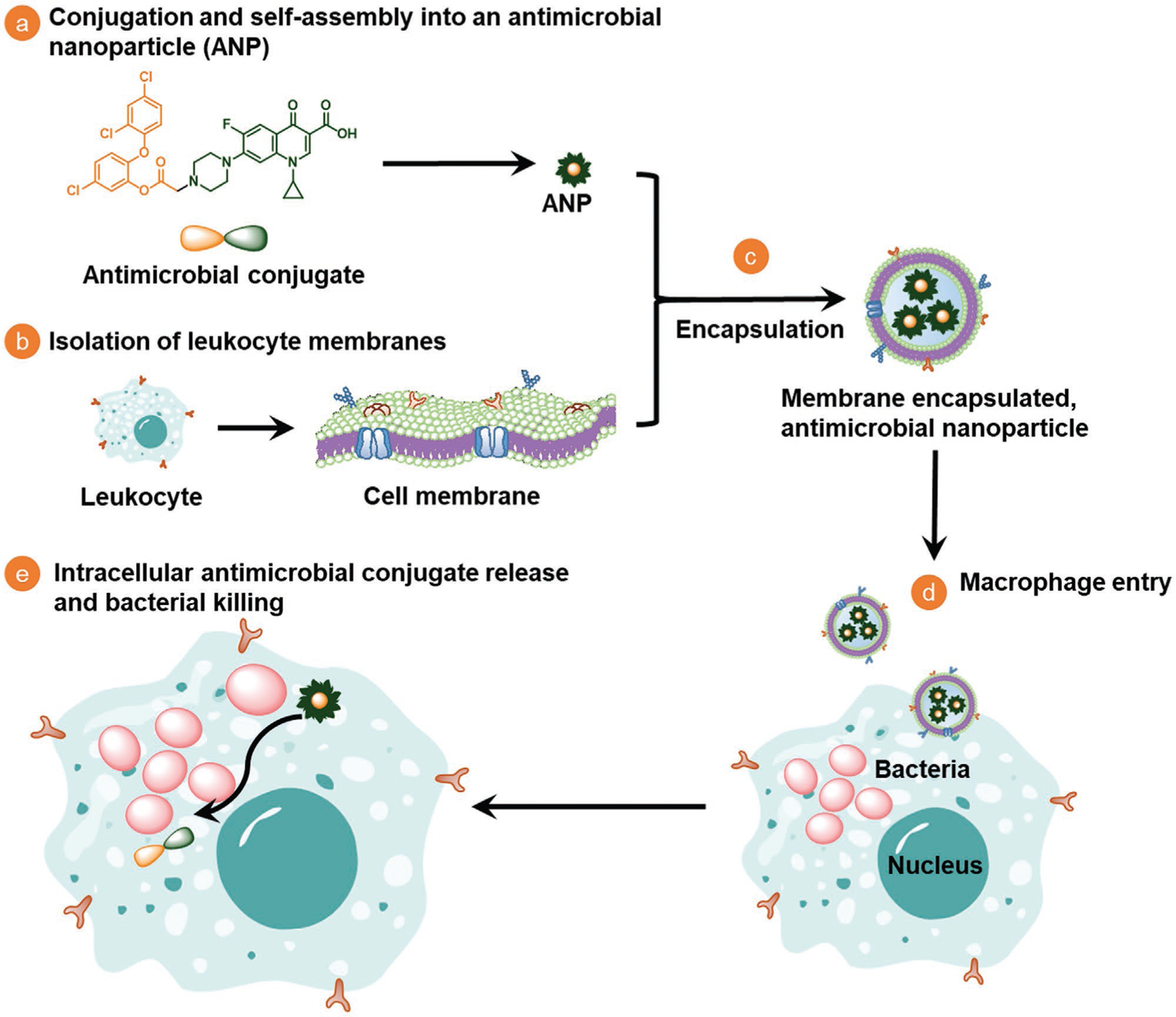
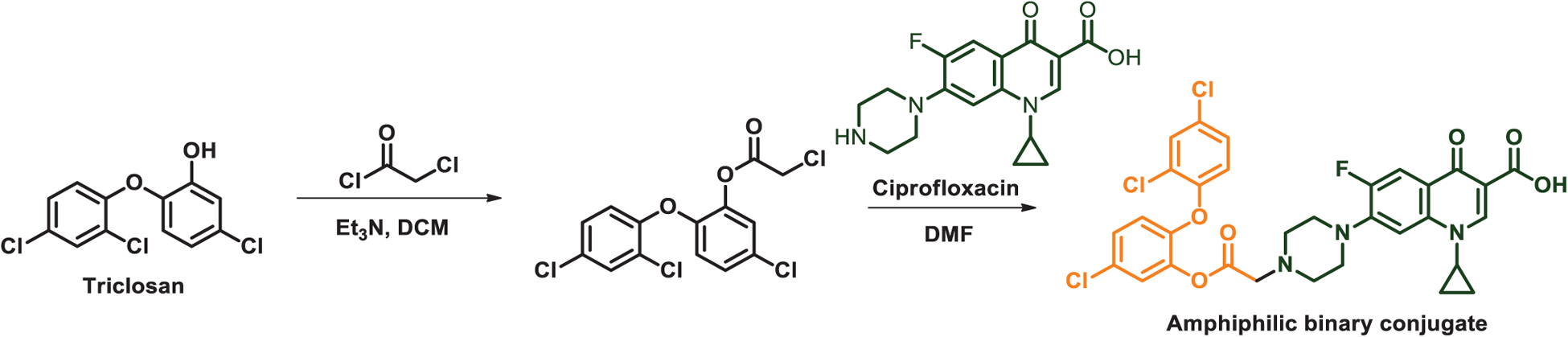
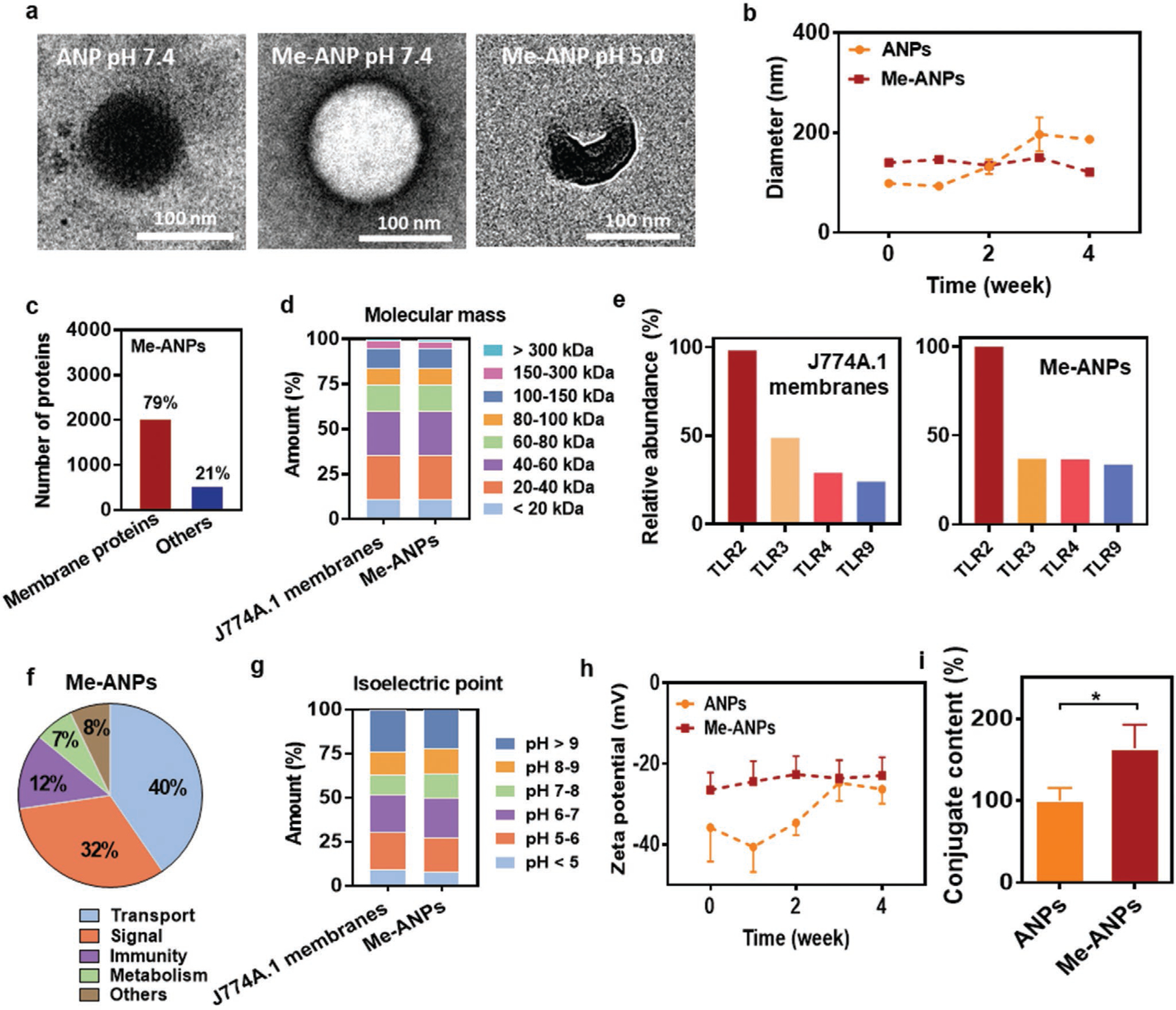
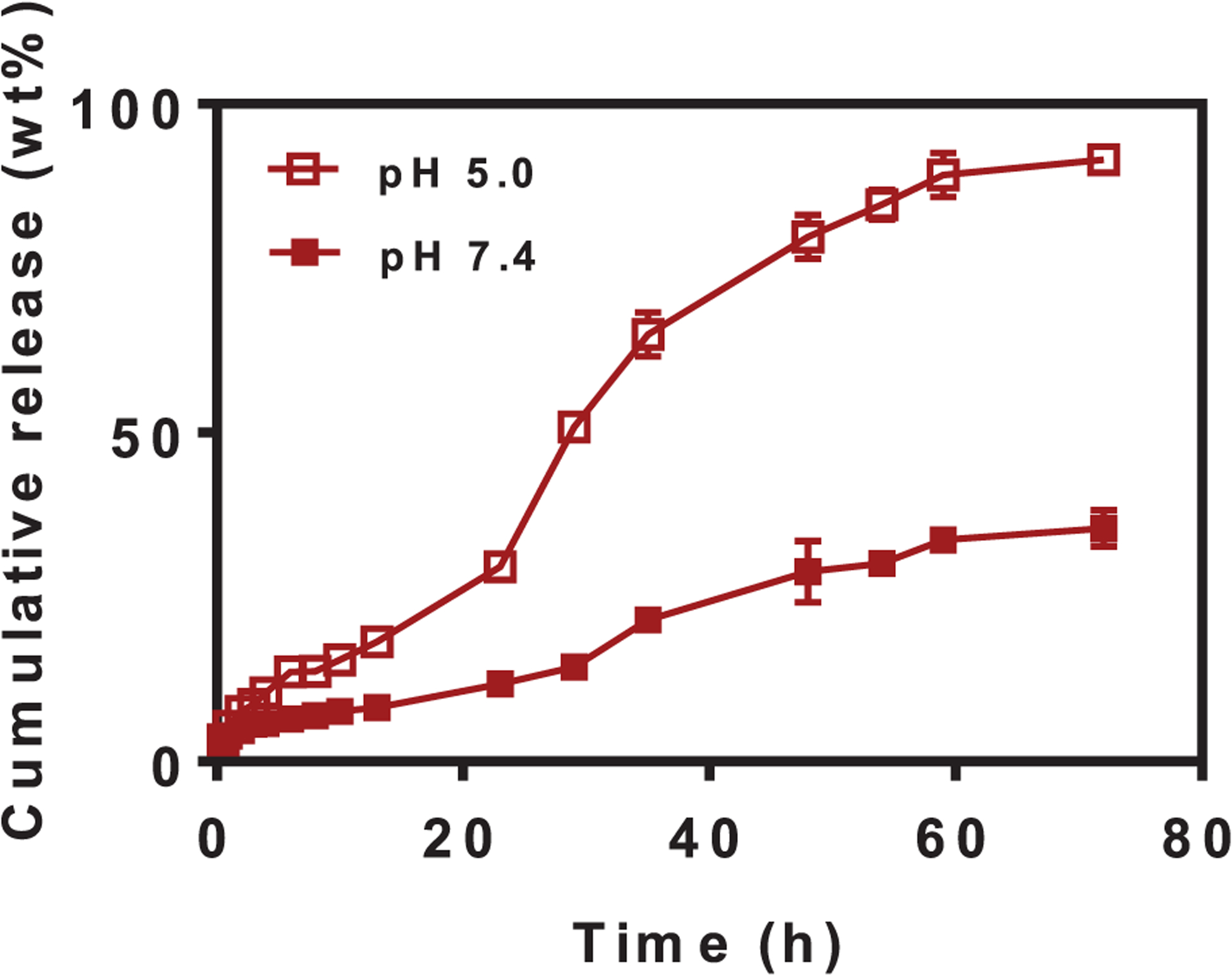
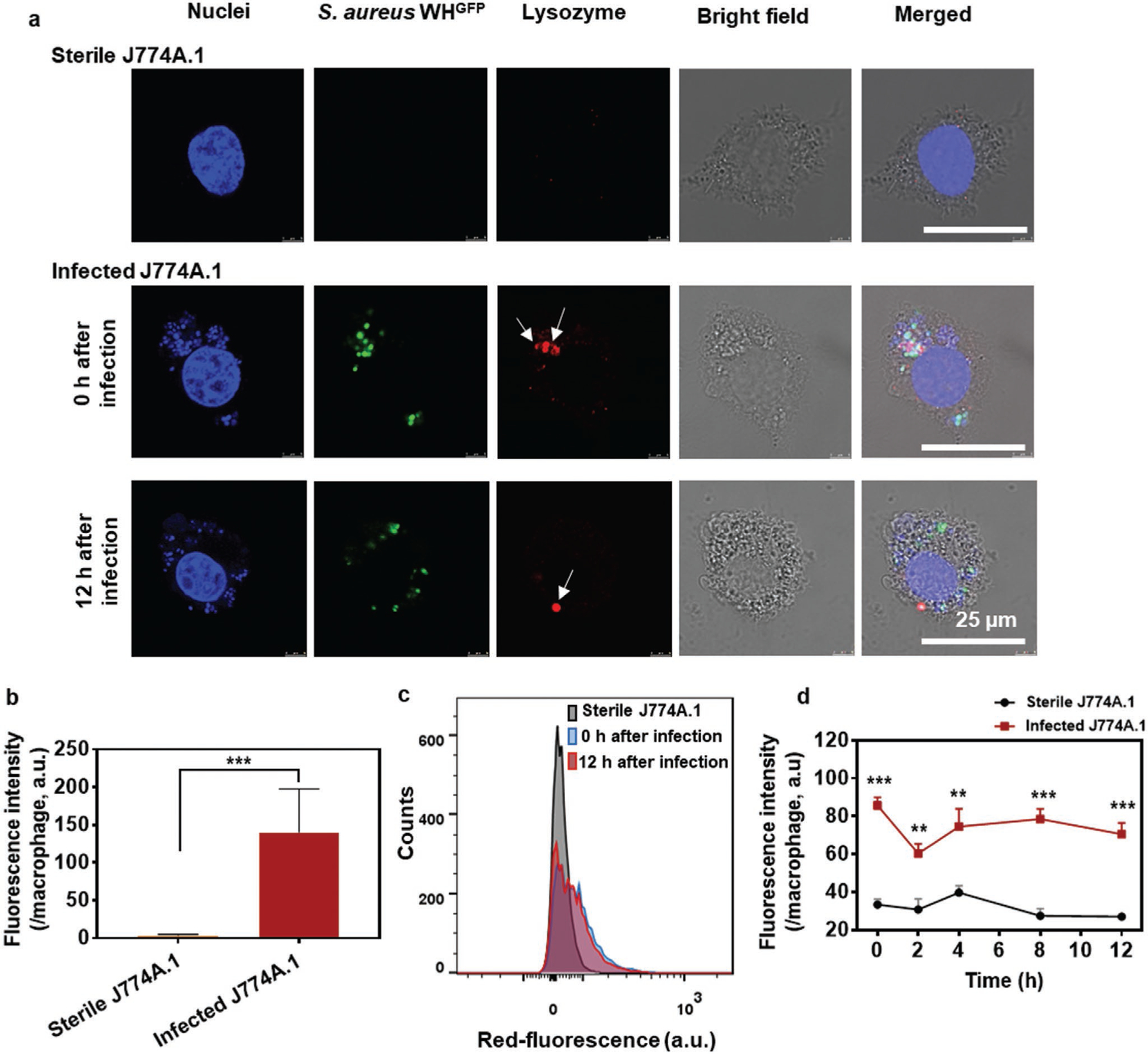
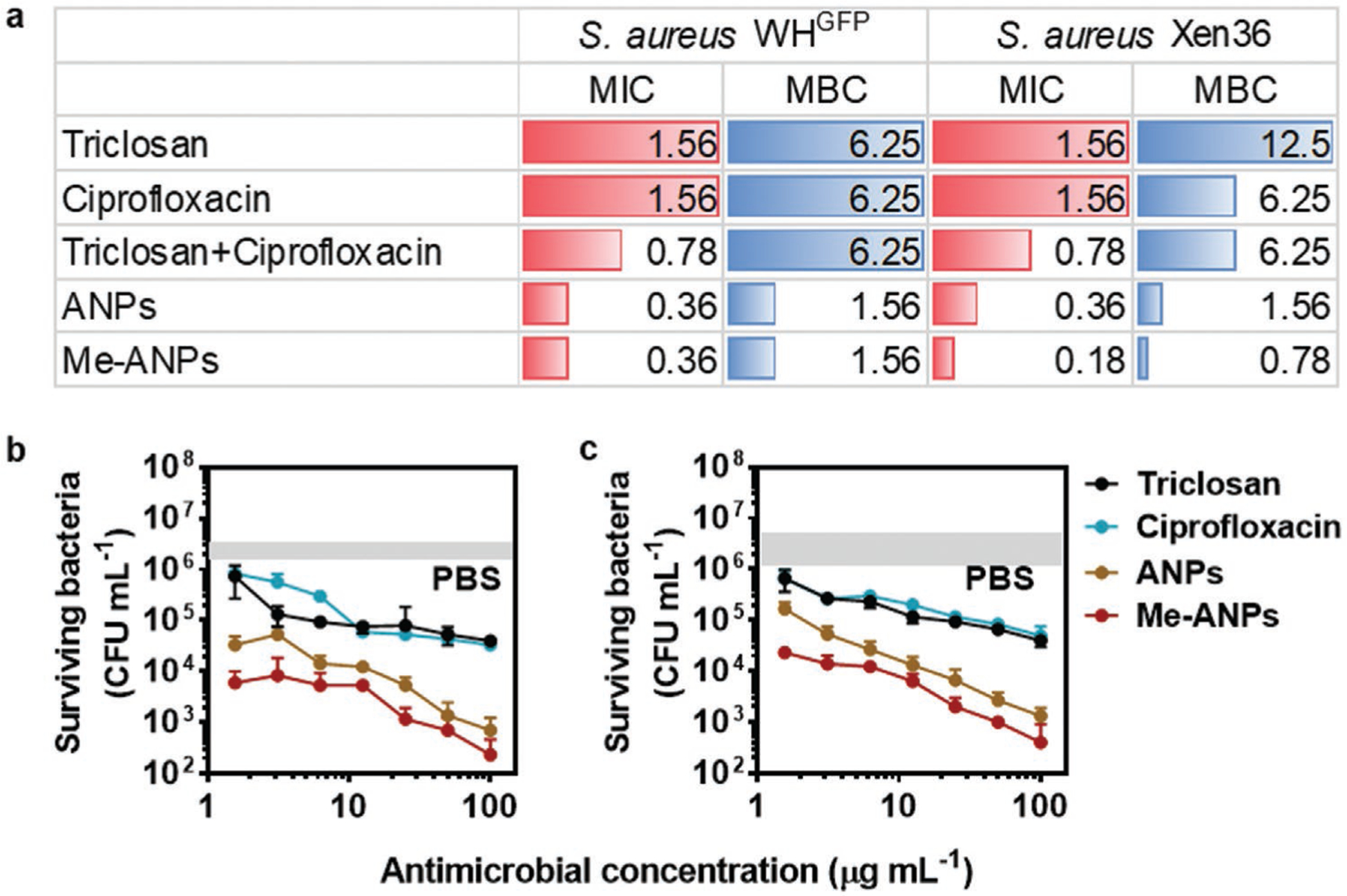
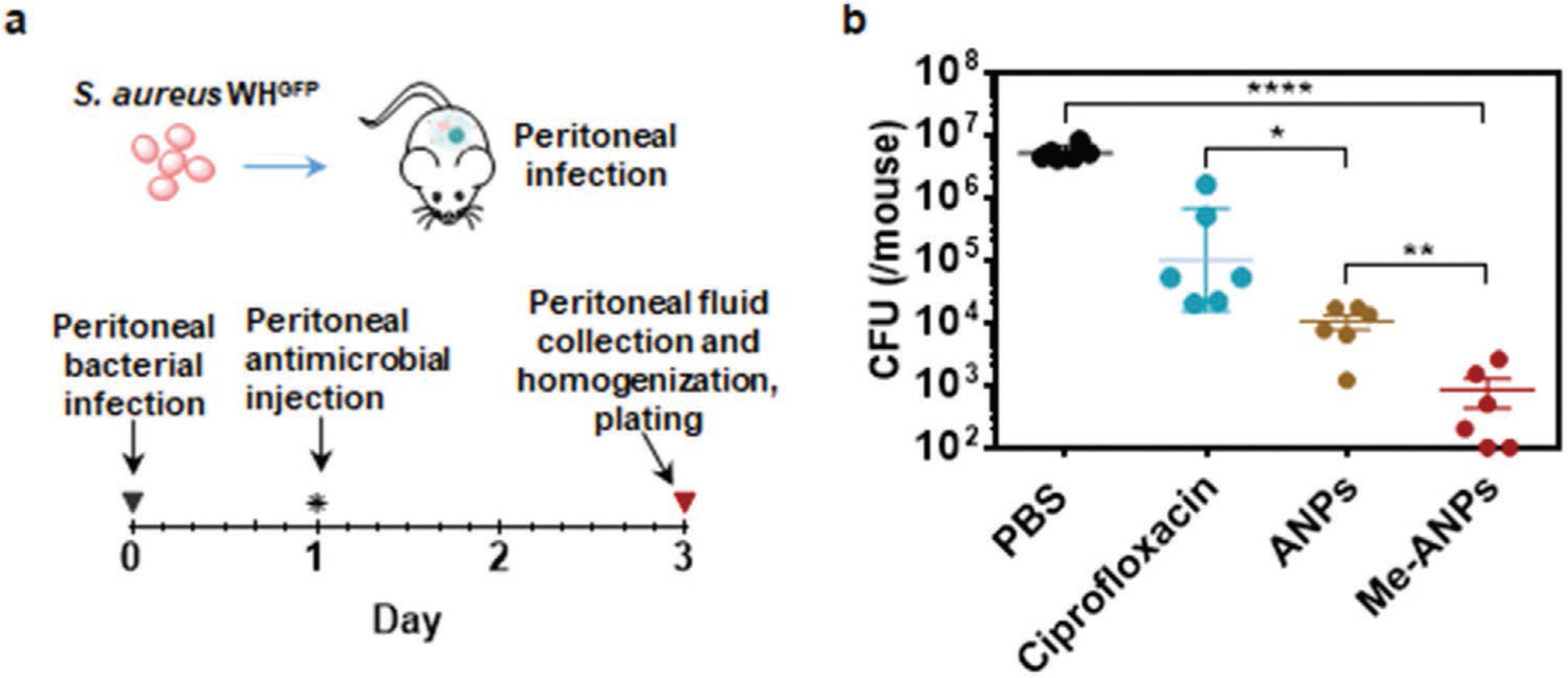
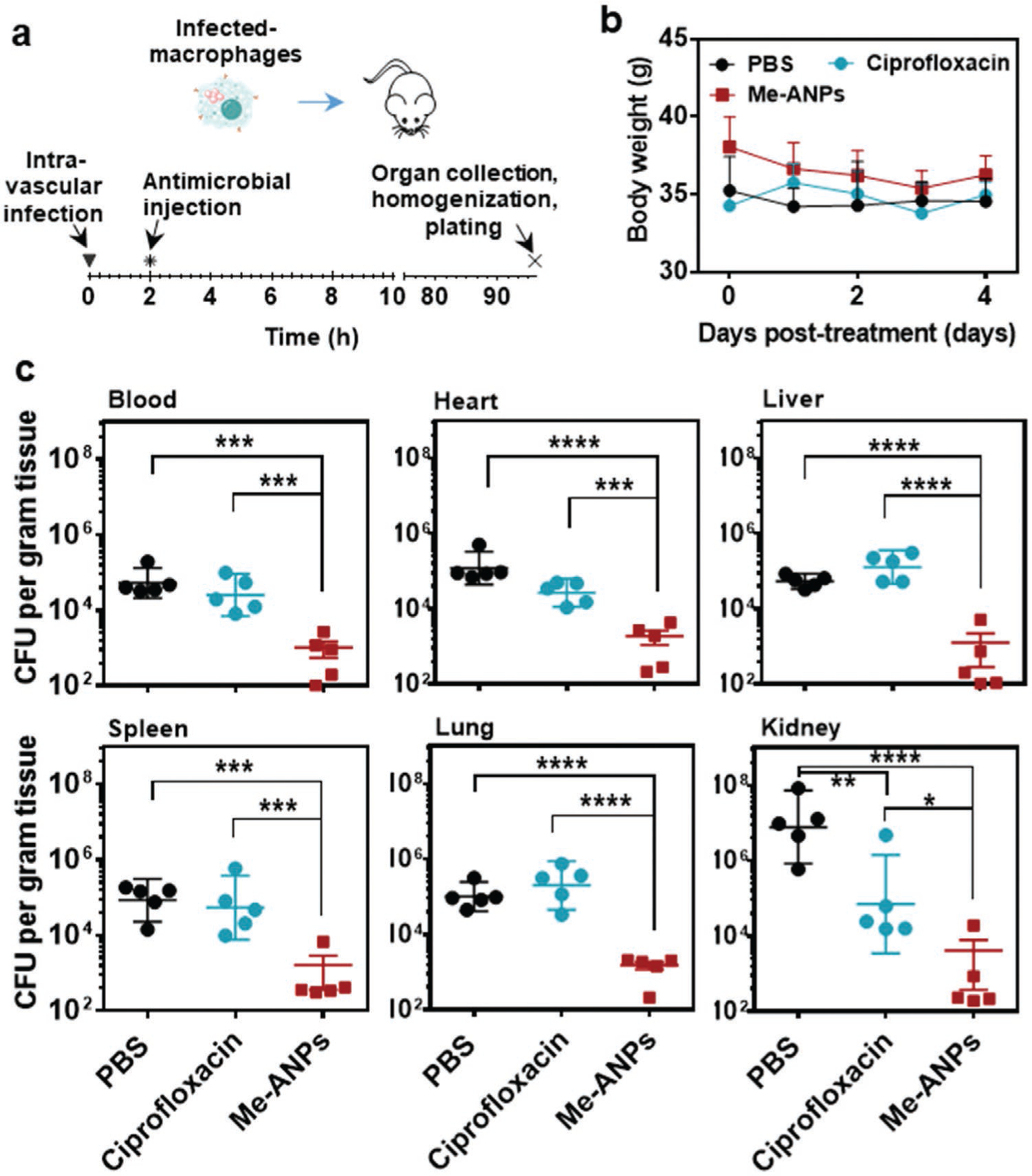
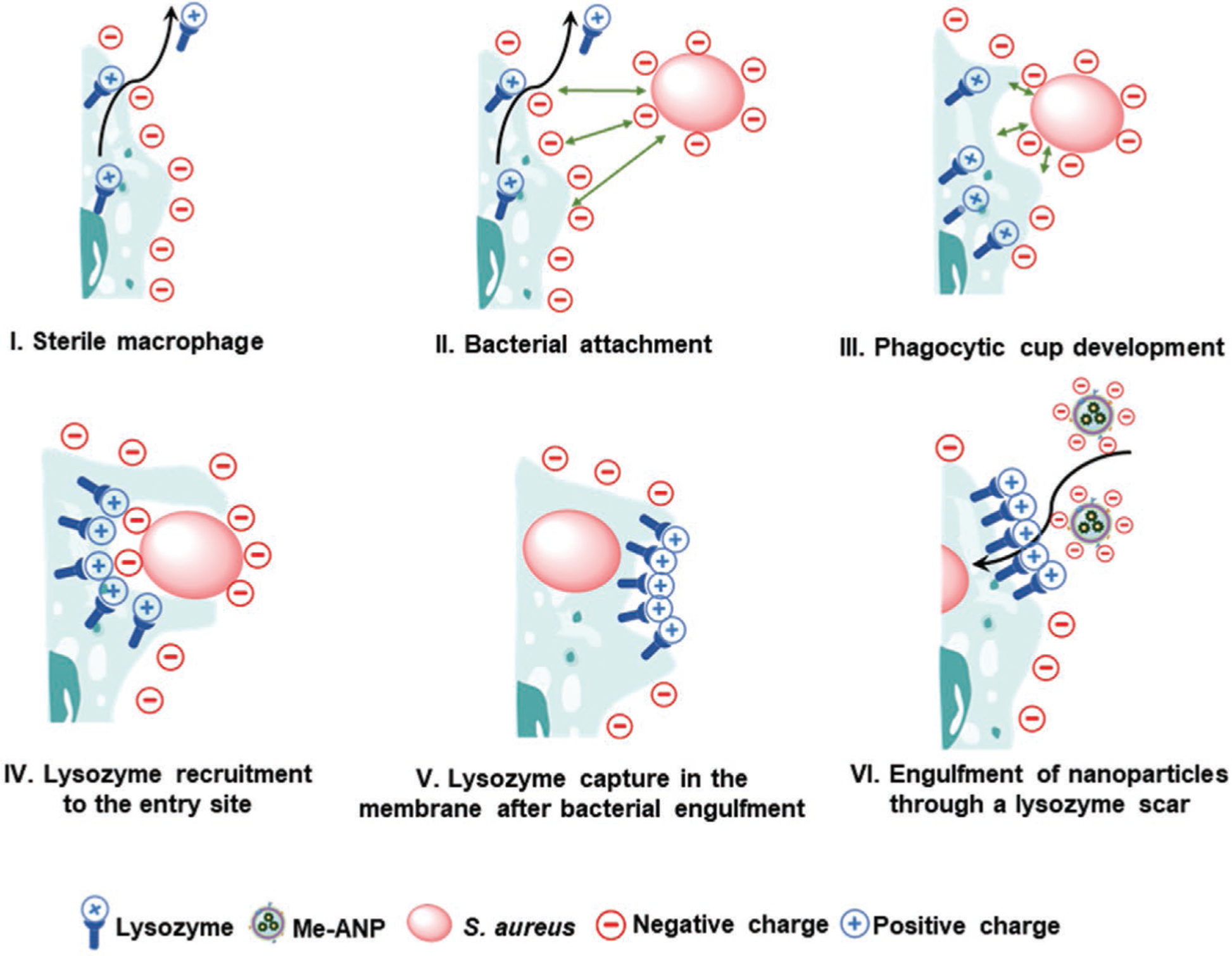
Internalization of by macrophages can inactivate bacterial killing mechanisms, allowing intracellular residence and dissemination of infection. Concurrently, these staphylococci can evade antibiotics that are frequently unable to pass mammalian cell membranes. A binary, amphiphilic conjugate composed of triclosan and ciprofloxacin is synthesized that self-assemble through micelle formation into antimicrobial nanoparticles (ANPs). These novel ANPs are stabilized through encapsulation in macrophage membranes, providing membrane-encapsulated, antimicrobial-conjugated NPs (Me-ANPs) with similar protein activity, Toll-like receptor expression and negative surface charge as their precursor murine macrophage/human monocyte cell lines. The combination of Toll-like receptors and negative surface charge allows uptake of Me-ANPs by infected macrophages/monocytes through positively charged, lysozyme-rich membrane scars created during staphylococcal engulfment. Me-ANPs are not engulfed by more negatively charged sterile cells possessing less lysozyme at their surface. The Me-ANPs kill staphylococci internalized in macrophages in vitro. Me-ANPs likewise kill staphylococci more effectively than ANPs without membrane-encapsulation or clinically used ciprofloxacin in a mouse peritoneal infection model. Similarly, organ infections in mice created by dissemination of infected macrophages through circulation in the blood are better eradicated by Me-ANPs than by ciprofloxacin. These unique antimicrobial properties of macrophage-monocyte Me-ANPs provide a promising direction for human clinical application to combat persistent infections.
巨噬细胞对[具体物质未给出]的内化作用可使细菌杀伤机制失活,从而使细菌能够在细胞内存留并传播感染。同时,这些葡萄球菌能够规避通常无法穿透哺乳动物细胞膜的抗生素。合成了一种由三氯生和环丙沙星组成的二元两亲性缀合物,该缀合物通过形成胶束自组装成抗菌纳米颗粒(ANPs)。这些新型ANPs通过包裹在巨噬细胞膜中而得以稳定,从而形成膜包裹的、抗菌缀合纳米颗粒(Me - ANPs),其具有与前体小鼠巨噬细胞/人类单核细胞系相似的蛋白质活性、Toll样受体表达和负表面电荷。Toll样受体和负表面电荷的结合使得Me - ANPs能够通过葡萄球菌吞噬过程中产生的带正电荷、富含溶菌酶的膜瘢痕被感染的巨噬细胞/单核细胞摄取。Me - ANPs不会被表面溶菌酶较少、带更多负电荷的无菌细胞吞噬。Me - ANPs在体外可杀死巨噬细胞内内化的葡萄球菌。在小鼠腹腔感染模型中,Me - ANPs同样比未进行膜包裹的ANPs或临床使用的环丙沙星更有效地杀死葡萄球菌。类似地,在小鼠中,通过血液中循环的感染巨噬细胞传播所引发的器官感染,用Me - ANPs比用环丙沙星能得到更好的根除。巨噬细胞 - 单核细胞Me - ANPs的这些独特抗菌特性为人类临床应用对抗持续性感染提供了一个有前景的方向。