Departament d'Enginyeria Informàtica i Matemàtiques, Universitat Rovira i Virgili, Tarragona 43007, Spain.
Department of Condensed Matter Physics, University of Zaragoza, Zaragoza E-50009, Spain.
Philos Trans A Math Phys Eng Sci. 2022 Jan 10;380(2214):20210119. doi: 10.1098/rsta.2021.0119. Epub 2021 Nov 22.
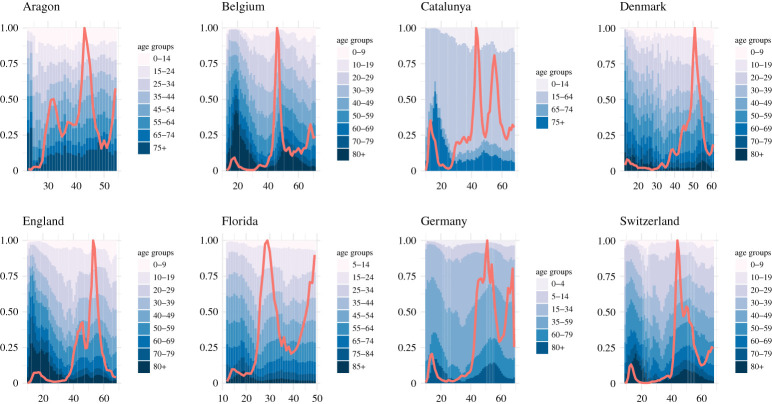
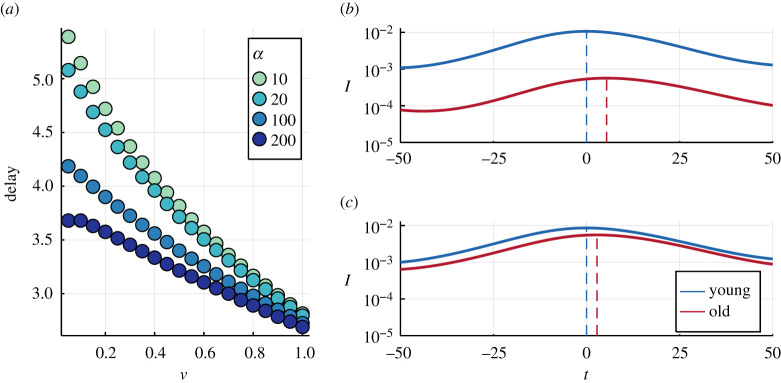
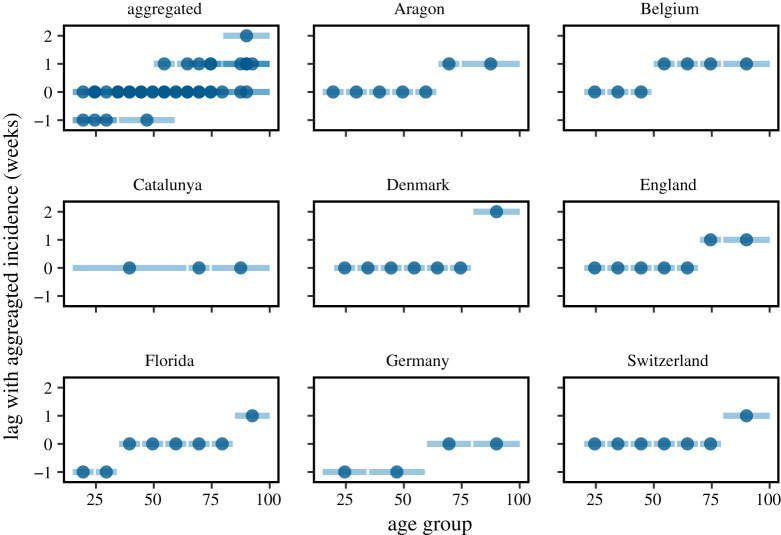
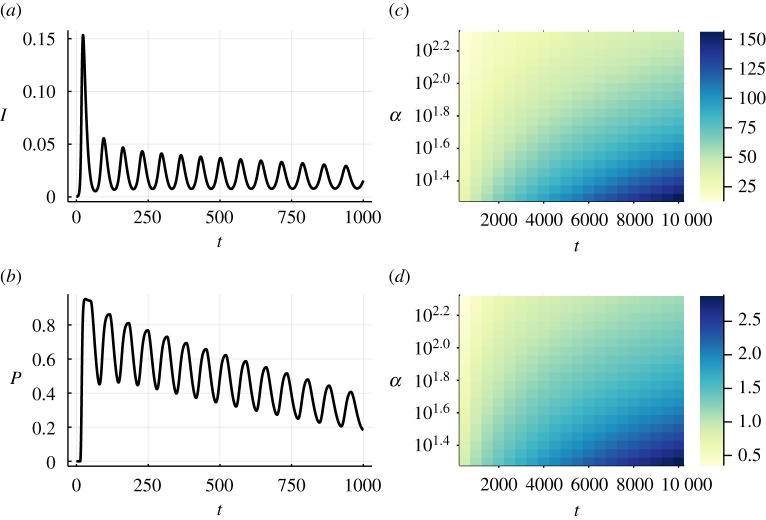
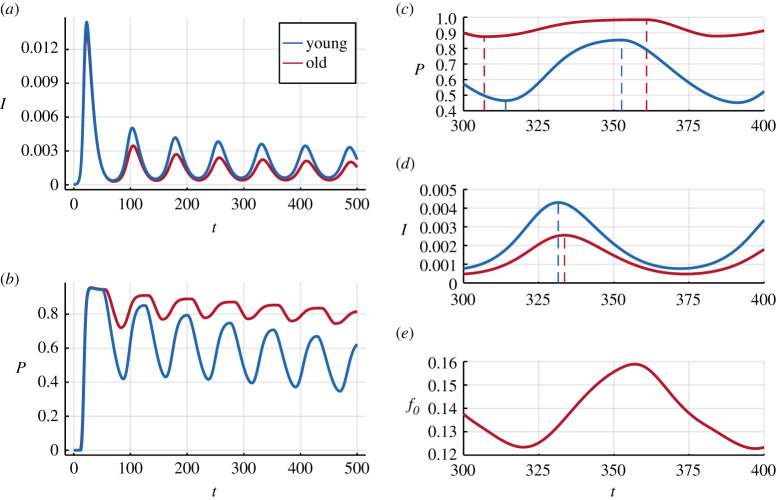
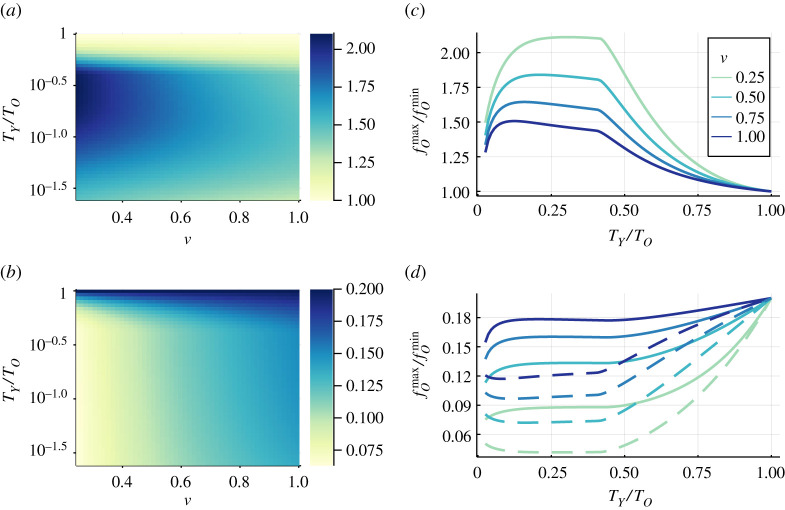
Together with seasonal effects inducing outdoor or indoor activities, the gradual easing of prophylaxis caused second and third waves of SARS-CoV-2 to emerge in various countries. Interestingly, data indicate that the proportion of infections belonging to the elderly is particularly small during periods of low prevalence and continuously increases as case numbers increase. This effect leads to additional stress on the health care system during periods of high prevalence. Furthermore, infections peak with a slight delay of about a week among the elderly compared to the younger age groups. Here, we provide a mechanistic explanation for this phenomenology attributable to a heterogeneous prophylaxis induced by the age-specific severity of the disease. We model the dynamical adoption of prophylaxis through a two-strategy game and couple it with an SIR spreading model. Our results also indicate that the mixing of contacts among the age groups strongly determines the delay between their peaks in prevalence and the temporal variation in the distribution of cases. This article is part of the theme issue 'Data science approaches to infectious disease surveillance'.
伴随着季节性因素诱导的户外活动或室内活动,预防措施的逐渐放宽导致第二波和第三波 SARS-CoV-2 在各国出现。有趣的是,数据表明,在低流行率期间,属于老年人的感染比例特别小,并且随着病例数的增加而持续增加。这种效应导致在高流行率期间医疗保健系统承受额外的压力。此外,与年轻年龄组相比,老年人的感染峰值出现轻微延迟,大约为一周。在这里,我们提供了一种机制解释,这归因于疾病严重程度的年龄特异性引起的异质预防。我们通过双策略博弈来模拟预防措施的动态采用,并将其与 SIR 传播模型相结合。我们的结果还表明,年龄组之间的接触混合强烈决定了它们的流行高峰之间的延迟以及病例分布的时间变化。本文是主题为“传染病监测的数据科学方法”的一部分。