Department of Neurology and Neurological Sciences, Stanford University School of Medicine, Stanford, CA, USA.
Glenn Center for the Biology of Aging, Stanford University School of Medicine, Stanford, CA, USA.
Nature. 2021 Dec;600(7889):494-499. doi: 10.1038/s41586-021-04183-x. Epub 2021 Dec 8.
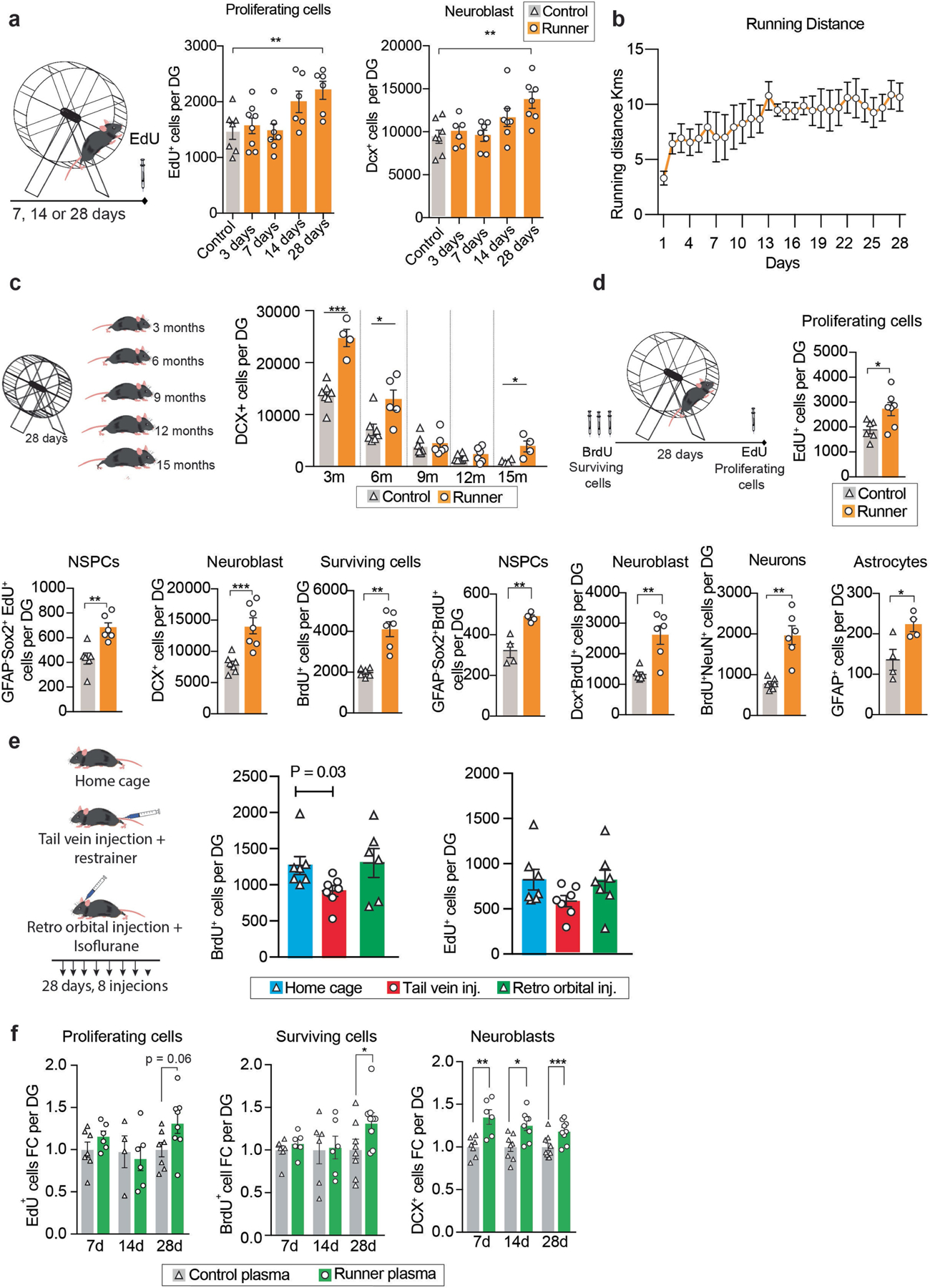
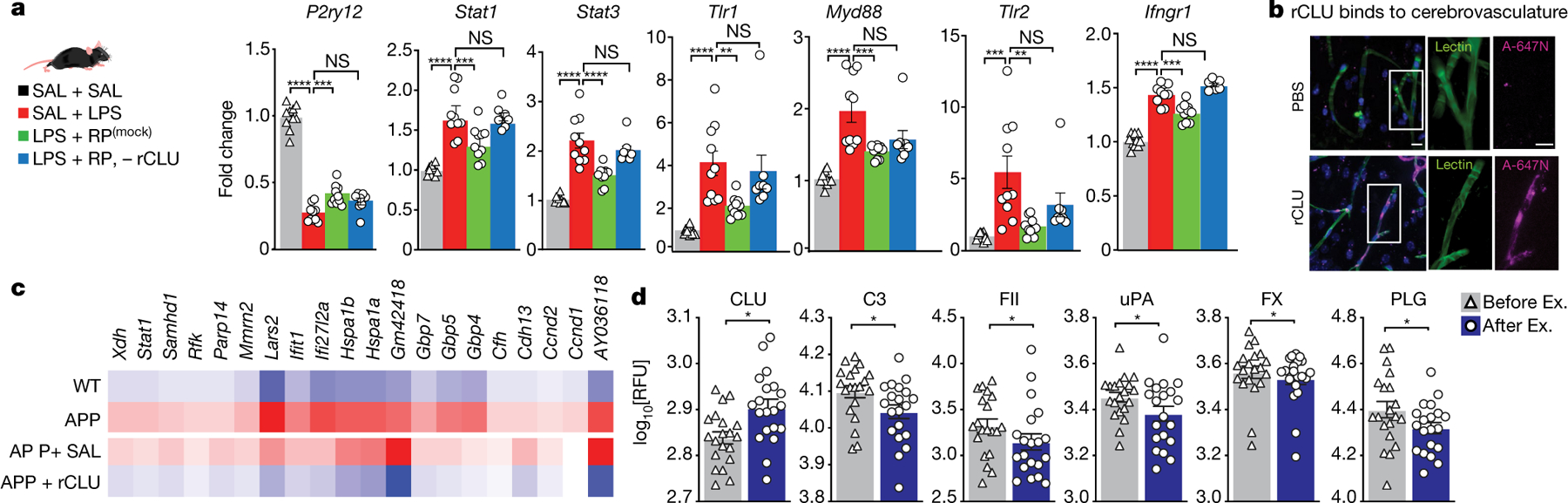
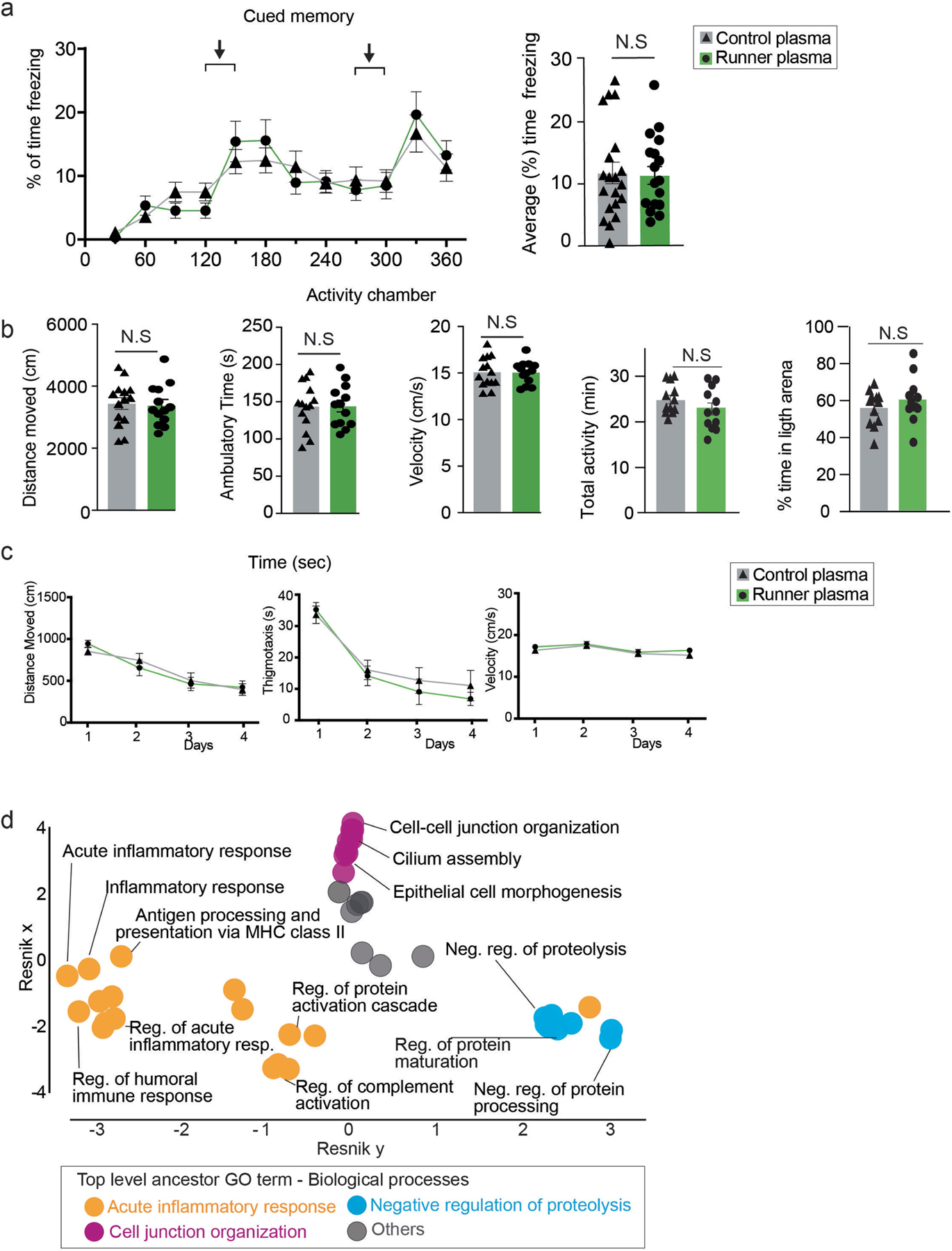
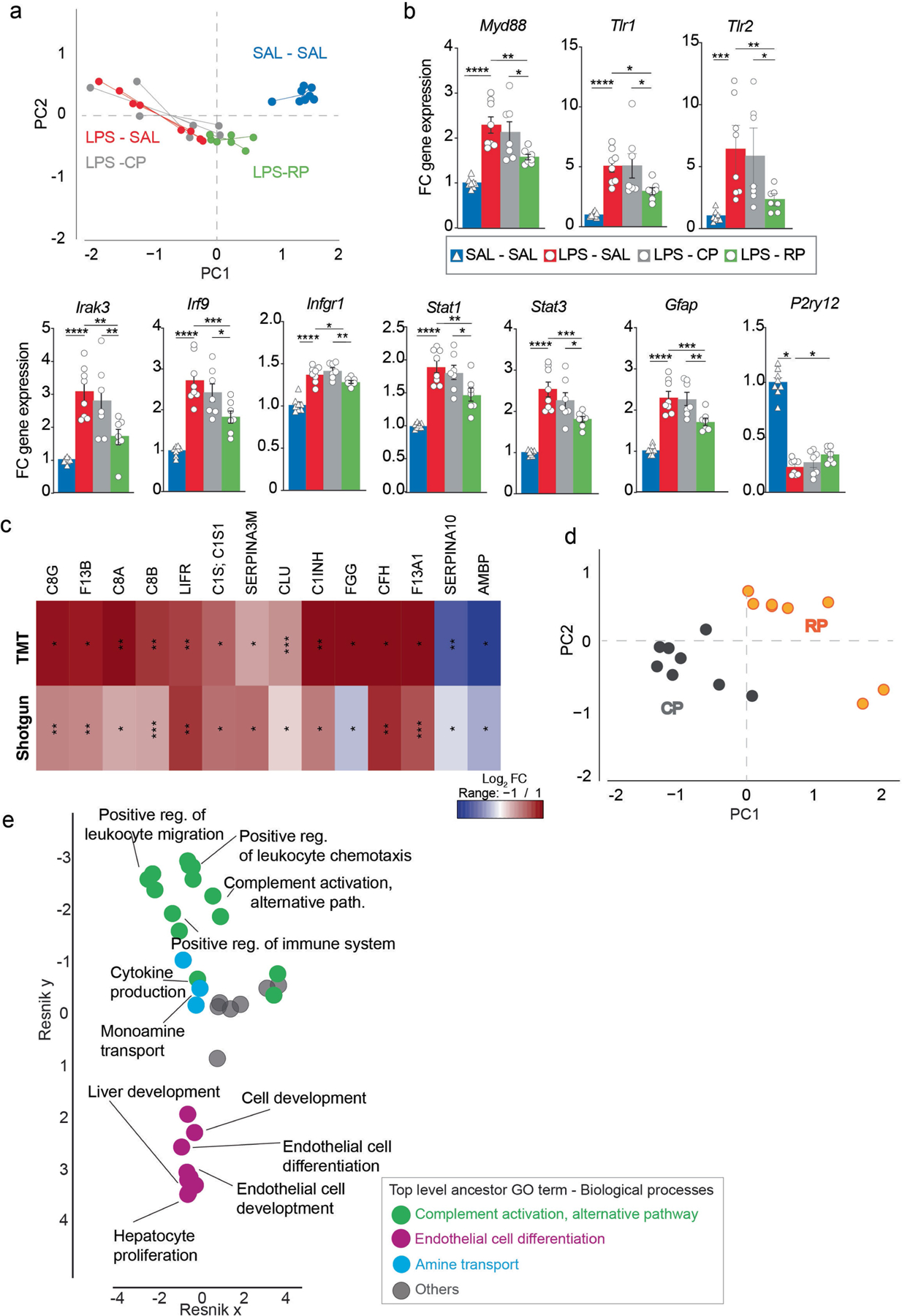
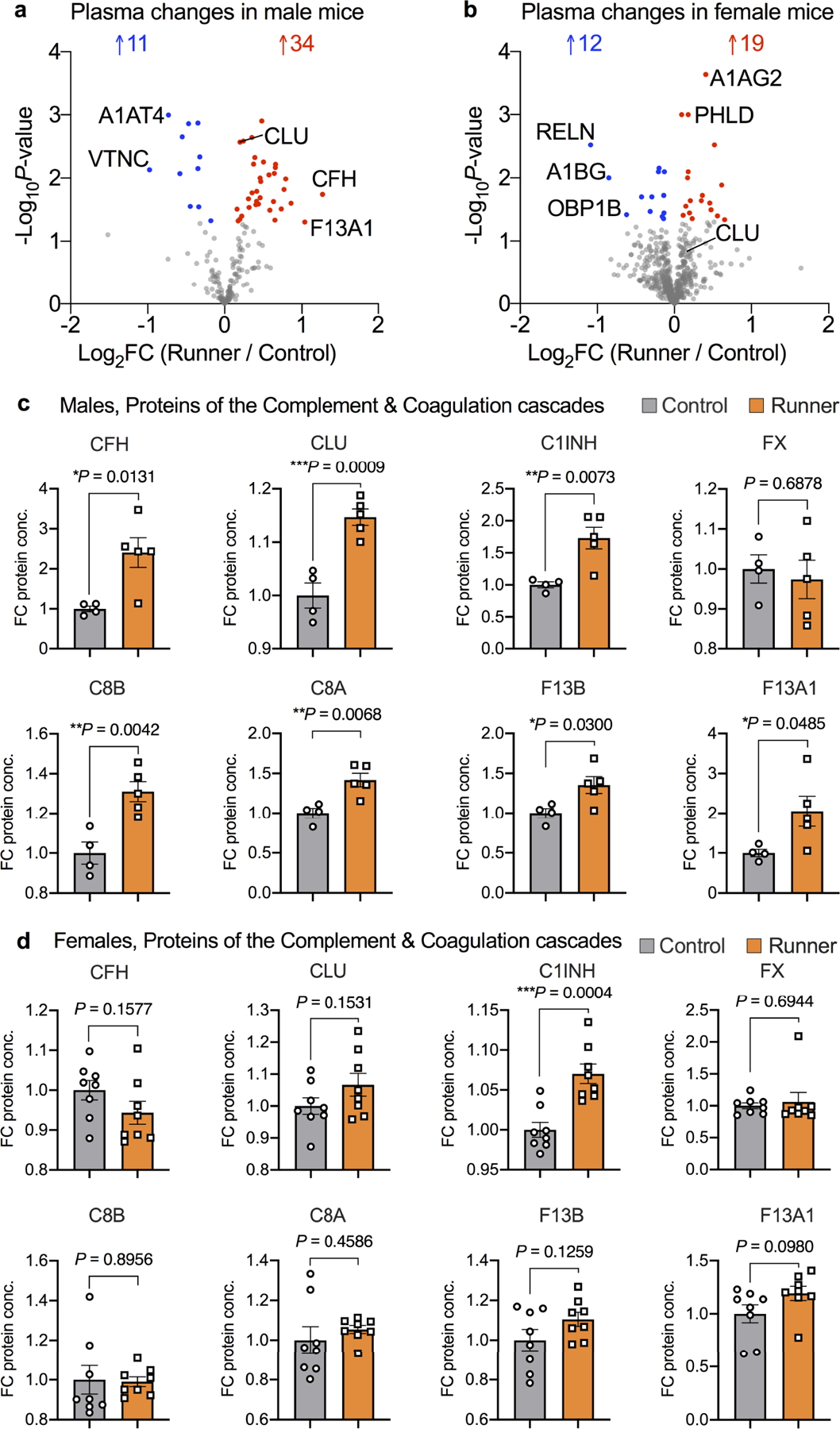
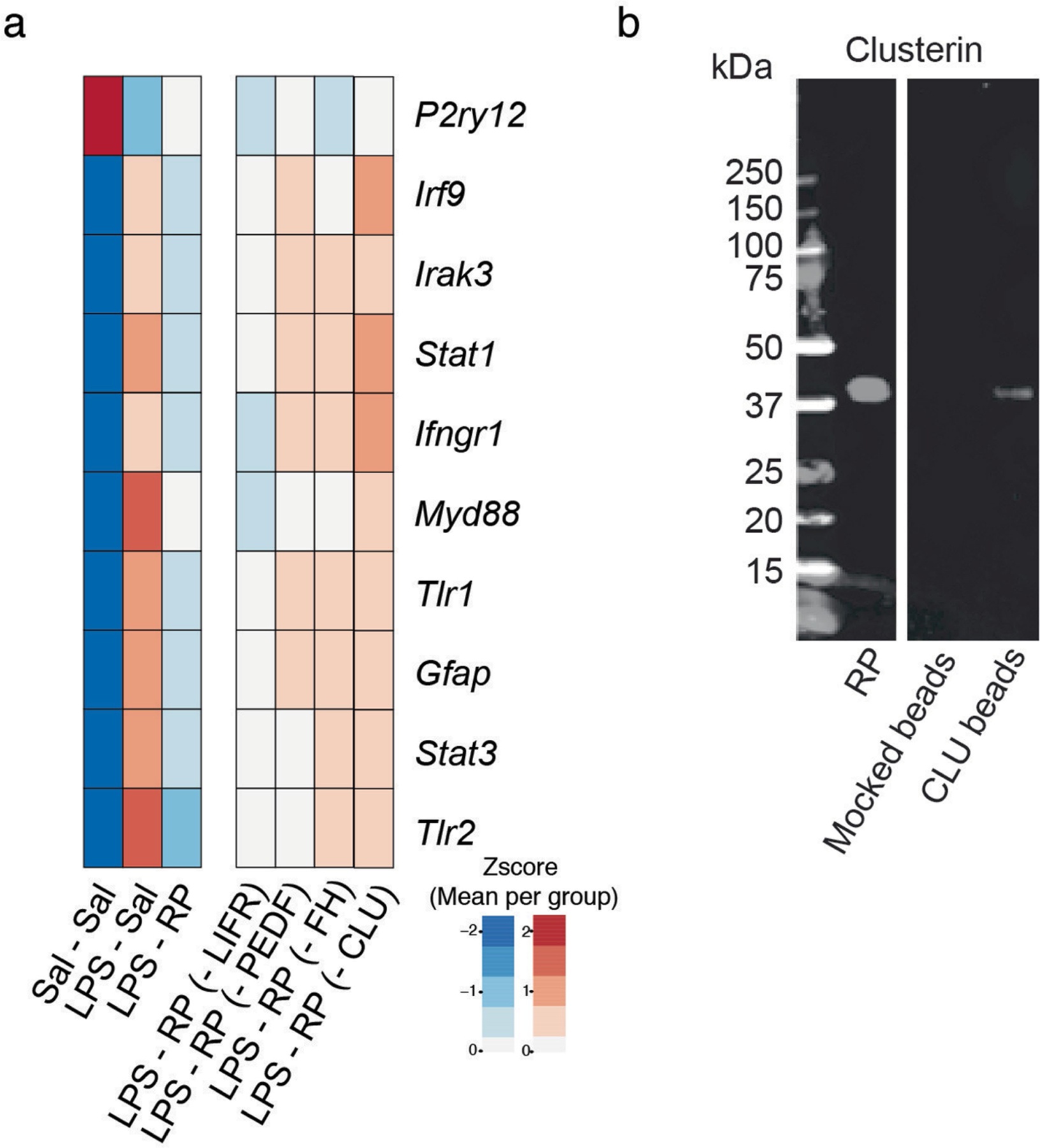
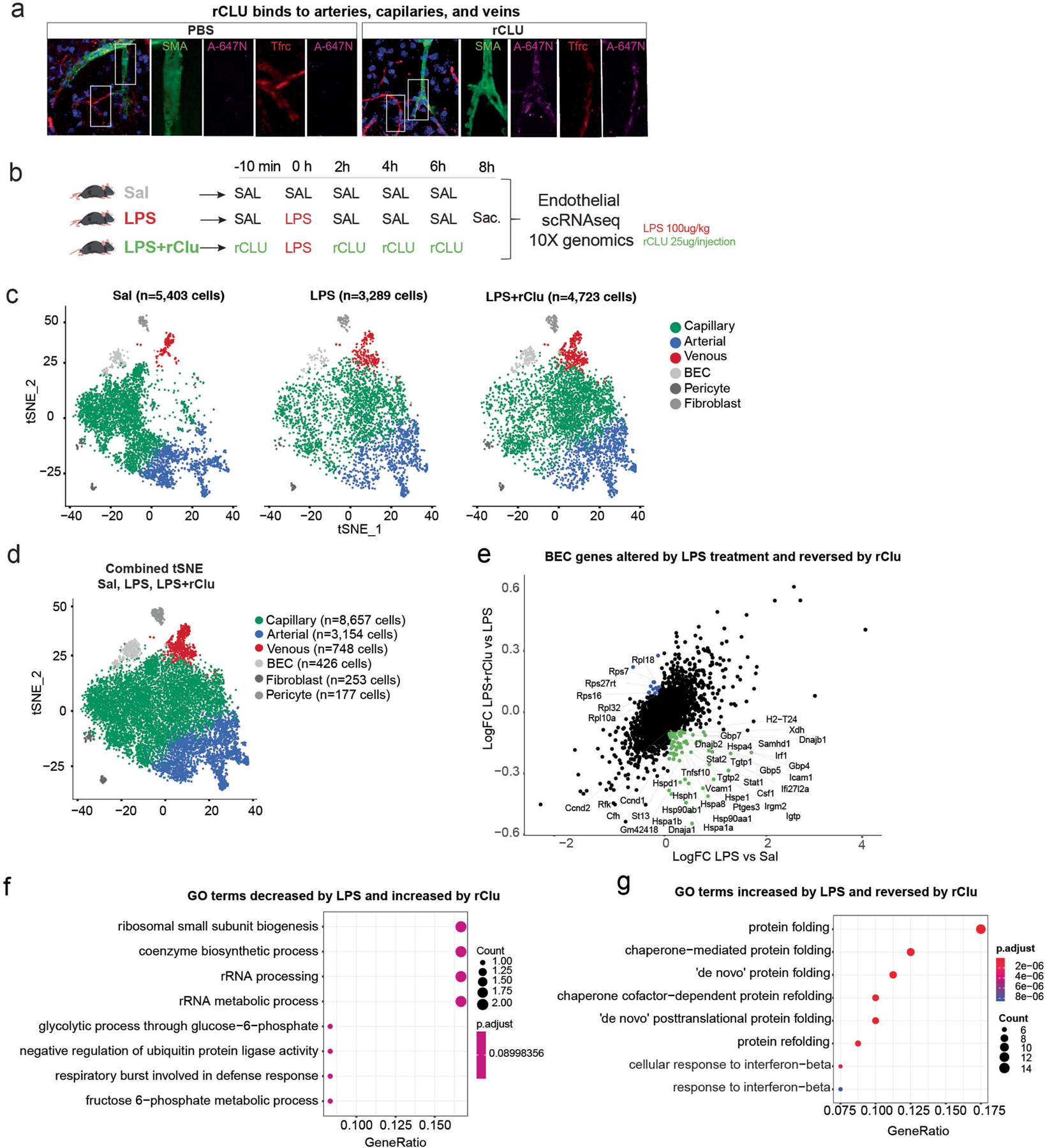
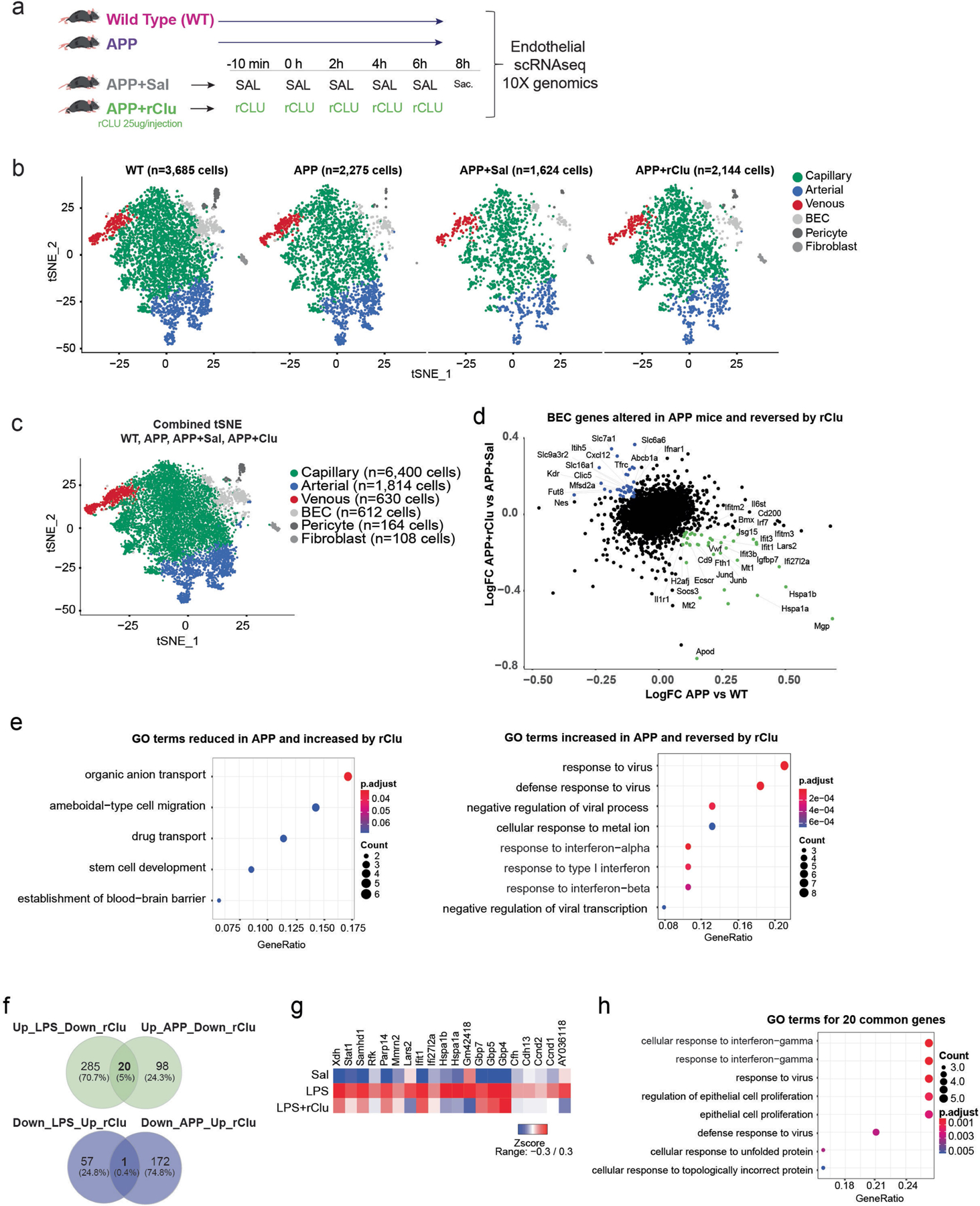
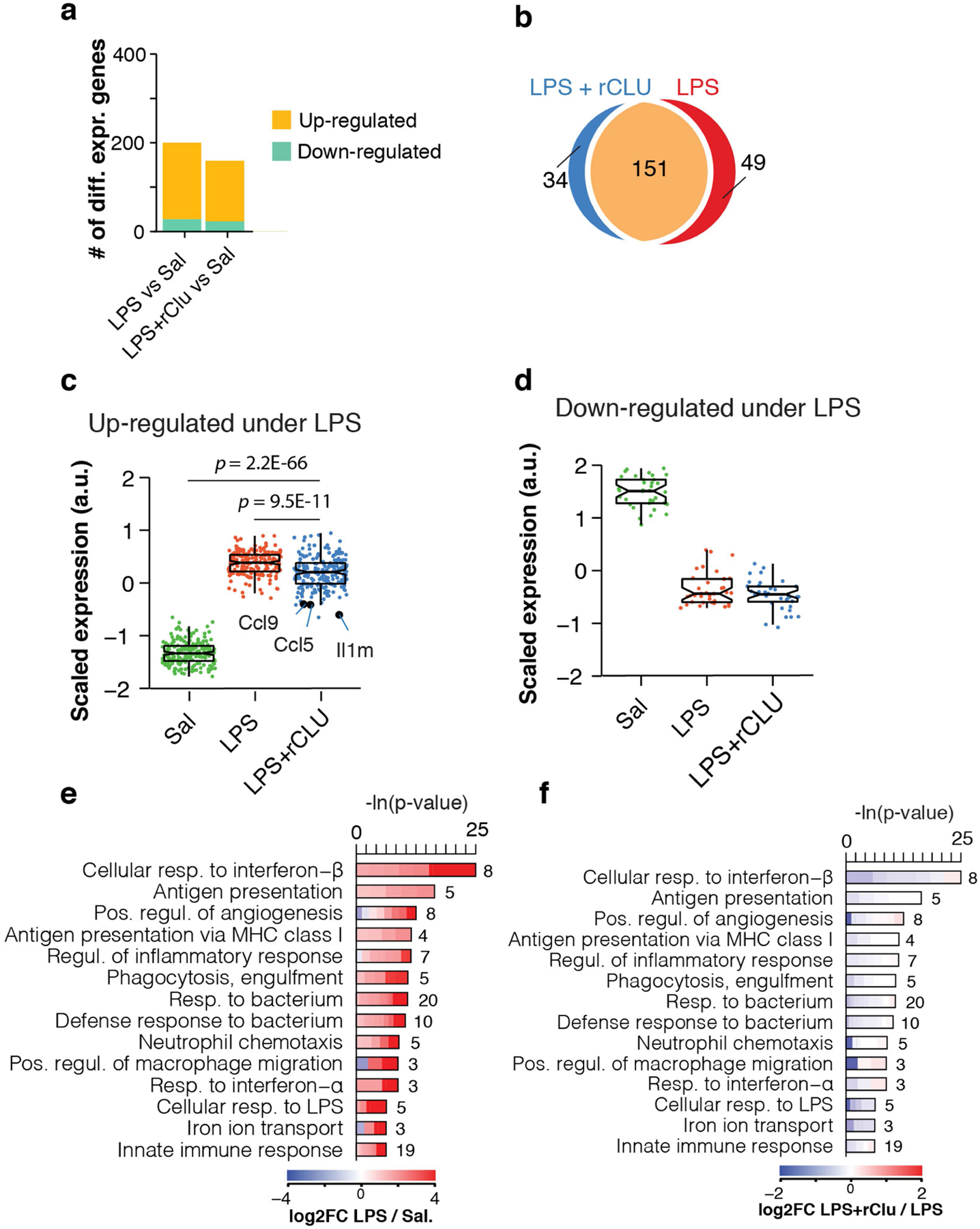
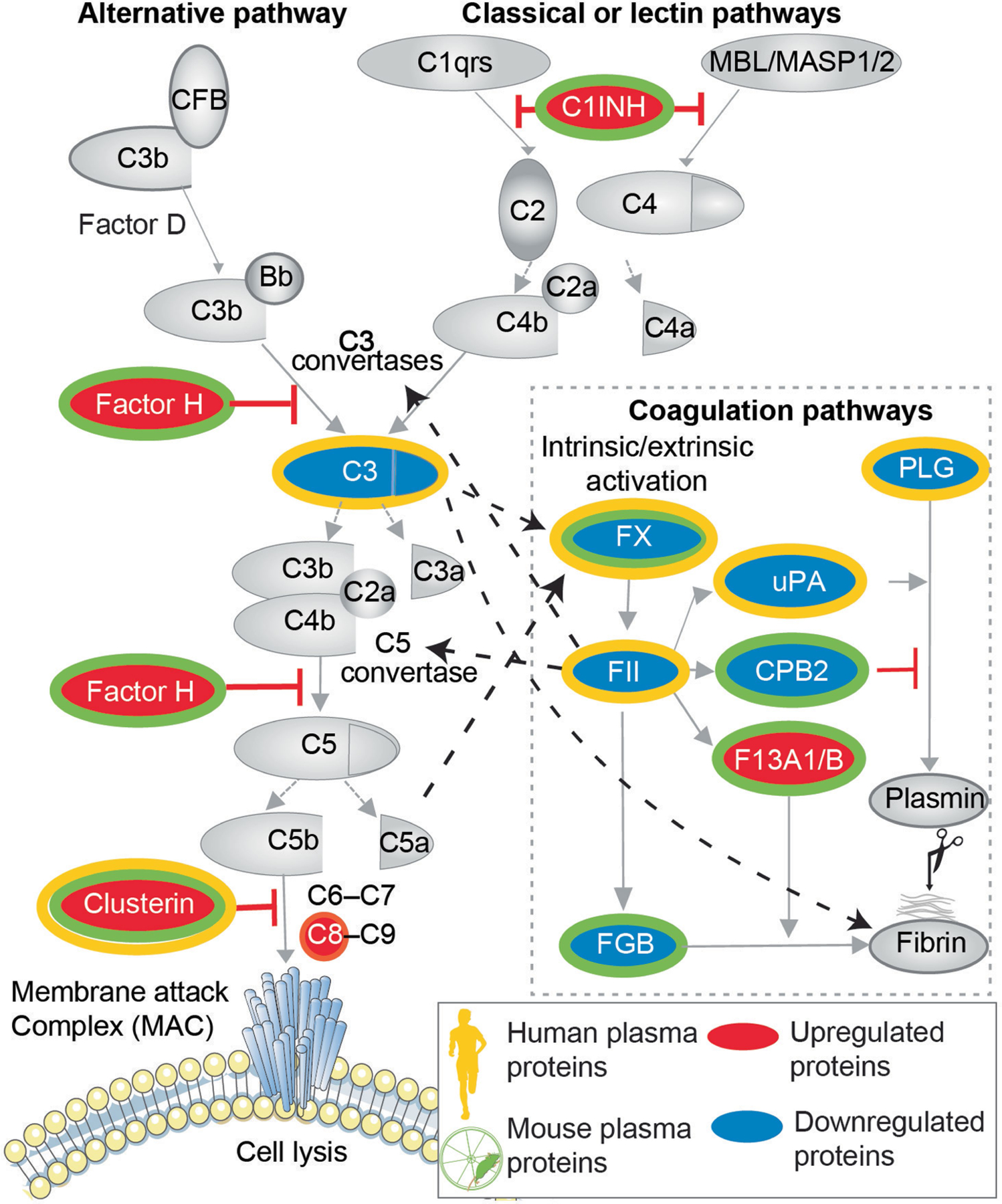
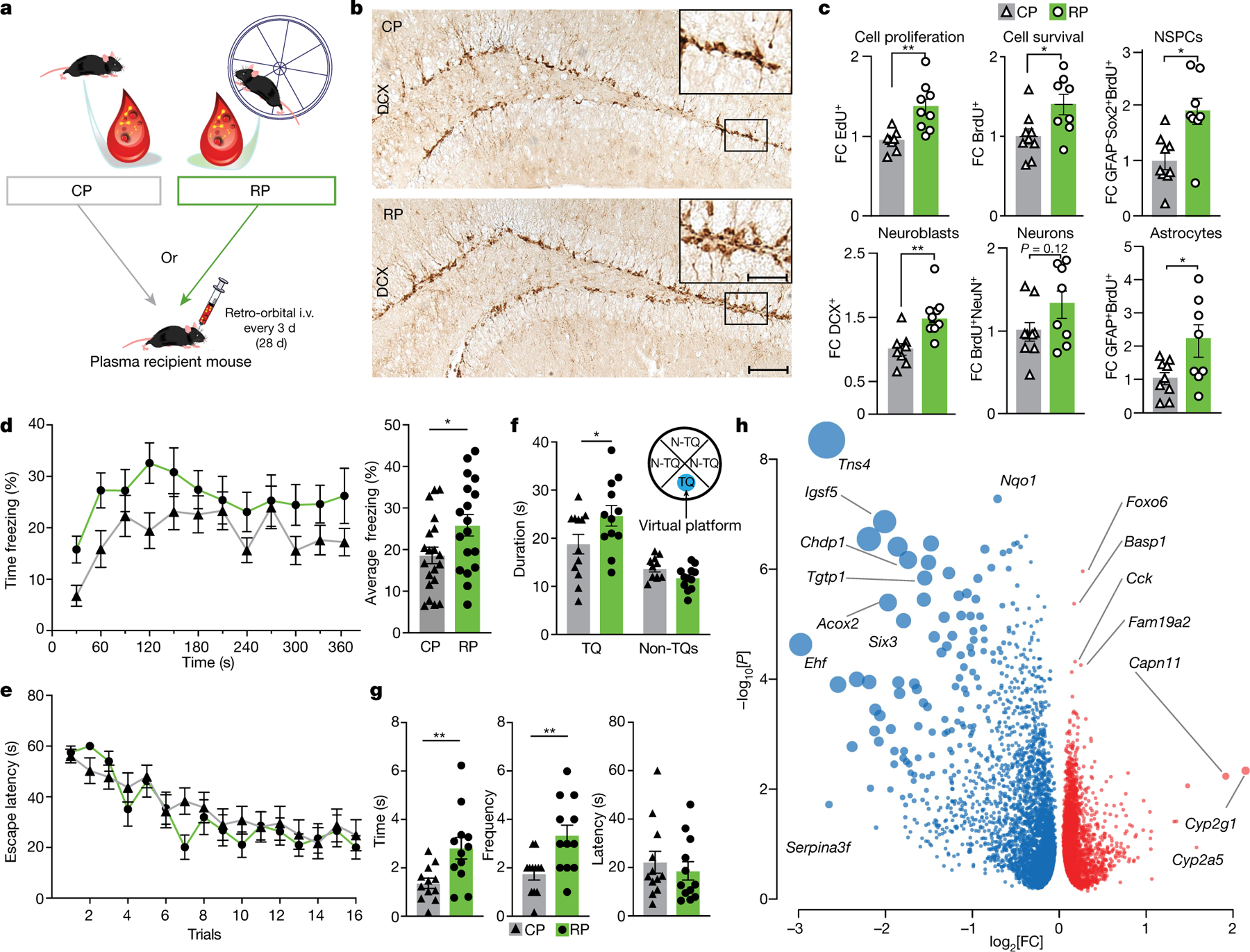
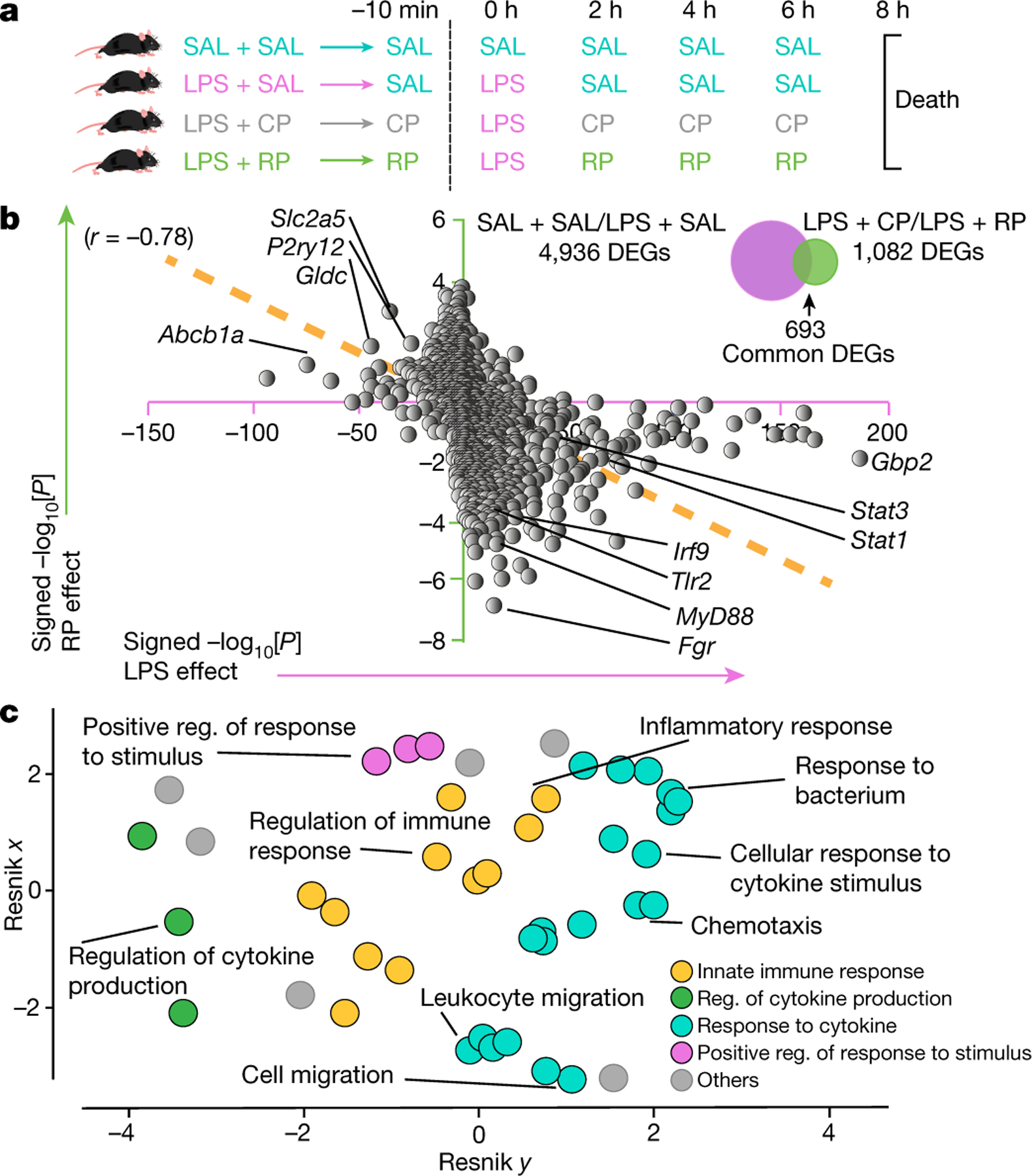
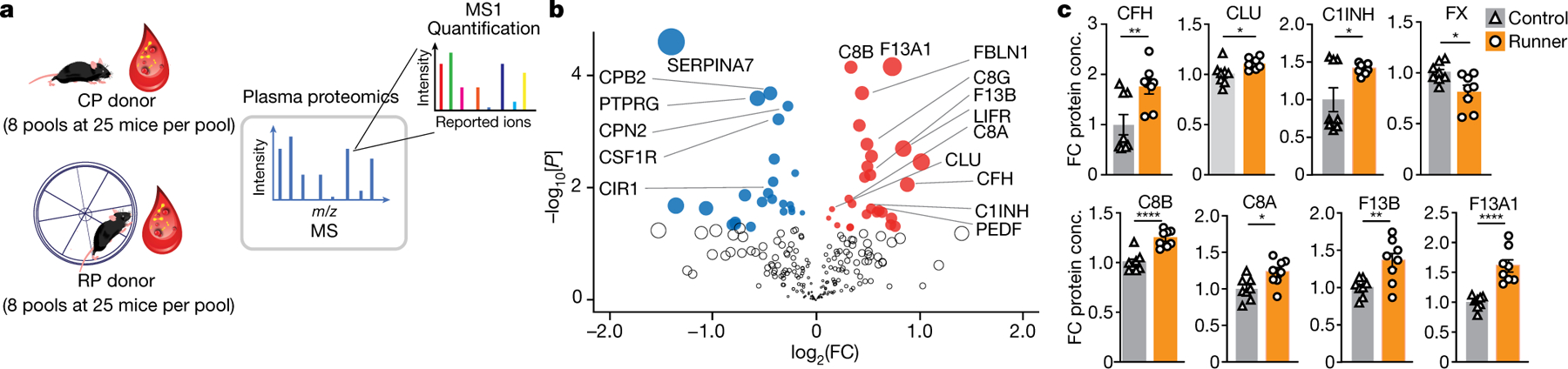
Physical exercise is generally beneficial to all aspects of human and animal health, slowing cognitive ageing and neurodegeneration. The cognitive benefits of physical exercise are tied to an increased plasticity and reduced inflammation within the hippocampus, yet little is known about the factors and mechanisms that mediate these effects. Here we show that 'runner plasma', collected from voluntarily running mice and infused into sedentary mice, reduces baseline neuroinflammatory gene expression and experimentally induced brain inflammation. Plasma proteomic analysis revealed a concerted increase in complement cascade inhibitors including clusterin (CLU). Intravenously injected CLU binds to brain endothelial cells and reduces neuroinflammatory gene expression in a mouse model of acute brain inflammation and a mouse model of Alzheimer's disease. Patients with cognitive impairment who participated in structured exercise for 6 months had higher plasma levels of CLU. These findings demonstrate the existence of anti-inflammatory exercise factors that are transferrable, target the cerebrovasculature and benefit the brain, and are present in humans who engage in exercise.
体育锻炼通常有益于人类和动物健康的各个方面,能减缓认知衰老和神经退行性变。体育锻炼对认知的益处与海马体的可塑性增加和炎症减少有关,但对于介导这些效应的因素和机制知之甚少。在这里,我们发现,从自愿跑步的小鼠中收集的“跑步者血浆”并注入到久坐不动的小鼠中,可降低基础神经炎症基因表达和实验诱导的大脑炎症。血浆蛋白质组分析显示补体级联抑制剂(包括神经胶质纤维酸性蛋白,CLU)的协同增加。静脉内注射的 CLU 与脑内皮细胞结合,并降低急性脑炎症和阿尔茨海默病小鼠模型中的神经炎症基因表达。参加 6 个月结构化运动的认知障碍患者的 CLU 血浆水平较高。这些发现表明存在可转移、针对脑血管系统并有益于大脑的抗炎运动因子,且在进行运动的人类中存在。