Ahsan Md Manjurul, Ahad Md Tanvir, Soma Farzana Akter, Paul Shuva, Chowdhury Ananna, Luna Shahana Akter, Yazdan Munshi Md Shafwat, Rahman Akhlaqur, Siddique Zahed, Huebner Pedro
School of Industrial and Systems EngineeringThe University of Oklahoma Norman OK 73019 USA.
School of Aerospace and Mechanical EngineeringThe University of Oklahoma Norman OK 73019 USA.
IEEE Access. 2021 Feb 23;9:35501-35513. doi: 10.1109/ACCESS.2021.3061621. eCollection 2021.
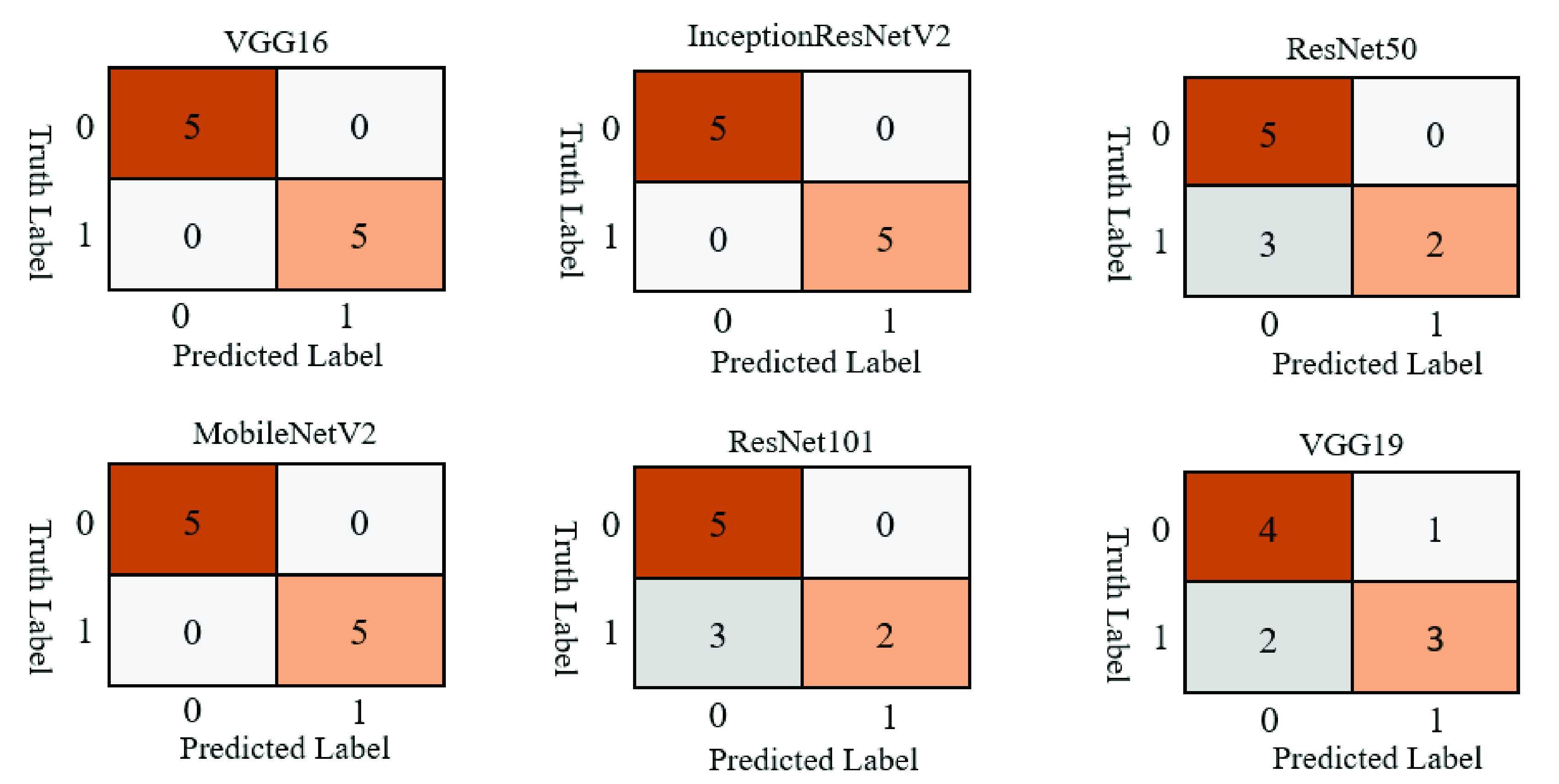
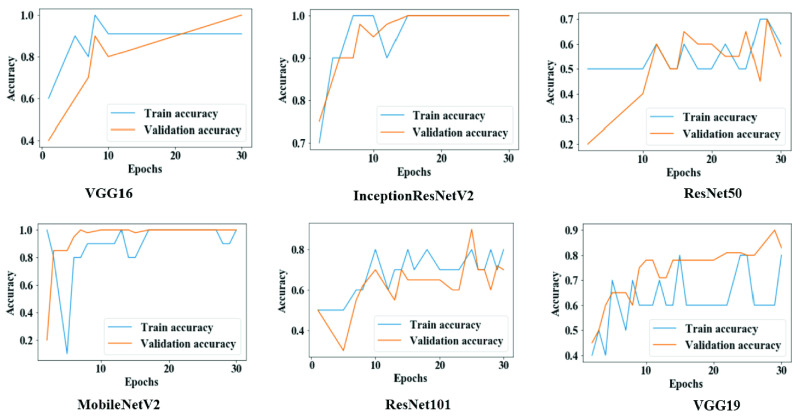
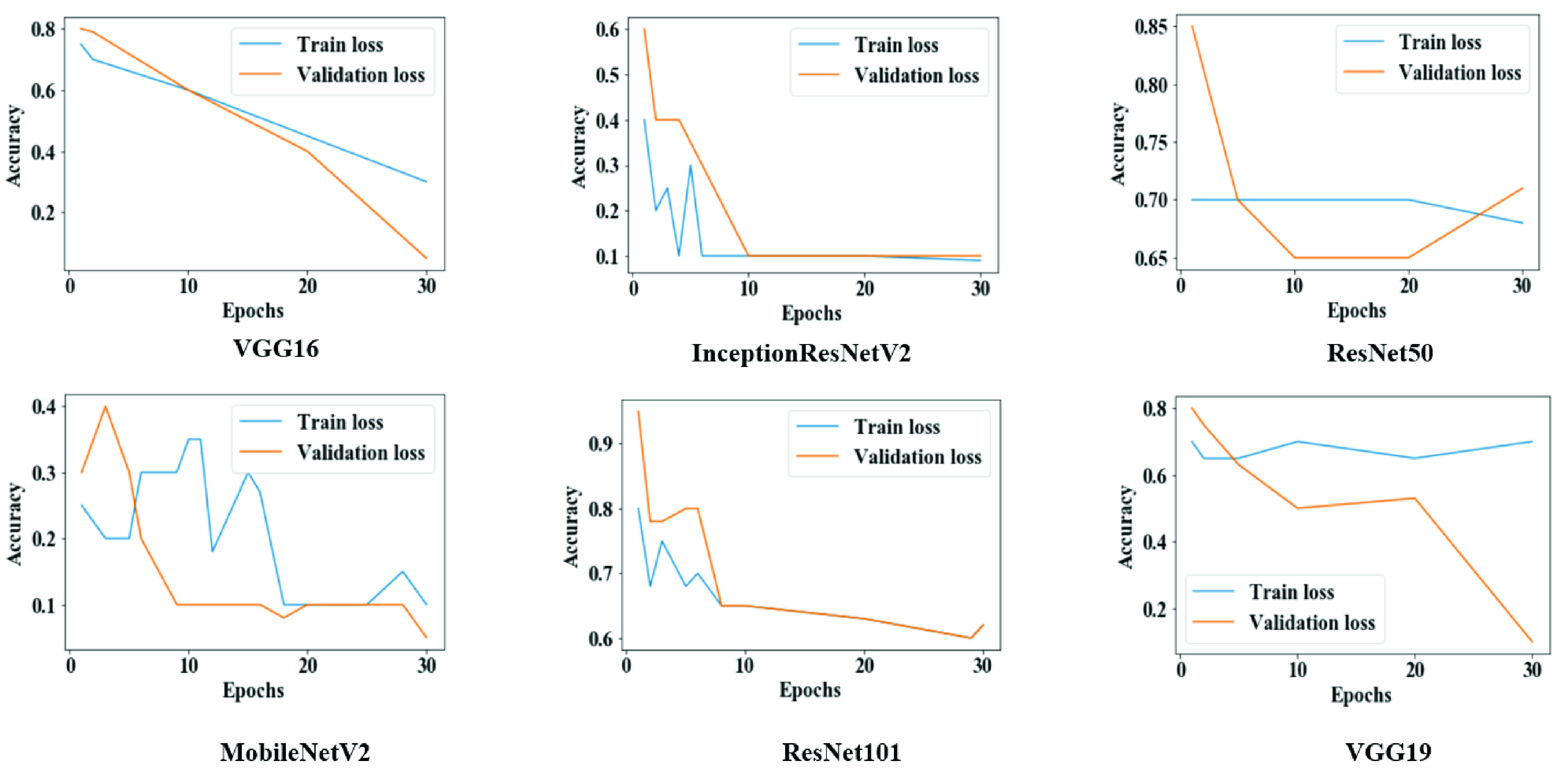
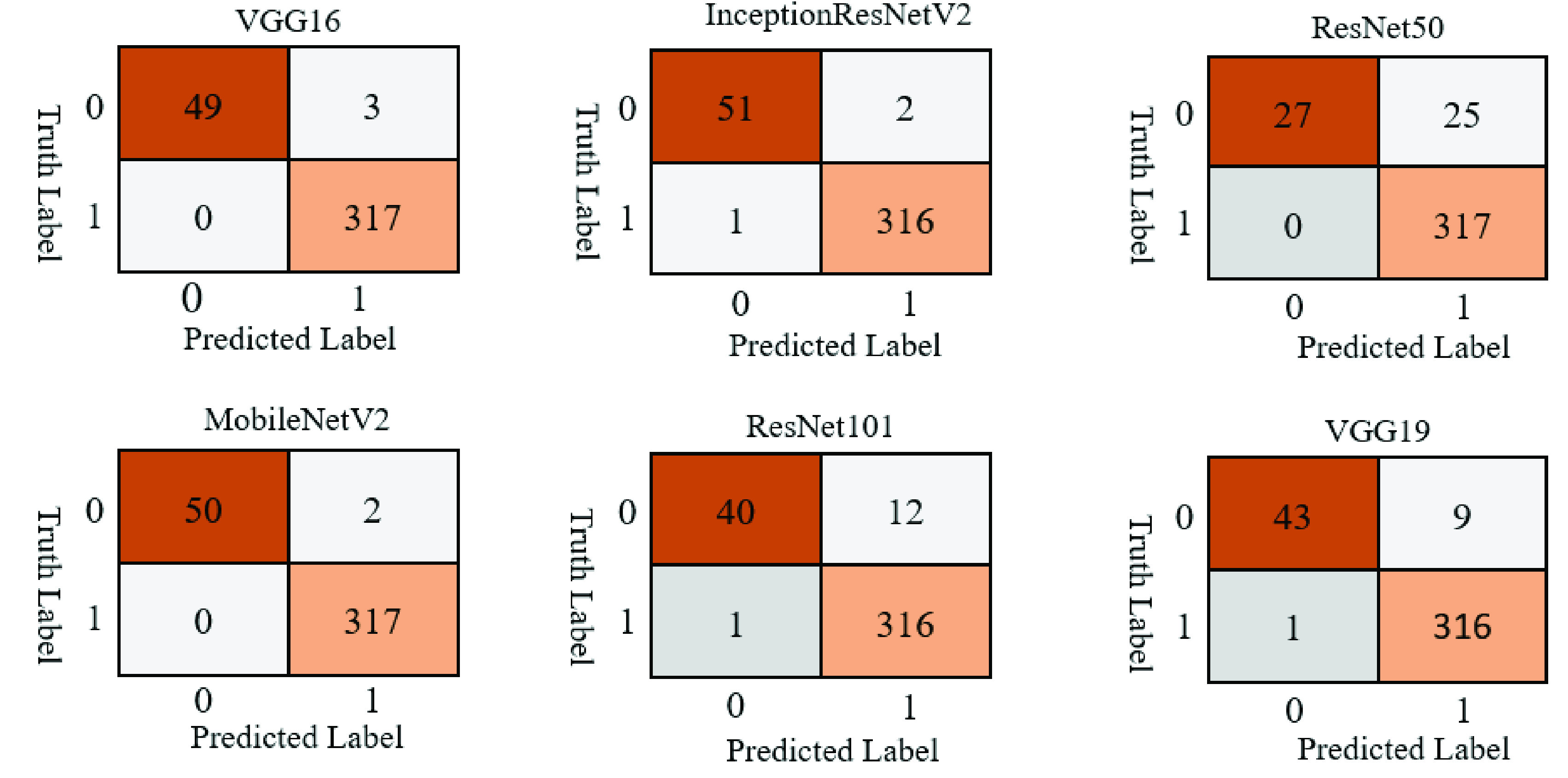
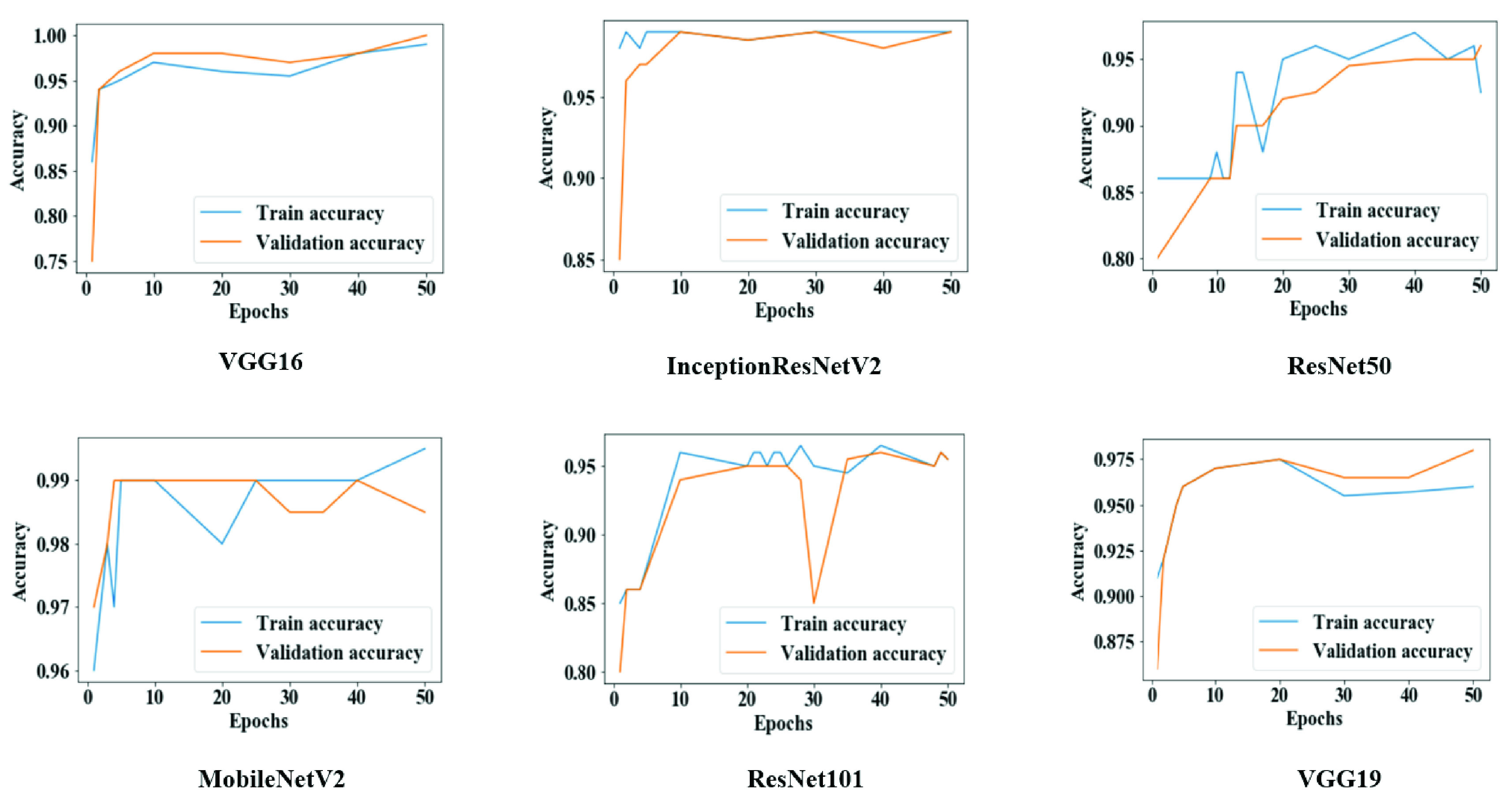
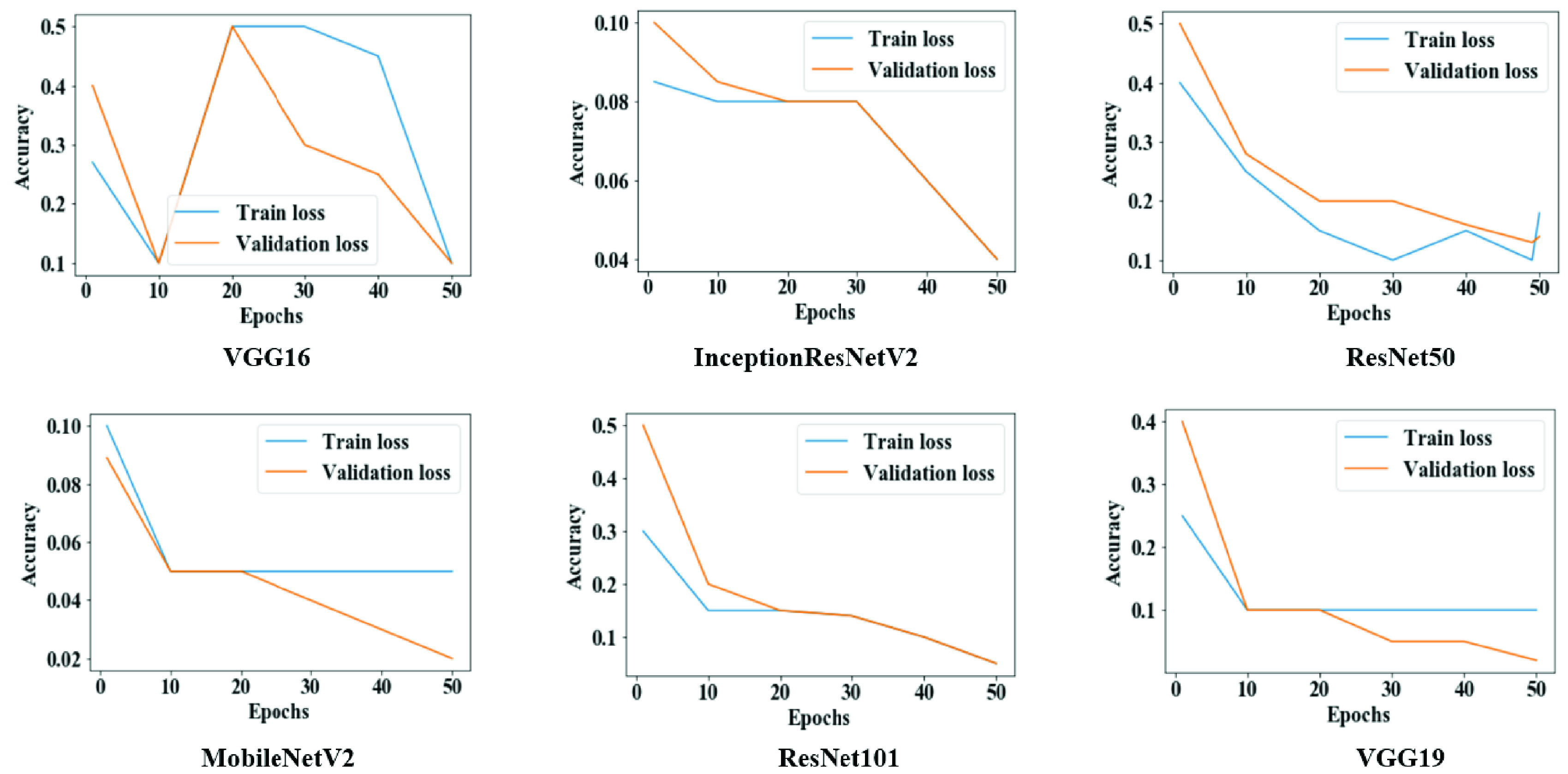
Chest radiographs (X-rays) combined with Deep Convolutional Neural Network (CNN) methods have been demonstrated to detect and diagnose the onset of COVID-19, the disease caused by the Severe Acute Respiratory Syndrome Coronavirus 2 (SARS-CoV-2). However, questions remain regarding the accuracy of those methods as they are often challenged by limited datasets, performance legitimacy on imbalanced data, and have their results typically reported without proper confidence intervals. Considering the opportunity to address these issues, in this study, we propose and test six modified deep learning models, including VGG16, InceptionResNetV2, ResNet50, MobileNetV2, ResNet101, and VGG19 to detect SARS-CoV-2 infection from chest X-ray images. Results are evaluated in terms of accuracy, precision, recall, and f- score using a small and balanced dataset (Study One), and a larger and imbalanced dataset (Study Two). With 95% confidence interval, VGG16 and MobileNetV2 show that, on both datasets, the model could identify patients with COVID-19 symptoms with an accuracy of up to 100%. We also present a pilot test of VGG16 models on a multi-class dataset, showing promising results by achieving 91% accuracy in detecting COVID-19, normal, and Pneumonia patients. Furthermore, we demonstrated that poorly performing models in Study One (ResNet50 and ResNet101) had their accuracy rise from 70% to 93% once trained with the comparatively larger dataset of Study Two. Still, models like InceptionResNetV2 and VGG19's demonstrated an accuracy of 97% on both datasets, which posits the effectiveness of our proposed methods, ultimately presenting a reasonable and accessible alternative to identify patients with COVID-19.
胸部X光片与深度卷积神经网络(CNN)方法相结合,已被证明可检测和诊断由严重急性呼吸综合征冠状病毒2(SARS-CoV-2)引起的COVID-19疾病的发病情况。然而,这些方法的准确性仍存在问题,因为它们经常受到数据集有限、不平衡数据上的性能合理性的挑战,并且其结果通常在没有适当置信区间的情况下报告。考虑到有机会解决这些问题,在本研究中,我们提出并测试了六种改进的深度学习模型,包括VGG16、InceptionResNetV2、ResNet50、MobileNetV2、ResNet101和VGG19,以从胸部X光图像中检测SARS-CoV-2感染。使用一个小的平衡数据集(研究一)和一个大的不平衡数据集(研究二),根据准确率、精确率、召回率和F1分数对结果进行评估。在95%置信区间下,VGG16和MobileNetV2表明,在这两个数据集上,该模型能够以高达100%的准确率识别出有COVID-19症状的患者。我们还在一个多类数据集上对VGG16模型进行了试点测试,在检测COVID-19、正常和肺炎患者方面取得了91%的准确率,显示出有希望的结果。此外,我们证明,在研究一中表现不佳的模型(ResNet50和ResNet101),一旦用研究二相对较大的数据集进行训练,其准确率从70%提高到了93%。尽管如此,InceptionResNetV2和VGG19等模型在两个数据集上的准确率都达到了97%,这证明了我们提出的方法的有效性,最终为识别COVID-19患者提供了一种合理且可行的替代方案。