School of Medicine, University of Zagreb, Zagreb, Croatia.
Department of Infectious Disease Epidemiology, London School of Hygiene & Tropical Medicine, London, UK.
Hum Vaccin Immunother. 2022 Dec 31;18(1):2041360. doi: 10.1080/21645515.2022.2041360. Epub 2022 Mar 15.
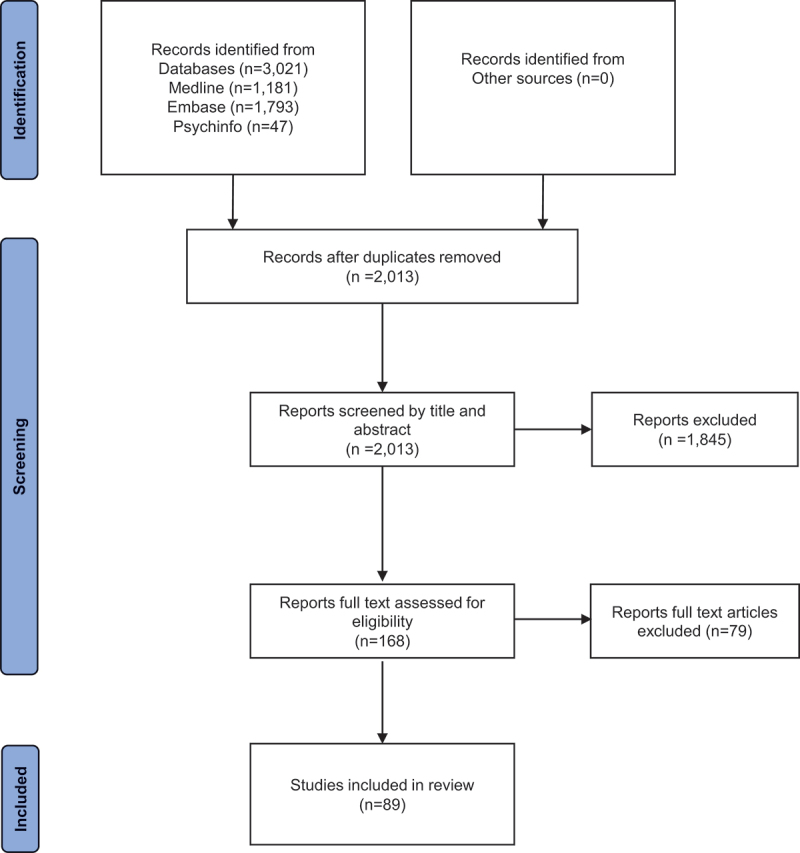
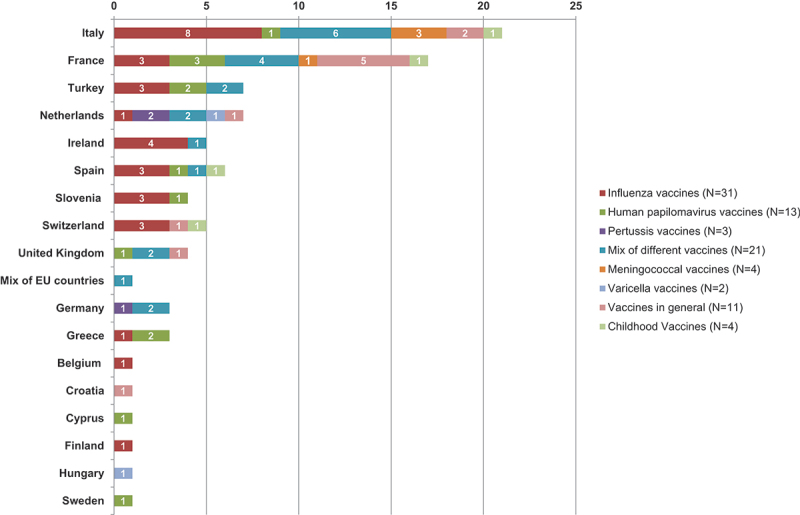
Health-care professionals (HCPs) have a fundamental role in vaccination, their own beliefs and attitudes affecting both their uptake and recommendation of vaccines. This literature review (n = 89) summarises evidence on HCPs' perceptions of the risks and benefits of vaccination, trust, and perceptions of mandatory vaccination in Europe. HCPs across studies believed that vaccination is important to protect themselves and their patients. However, beliefs that some diseases such as influenza are less risky were reported by some HCPs as a reason for not getting vaccinated. Concerns about both short- and long-term side effects were identified among HCPs in most studies, such as those affecting the immune or neurological system. Mistrust toward health authorities and pharmaceutical industry was reported in some studies. The question of mandatory vaccination revealed mixed opinions, with some favoring self-determination and others viewing vaccination as a duty. This review highlights key factors influencing HCPs' confidence in vaccination in Europe.
医疗保健专业人员(HCPs)在疫苗接种方面发挥着重要作用,他们自身的信念和态度会影响他们对疫苗的接受和推荐。本文献综述(n=89)总结了 HCPs 对疫苗接种风险和益处、信任以及对欧洲强制性疫苗接种的看法的证据。研究中的 HCPs 都认为接种疫苗对于保护自己和患者非常重要。然而,一些 HCPs 认为某些疾病(如流感)的风险较低,这是他们不接种疫苗的原因之一。在大多数研究中,HCPs 都对短期和长期副作用表示担忧,例如影响免疫系统或神经系统的副作用。一些研究报告称,HCPs 对卫生当局和制药行业存在不信任。关于强制性疫苗接种的问题也存在不同意见,一些人支持自我决定,另一些人则认为接种疫苗是一种义务。本综述强调了影响 HCPs 在欧洲对疫苗接种信心的关键因素。