Siddiqui Zain, Acevedo-Jake Amanda M, Griffith Alexandra, Kadincesme Nurten, Dabek Kinga, Hindi Dana, Kim Ka Kyung, Kobayashi Yoshifumi, Shimizu Emi, Kumar Vivek
Department of Biomedical Engineering, New Jersey Institute of Technology, Newark, NJ, 07102, USA.
Department of Oral Biology, Rutgers School of Dental Medicine, Newark, NJ, 07103, USA.
Bioact Mater. 2021 Nov 30;14:234-249. doi: 10.1016/j.bioactmat.2021.11.015. eCollection 2022 Aug.
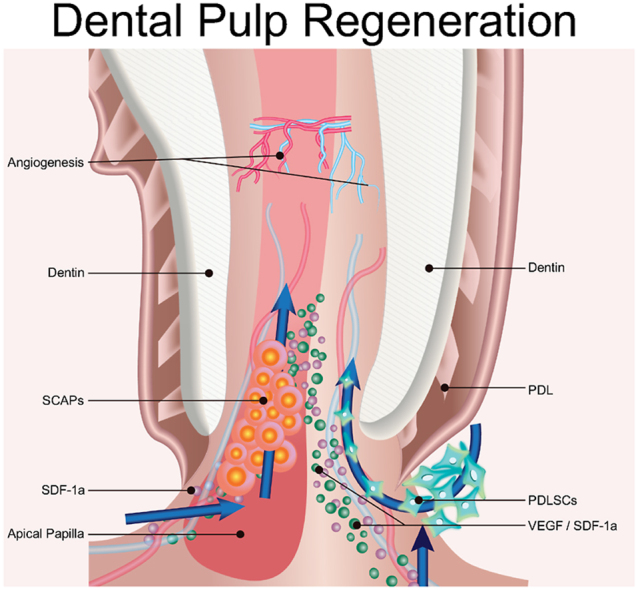
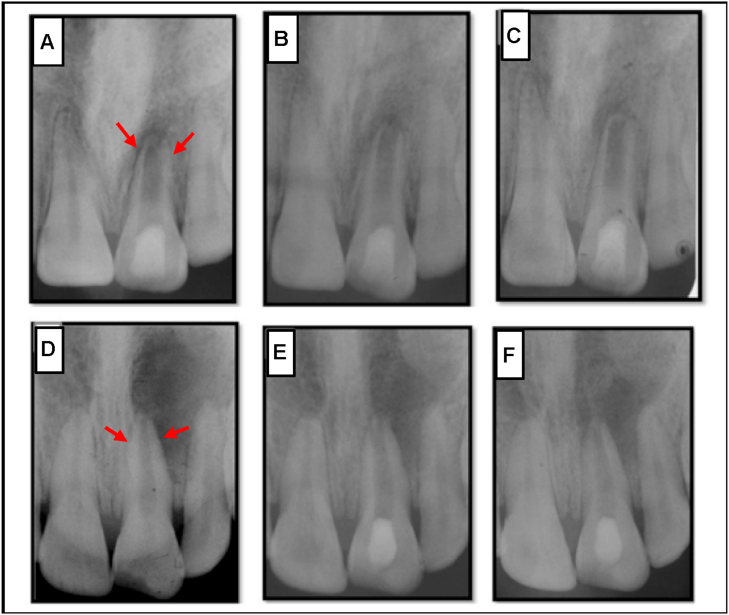
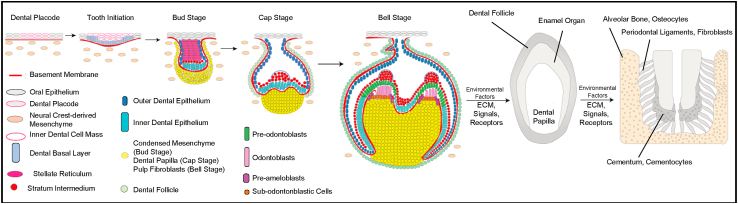
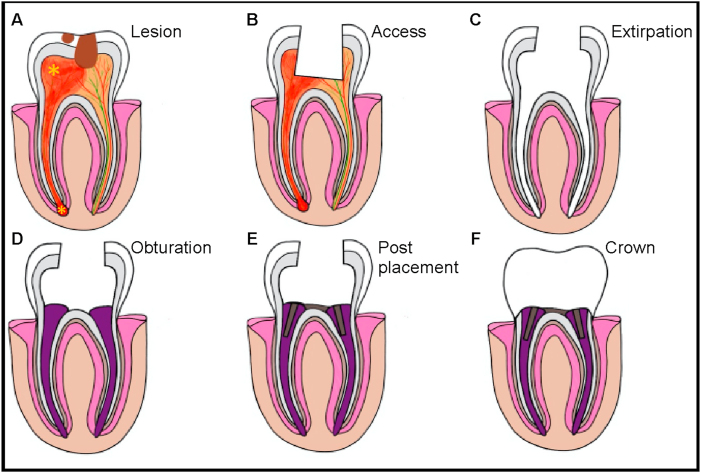
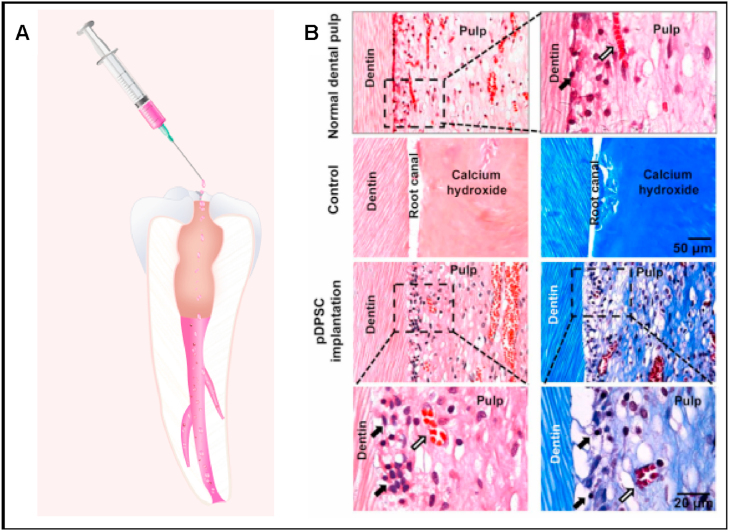
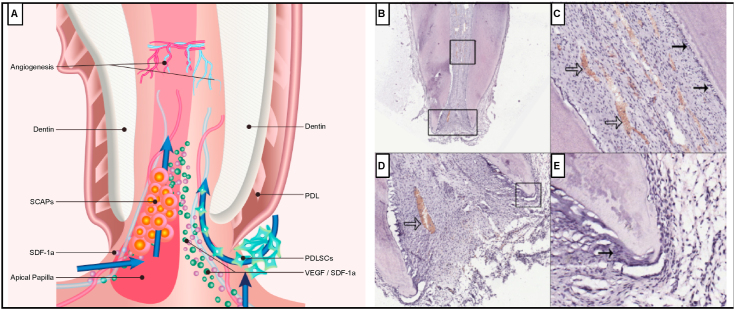
The carious process leads to inflammation of pulp tissue. Current care options include root canal treatment or apexification. These procedures, however, result in the loss of tooth vitality, sensitivity, and healing. Pulp capping and dental pulp regeneration are continually evolving techniques to regenerate pulp tissue, avoiding necrosis and loss of vitality. Many studies have successfully employed stem/progenitor cell populations, revascularization approaches, scaffolds or material-based strategies for pulp regeneration. Here we outline advantages and disadvantages of different methods and techniques which are currently being used in the field of regenerative endodontics. We also summarize recent findings on efficacious peptide-based materials which target the dental niche.
龋病进程会导致牙髓组织发炎。目前的治疗选择包括根管治疗或根尖诱导成形术。然而,这些治疗方法会导致牙齿活力、敏感性和愈合能力的丧失。牙髓盖髓术和牙髓再生是不断发展的技术,旨在再生牙髓组织,避免坏死和活力丧失。许多研究已成功应用干细胞/祖细胞群体、血管再生方法、支架或基于材料的策略来实现牙髓再生。在此,我们概述了目前再生牙髓病学领域中使用的不同方法和技术的优缺点。我们还总结了针对牙龛的有效肽基材料的最新研究结果。