Ng James S, Hashimoto Michinao
Pillar of Engineering Product Development, Singapore University of Technology and Design 8 Somapah Road Singapore 487372 Singapore
SUTD-MIT International Design Centre, Singapore University of Technology and Design 8 Somapah Road Singapore 487372 Singapore.
RSC Adv. 2020 Aug 12;10(50):29797-29807. doi: 10.1039/d0ra04301j. eCollection 2020 Aug 10.
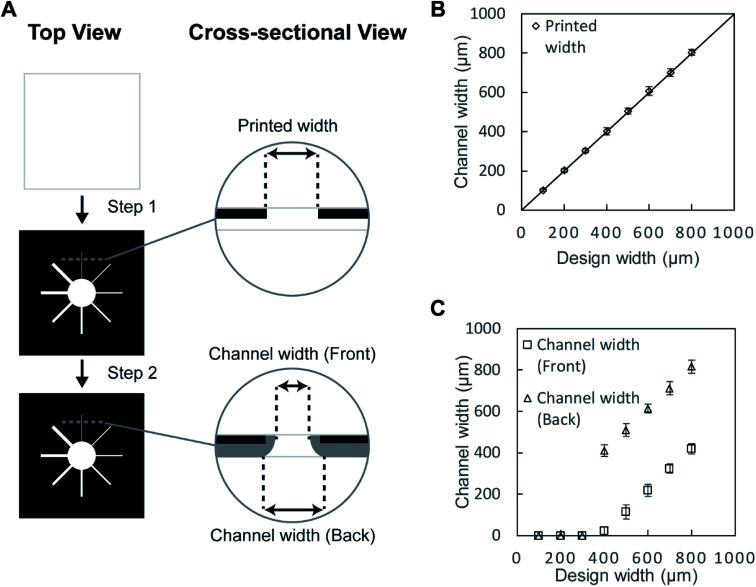
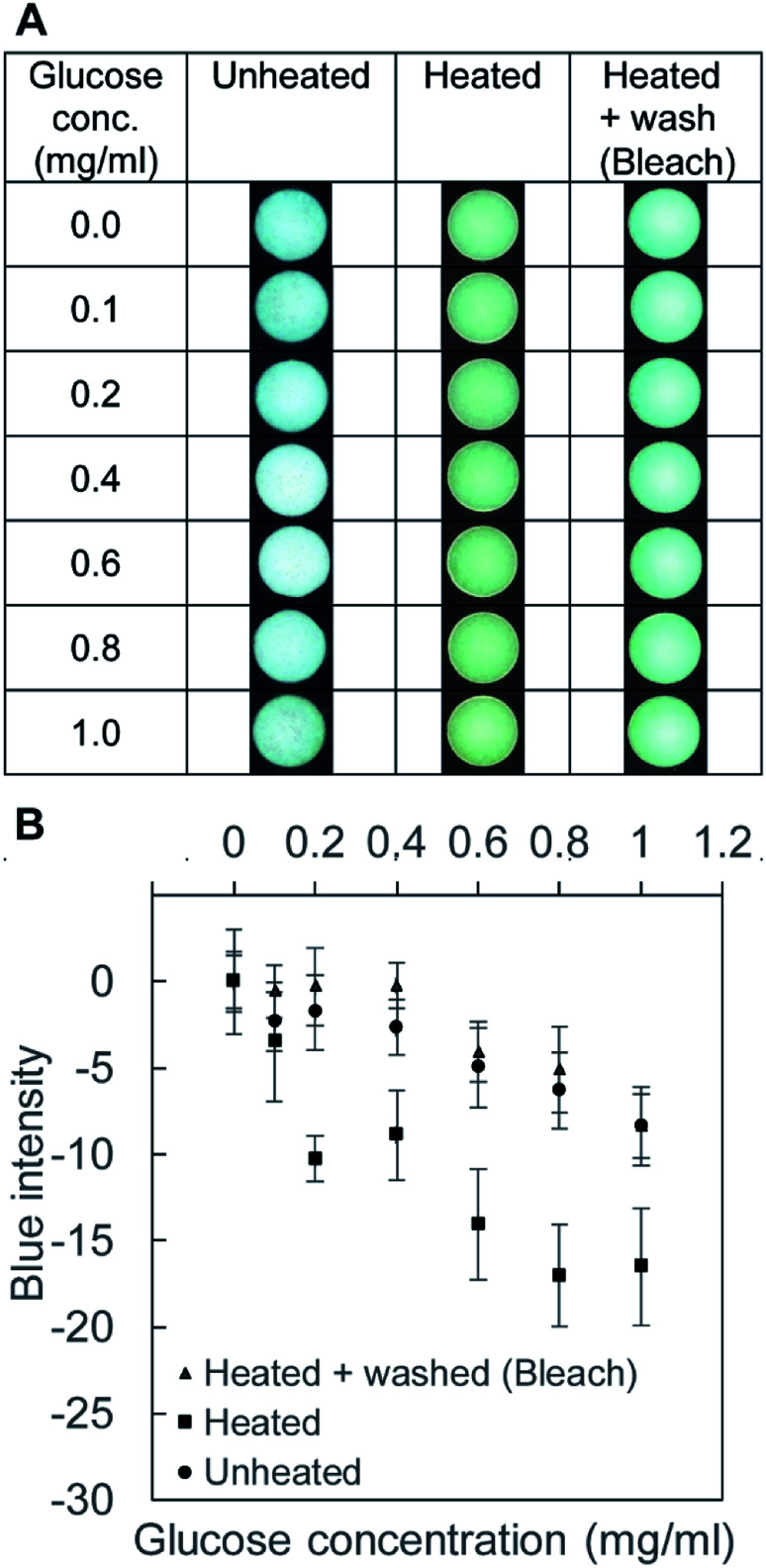
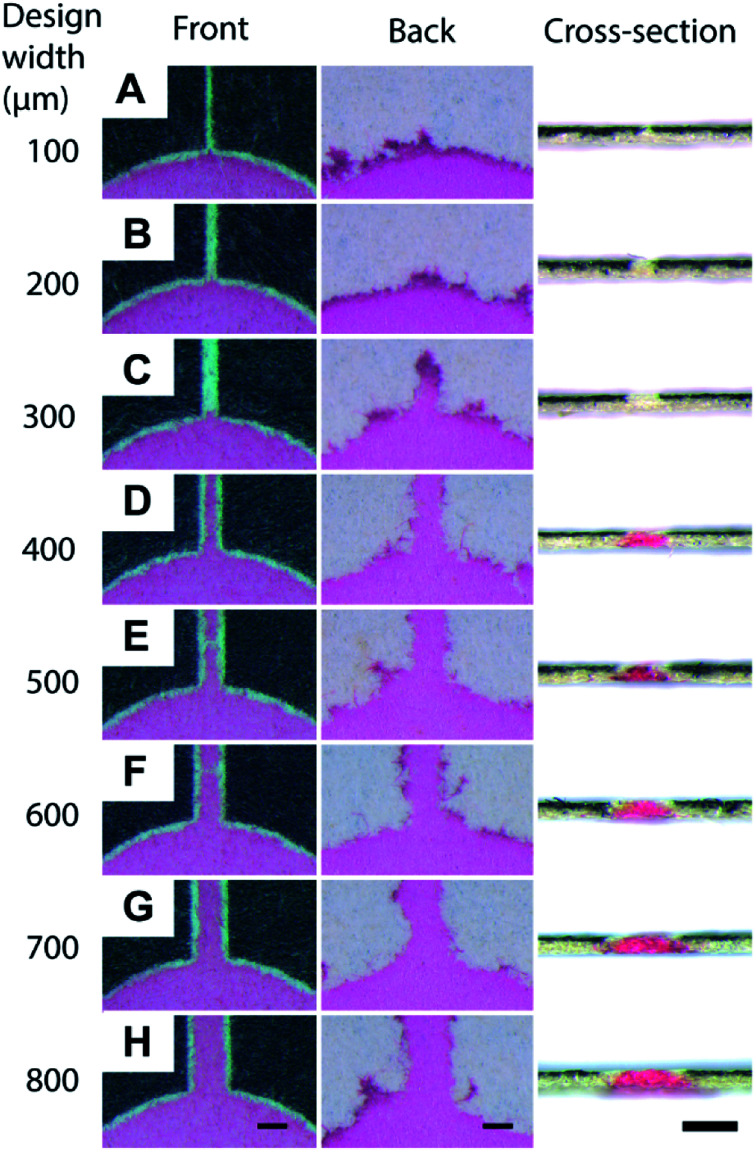
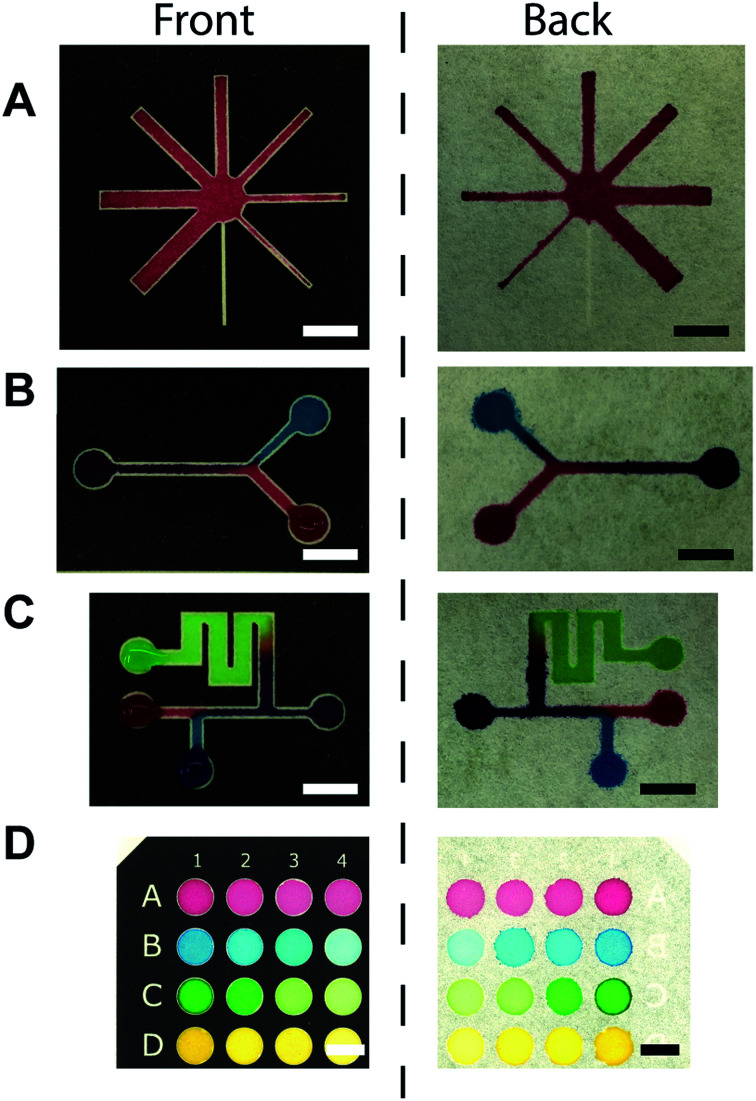
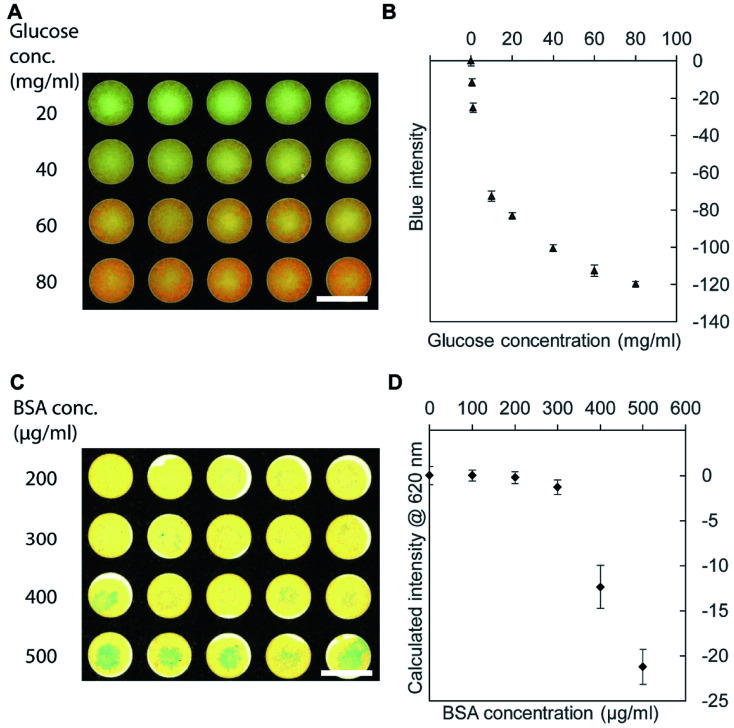
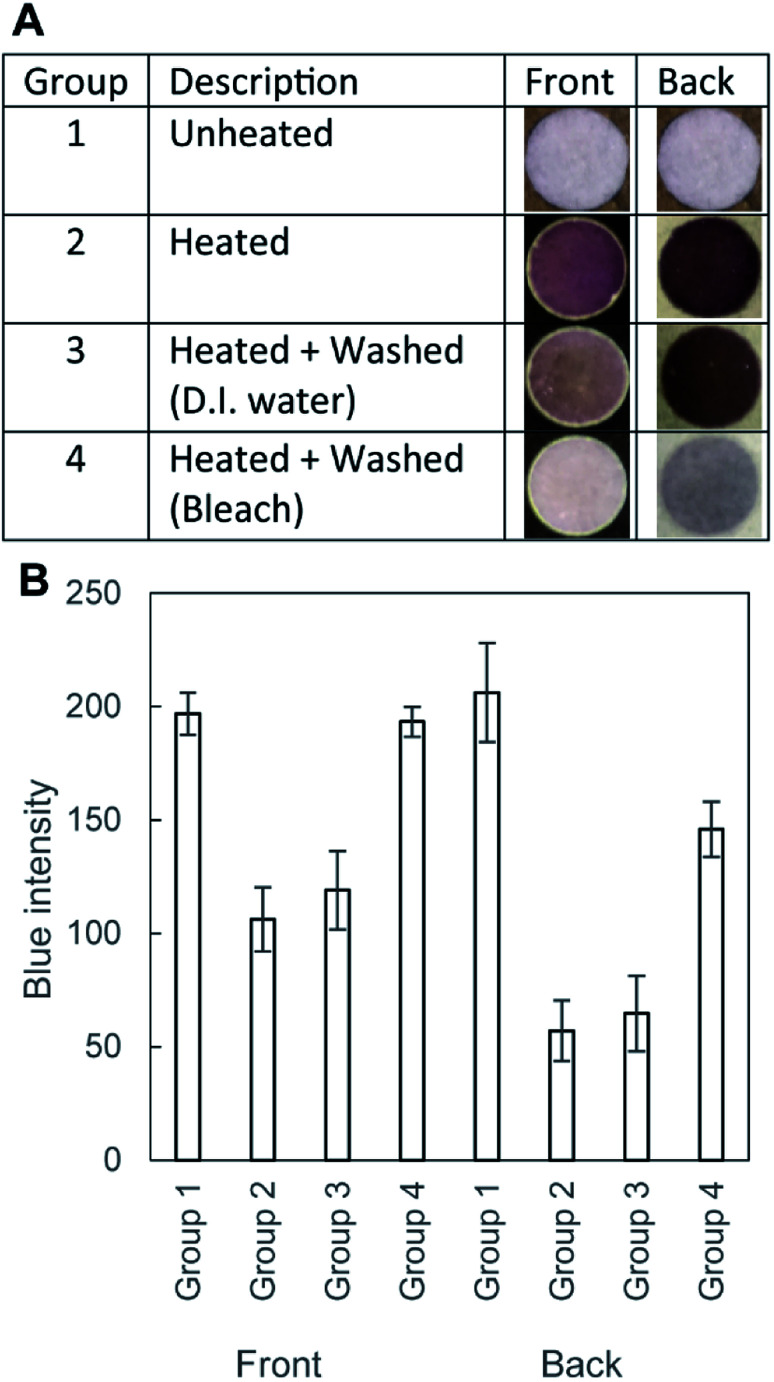
This paper describes a method to fabricate microfluidic paper-based analytical devices (μPADs) using a toner laser printer. Multiple methods have been reported for the fabrication of μPADs for point-of-care diagnostics and environmental monitoring. Despite successful demonstrations, however, existing fabrication methods depend on particular printers, in-house instruments, and synthetic materials. In particular, recent discontinuation of the solid wax printer has made it difficult to fabricate μPADs with readily available instruments. Herein we reported the fabrication of μPADs using the most widely available type of printer: a toner laser printer. Heating of printed toner at 200 °C allowed the printed toner to reflow, and the spreading of the hydrophobic polymer through the filter paper was characterized. Using the developed μPADs, we conducted model colorimetric assays for glucose and bovine serum albumin (BSA). We found that heating of filter paper at 200 °C for 60 min caused the pyrolysis of cellulose in the paper. The pyrolysis resulted in the formation of aldehydes that could interfere with molecular assays involving redox reactions. To overcome this problem, we confirmed that the removal of the aldehyde could be readily achieved by washing the μPADs with aqueous bleach. Overall, the developed fabrication method should be compatible with most toner laser printers and will make μPADs accessible in resource-limited circumstances.
本文介绍了一种使用激光打印机制造微流控纸基分析装置(μPADs)的方法。已经报道了多种用于即时诊断和环境监测的μPADs制造方法。然而,尽管有成功的示范,但现有的制造方法依赖于特定的打印机、内部仪器和合成材料。特别是,最近固体蜡打印机的停产使得用现成的仪器制造μPADs变得困难。在此,我们报道了使用最广泛使用的打印机类型——激光打印机来制造μPADs。在200℃下加热打印的碳粉可使打印的碳粉回流,并对疏水性聚合物在滤纸上的扩散进行了表征。使用所开发的μPADs,我们对葡萄糖和牛血清白蛋白(BSA)进行了比色分析模型实验。我们发现,在200℃下加热滤纸60分钟会导致纸张中的纤维素热解。热解导致醛的形成,这可能会干扰涉及氧化还原反应的分子分析。为了克服这个问题,我们证实通过用水性漂白剂洗涤μPADs可以很容易地去除醛。总体而言,所开发的制造方法应与大多数激光打印机兼容,并将使μPADs在资源有限的情况下也能得到应用。