Ilie Cornelia-Ioana, Oprea Eliza, Geana Elisabeta-Irina, Spoiala Angela, Buleandra Mihaela, Gradisteanu Pircalabioru Gratiela, Badea Irinel Adriana, Ficai Denisa, Andronescu Ecaterina, Ficai Anton, Ditu Lia-Mara
Department of Science and Engineering of Oxide Materials and Nanomaterials, Faculty of Chemical Engineering and Biotechnologies, University Politehnica of Bucharest, 1-7 Gh. Polizu Street, 011061 Bucharest, Romania.
National Centre for Micro and Nanomaterials and National Centre for Food Safety, Faculty of Chemical Engineering and Biotechnologies, University Politehnica of Bucharest, 313 Splaiul Independentei, 060042 Bucharest, Romania.
Antioxidants (Basel). 2022 May 12;11(5):959. doi: 10.3390/antiox11050959.
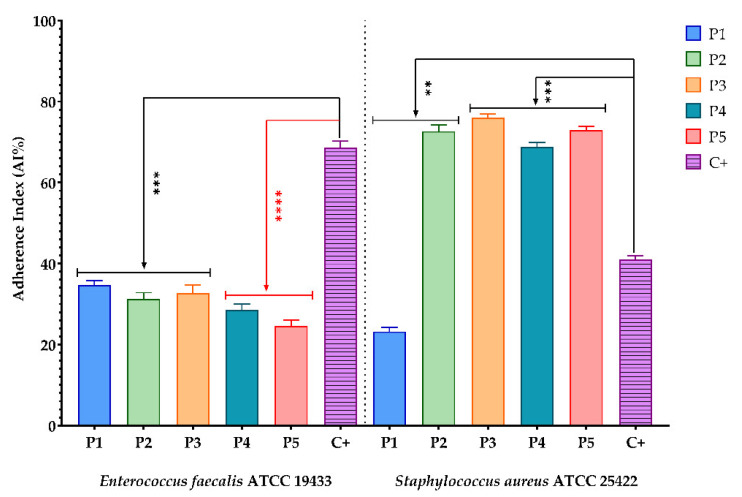
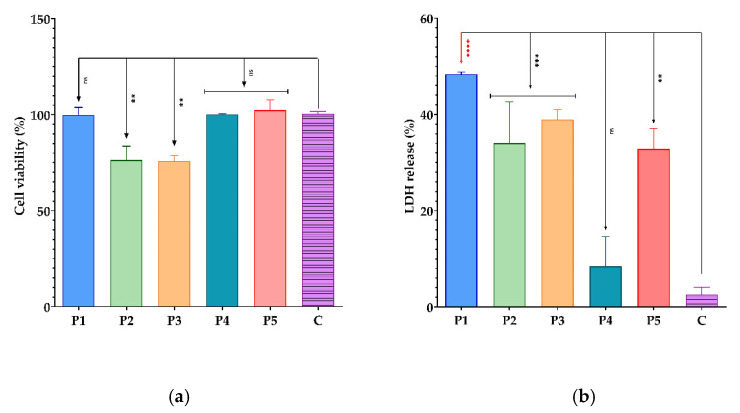
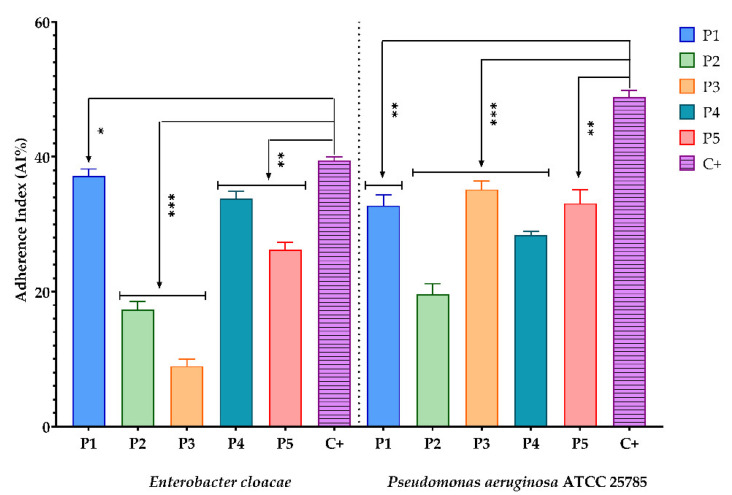
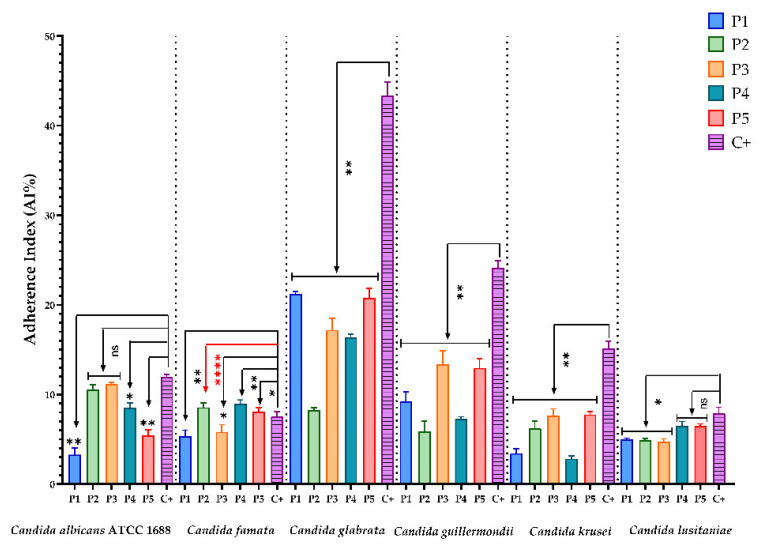
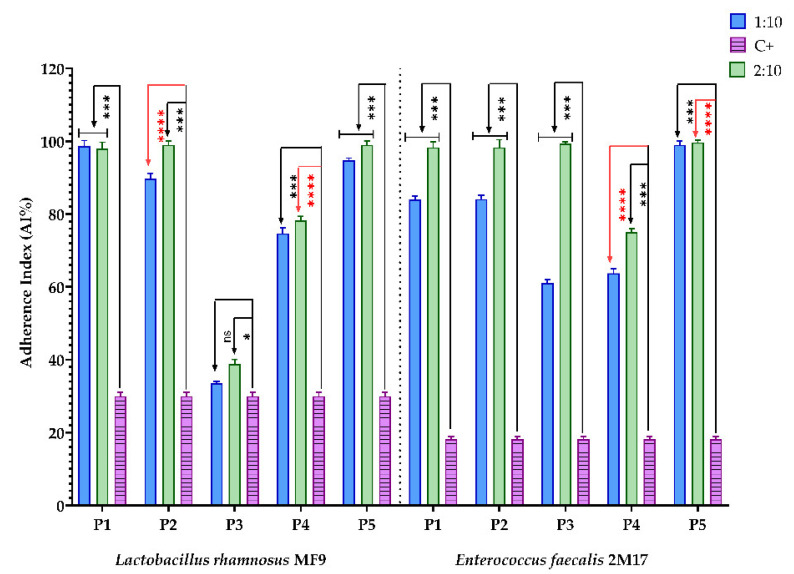
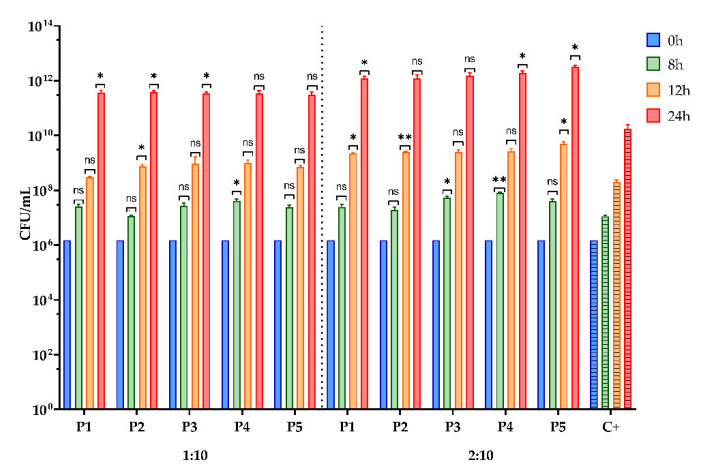
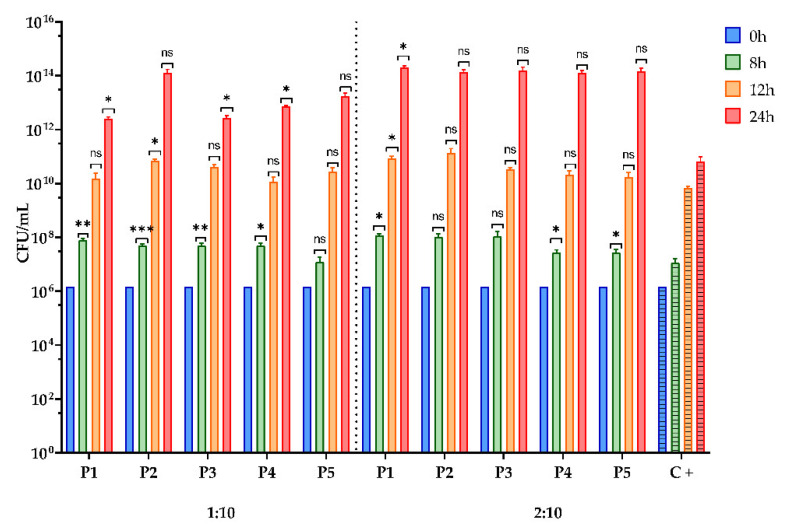
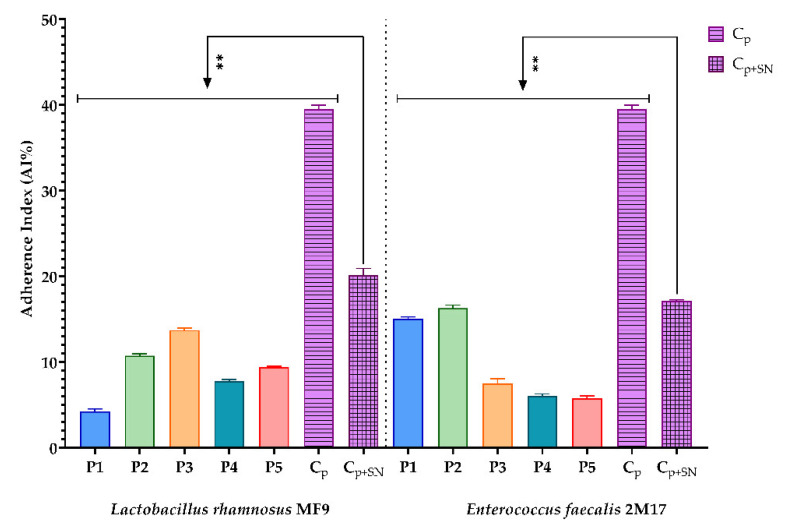
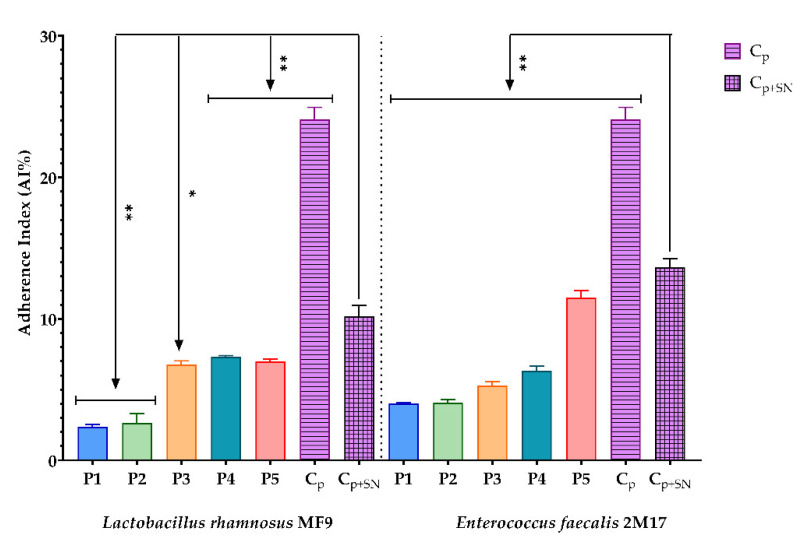
This paper evaluated the chemical and biological properties of bee pollen samples from Romania. Firstly, the bee pollen alcoholic extracts (BPEs) were obtained from raw bee pollen harvested by bees. The chemical composition of BPE was obtained by determination of total phenol content and total flavonoid content, UHPLC-DAD-ESI/MS analysis of phenolic compounds, and GC-MS analysis of fatty acids, esters, and terpenes. Additionally, the antioxidant activity was evaluated by the Trolox Equivalent Antioxidant Capacity method. Furthermore, the biological properties of BPE were evaluated (antimicrobial and cytotoxic activity). The raw BP samples studied in this paper had significant phenolic acid and flavonoid content, and moderate fatty acid, ester, and terpene content. P1, P2, and P4 have the highest TPC and TFC levels, and the best antioxidant activity. All BPEs studied had antimicrobial activity on pathogenic strains isolated from the clinic or standard strains. A synergistic antimicrobial effect of the BPEs was observed along with the soluble compounds of MF9 and 2M17 against some pathogenic (clinical) strains and, considering the tumour proliferation inhibitory activity, makes BP a potential prebiotic and antitumour agent for the gut environment.
本文评估了罗马尼亚蜂花粉样本的化学和生物学特性。首先,从蜜蜂采集的生蜂花粉中获得蜂花粉醇提取物(BPEs)。通过测定总酚含量和总黄酮含量、酚类化合物的超高效液相色谱-二极管阵列-电喷雾电离/质谱分析以及脂肪酸、酯和萜类的气相色谱-质谱分析来确定BPE的化学成分。此外,通过特洛克斯等效抗氧化能力法评估抗氧化活性。此外,还评估了BPE的生物学特性(抗菌和细胞毒性活性)。本文研究的生蜂花粉样本具有显著的酚酸和黄酮含量,以及适度的脂肪酸、酯和萜类含量。P1、P2和P4具有最高的总酚含量(TPC)和总黄酮含量(TFC)水平,以及最佳的抗氧化活性。所有研究的BPEs对从临床分离的致病菌株或标准菌株均具有抗菌活性。观察到BPEs与MF9和2M17的可溶性化合物对一些致病(临床)菌株具有协同抗菌作用,并且考虑到肿瘤增殖抑制活性,使蜂花粉成为肠道环境中一种潜在的益生元和抗肿瘤剂。