Department of Orthopedic Surgery, Xinhua Hospital Affiliated to Shanghai Jiao Tong University School of Medicine (SJTUSM), Shanghai, China.
Collaborative Innovation Centre of Regenerative Medicine and Medical BioResource Development and Application, Guangxi Medical University Nanning, Guangxi, China.
Front Endocrinol (Lausanne). 2022 May 13;13:808223. doi: 10.3389/fendo.2022.808223. eCollection 2022.
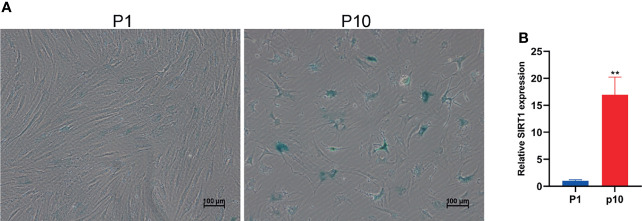
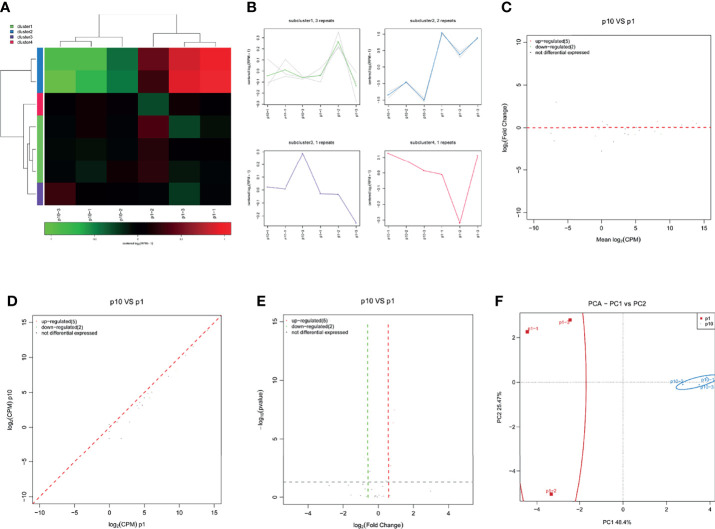
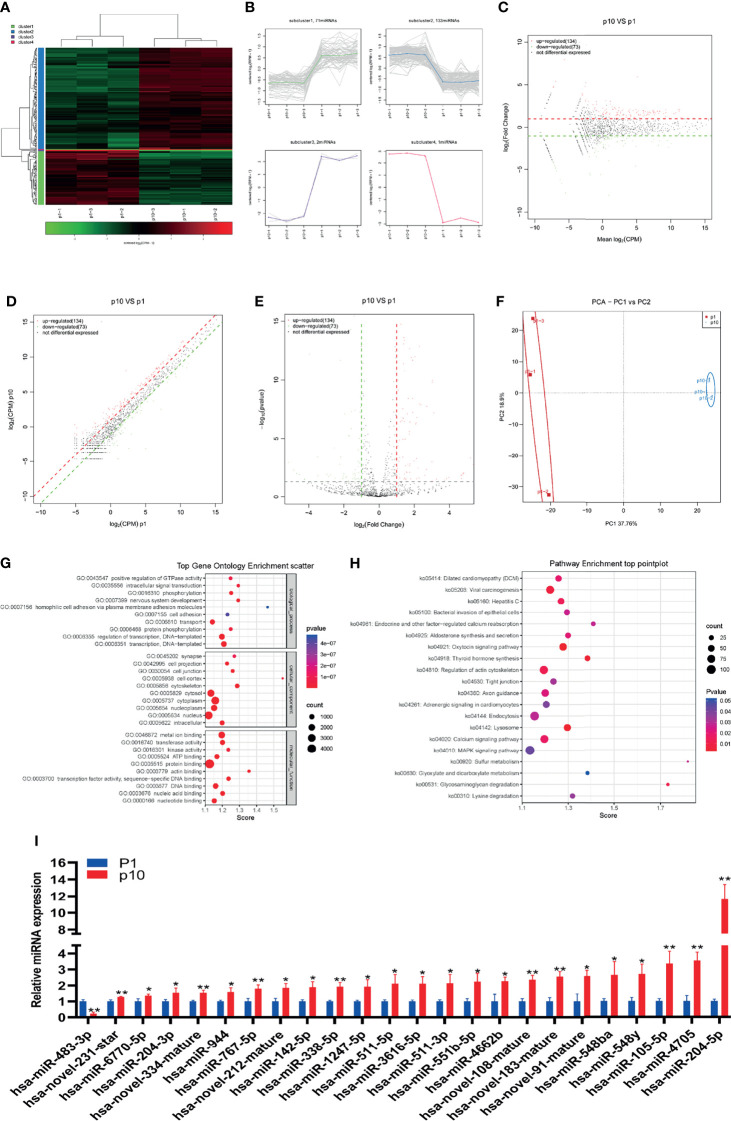
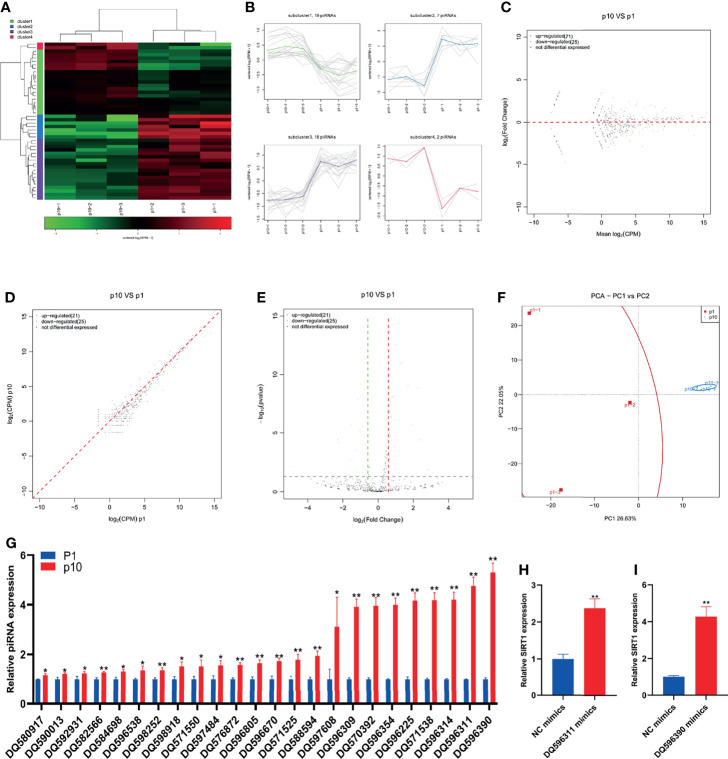
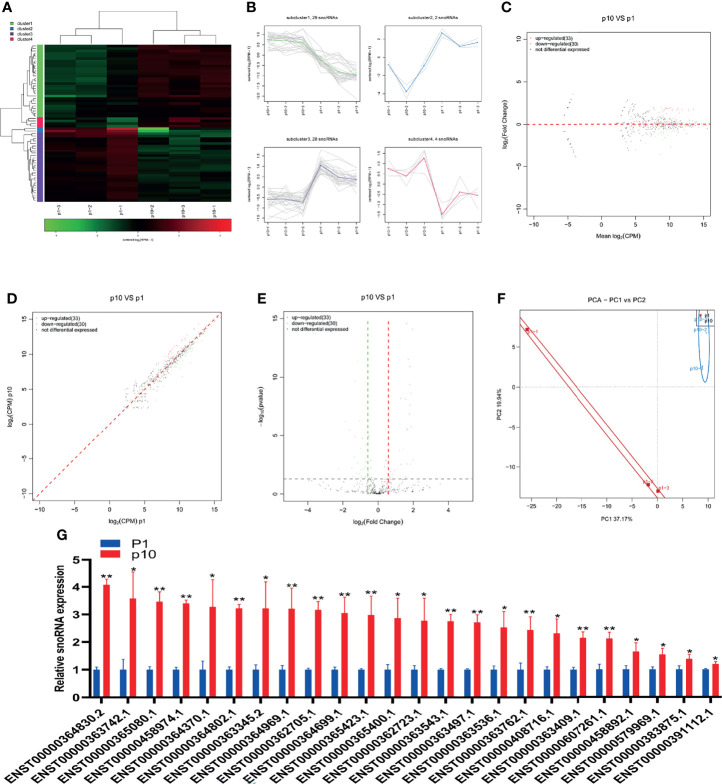
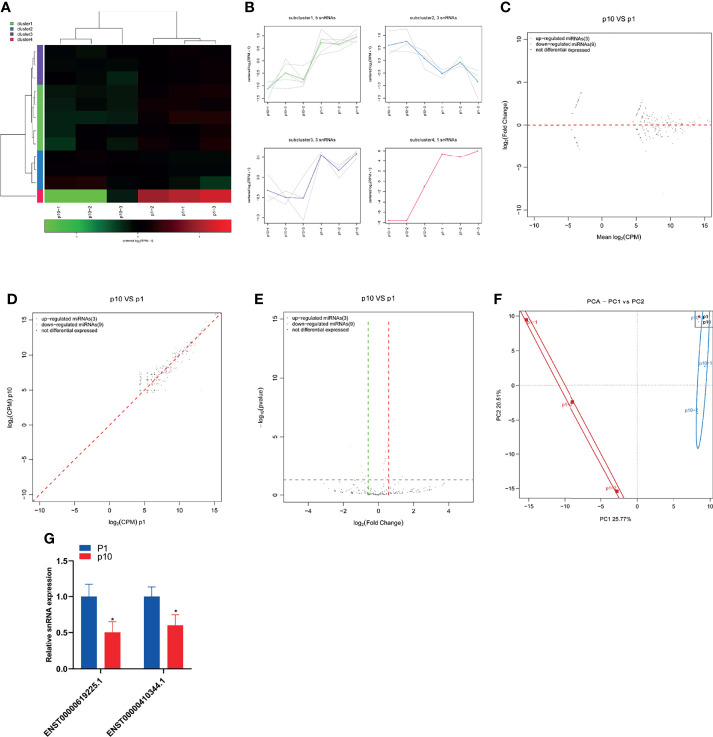
Bone marrow mesenchymal stem cells (BMSCs) have been used in stem cell-based therapy for various diseases due to their self-renewing ability and differentiation potential to various types of cells and immunoprivileged properties. However, the proliferation capability and functionality of BMSCs are known to decline with aging, which severely limits the extensive applications of BMSC-based therapies. To date, the exact mechanism involved in the cellular senescence of BMSCs remains unclear. RNA is thought to be the initial molecular form of life on earth. It also acts as a transmitter and important regulator of genetic information expression. There are many kinds of small noncoding RNAs with different functions in cells that regulate important life activity processes in multiple dimensions, including development process, gene expression, genomic stability, and cellular senescence. In this study, a replicative senescence model of hBMSCs was established and the expression changes of small noncoding RNAs during senescence were detected by small RNA high-throughput sequencing analysis and qPCR. Small RNA sequencing results showed that there were significant differences in the expression of 203 miRNAs, 46 piRNAs, 63 snoRNAs, 12 snRNAs, and 7 rasiRNAs. The results of qPCR, which was performed for the verification of the sequencing results, showed that there were significant differences in the expression of 24 miRNAs, 34 piRNAs, 34 snoRNAs, and 2 snRNAs. These findings might provide a novel insight into hBMSC senescence and contribute to the development of new targeting senescence strategies.
骨髓间充质干细胞(BMSCs)因其自我更新能力和向多种类型细胞分化的潜能以及免疫特权特性,已被用于基于干细胞的多种疾病的治疗。然而,BMSCs 的增殖能力和功能随着年龄的增长而下降,这严重限制了基于 BMSC 疗法的广泛应用。迄今为止,BMSCs 细胞衰老的确切机制尚不清楚。RNA 被认为是地球上最初的生命分子形式。它还作为遗传信息表达的传递者和重要调节剂。细胞中存在许多具有不同功能的小非编码 RNA,它们从多个维度调节重要的生命活动过程,包括发育过程、基因表达、基因组稳定性和细胞衰老。在本研究中,建立了 hBMSCs 的复制性衰老模型,并通过小 RNA 高通量测序分析和 qPCR 检测衰老过程中小非编码 RNA 的表达变化。小 RNA 测序结果显示,有 203 个 miRNAs、46 个 piRNAs、63 个 snoRNAs、12 个 snRNAs 和 7 个 rasiRNAs 的表达存在显著差异。qPCR 结果(用于测序结果的验证)显示,有 24 个 miRNAs、34 个 piRNAs、34 个 snoRNAs 和 2 个 snRNAs 的表达存在显著差异。这些发现可能为 hBMSC 衰老提供新的见解,并有助于开发新的靶向衰老策略。