Iravani Siavash, Varma Rajender S
Faculty of Pharmacy and Pharmaceutical Sciences, Isfahan University of Medical Sciences, 81746-73461 Isfahan, Iran.
Regional Centre of Advanced Technologies and Materials, Czech Advanced Technology and Research Institute, Palacký University in Olomouc, Šlechtitelů 27, 783 71 Olomouc, Czech Republic.
Nanomaterials (Basel). 2022 Jul 16;12(14):2440. doi: 10.3390/nano12142440.
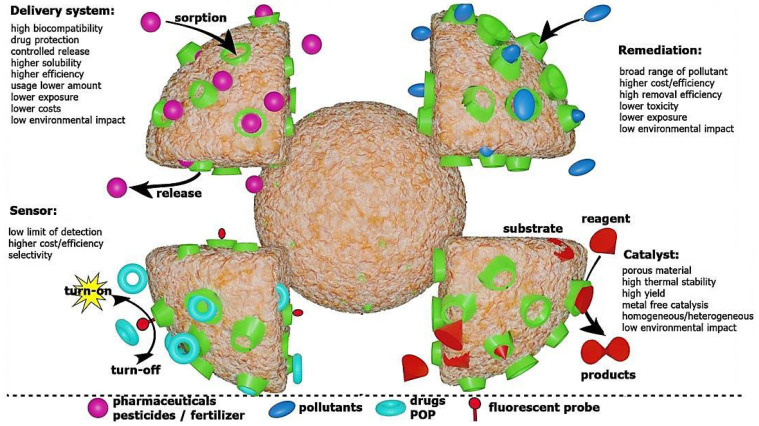
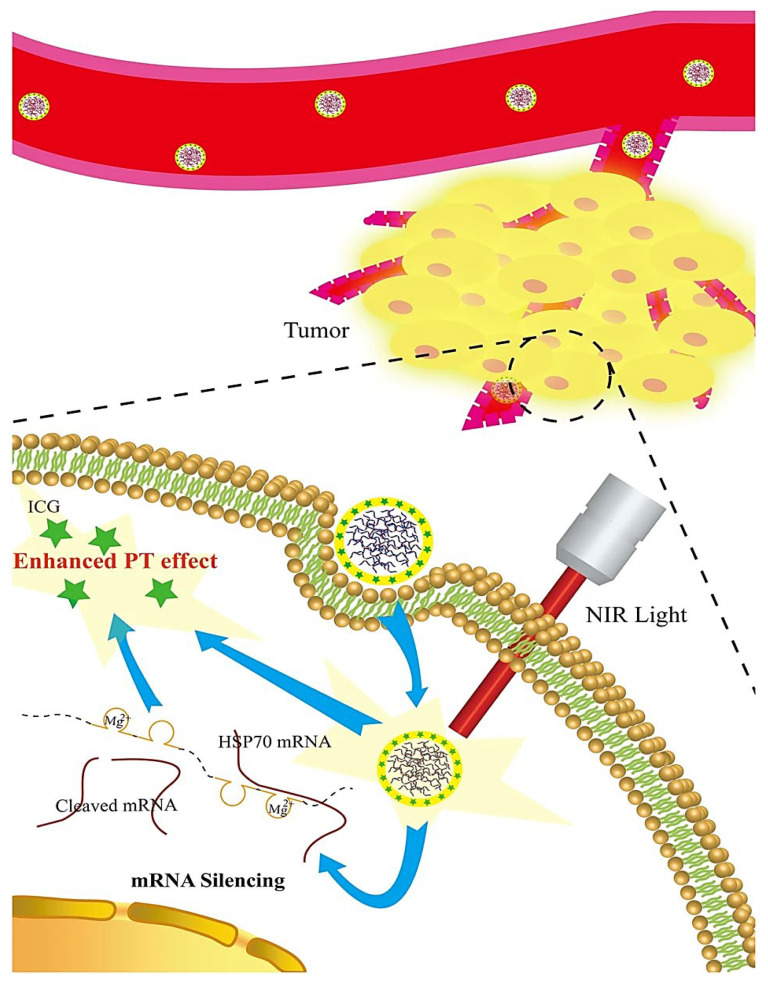
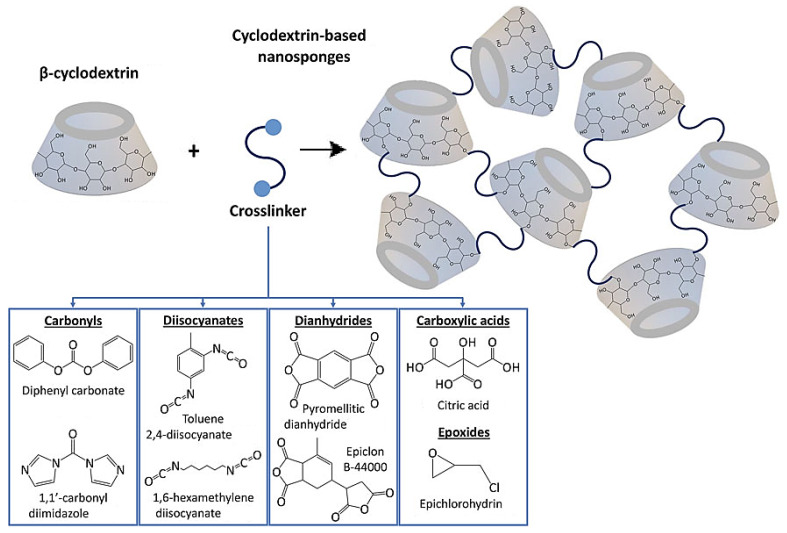
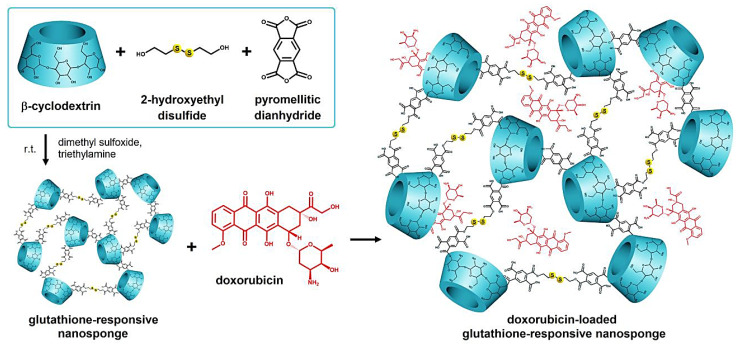
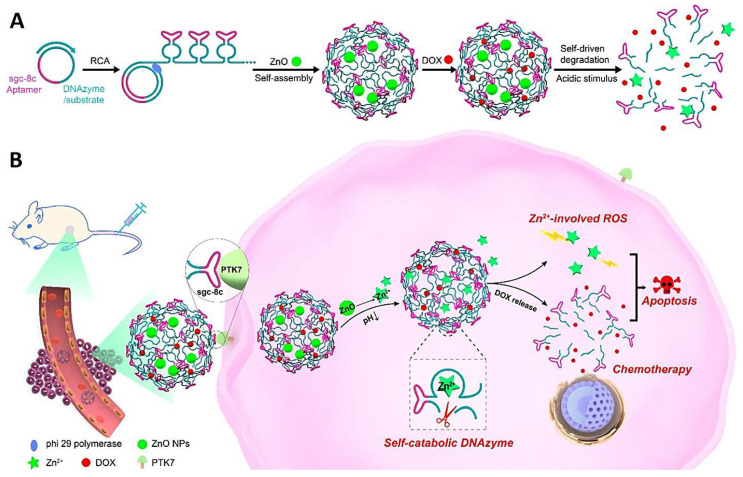
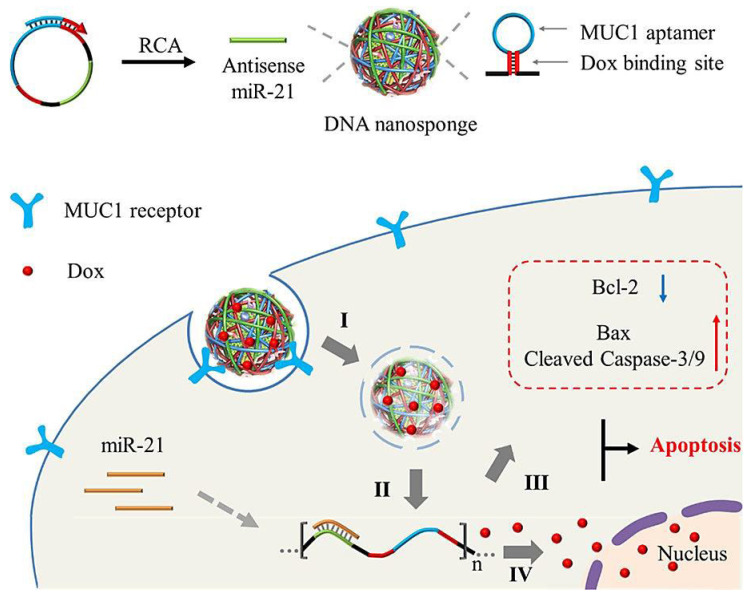
Nanosponges with three-dimensional (3D) porous structures, narrow size distribution, and high entrapment efficiency are widely engineered for cancer therapy and drug delivery purposes. They protect the molecular agents from degradation and help to improve the solubility of lipophilic therapeutic agents/drugs with targeted delivery options in addition to being magnetized to attain suitable magnetic features. Nanosponge-based delivery systems have been applied for cancer therapy with high specificity, biocompatibility, degradability, and prolonged release behavior. In this context, the drug loading within nanosponges is influenced by the crystallization degree. Notably, 3D printing technologies can be applied for the development of novel nanosponge-based systems for biomedical applications. The impacts of polymers, cross-linkers, type of drugs, temperature, loading and mechanism of drug release, fabrication methods, and substitution degree ought to be analytically evaluated. Eco-friendly techniques for the manufacturing of nanosponges still need to be uncovered in addition to the existing methods, such as solvent techniques, ultrasound-assisted preparation, melting strategies, and emulsion solvent diffusion methods. Herein, the recent advancements associated with the drug delivery and cancer therapy potential of nanosponges (chiefly, cyclodextrin-based, DNAzyme, and ethylcellulose nanosponges) are deliberated, focusing on the important challenges and future perspectives.
具有三维(3D)多孔结构、窄尺寸分布和高包封效率的纳米海绵被广泛设计用于癌症治疗和药物递送。它们可保护分子药物不被降解,有助于提高亲脂性治疗剂/药物的溶解度,并具有靶向递送功能,此外还可被磁化以获得合适的磁性特征。基于纳米海绵的递送系统已被应用于癌症治疗,具有高特异性、生物相容性、可降解性和缓释特性。在此背景下,纳米海绵内的药物负载受结晶度影响。值得注意的是,3D打印技术可用于开发新型的基于纳米海绵的生物医学应用系统。聚合物、交联剂、药物类型、温度、药物释放的负载和机制、制造方法以及取代度的影响都应进行分析评估。除了现有的方法,如溶剂技术、超声辅助制备、熔融策略和乳液溶剂扩散方法外,仍需探索环保型纳米海绵制造技术。本文讨论了纳米海绵(主要是基于环糊精的、脱氧核酶和乙基纤维素纳米海绵)在药物递送和癌症治疗潜力方面的最新进展,重点关注重要挑战和未来展望。