Dioha Michael O, Ruggles Tyler H, Ashfaq Sara, Caldeira Ken
Department of Global Ecology, Carnegie Institution for Science, Stanford, CA 94305, USA.
Breakthrough Energy, Kirkland, WA 98033, USA.
iScience. 2022 Aug 11;25(9):104906. doi: 10.1016/j.isci.2022.104906. eCollection 2022 Sep 16.
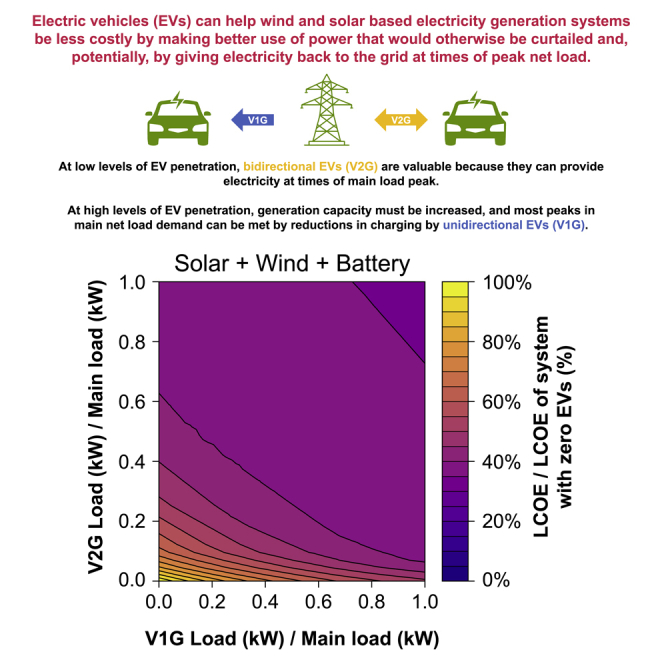
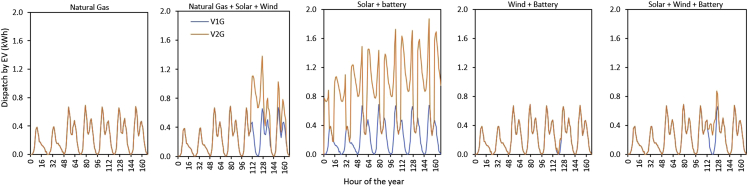
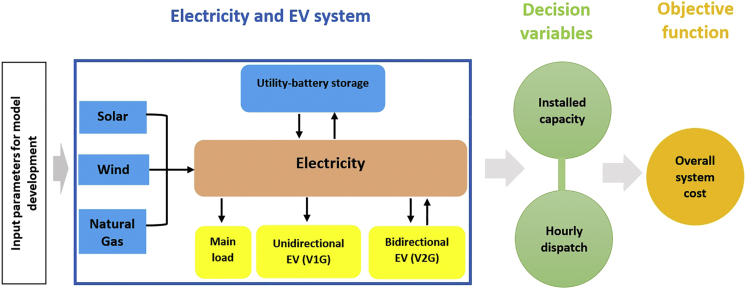
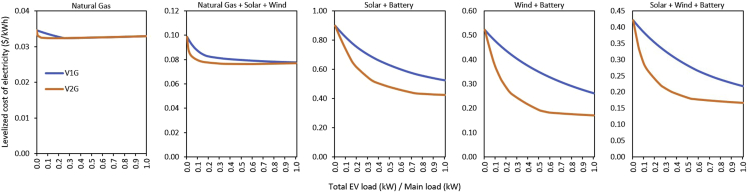
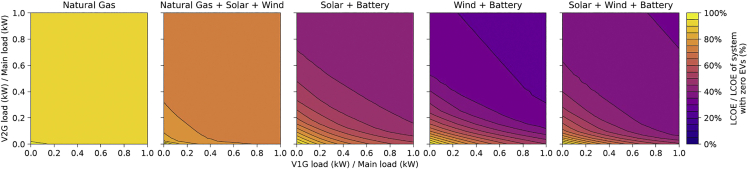
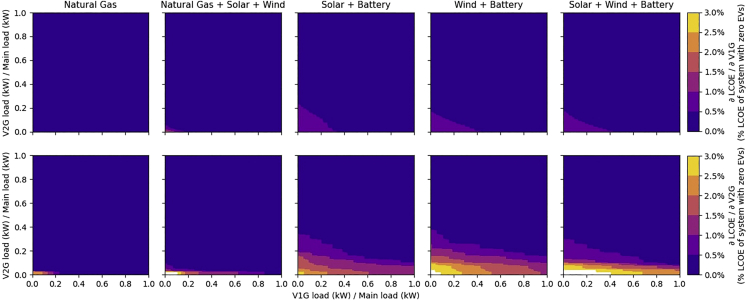
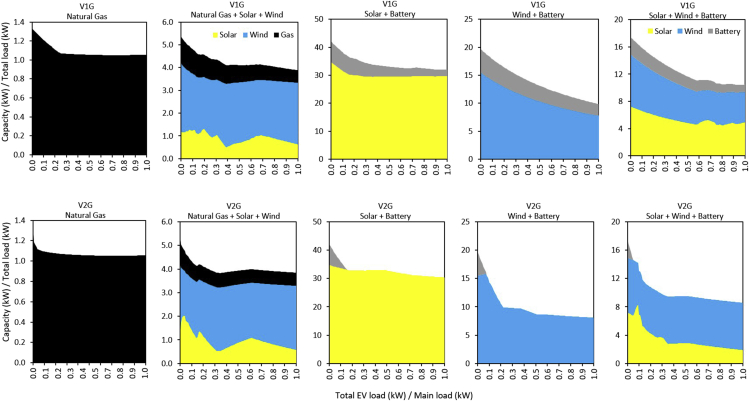
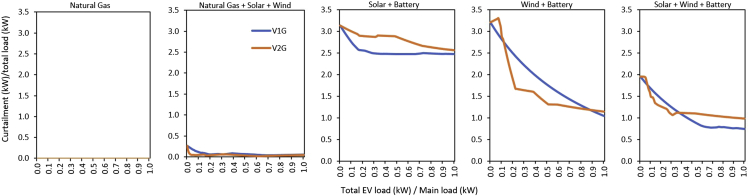
We employed an idealized macro-energy system model to examine how the value of unidirectionally- and bidirectionally-charging electric vehicles (EVs) varies with EV penetration and mix of electricity generators. We find that EVs can help wind and solar-based electricity generation systems to be less costly by making better use of power that would otherwise be curtailed and, potentially, by giving electricity back to the grid at times of peak net load. At low levels of EV penetration, bidirectional EVs are valuable because they can provide electricity at times of main load peak. At today's low levels of EV penetration, bidirectional EVs stimulate investments in solar and wind generation and substantially reduce the need for grid-battery storage compared to unidirectional EVs. At high levels of EV penetration, generation capacity must be increased, and most peaks in main net load demand can be met by reductions in charging by unidirectional EVs.
我们采用了一个理想化的宏观能源系统模型,来研究单向充电和双向充电电动汽车(EV)的价值如何随电动汽车普及率以及发电设备组合而变化。我们发现,电动汽车可以通过更好地利用原本会被削减的电力,以及在净负荷峰值时将电力回馈给电网,来帮助基于风能和太阳能的发电系统降低成本。在电动汽车普及率较低时,双向电动汽车很有价值,因为它们可以在主要负荷峰值时供电。在如今电动汽车普及率较低的情况下,与单向电动汽车相比,双向电动汽车刺激了对太阳能和风能发电的投资,并大幅减少了对电网电池储能的需求。在电动汽车普及率较高时,必须增加发电能力,并且大部分主要净负荷需求峰值可以通过单向电动汽车减少充电来满足。