Wei Leqian, Wang Shasha, Shan Mengqi, Li Yimeng, Wang Yongliang, Wang Fujun, Wang Lu, Mao Jifu
Key Laboratory of Textile Science & Technology, Ministry of Education, College of Textiles, Donghua University, Shanghai, 201620, China.
Key Laboratory of Textile Industry for Biomedical Textile Materials and Technology, Donghua University, Shanghai, 201620, China.
Bioact Mater. 2022 Oct 20;22:343-364. doi: 10.1016/j.bioactmat.2022.10.014. eCollection 2023 Apr.
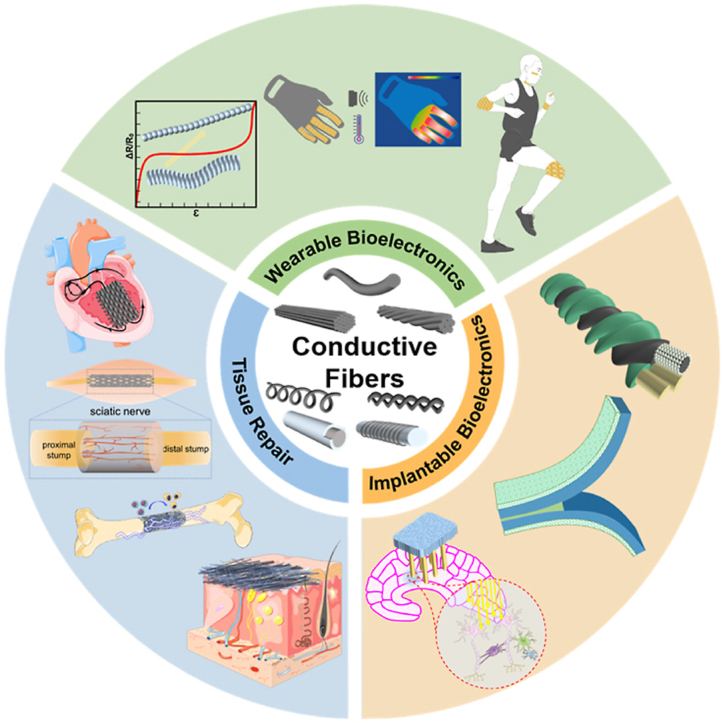
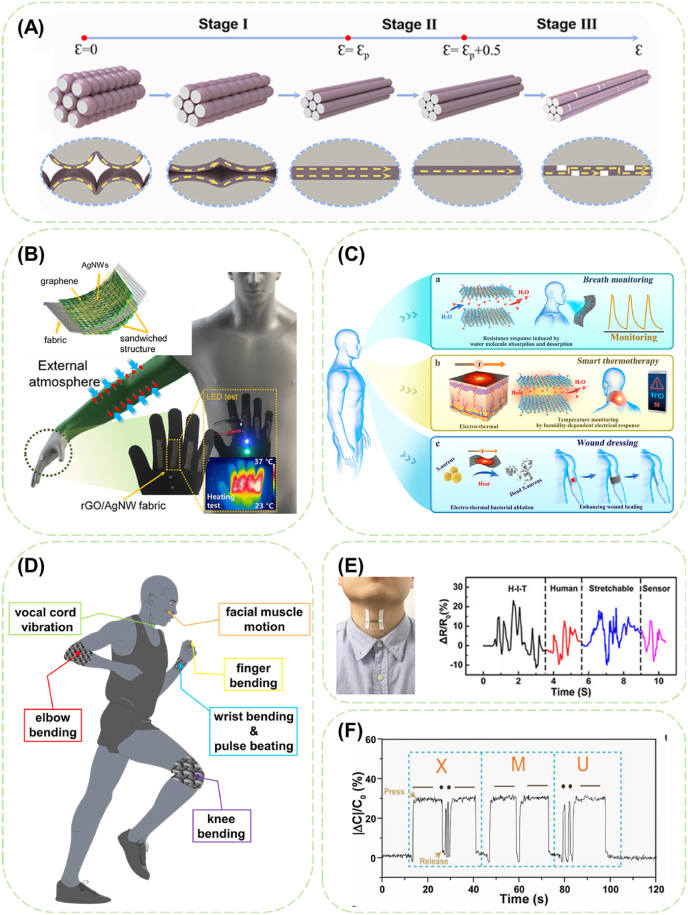
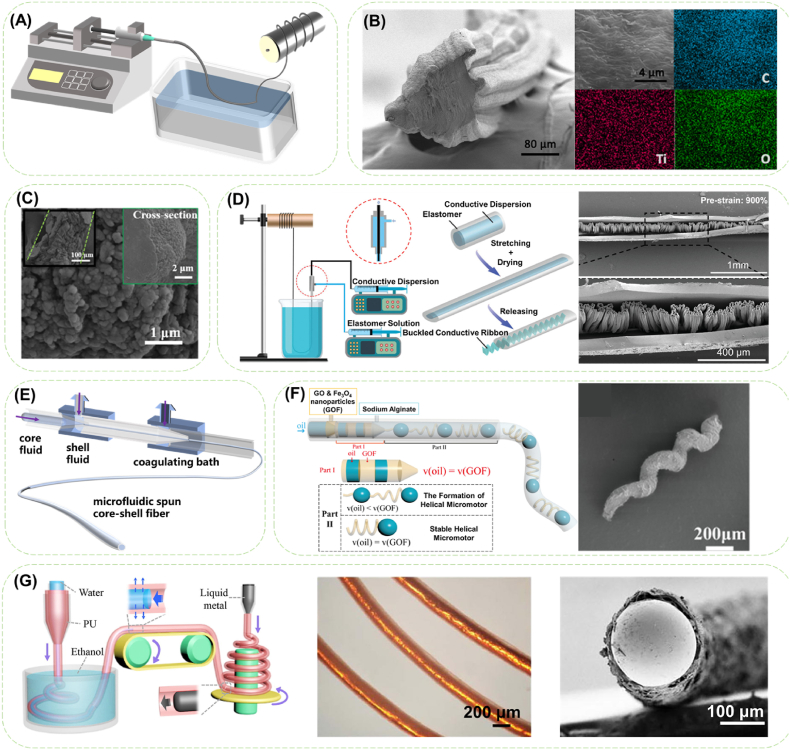
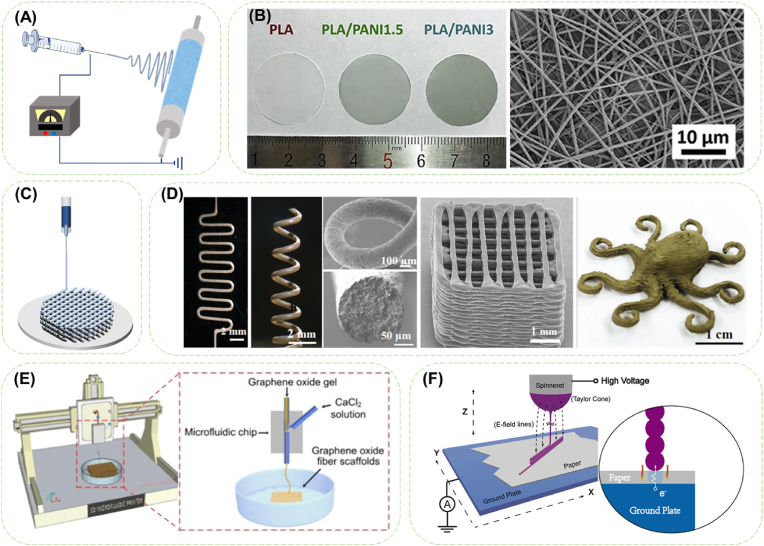
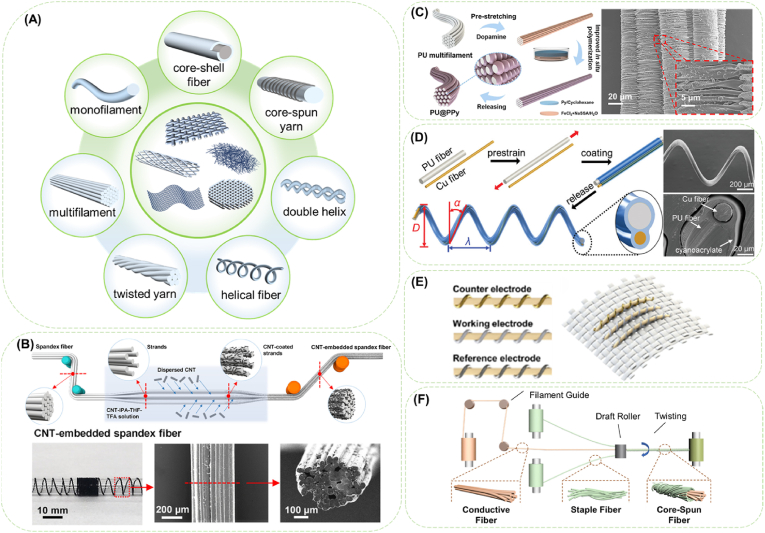
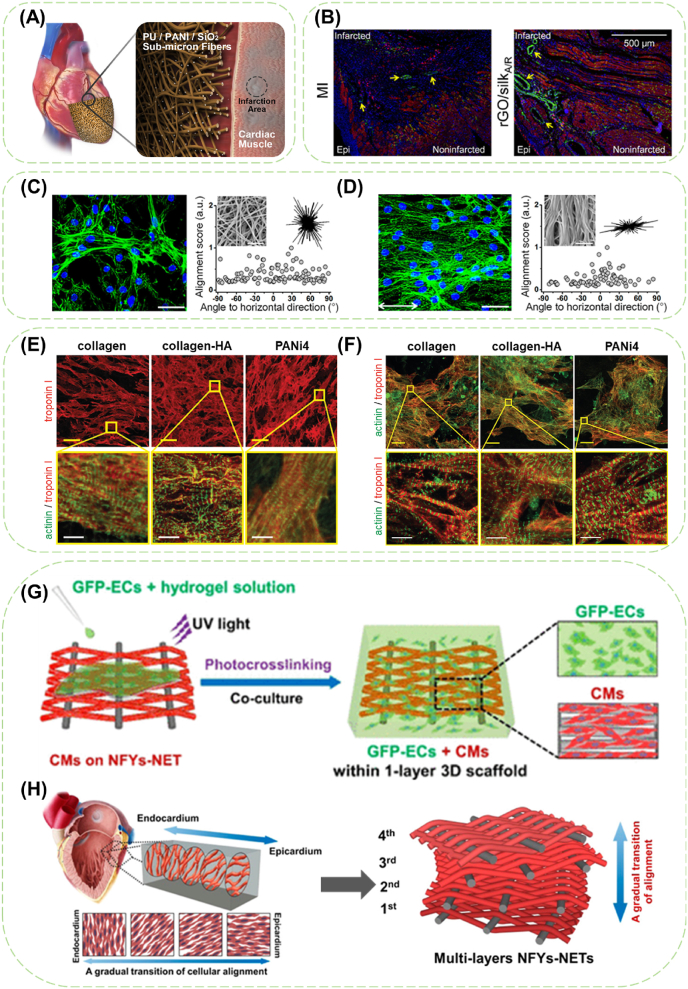
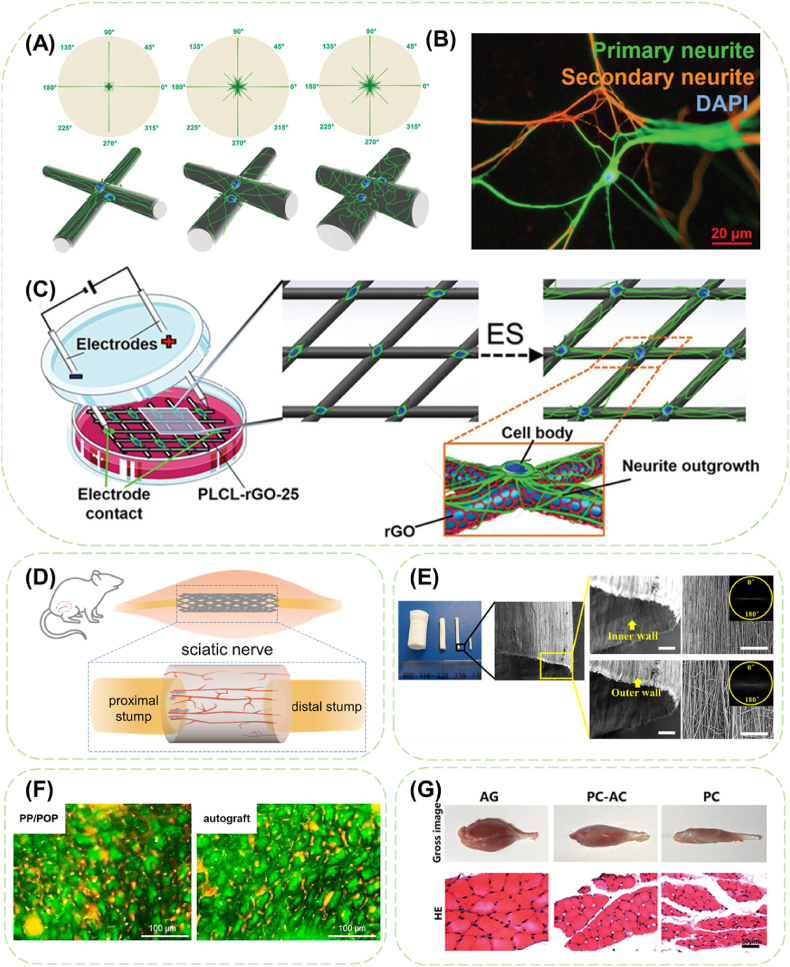
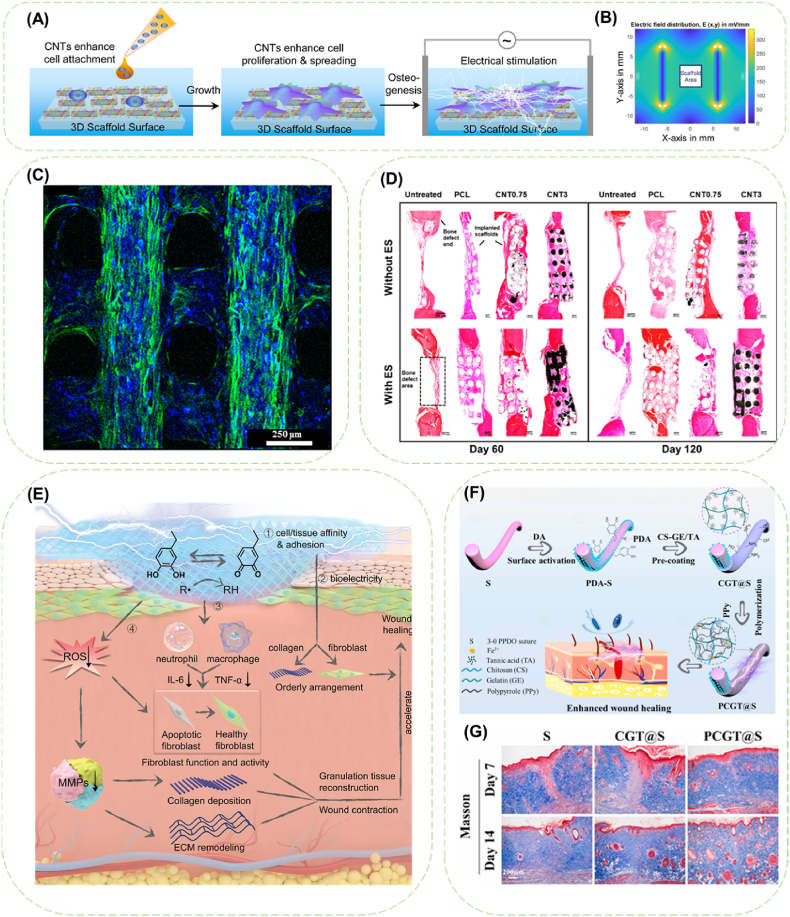
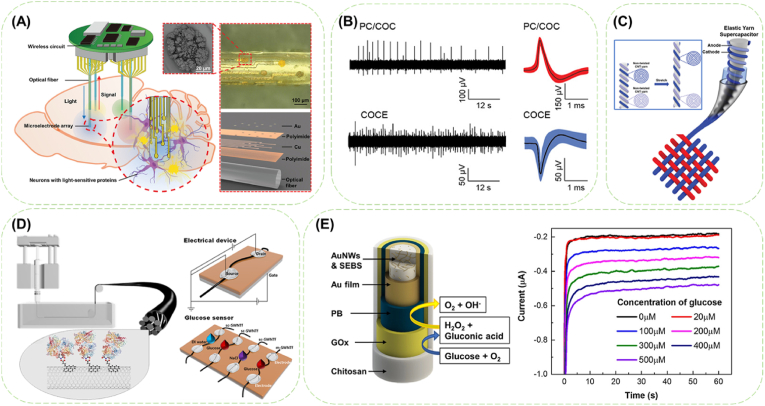
Bioelectricity has been stated as a key factor in regulating cell activity and tissue function in electroactive tissues. Thus, various biomedical electronic constructs have been developed to interfere with cell behaviors to promote tissue regeneration, or to interface with cells or tissue/organ surfaces to acquire physiological status electrical signals. Benefiting from the outstanding advantages of flexibility, structural diversity, customizable mechanical properties, and tunable distribution of conductive components, conductive fibers are able to avoid the damage-inducing mechanical mismatch between the construct and the biological environment, in return to ensure stable functioning of such constructs during physiological deformation. Herein, this review starts by presenting current fabrication technologies of conductive fibers including wet spinning, microfluidic spinning, electrospinning and 3D printing as well as surface modification on fibers and fiber assemblies. To provide an update on the biomedical applications of conductive fibers and fiber assemblies, we further elaborate conductive fibrous constructs utilized in tissue engineering and regeneration, implantable healthcare bioelectronics, and wearable healthcare bioelectronics. To conclude, current challenges and future perspectives of biomedical electronic constructs built by conductive fibers are discussed.
生物电已被认为是调节电活性组织中细胞活性和组织功能的关键因素。因此,人们开发了各种生物医学电子构建体,以干扰细胞行为来促进组织再生,或与细胞或组织/器官表面连接以获取生理状态电信号。得益于柔韧性、结构多样性、可定制的机械性能以及导电成分可调节分布等突出优点,导电纤维能够避免构建体与生物环境之间导致损伤的机械不匹配,从而确保此类构建体在生理变形过程中稳定发挥功能。在此,本综述首先介绍导电纤维的当前制造技术,包括湿法纺丝、微流纺丝、静电纺丝和3D打印,以及纤维和纤维组件的表面改性。为了更新导电纤维和纤维组件的生物医学应用,我们进一步阐述了用于组织工程与再生、植入式医疗生物电子学和可穿戴医疗生物电子学的导电纤维构建体。最后,讨论了由导电纤维构建的生物医学电子构建体当前面临的挑战和未来前景。