Defitech Center for Interventional Neurotherapies (NeuroRestore), EPFL/CHUV/UNIL, Lausanne, Switzerland.
NeuroX Institute and Brain Mind Institute, School of Life Sciences, Swiss Federal Institute of Technology (EPFL), Lausanne, Switzerland.
Nature. 2022 Nov;611(7936):540-547. doi: 10.1038/s41586-022-05385-7. Epub 2022 Nov 9.
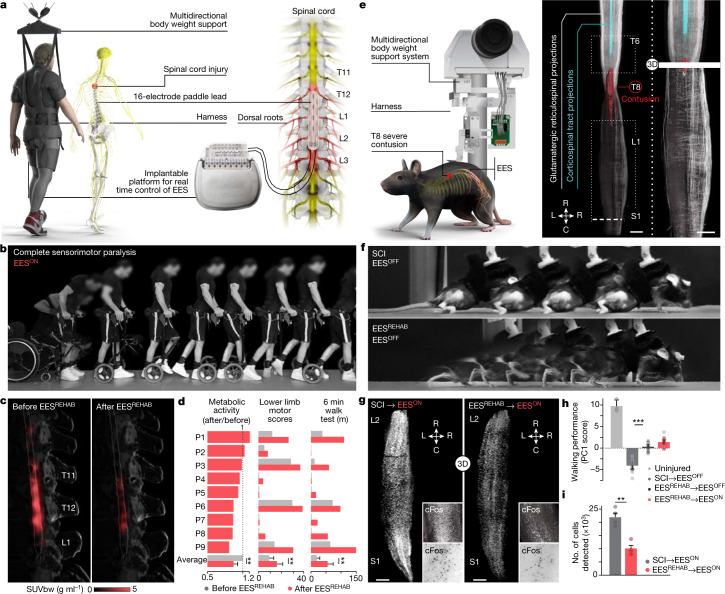
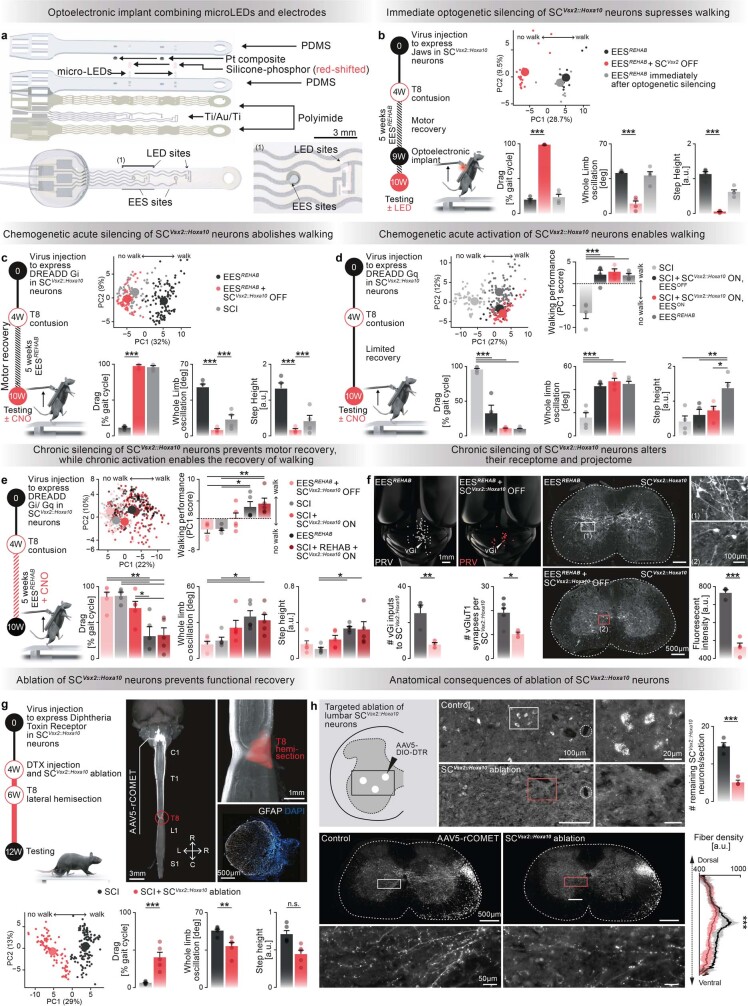
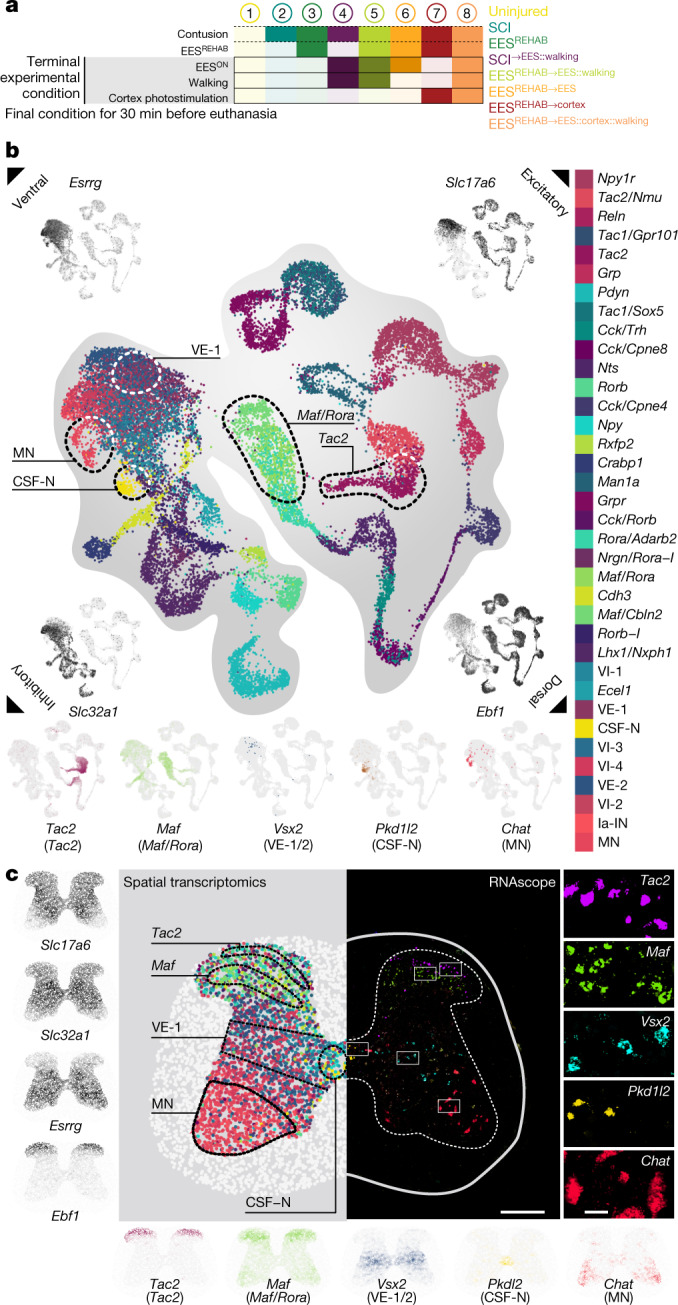
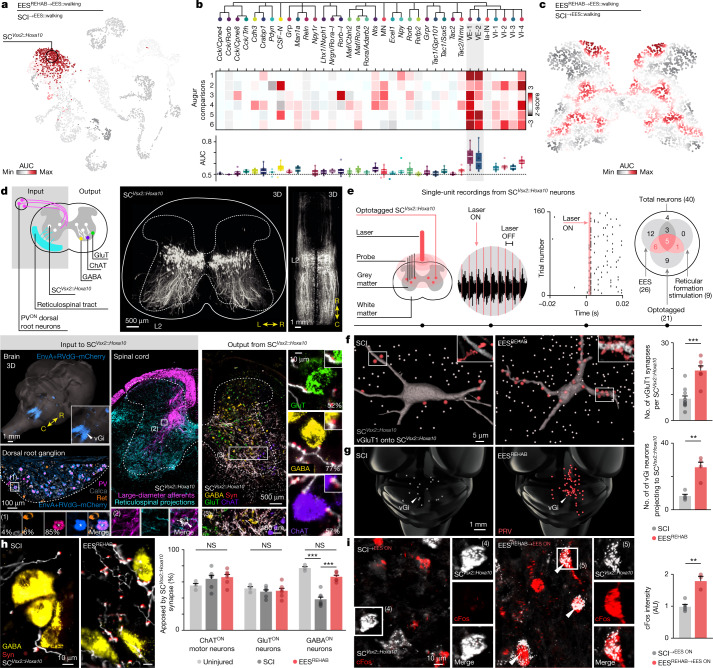
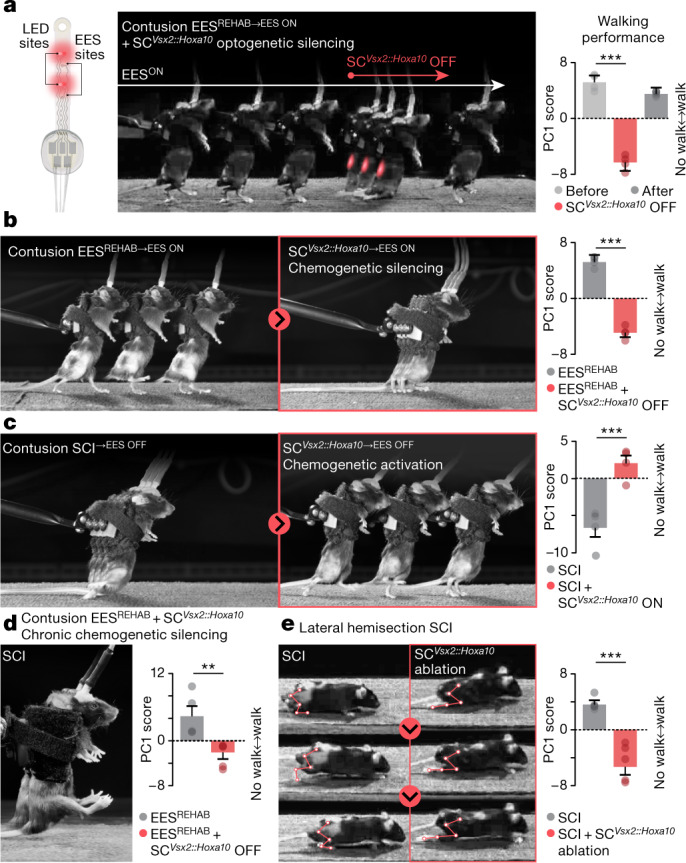
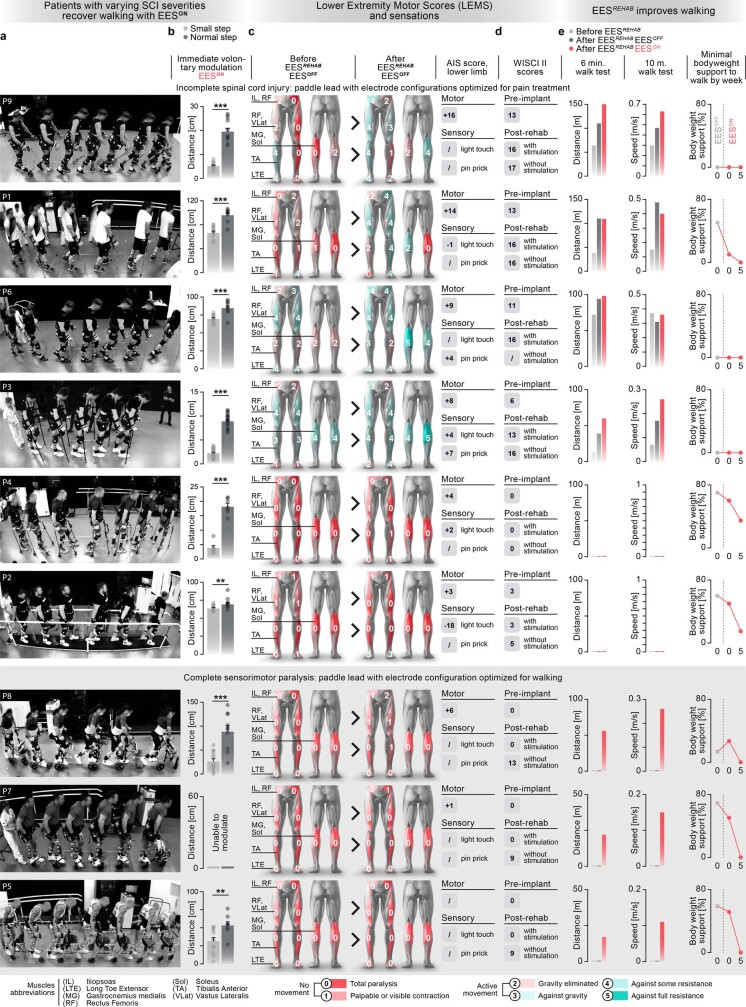
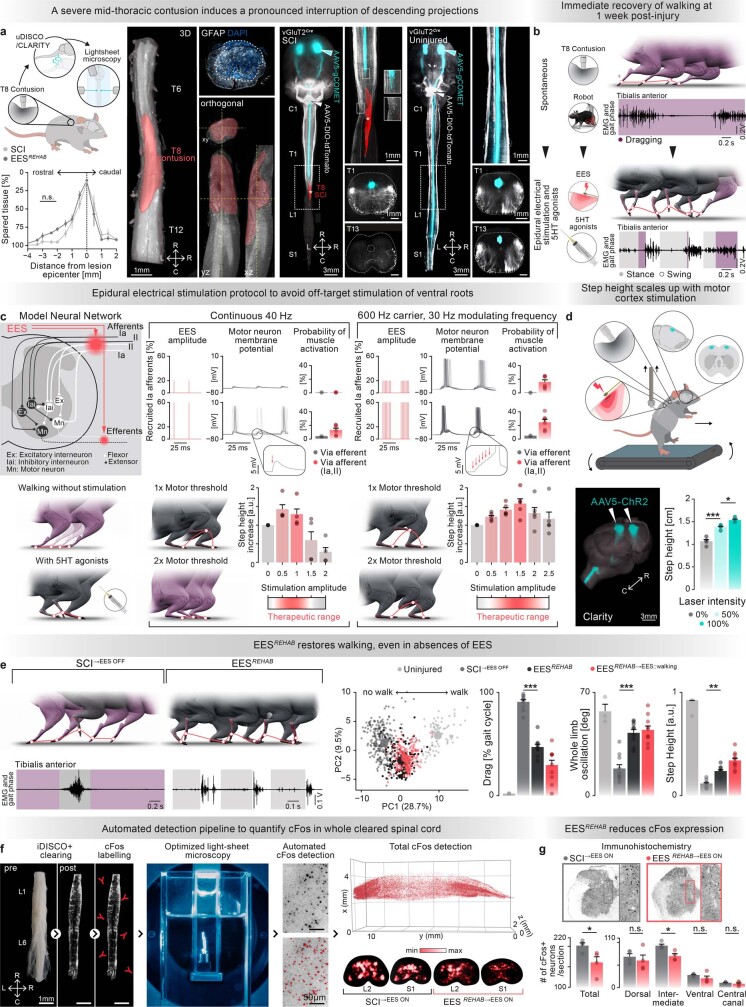
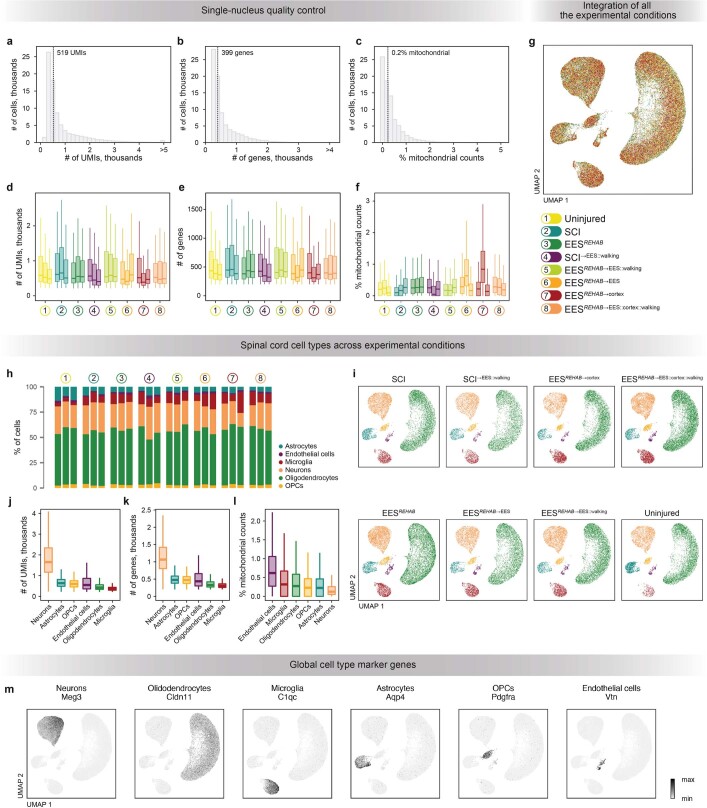
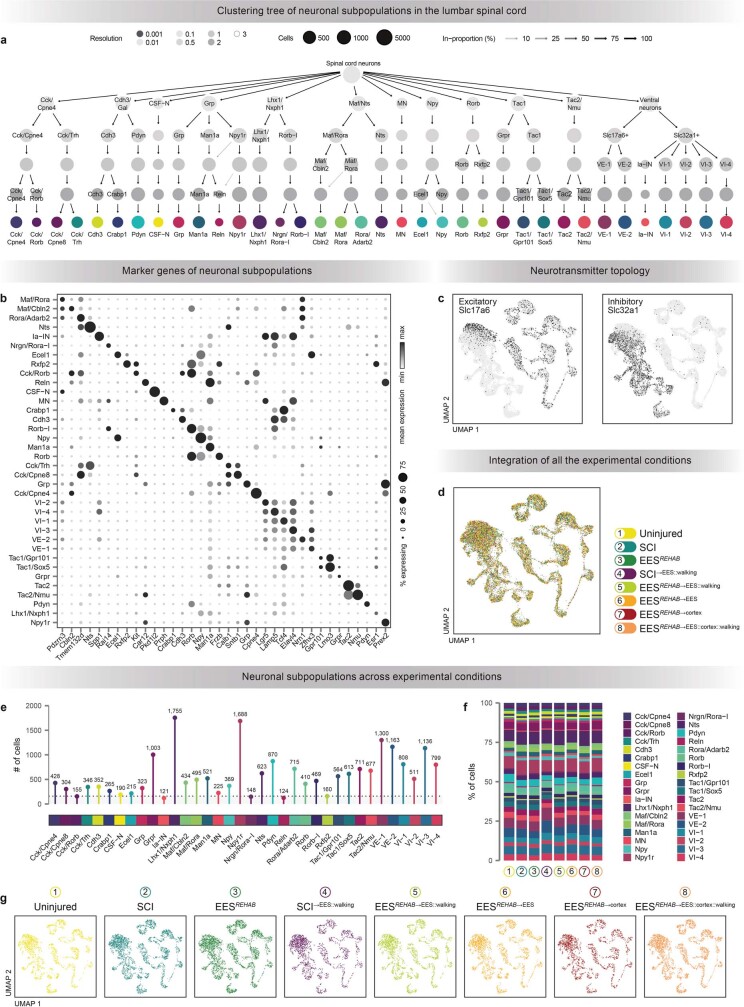
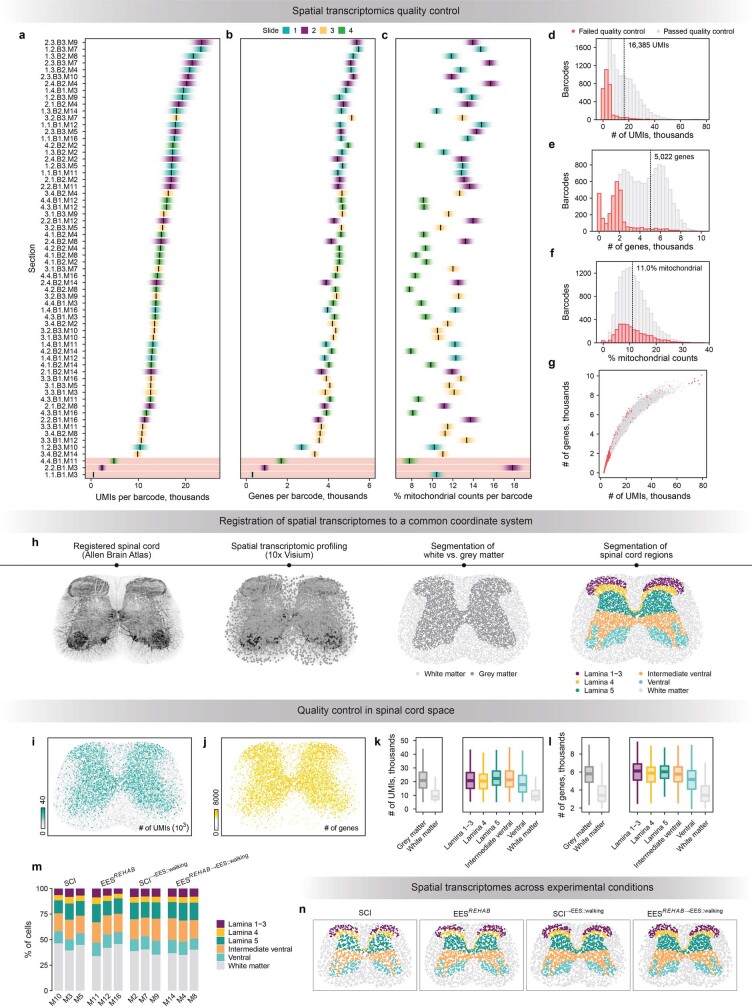
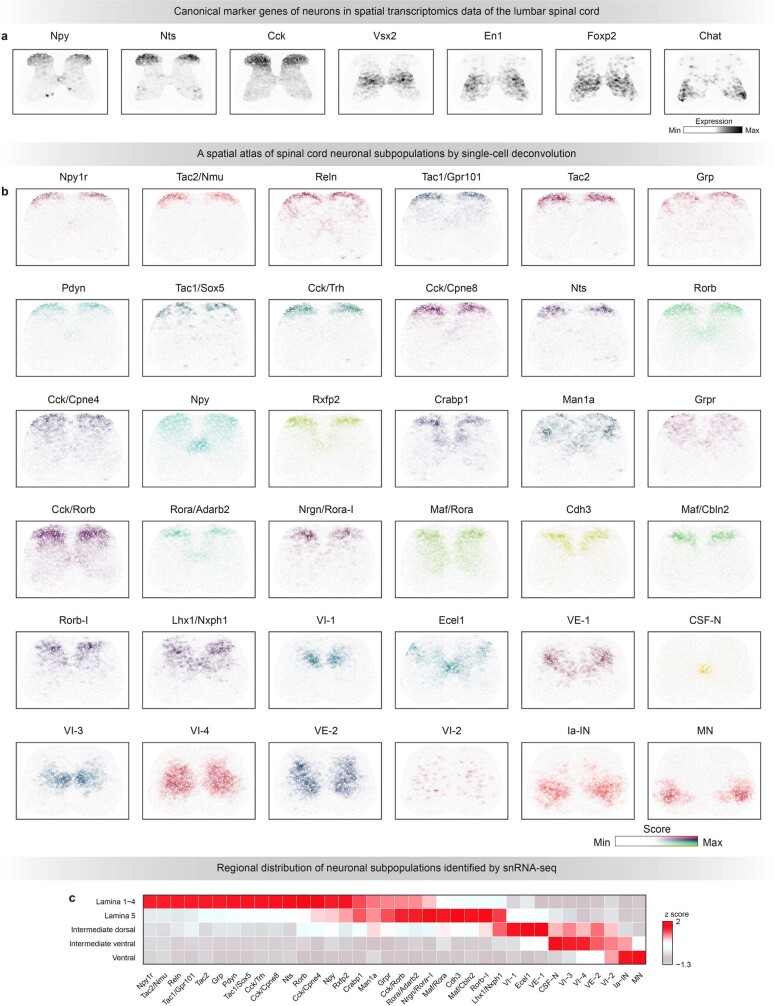
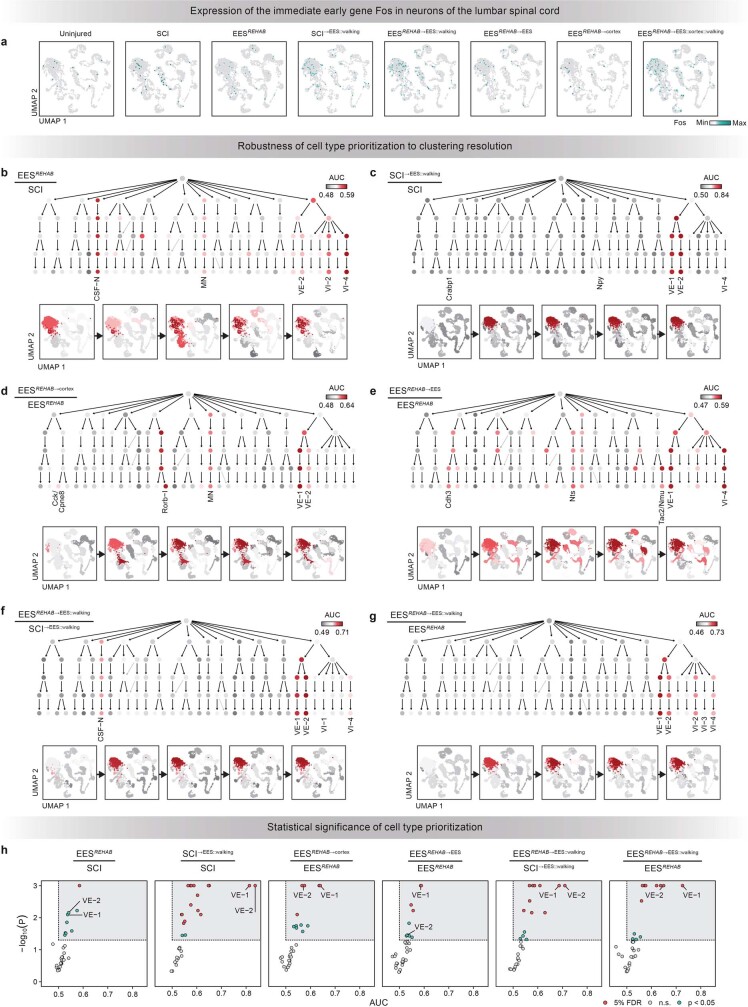
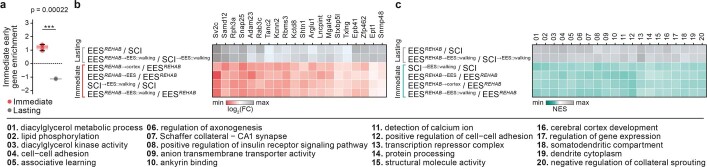
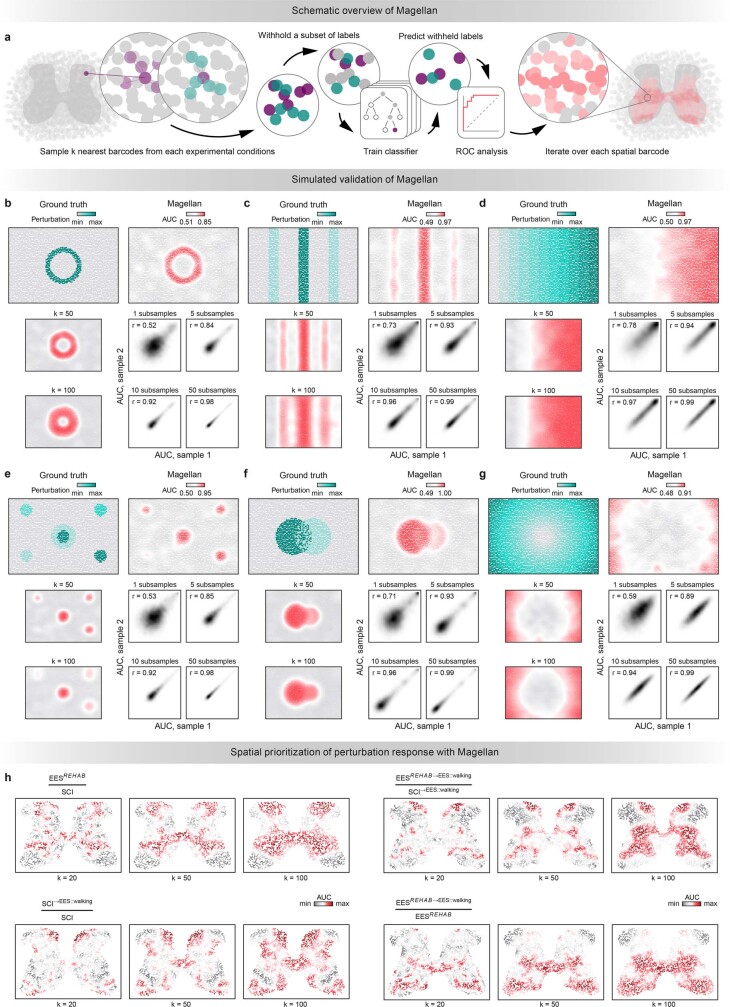
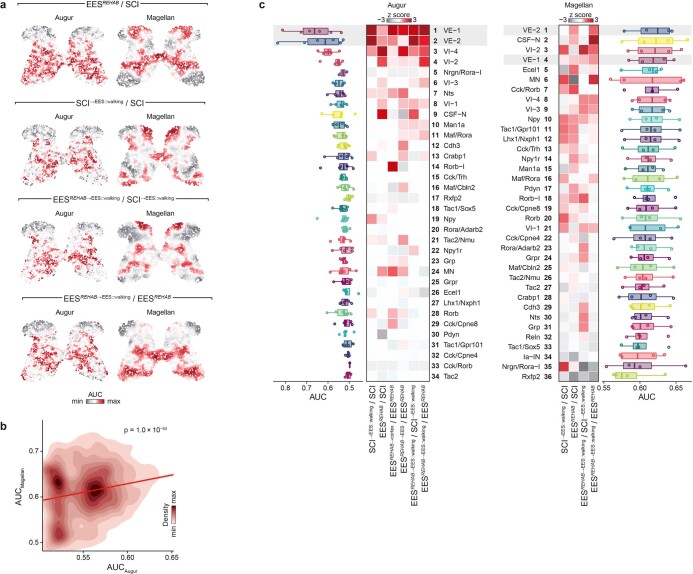
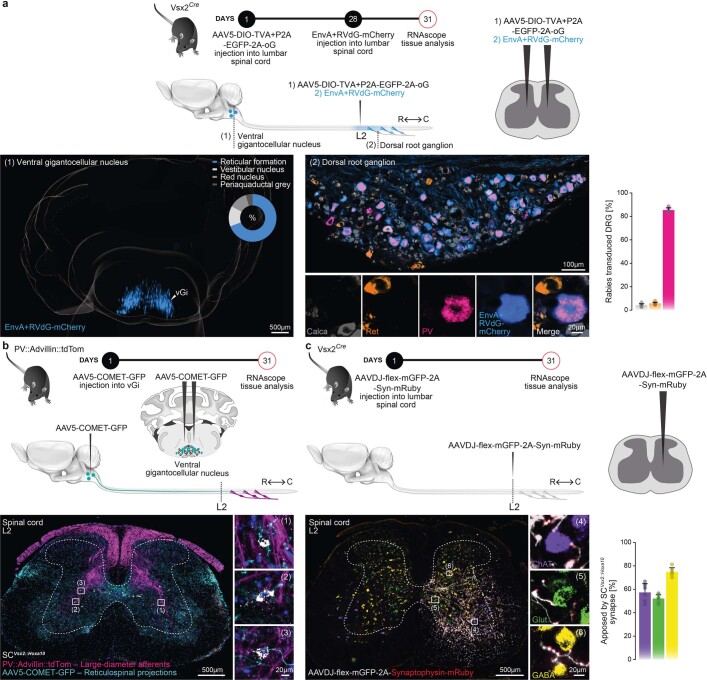
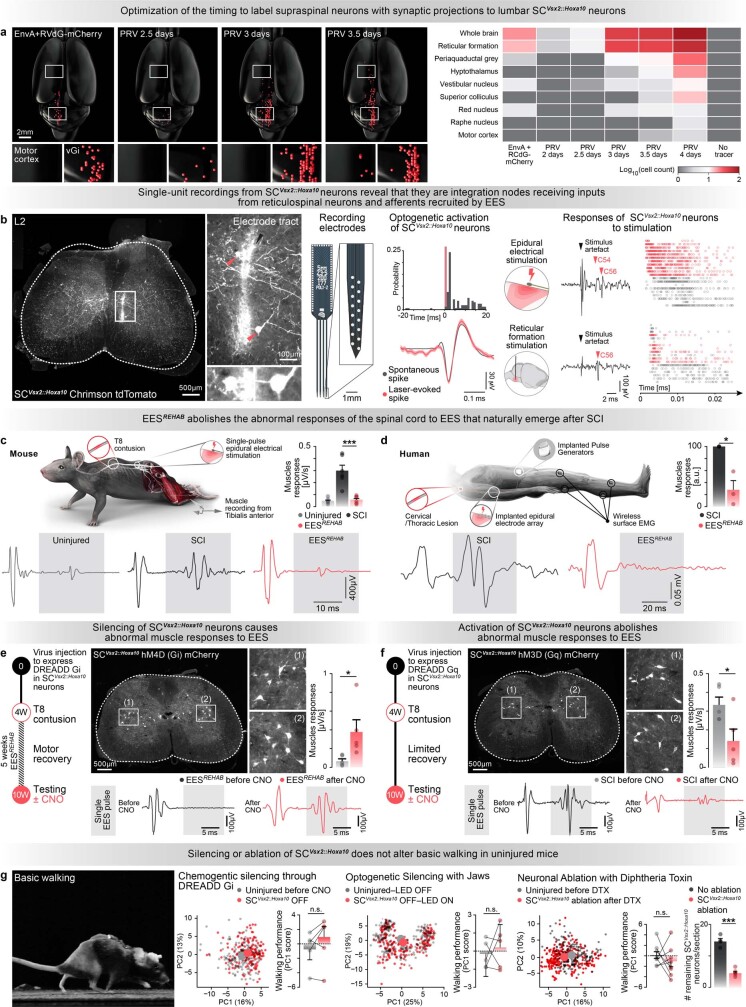
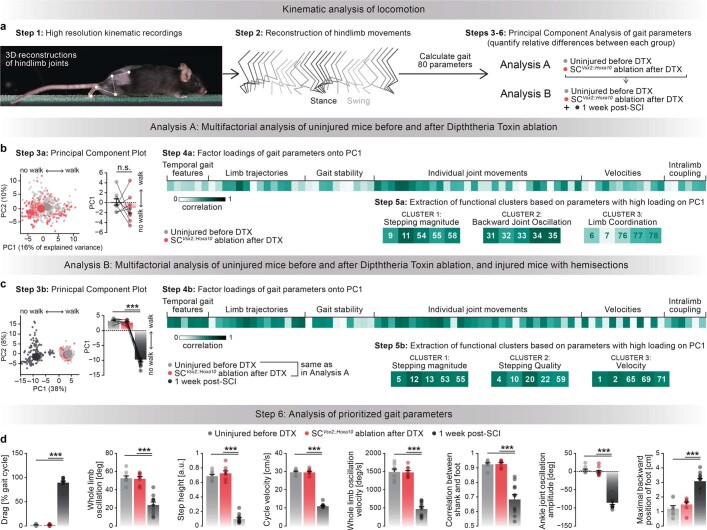
A spinal cord injury interrupts pathways from the brain and brainstem that project to the lumbar spinal cord, leading to paralysis. Here we show that spatiotemporal epidural electrical stimulation (EES) of the lumbar spinal cord applied during neurorehabilitation (EES) restored walking in nine individuals with chronic spinal cord injury. This recovery involved a reduction in neuronal activity in the lumbar spinal cord of humans during walking. We hypothesized that this unexpected reduction reflects activity-dependent selection of specific neuronal subpopulations that become essential for a patient to walk after spinal cord injury. To identify these putative neurons, we modelled the technological and therapeutic features underlying EES in mice. We applied single-nucleus RNA sequencing and spatial transcriptomics to the spinal cords of these mice to chart a spatially resolved molecular atlas of recovery from paralysis. We then employed cell type and spatial prioritization to identify the neurons involved in the recovery of walking. A single population of excitatory interneurons nested within intermediate laminae emerged. Although these neurons are not required for walking before spinal cord injury, we demonstrate that they are essential for the recovery of walking with EES following spinal cord injury. Augmenting the activity of these neurons phenocopied the recovery of walking enabled by EES, whereas ablating them prevented the recovery of walking that occurs spontaneously after moderate spinal cord injury. We thus identified a recovery-organizing neuronal subpopulation that is necessary and sufficient to regain walking after paralysis. Moreover, our methodology establishes a framework for using molecular cartography to identify the neurons that produce complex behaviours.
脊髓损伤会中断大脑和脑干投射到腰椎脊髓的通路,导致瘫痪。在这里,我们表明,在神经康复期间对腰椎脊髓进行时空硬膜外电刺激(EES)可以恢复 9 名慢性脊髓损伤患者的行走能力。这种恢复涉及到人类在行走过程中腰椎脊髓神经元活动的减少。我们假设这种出乎意料的减少反映了活动依赖性选择特定神经元亚群的情况,这些神经元对于脊髓损伤后患者行走至关重要。为了识别这些假定的神经元,我们在小鼠中模拟了 EES 的技术和治疗特征。我们对这些小鼠的脊髓进行了单细胞 RNA 测序和空间转录组学分析,以绘制出从瘫痪中恢复的空间分辨率分子图谱。然后,我们采用细胞类型和空间优先级排序来识别参与行走恢复的神经元。一个嵌套在中间层内的兴奋性中间神经元群体出现了。尽管这些神经元在脊髓损伤前行走时不需要,但我们证明它们对于 EES 后脊髓损伤后行走的恢复是必不可少的。增强这些神经元的活动可以模拟 EES 恢复行走的效果,而消融它们则会阻止中度脊髓损伤后自发出现的行走恢复。因此,我们确定了一个恢复组织化的神经元亚群,它是瘫痪后重新获得行走能力所必需和充分的。此外,我们的方法为使用分子图谱识别产生复杂行为的神经元建立了框架。