UCL Queen Square Institute of Neurology, University College London, London, UK.
UCL Queen Square Institute of Neurology, University College London, London, UK.
Med Image Anal. 2023 Feb;84:102723. doi: 10.1016/j.media.2022.102723. Epub 2022 Dec 5.
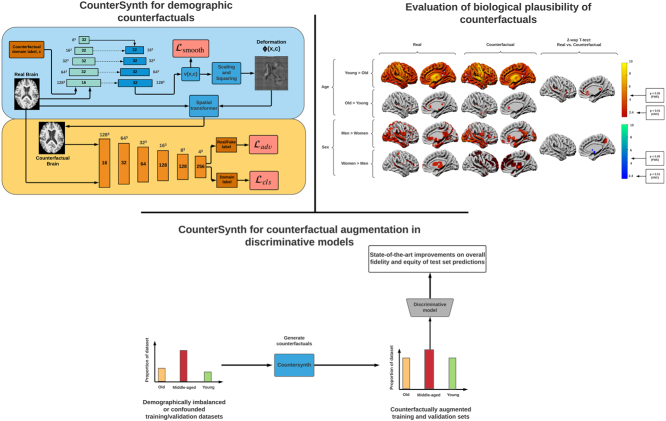
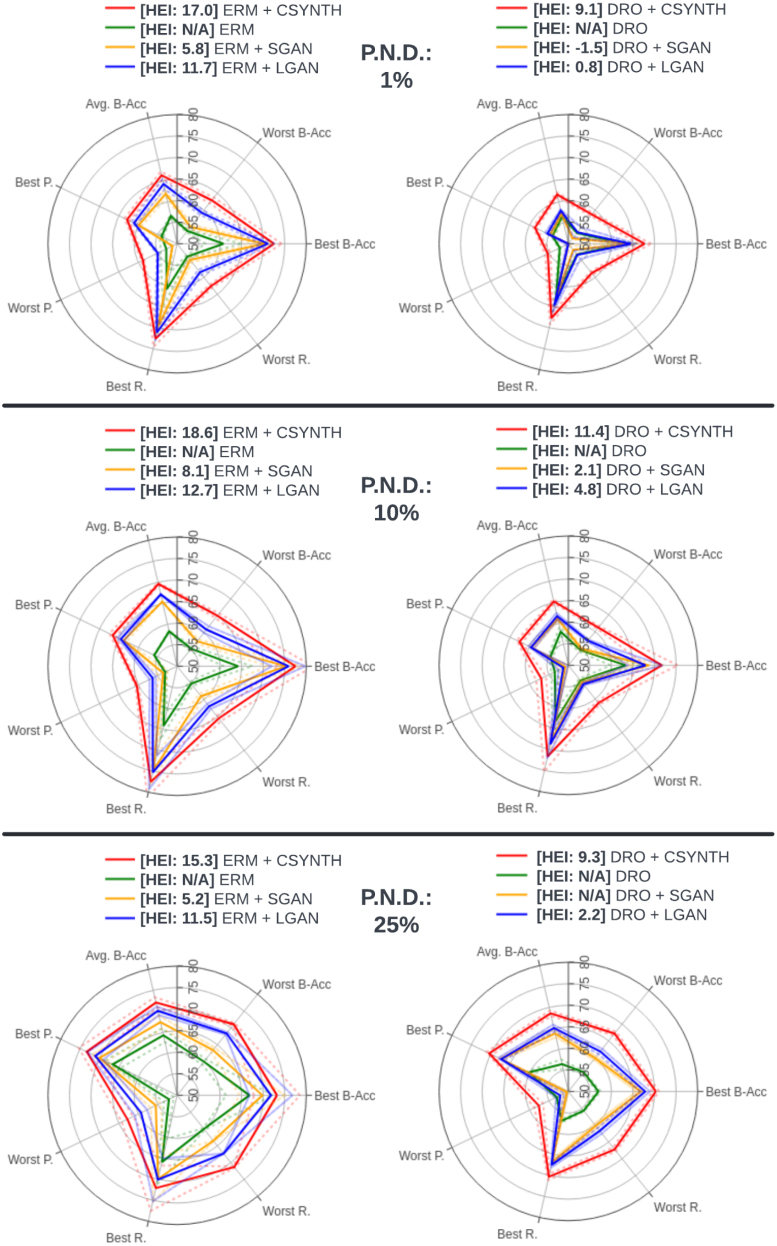
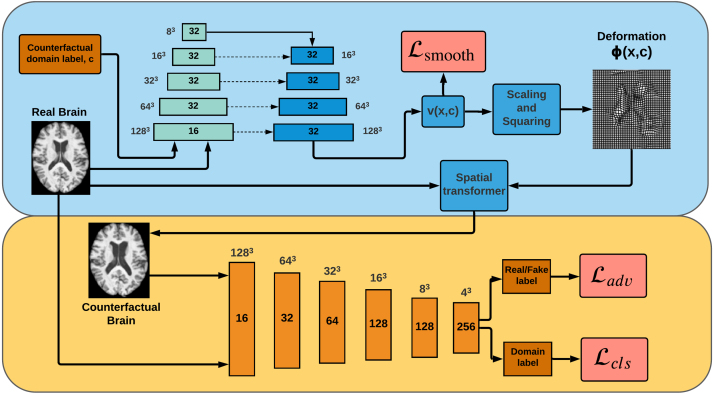
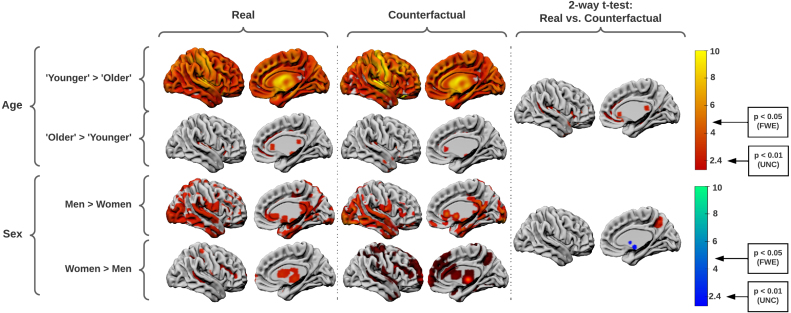
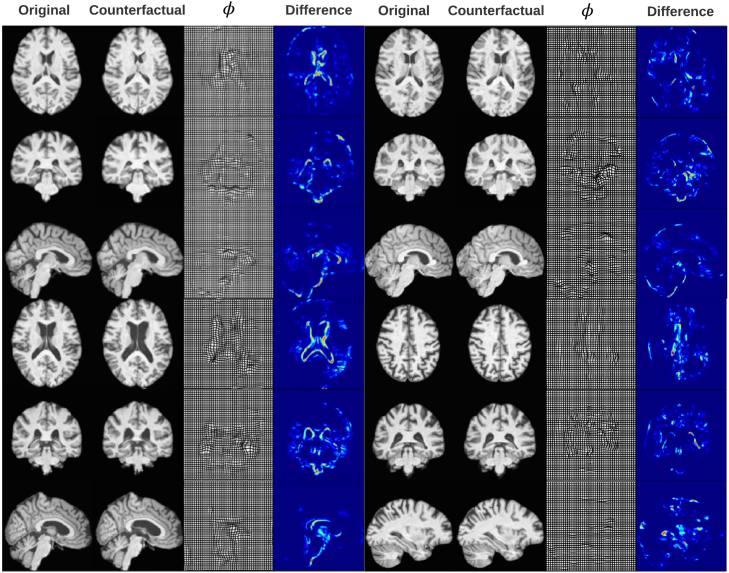
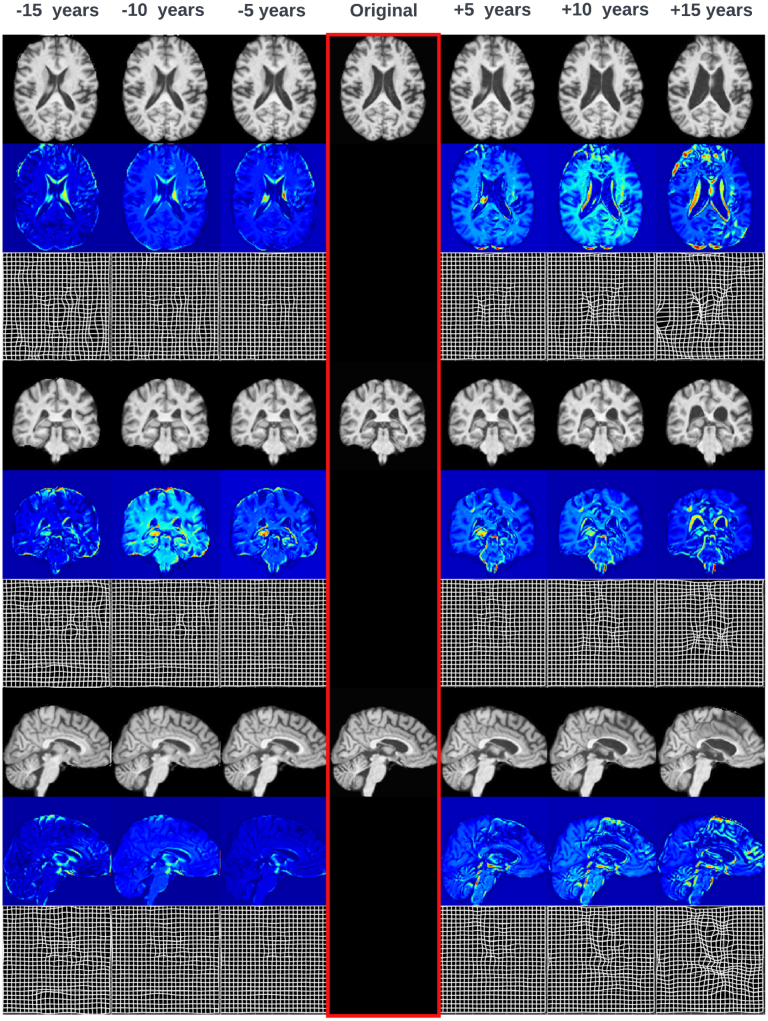
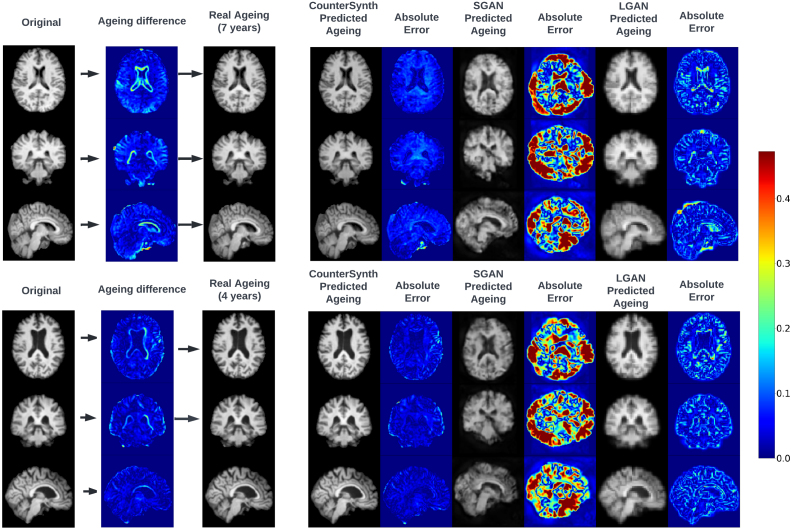
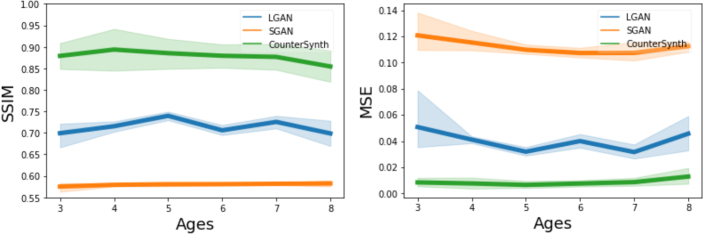
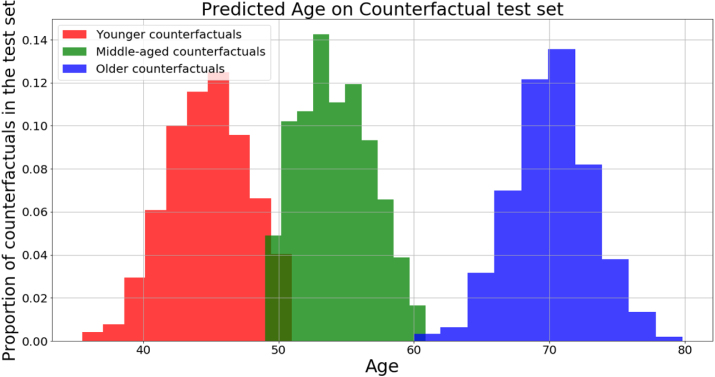
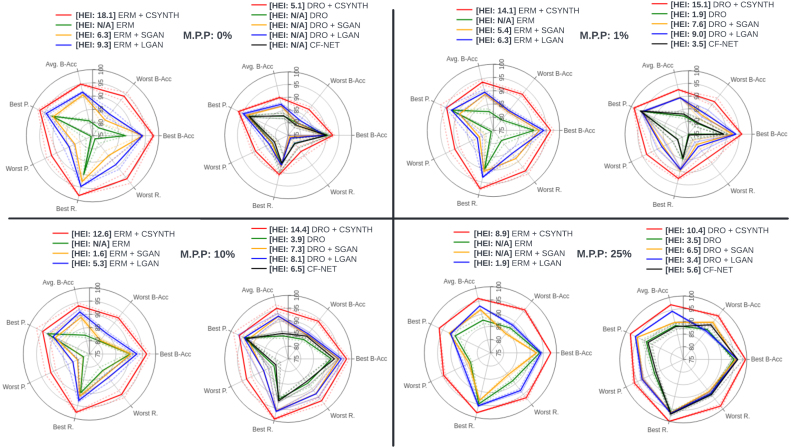
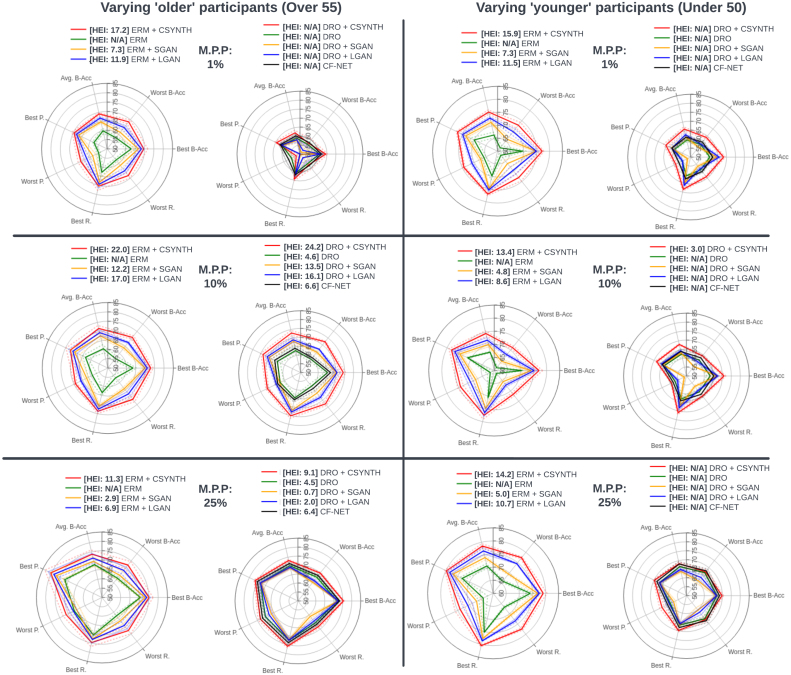
We describe CounterSynth, a conditional generative model of diffeomorphic deformations that induce label-driven, biologically plausible changes in volumetric brain images. The model is intended to synthesise counterfactual training data augmentations for downstream discriminative modelling tasks where fidelity is limited by data imbalance, distributional instability, confounding, or underspecification, and exhibits inequitable performance across distinct subpopulations. Focusing on demographic attributes, we evaluate the quality of synthesised counterfactuals with voxel-based morphometry, classification and regression of the conditioning attributes, and the Fréchet inception distance. Examining downstream discriminative performance in the context of engineered demographic imbalance and confounding, we use UK Biobank and OASIS magnetic resonance imaging data to benchmark CounterSynth augmentation against current solutions to these problems. We achieve state-of-the-art improvements, both in overall fidelity and equity. The source code for CounterSynth is available at https://github.com/guilherme-pombo/CounterSynth.
我们描述了 CounterSynth,这是一种对变形进行条件生成的模型,可以在容积式脑图像中诱导标签驱动的、具有生物学合理性的变化。该模型旨在为下游判别模型任务合成反事实的训练数据扩充,在这些任务中,保真度受到数据不平衡、分布不稳定、混杂或规范不足的限制,并且在不同的子群体之间表现出不公平的性能。我们专注于人口统计学属性,使用基于体素的形态测量学、条件属性的分类和回归以及 Fréchet inception distance 来评估合成反事实的质量。在人为的人口统计学不平衡和混杂的背景下研究下游的判别性能,我们使用 UK Biobank 和 OASIS 磁共振成像数据,将 CounterSynth 增强与这些问题的当前解决方案进行基准测试。我们在整体保真度和公平性方面都取得了最先进的改进。CounterSynth 的源代码可在 https://github.com/guilherme-pombo/CounterSynth 上获得。