Argenziano Rita, Agustin-Salazar Sarai, Panaro Andrea, Calarco Anna, Di Salle Anna, Aprea Paolo, Cerruti Pierfrancesco, Panzella Lucia, Napolitano Alessandra
Department of Chemical Sciences, University of Naples "Federico II", Via Cintia 4, I-80126 Naples, Italy.
Institute for Polymers, Composites and Biomaterials (IPCB-CNR), Via Campi Flegrei 34, I-80078 Pozzuoli, Italy.
Nanomaterials (Basel). 2023 Feb 23;13(5):821. doi: 10.3390/nano13050821.
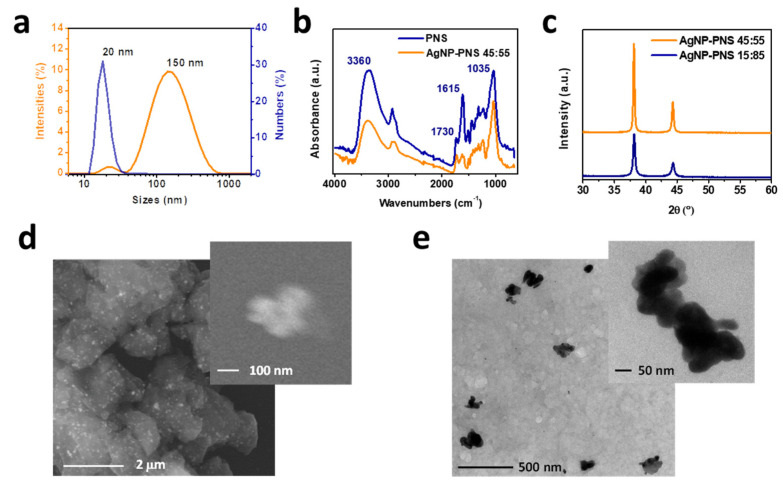
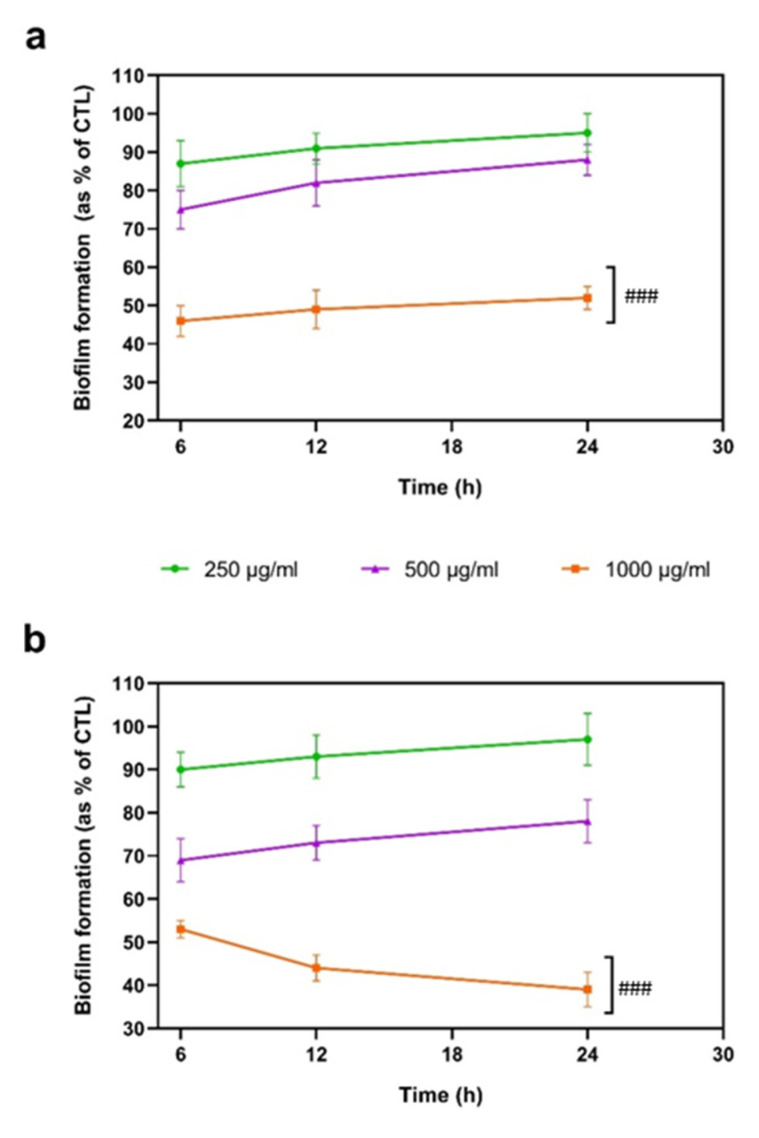
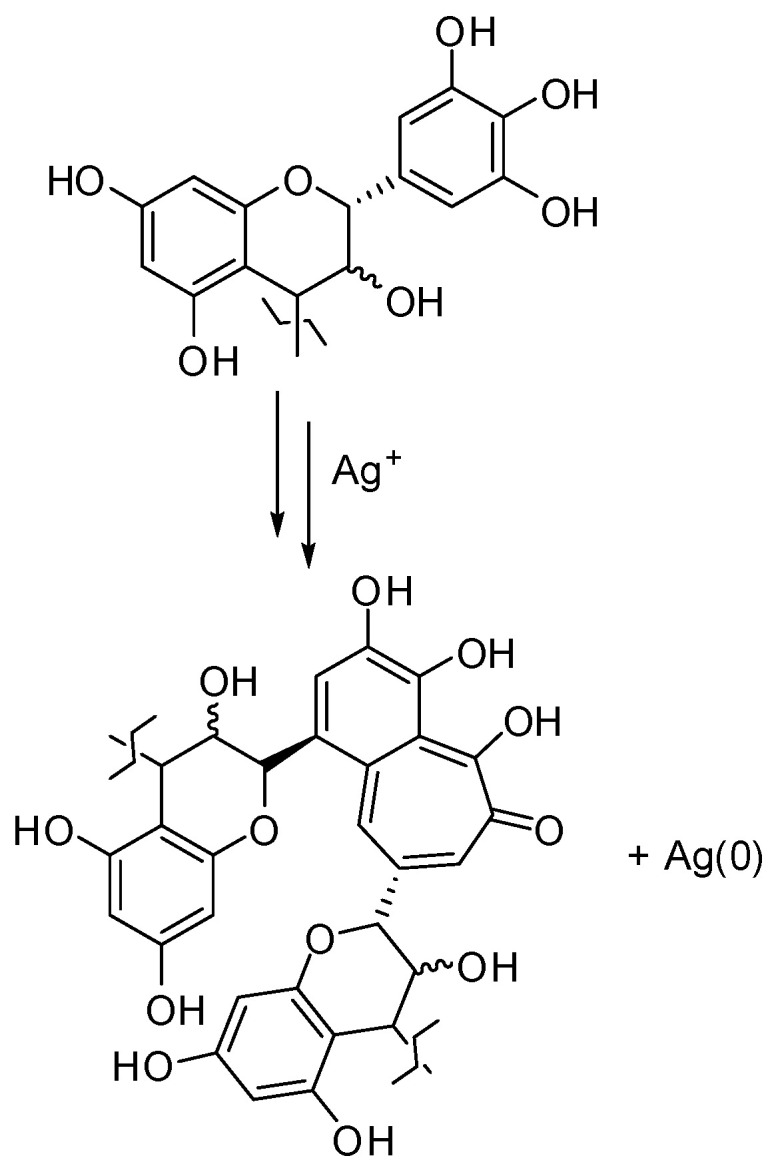
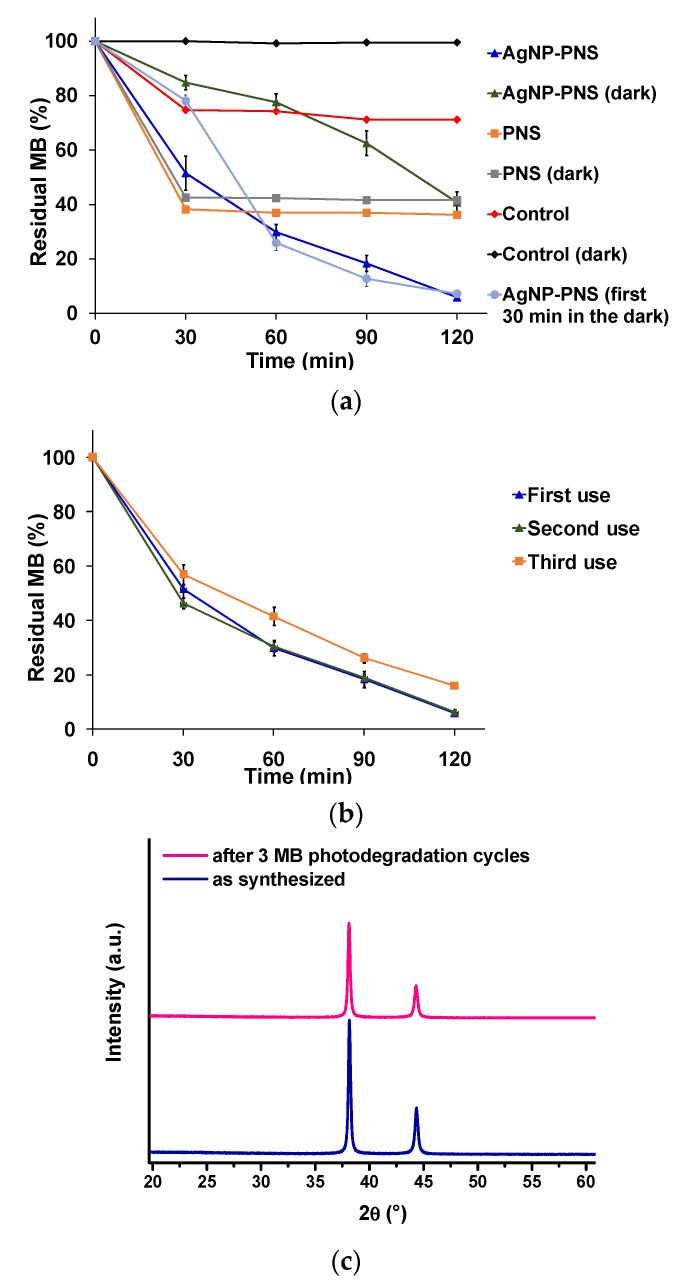
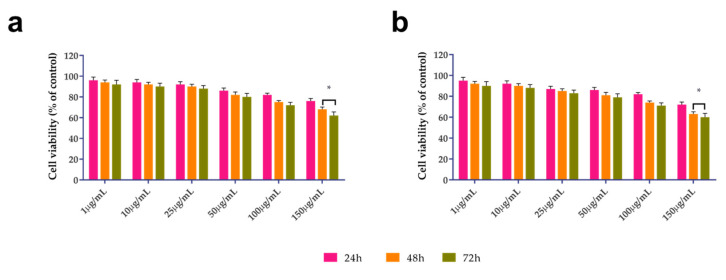
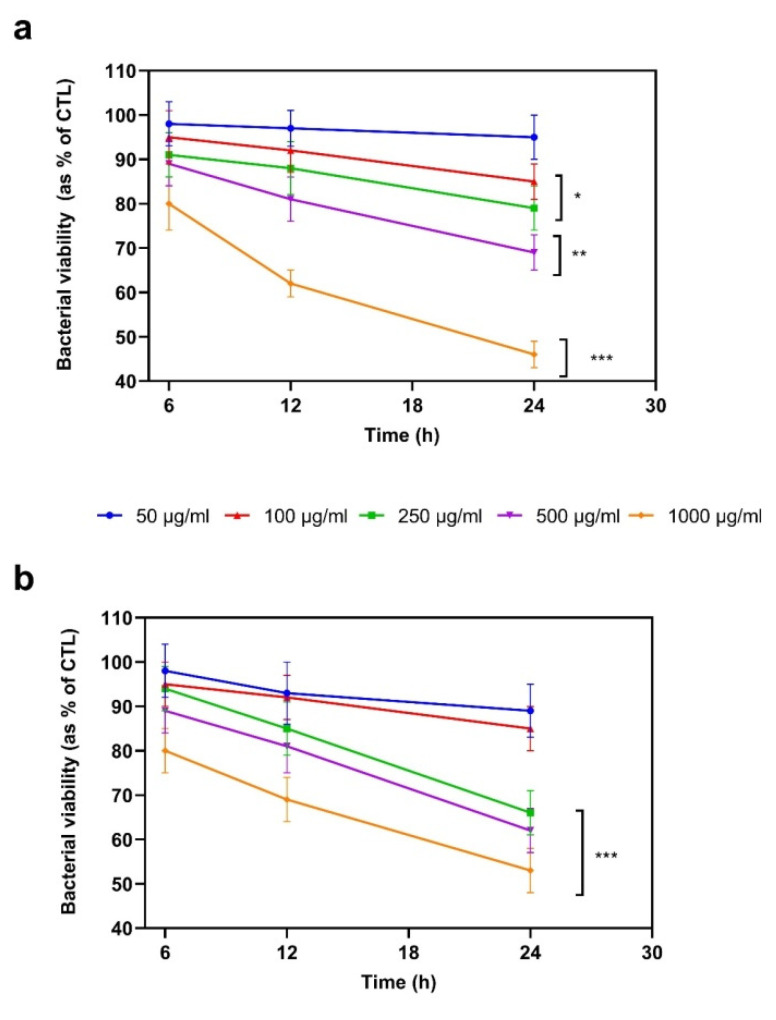
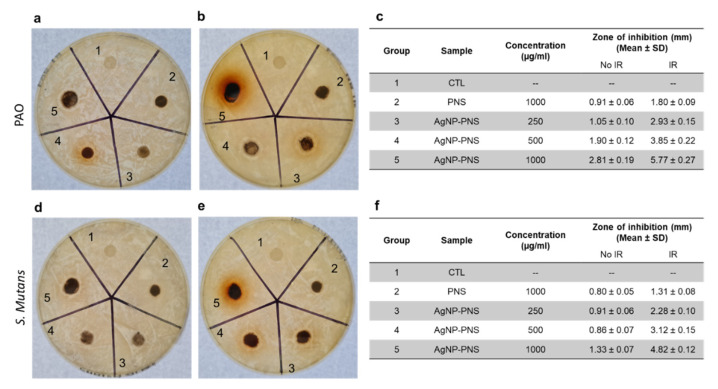
A straightforward, low-cost, and scalable solid-state mechanochemical protocol for the synthesis of silver nanoparticles (AgNP) based on the use of the highly reducing agri-food by-product pecan nutshell (PNS) is reported herein. Under optimized conditions (180 min, 800 rpm, PNS/AgNO ratio = 55/45 /), a complete reduction in silver ions was achieved, leading to a material containing ca. 36% / Ag (X-ray diffraction analysis). Dynamic light scattering and microscopic analysis showed a uniform size distribution (15-35 nm average diameter) of the spherical AgNP. The 2,2-Diphenyl-1-picrylhydrazyl (DPPH) assay revealed lower-although still absolutely high (EC = 5.8 ± 0.5 mg/mL)-antioxidant properties for PNS for the further incorporation of AgNP, supporting the efficient reduction of Ag ions by PNS phenolic compounds. Photocatalytic experiments indicated that AgNP-PNS (0.4 mg/mL) was able to induce the >90% degradation of methylene blue after 120 min visible light irradiation, with good recycling stability. Finally, AgNP-PNS demonstrated high biocompatibility and significantly light-enhanced growth inhibition properties against and at concentrations as low as 250 μg/mL, also eliciting an antibiofilm effect at 1000 μg/mL. Overall, the adopted approach allowed to reuse a cheap and abundant agri-food by-product and required no toxic or noxious chemicals, making AgNP-PNS a sustainable and easy-to-access multifunctional material.
本文报道了一种基于使用高还原性农业食品副产品山核桃壳(PNS)合成银纳米颗粒(AgNP)的直接、低成本且可扩展的固态机械化学方法。在优化条件下(180分钟,800转/分钟,PNS/AgNO比例 = 55/45),银离子实现了完全还原,得到了一种含约36% Ag的材料(X射线衍射分析)。动态光散射和显微镜分析表明球形AgNP的尺寸分布均匀(平均直径15 - 35纳米)。2,2 - 二苯基 - 1 - 苦基肼(DPPH)测定显示,PNS对于进一步掺入AgNP具有较低但仍然绝对较高的抗氧化性能(EC = 5.8 ± 0.5毫克/毫升),这支持了PNS酚类化合物对Ag离子的有效还原。光催化实验表明,AgNP - PNS(0.4毫克/毫升)在120分钟可见光照射后能够诱导亚甲基蓝>90%的降解,具有良好的循环稳定性。最后,AgNP - PNS在低至250微克/毫升的浓度下对[具体菌种1]和[具体菌种2]表现出高生物相容性和显著的光增强生长抑制特性,在1000微克/毫升时还引发了抗生物膜效应。总体而言,所采用的方法能够重新利用一种廉价且丰富的农业食品副产品,并且无需有毒或有害化学物质,使得AgNP - PNS成为一种可持续且易于获取的多功能材料。