Materials Science and Engineering, Gebze Technical University, 41400, Gebze, Turkey.
Industrial Engineering, Giresun University, 28200, Giresun, Turkey.
Sci Rep. 2023 Apr 25;13(1):6773. doi: 10.1038/s41598-023-33992-5.
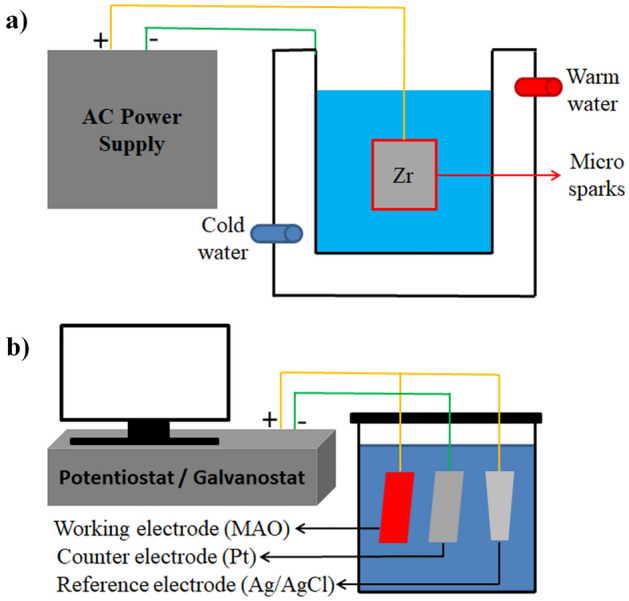
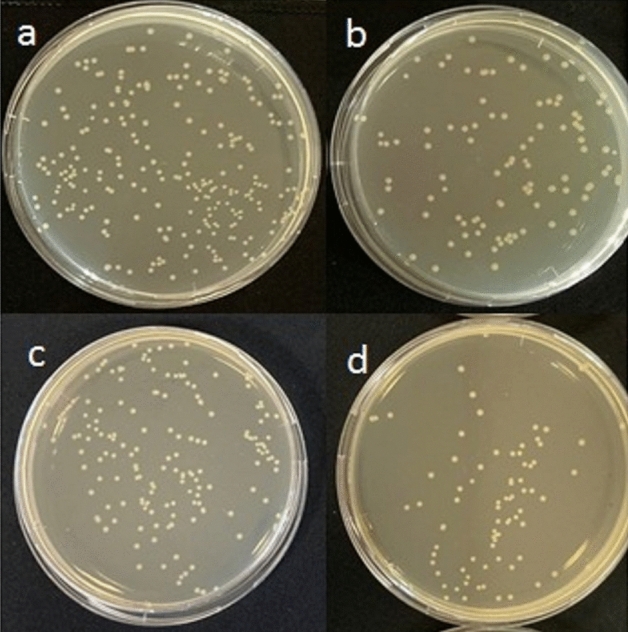
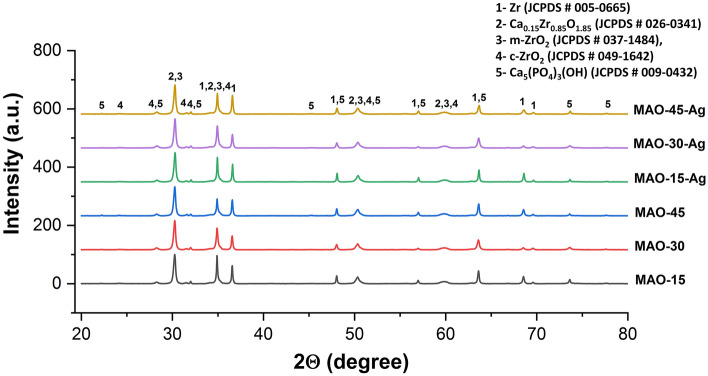
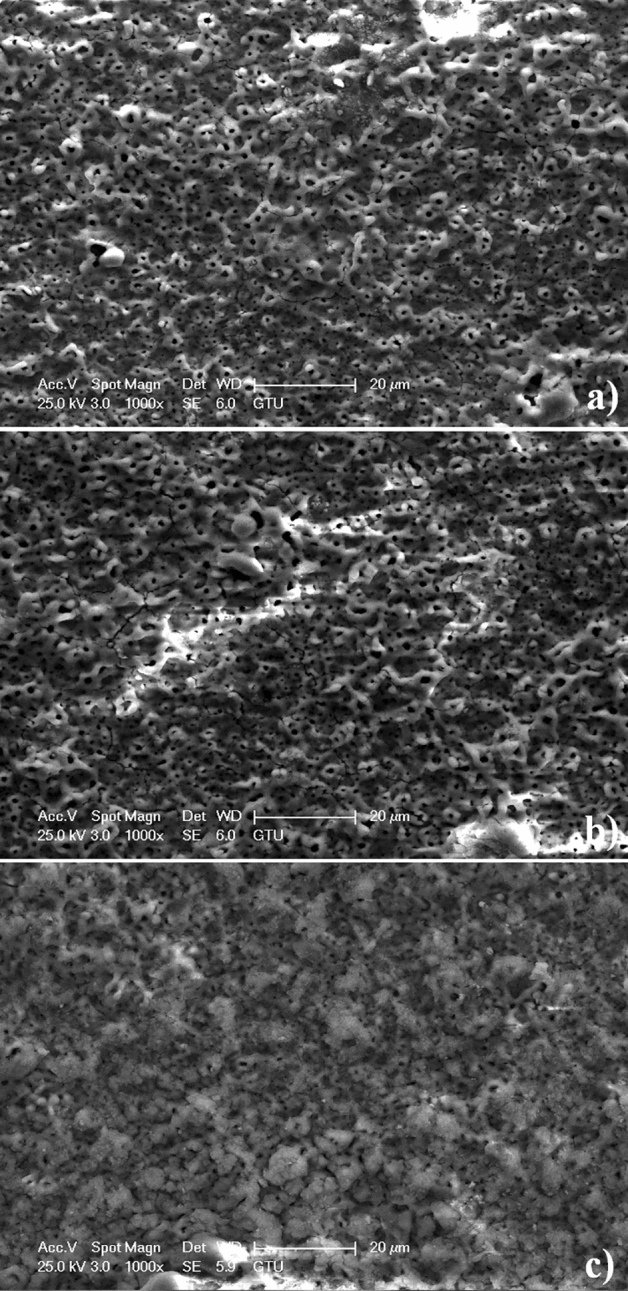
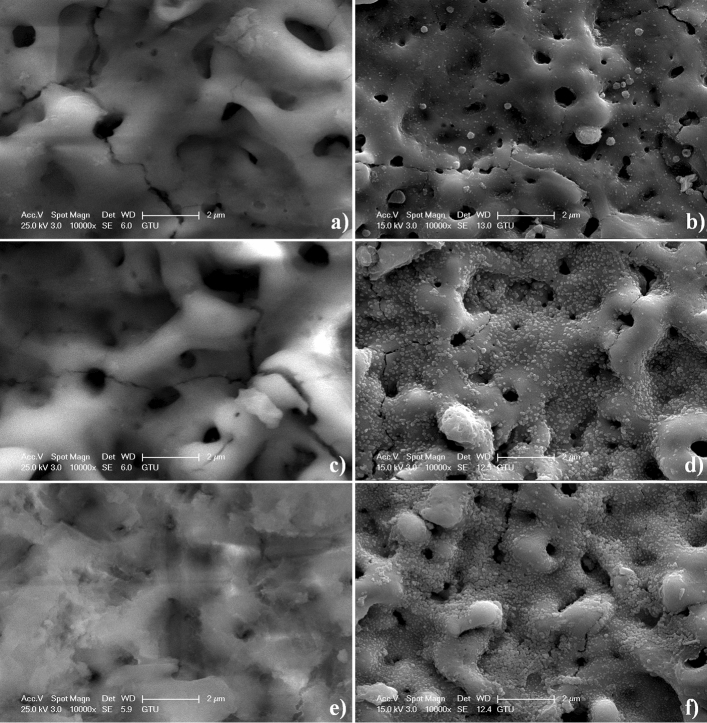
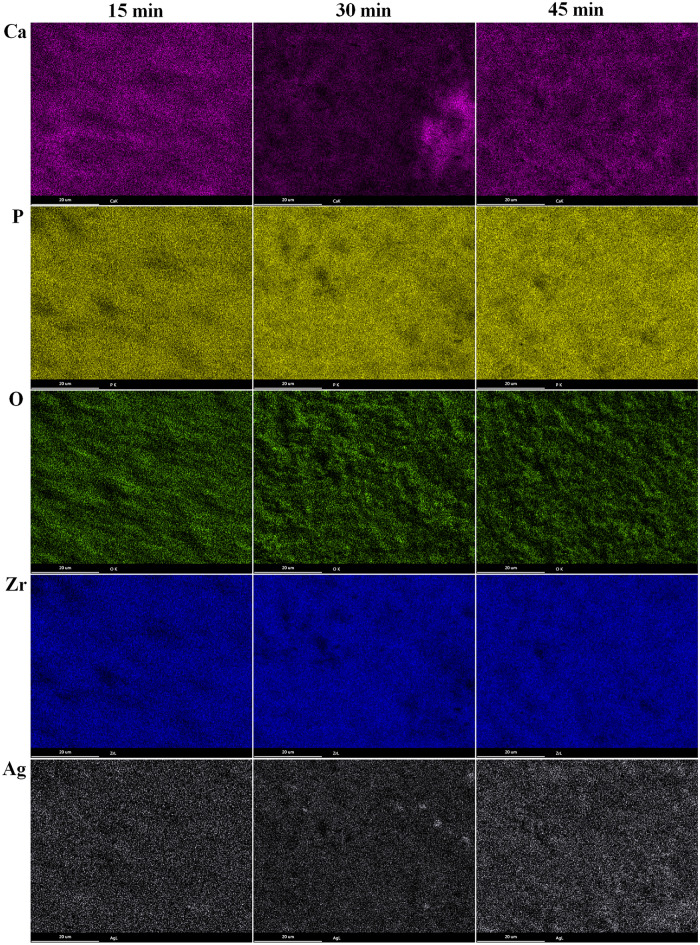
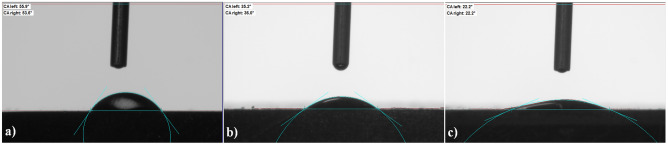
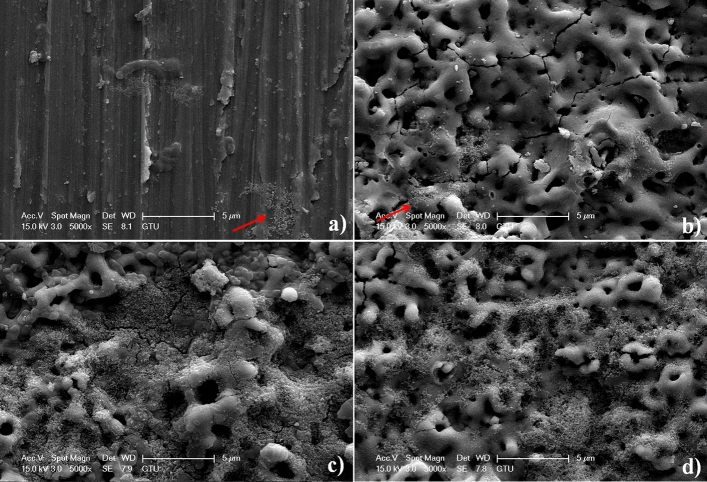
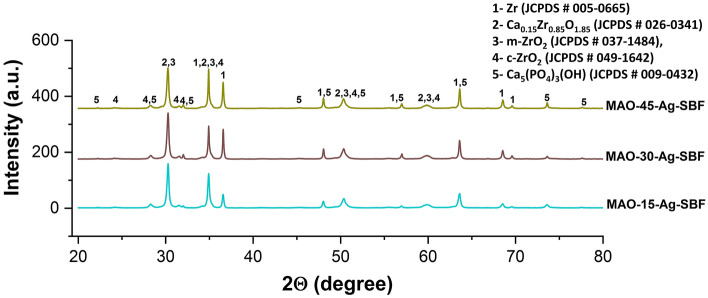
The infections leading to failed implants can be controlled mainly by metal and metal oxide-based nanoparticles. In this work, the randomly distributed AgNPs-doped onto hydroxyapatite-based surfaces were produced on zirconium by micro arc oxidation (MAO) and electrochemical deposition processes. The surfaces were characterized by XRD, SEM, EDX mapping and EDX area and contact angle goniometer. AgNPs-doped MAO surfaces, which is beneficial for bone tissue growth exhibited hydrophilic behaviors. The bioactivity of the AgNPs-doped MAO surfaces is improved compared to bare Zr substrate under SBF conditions. Importantly, the AgNPs-doped MAO surfaces exhibited antimicrobial activity for E. coli and S. aureus compared to control samples.
主要通过基于金属和金属氧化物的纳米粒子来控制导致植入物失败的感染。在这项工作中,通过微弧氧化 (MAO) 和电化学沉积工艺,在锆上制备了随机分布的掺杂羟基磷灰石表面的 AgNPs。通过 XRD、SEM、EDX 映射和 EDX 面积以及接触角测角仪对表面进行了表征。掺杂 AgNPs 的 MAO 表面表现出亲水性,有利于骨组织生长。与裸 Zr 基底相比,在 SBF 条件下,掺杂 AgNPs 的 MAO 表面的生物活性得到了提高。重要的是,与对照样品相比,掺杂 AgNPs 的 MAO 表面对大肠杆菌和金黄色葡萄球菌表现出抗菌活性。