Fujian Key Laboratory of Oral Diseases & Fujian Provincial Engineering Research Center of Oral Biomaterial & Stomatological Key laboratory of Fujian College and University, School and Hospital of Stomatology, Fujian Medical University, Fuzhou, People's Republic of China.
Institute of Stomatology & Laboratory of Oral Tissue Engineering, School and Hospital of Stomatology, Fujian Medical University, Fuzhou, 350002, People's Republic of China.
J Nanobiotechnology. 2023 Jul 13;21(1):223. doi: 10.1186/s12951-023-01982-4.
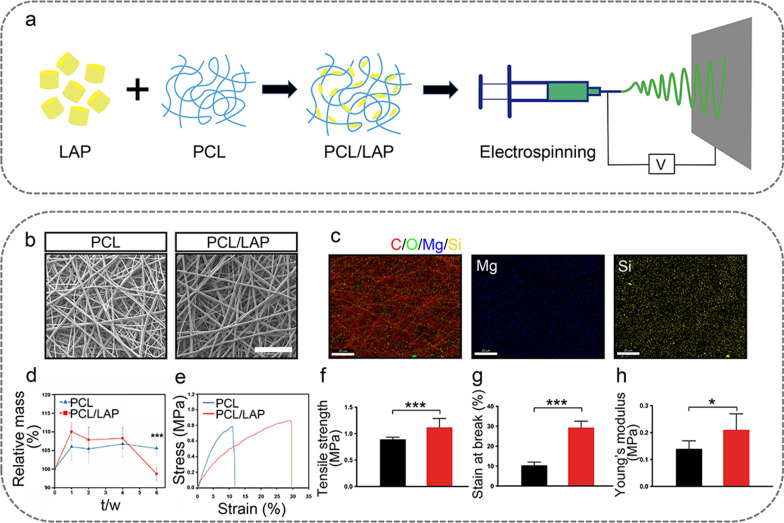
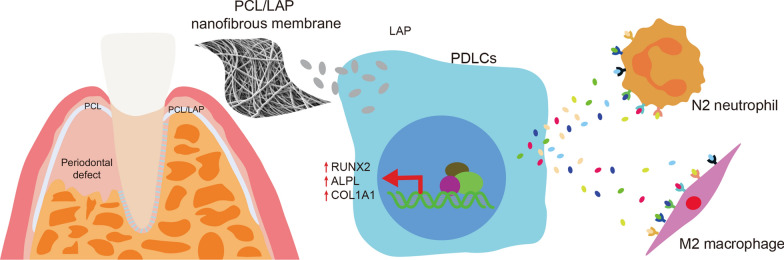
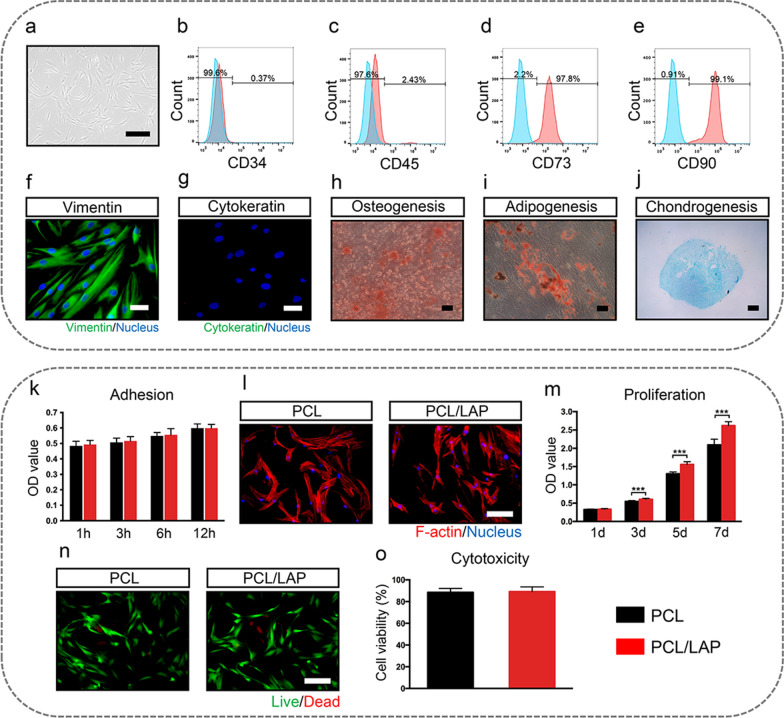
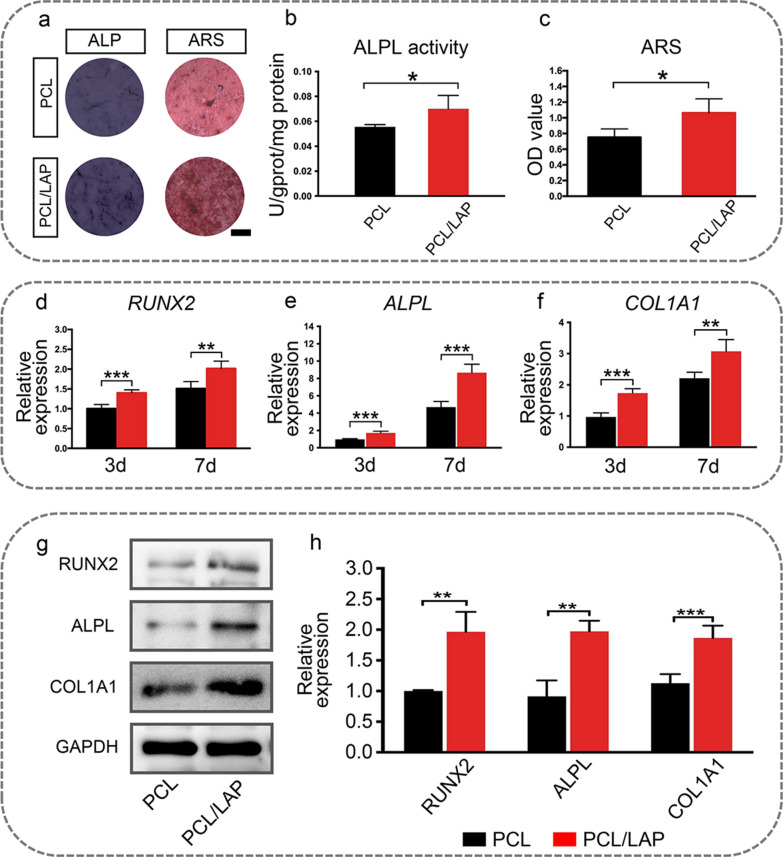
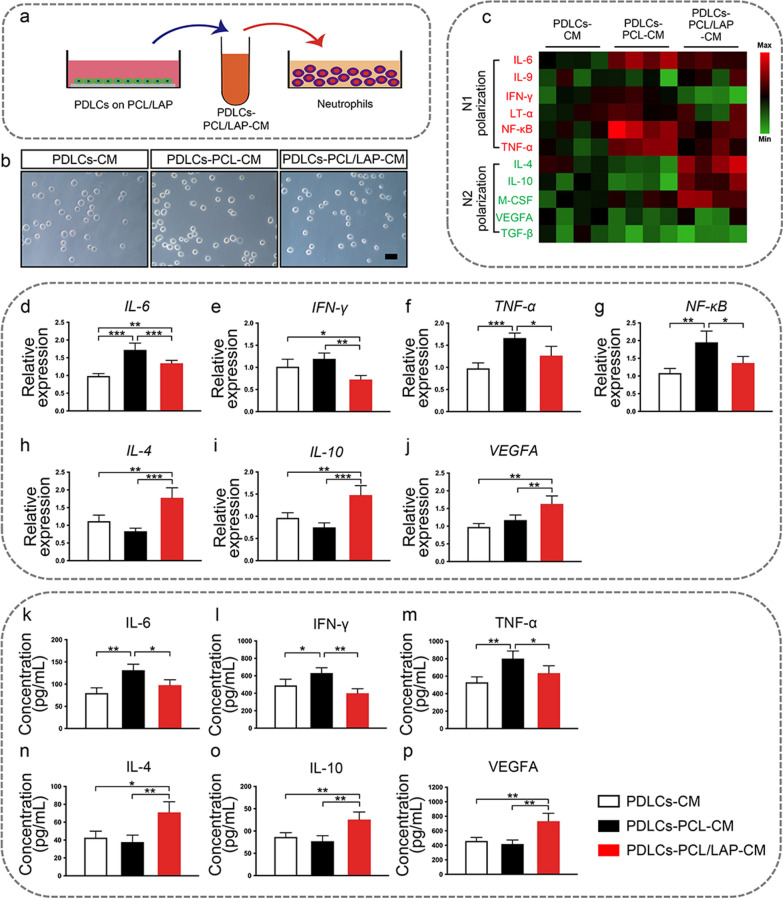
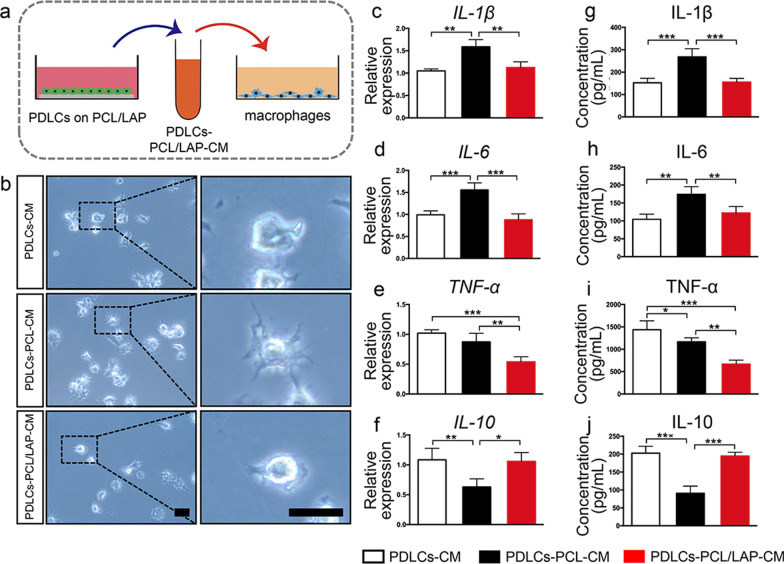
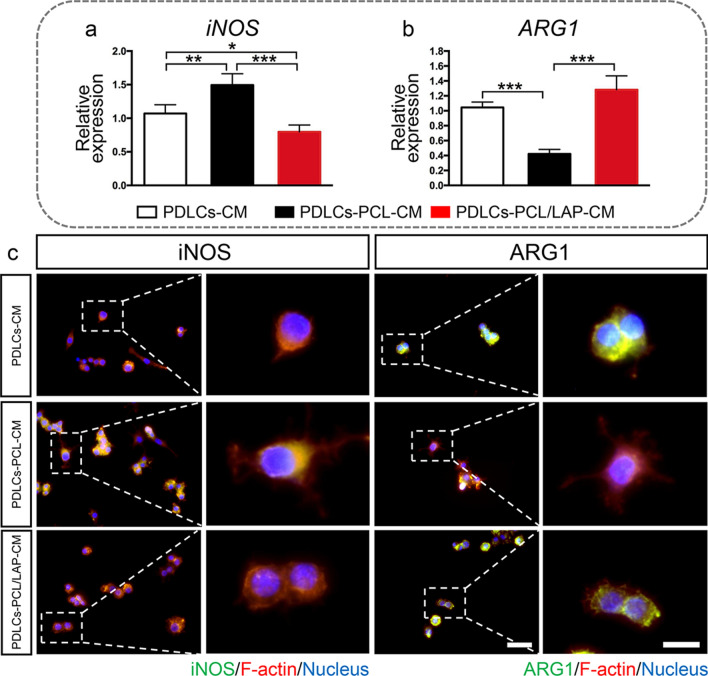
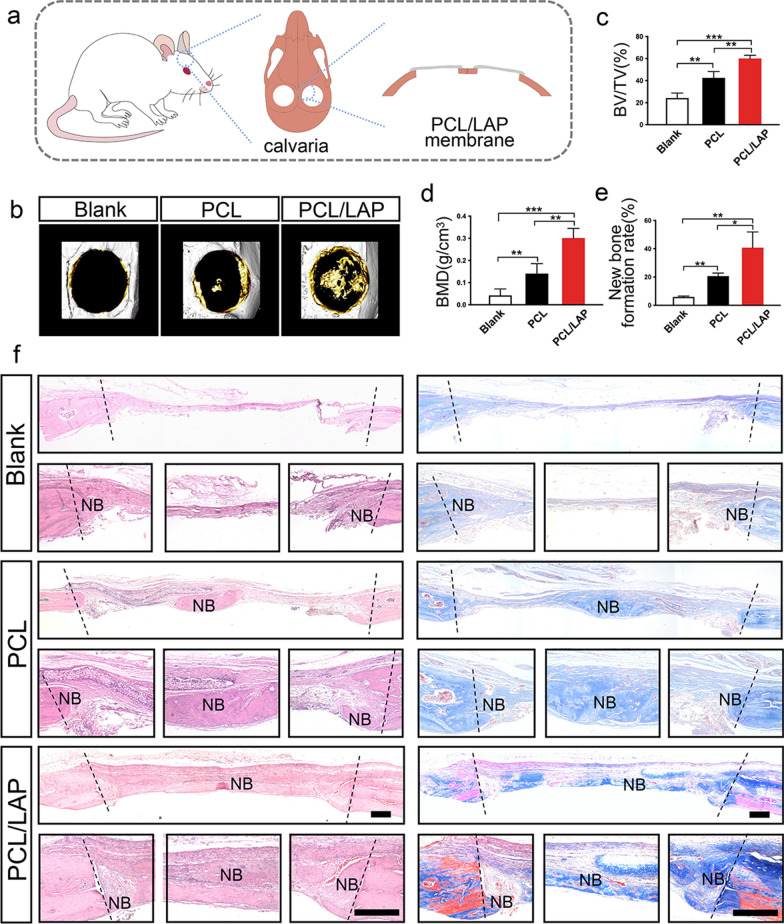
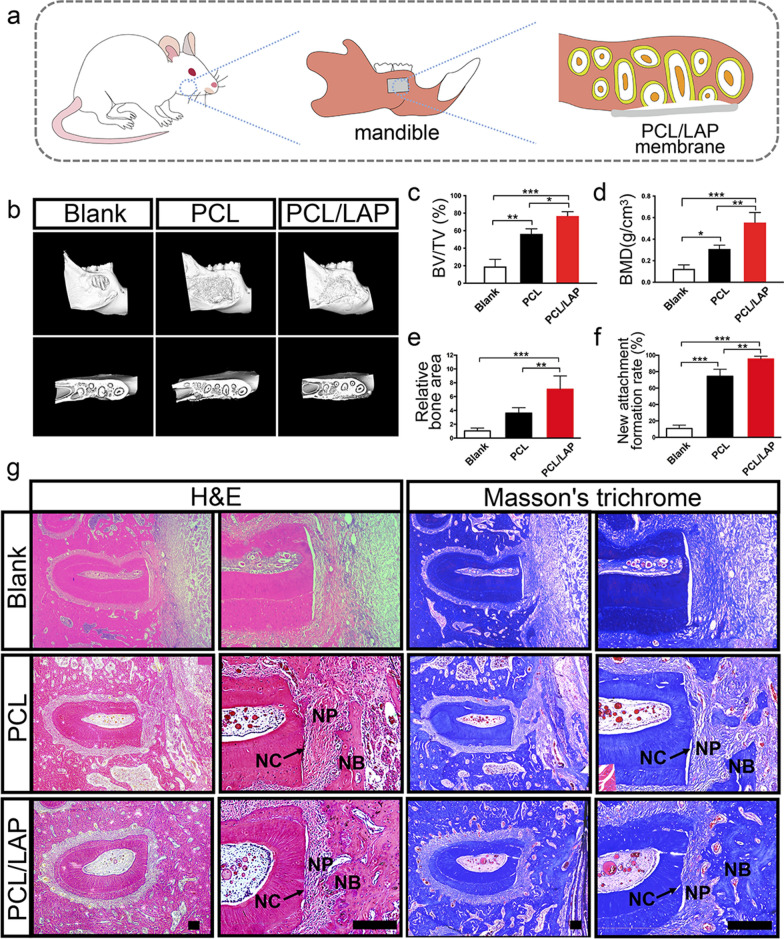
Although various new biomaterials have enriched the methods for periodontal regeneration, their efficacy is still controversial, and the regeneration of damaged support tissue in the periodontium remains challenging. Laponite (LAP) nanosilicate is a layered two-dimensional nanoscale, ultrathin nanomaterial with a unique structure and brilliant biocompatibility and bioactivity. This study aimed to investigate the effects of nanosilicate-incorporated PCL (PCL/LAP) nanofibrous membranes on periodontal ligament cells (PDLCs) in vitro and periodontal regeneration in vivo. A PCL/LAP nanofibrous membrane was fabricated by an electrospinning method. The characterization of PCL/LAP nanofibrous membrane were determined by scanning electron microscopy (SEM), energy dispersive spectrum of X-ray (EDS), inductively coupled plasma mass spectrometry (ICP-MS) and tensile test. The proliferation and osteogenic differentiation of PDLCs on the PCL/LAP nanofibrous membrane were evaluated. A PDLCs and macrophage coculture system was used to explore the immunomodulatory effects of the PCL/LAP nanofibrous membrane. PCL/LAP nanofibrous membrane was implanted into rat calvarial and periodontal defects, and the regenerative potential was evaluated by microcomputed topography (micro-CT) and histological analysis. The PCL/LAP nanofibrous membrane showed good biocompatibility and bioactivity. It enhanced the proliferation and osteogenic differentiation of PDLCs. The PCL/LAP nanofibrous membrane also stimulated anti-inflammatory and pro-remodeling N2 neutrophil formation, regulated inflammatory responses and induced M2 macrophage polarization by orchestrating the immunomodulatory effects of PDLCs. The PCL/LAP nanofibrous membrane promoted rat calvarial defect repair and periodontal regeneration in vivo. LAP nanosilicate-incorporated PCL membrane is capable of mediating osteogenesis and immunomodulation of PDLCs in vitro and accelerating periodontal regeneration in vivo. It could be a promising biomaterial for periodontal regeneration therapy.
虽然各种新型生物材料丰富了牙周再生的方法,但它们的疗效仍存在争议,牙周组织受损支持组织的再生仍然具有挑战性。拉蓬土(LAP)纳米硅酸盐是一种具有独特结构和卓越生物相容性和生物活性的层状二维纳米级超薄纳米材料。本研究旨在探讨纳米硅酸盐掺入聚己内酯(PCL/LAP)纳米纤维膜对体外牙周膜细胞(PDLCs)和体内牙周再生的影响。通过静电纺丝法制备 PCL/LAP 纳米纤维膜。通过扫描电子显微镜(SEM)、X 射线能量色散谱(EDS)、电感耦合等离子体质谱(ICP-MS)和拉伸试验对 PCL/LAP 纳米纤维膜的特性进行了表征。评估了 PDLCs 在 PCL/LAP 纳米纤维膜上的增殖和成骨分化。使用 PDLCs 和巨噬细胞共培养系统探讨了 PCL/LAP 纳米纤维膜的免疫调节作用。将 PCL/LAP 纳米纤维膜植入大鼠颅骨和牙周缺损部位,通过微计算机断层扫描(micro-CT)和组织学分析评估再生潜力。PCL/LAP 纳米纤维膜具有良好的生物相容性和生物活性。它增强了 PDLCs 的增殖和成骨分化。PCL/LAP 纳米纤维膜还通过协调 PDLCs 的免疫调节作用,刺激抗炎和促重塑 N2 中性粒细胞的形成,调节炎症反应,并诱导 M2 巨噬细胞极化。PCL/LAP 纳米纤维膜促进了大鼠颅骨缺损的修复和体内牙周再生。LAP 纳米硅酸盐掺入的 PCL 膜能够介导 PDLCs 的成骨和免疫调节作用,体外加速牙周组织再生,体内具有广阔的牙周再生治疗前景。