Faculty of Sciences, University of Porto, Rua do Campo Alegre, 4169-007, Porto, Portugal.
Interdisciplinary Center of Marine and Environmental Research (CIIMAR/CIMAR), University of Porto, Terminal de Cruzeiros do Porto de Leixões, Avenida General Norton de Matos, S/N, 4450-208, Matosinhos, Portugal.
Sci Rep. 2023 Aug 21;13(1):13561. doi: 10.1038/s41598-023-40542-6.
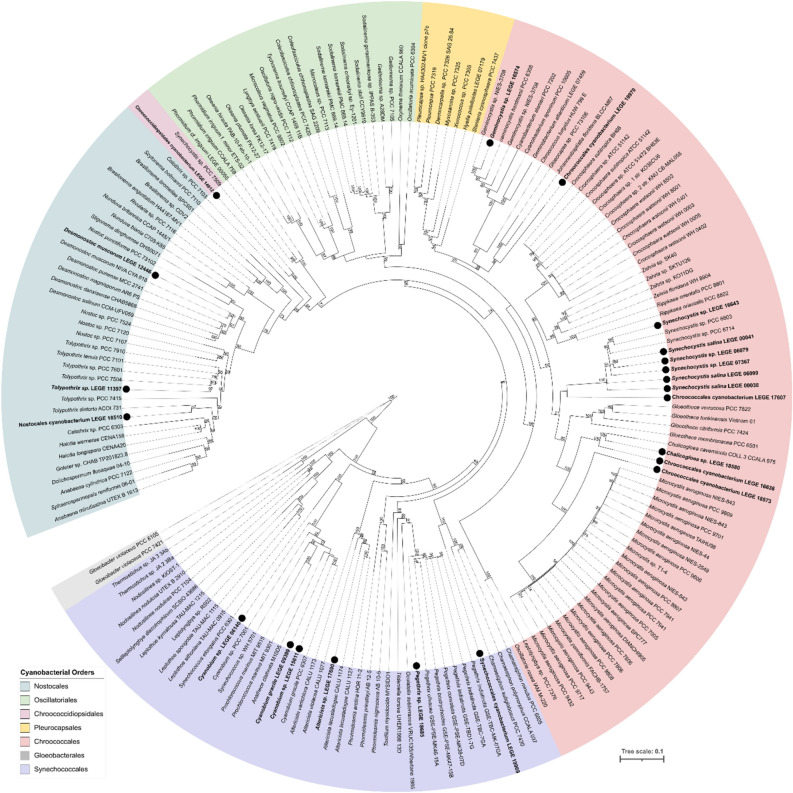
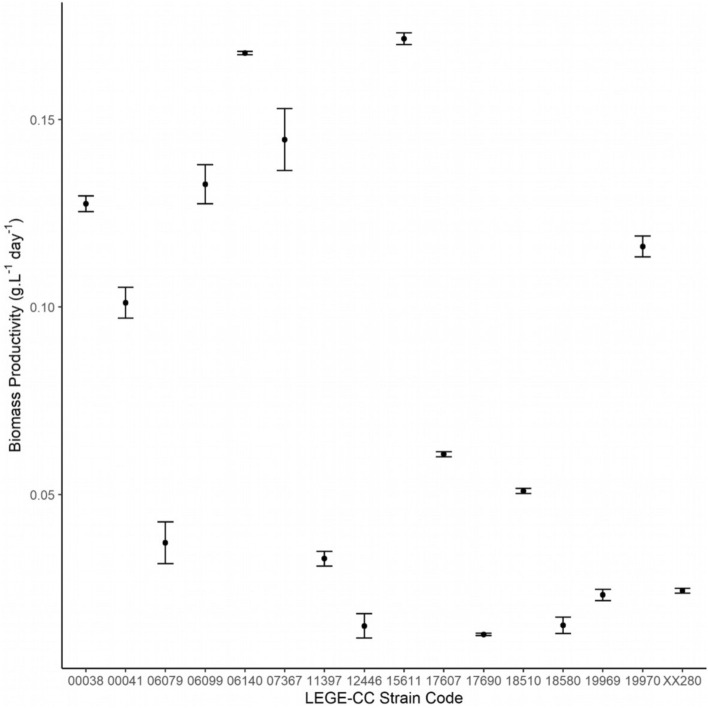
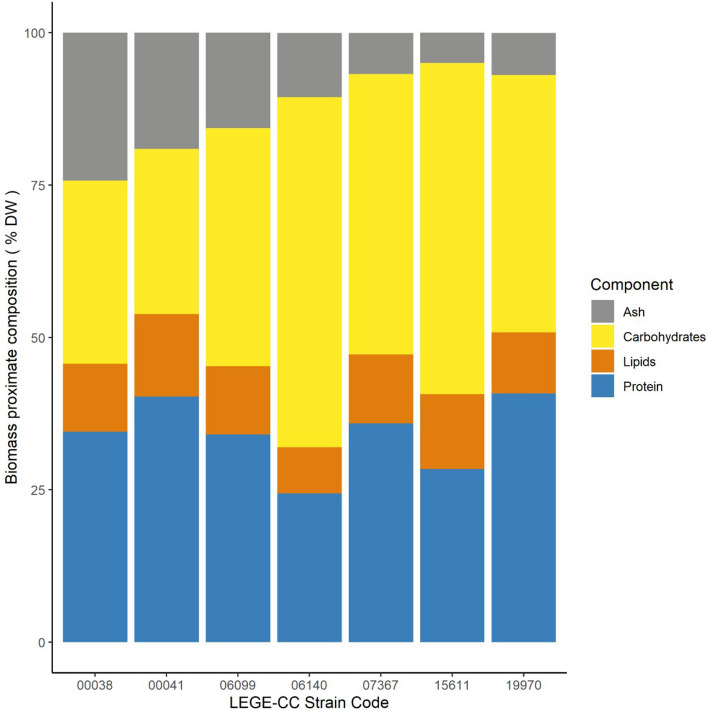
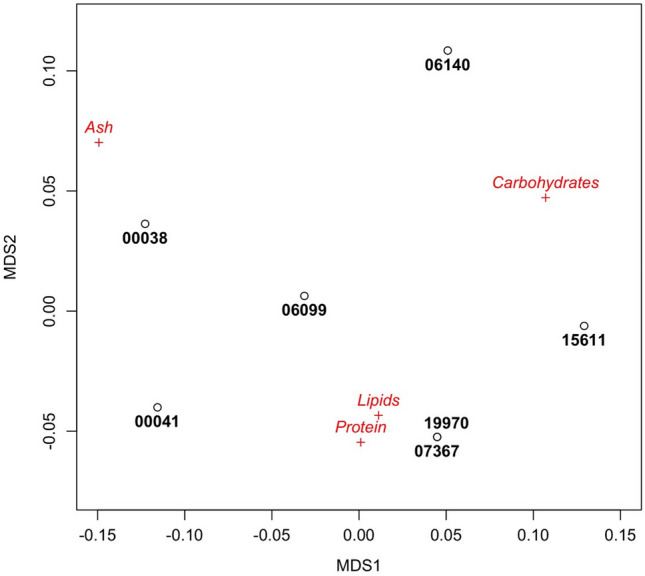
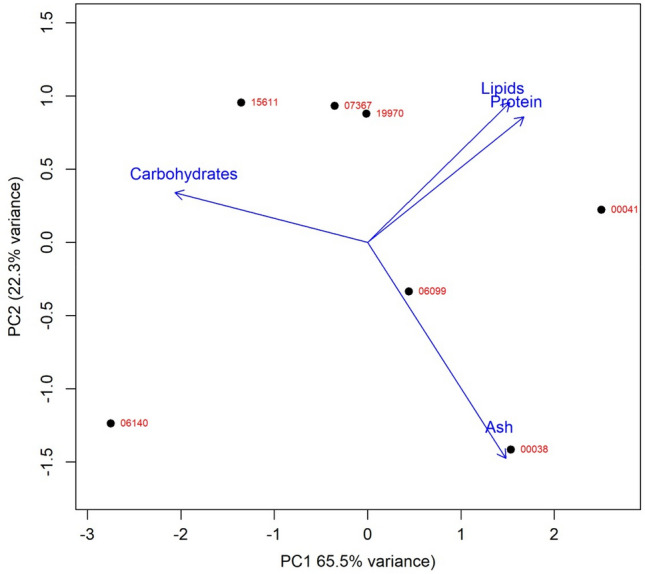
Cyanobacterial exopolysaccharides (EPS) are potential candidates for the production of sustainable biopolymers. Although the bioactive and physicochemical properties of cyanobacterial-based EPS are attractive, their commercial exploitation is limited by the high production costs. Bioprospecting and characterizing novel EPS-producing strains for industrially relevant conditions is key to facilitate their implementation in various biotechnological applications and fields. In the present work, we selected twenty-five Portuguese cyanobacterial strains from a diverse taxonomic range (including some genera studied for the first time) to be grown in diel light and temperature, simulating the Portuguese climate conditions, and evaluated their growth performance and proximal composition of macronutrients. Synechocystis and Cyanobium genera, from marine and freshwater origin, were highlighted as fast-growing (0.1-0.2 g L day) with distinct biomass composition. Synechocystis sp. LEGE 07367 and Chroococcales cyanobacterium LEGE 19970, showed a production of 0.3 and 0.4 g L of released polysaccharides (RPS). These were found to be glucan-based polymers with high molecular weight and a low number of monosaccharides than usually reported for cyanobacterial EPS. In addition, the absence of known cyanotoxins in these two RPS producers was also confirmed. This work provides the initial steps for the development of cyanobacterial EPS bioprocesses under the Portuguese climate.
蓝细菌胞外多糖 (EPS) 是生产可持续生物聚合物的潜在候选物。尽管蓝细菌基 EPS 的生物活性和物理化学性质具有吸引力,但由于生产成本高,其商业开发受到限制。生物勘探和表征新型 EPS 产生菌株,以适应工业相关条件,是促进其在各种生物技术应用和领域中实施的关键。在本工作中,我们从具有多样化分类范围的 25 株葡萄牙蓝细菌菌株中进行选择(包括一些首次研究的属),在模拟葡萄牙气候条件的昼夜光照和温度下进行培养,并评估了它们的生长性能和宏量营养素的近程组成。来自海洋和淡水的聚球藻属和蓝藻属被突出为快速生长(0.1-0.2 g L day),具有不同的生物量组成。Synechocystis sp. LEGE 07367 和 Chroococcales 蓝藻 LEGE 19970 的释放多糖(RPS)产量分别为 0.3 和 0.4 g L。这些被发现是基于葡聚糖的聚合物,具有高分子量和比通常报道的蓝细菌 EPS 低的单糖数量。此外,还证实了这两种 RPS 产生菌中不存在已知的蓝藻毒素。这项工作为在葡萄牙气候下开发蓝细菌 EPS 生物工艺提供了初步步骤。