Zheng Mengli, Liu Yating, Zhang Guanfeng, Yang Zhikang, Xu Weiwei, Chen Qinghua
College of Animal Science and Technology, Hunan Agricultural University, Changsha 410128, China.
Antioxidants (Basel). 2023 Aug 27;12(9):1675. doi: 10.3390/antiox12091675.
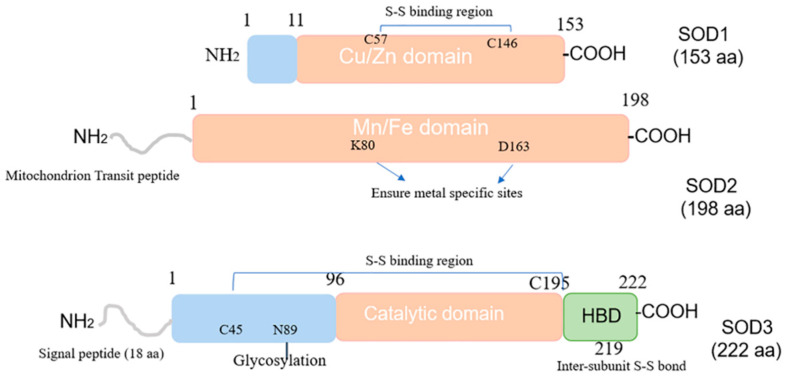
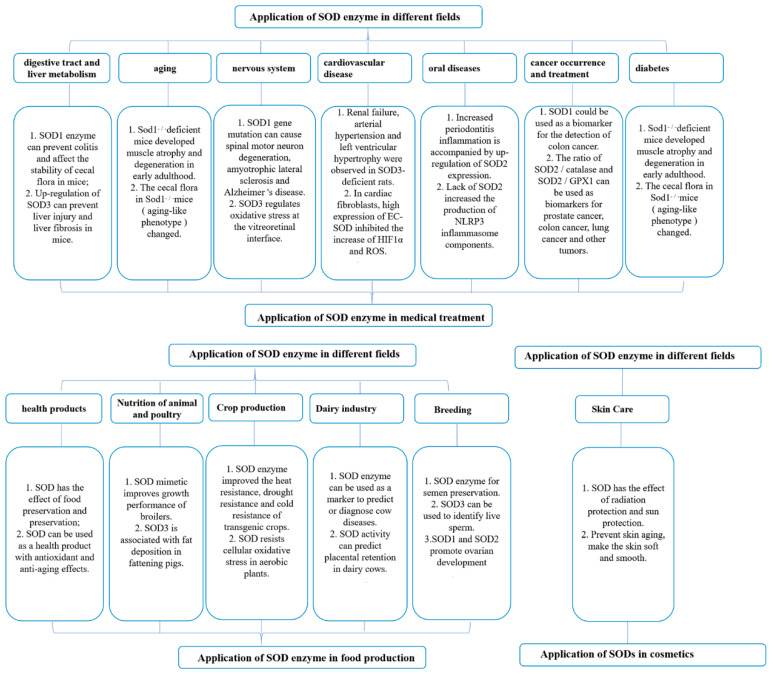
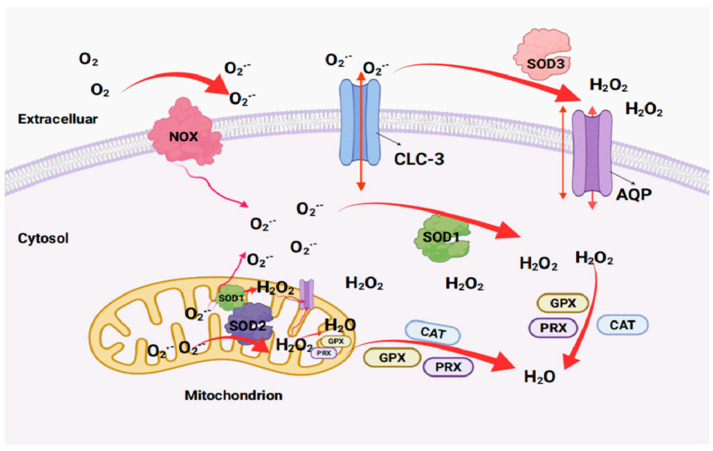
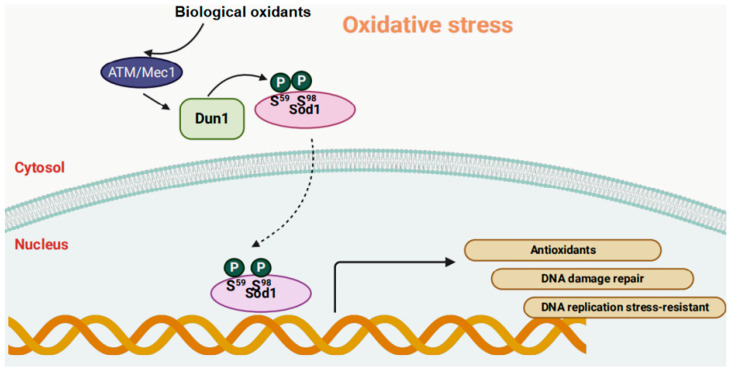
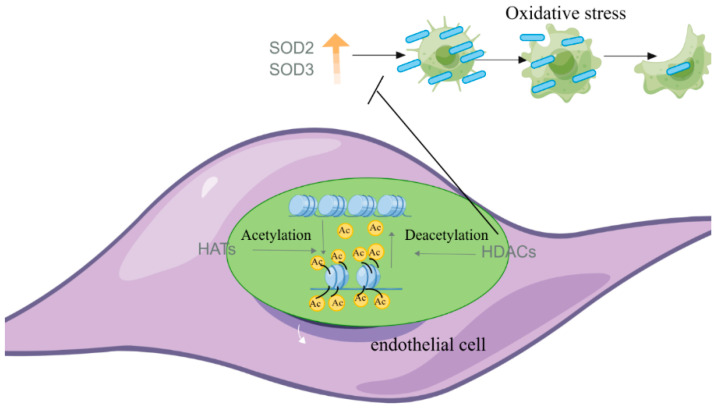
Superoxide dismutase (SOD) is a class of enzymes that restrict the biological oxidant cluster enzyme system in the body, which can effectively respond to cellular oxidative stress, lipid metabolism, inflammation, and oxidation. Published studies have shown that SOD enzymes (SODs) could maintain a dynamic balance between the production and scavenging of biological oxidants in the body and prevent the toxic effects of free radicals, and have been shown to be effective in anti-tumor, anti-radiation, and anti-aging studies. This research summarizes the types, biological functions, and regulatory mechanisms of SODs, as well as their applications in medicine, food production, and cosmetic production. SODs have proven to be a useful tool in fighting disease, and mimetics and conjugates that report SODs have been developed successively to improve the effectiveness of SODs. There are still obstacles to solving the membrane permeability of SODs and the persistence of enzyme action, which is still a hot spot and difficulty in mining the effect of SODs and promoting their application in the future.
超氧化物歧化酶(SOD)是一类限制体内生物氧化剂簇酶系统的酶,它能有效应对细胞氧化应激、脂质代谢、炎症和氧化反应。已发表的研究表明,SOD酶(SODs)能够维持体内生物氧化剂产生与清除之间的动态平衡,防止自由基的毒性作用,并且在抗肿瘤、抗辐射和抗衰老研究中已显示出有效性。本研究总结了SODs的类型、生物学功能和调节机制,以及它们在医学、食品生产和化妆品生产中的应用。事实证明,SODs是对抗疾病的有用工具,并且已经相继开发出了报告SODs的模拟物和缀合物以提高SODs的有效性。在解决SODs的膜通透性和酶作用持久性方面仍然存在障碍,这仍是未来挖掘SODs的作用并促进其应用的热点和难点。