Han Xiao-Qiang, Yue Gar-Lee, Yue Rui-Qi, Dong Cai-Xia, Chan Chung-Lap, Ko Chun-Hay, Cheung Wing-Shing, Luo Ke-Wang, Dai Hui, Wong Chun-Kwok, Leung Ping-Chung, Han Quan-Bin
State Key Laboratory of Phytochemistry and Plant Resources in West China, Institute of Chinese Medicine, The Chinese University of Hong Kong, Shatin, Hong Kong SAR, China; Shenzhen Research Institute, The Chinese University of Hong Kong, Shenzhen, Guangdong, China.
State Key Laboratory of Phytochemistry and Plant Resources in West China, Institute of Chinese Medicine, The Chinese University of Hong Kong, Shatin, Hong Kong SAR, China.
PLoS One. 2014 Jul 11;9(7):e100380. doi: 10.1371/journal.pone.0100380. eCollection 2014.
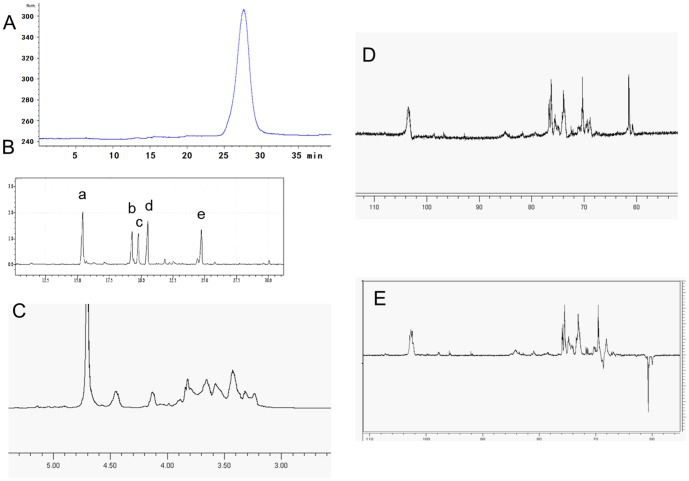
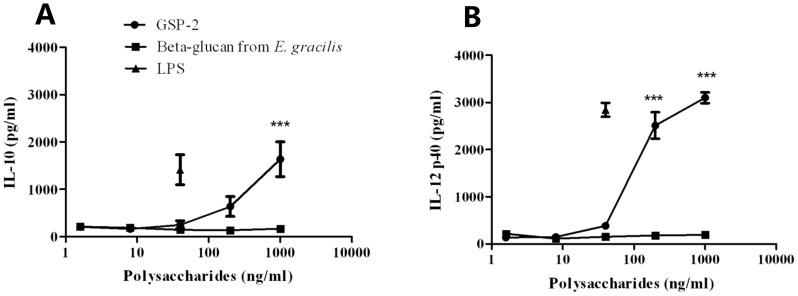
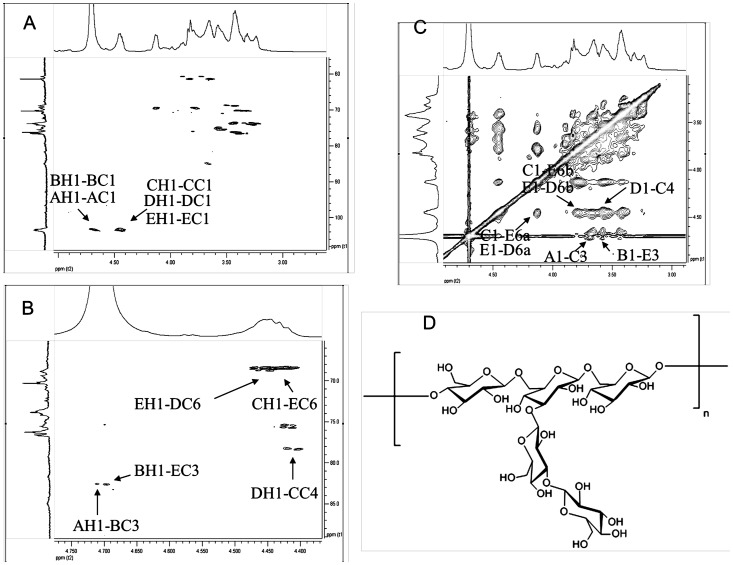
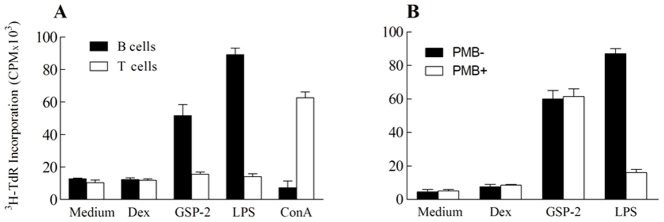
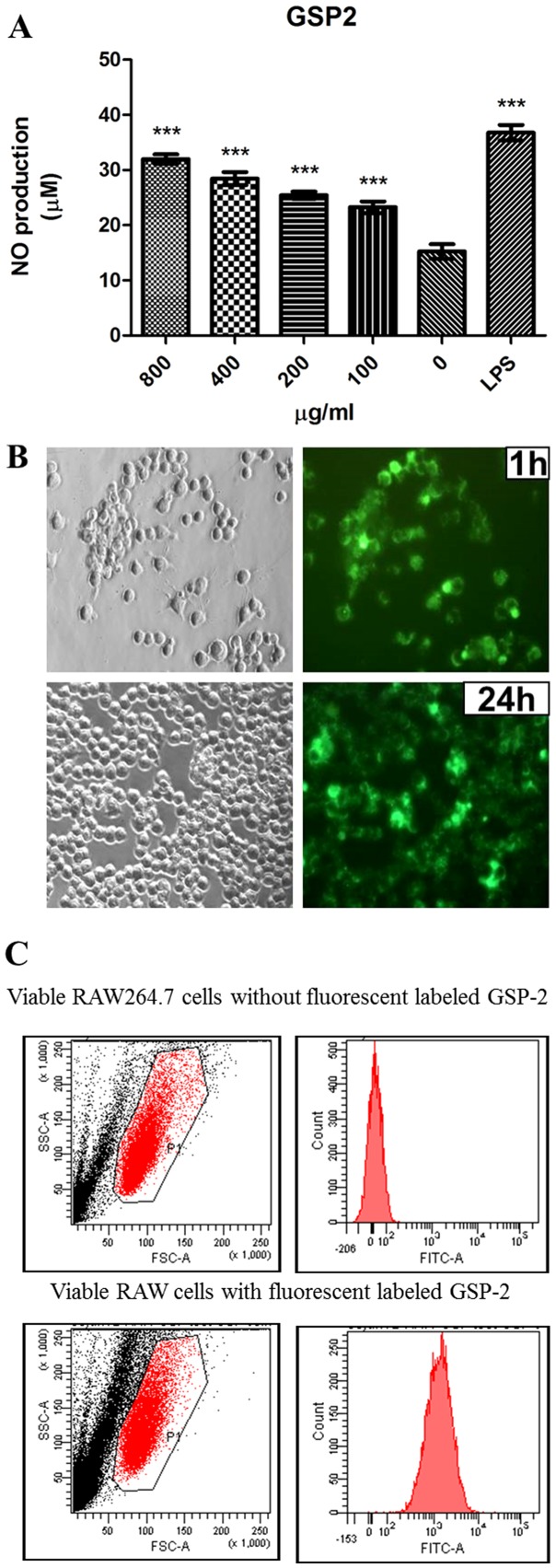
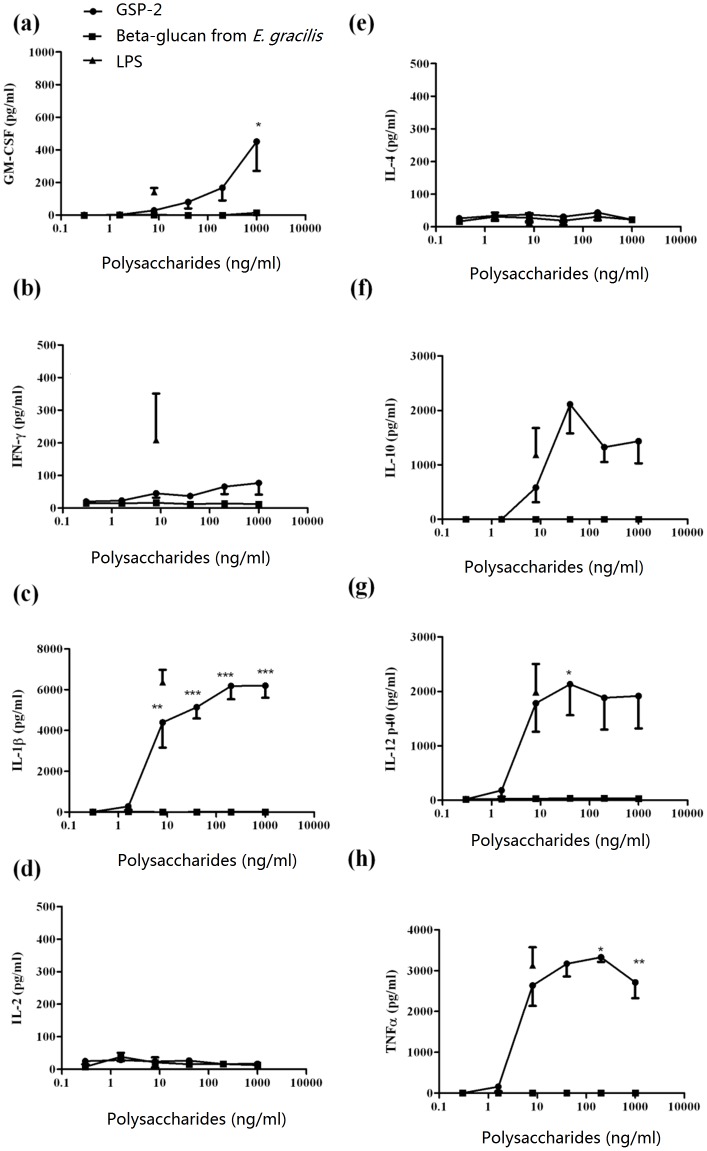
A polysaccharide named GSP-2 with a molecular size of 32 kDa was isolated from the fruiting bodies of Ganoderma sinense. Its structure was well elucidated, by a combined utilization of chemical and spectroscopic techniques, to be a β-glucan with a backbone of (1→4)- and (1→6)-Glcp, bearing terminal- and (1→3)-Glcp side-chains at O-3 position of (1→6)-Glcp. Immunological assay exhibited that GSP-2 significantly induced the proliferation of BALB/c mice splenocytes with target on only B cells, and enhanced the production of several cytokines in human peripheral blood mononuclear cells and derived dendritic cells. Besides, the fluorescent labeled GSP-2 was phagocytosed by the RAW 264.7 cells and induced the nitric oxide secretion from the cells.
从紫芝子实体中分离出一种名为GSP-2的多糖,其分子大小为32 kDa。通过化学和光谱技术的联合应用,对其结构进行了充分阐明,结果表明它是一种β-葡聚糖,主链由(1→4)-和(1→6)-Glcp组成,在(1→6)-Glcp的O-3位置带有末端-和(1→3)-Glcp侧链。免疫分析表明,GSP-2显著诱导BALB/c小鼠脾细胞增殖,且仅作用于B细胞,并增强人外周血单个核细胞和衍生树突状细胞中多种细胞因子的产生。此外,荧光标记的GSP-2被RAW 264.7细胞吞噬,并诱导细胞分泌一氧化氮。