Torre Emiliano, Canova Carlos, Denker Michael, Gerstein George, Helias Moritz, Grün Sonja
Institute of Neuroscience and Medicine (INM-6) and Institute for Advanced Simulation (IAS-6) and JARA BRAIN Institute I, Jülich Research Centre, Jülich, Germany.
Department of Neuroscience, University of Pennsylvania, Philadelphia, Pennsylvania, United States of America.
PLoS Comput Biol. 2016 Jul 15;12(7):e1004939. doi: 10.1371/journal.pcbi.1004939. eCollection 2016 Jul.
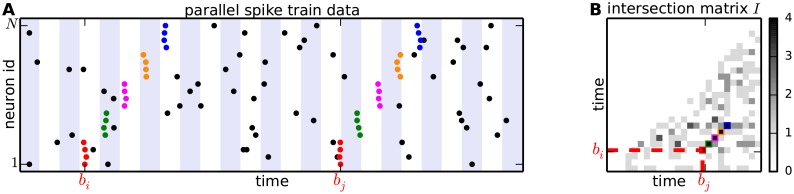
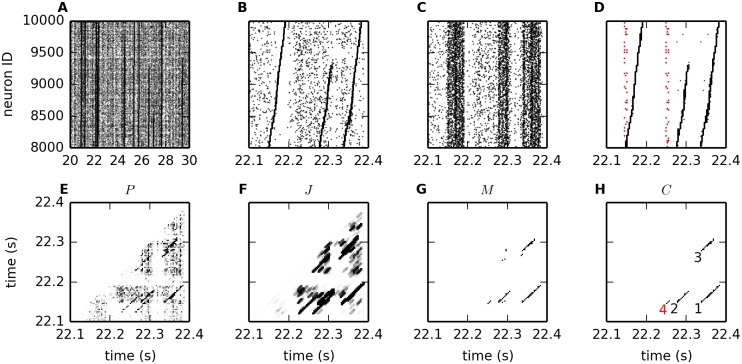
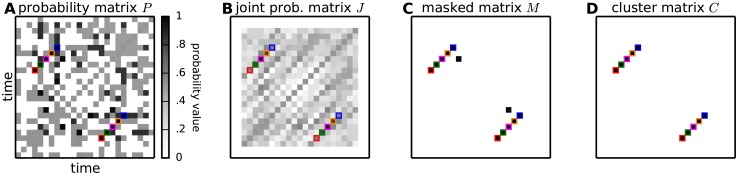
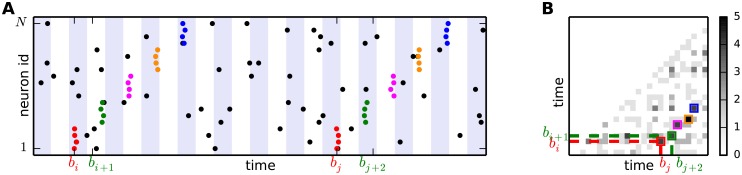
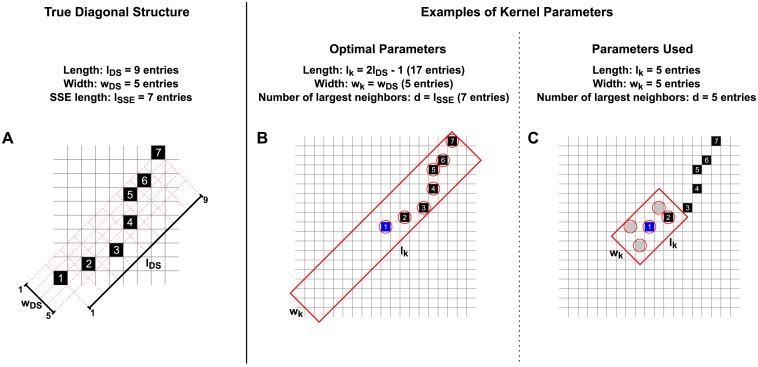
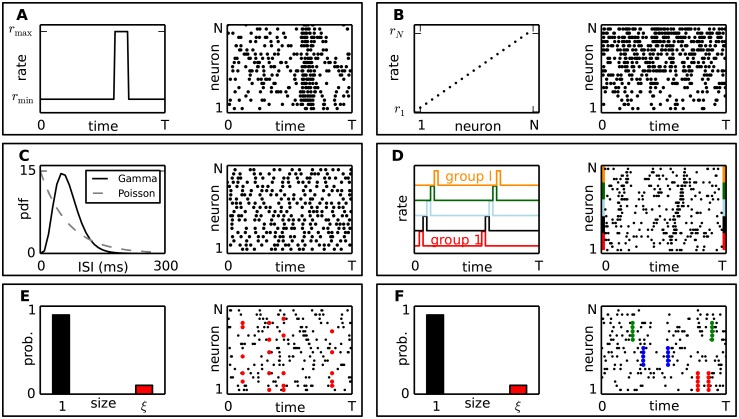
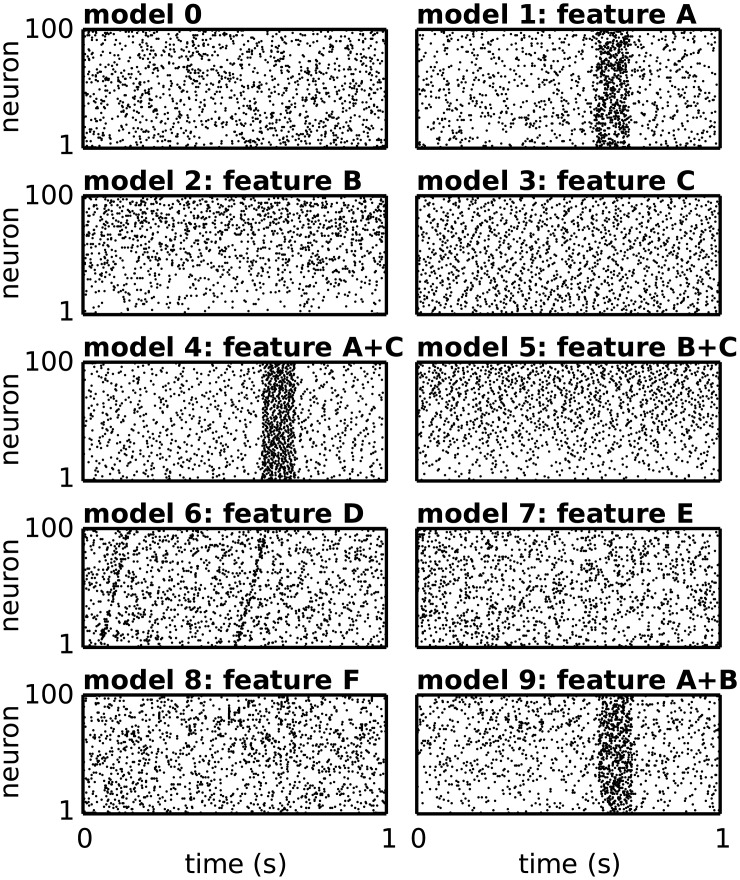
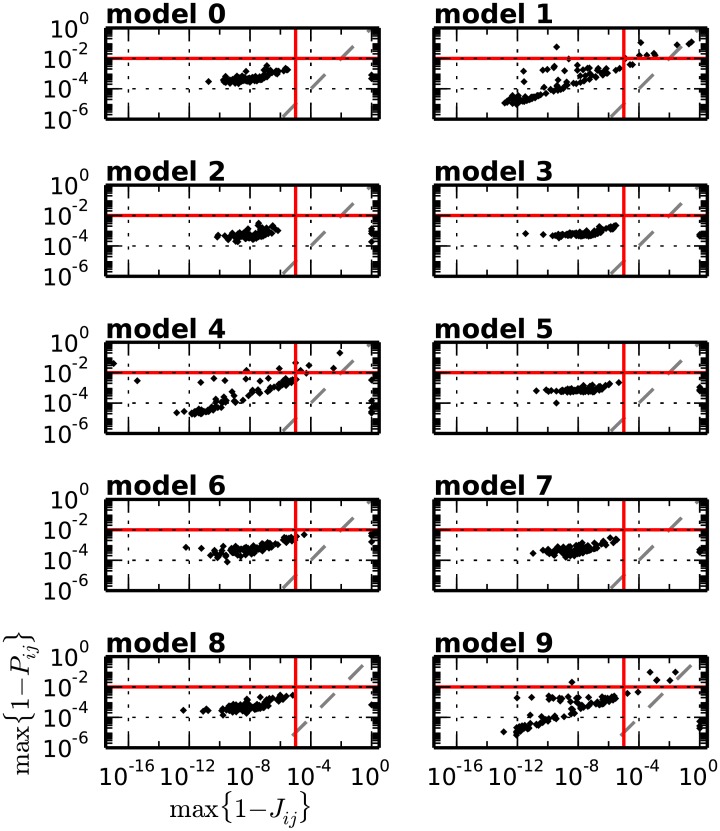
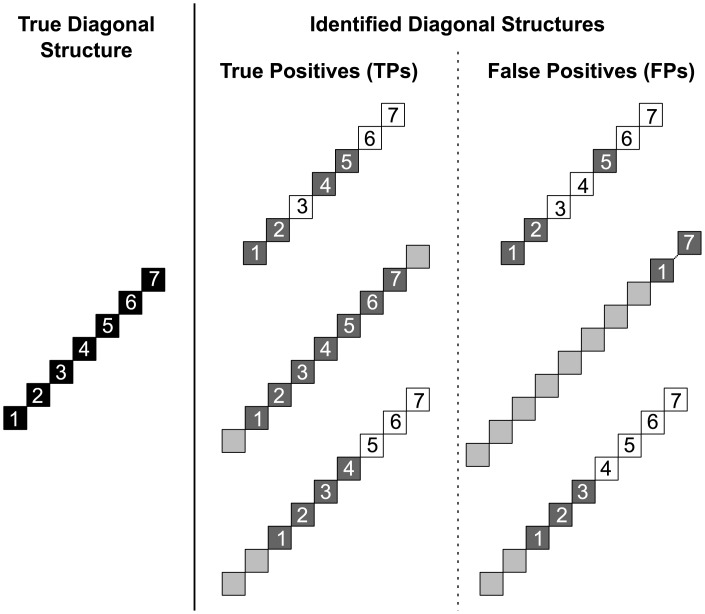
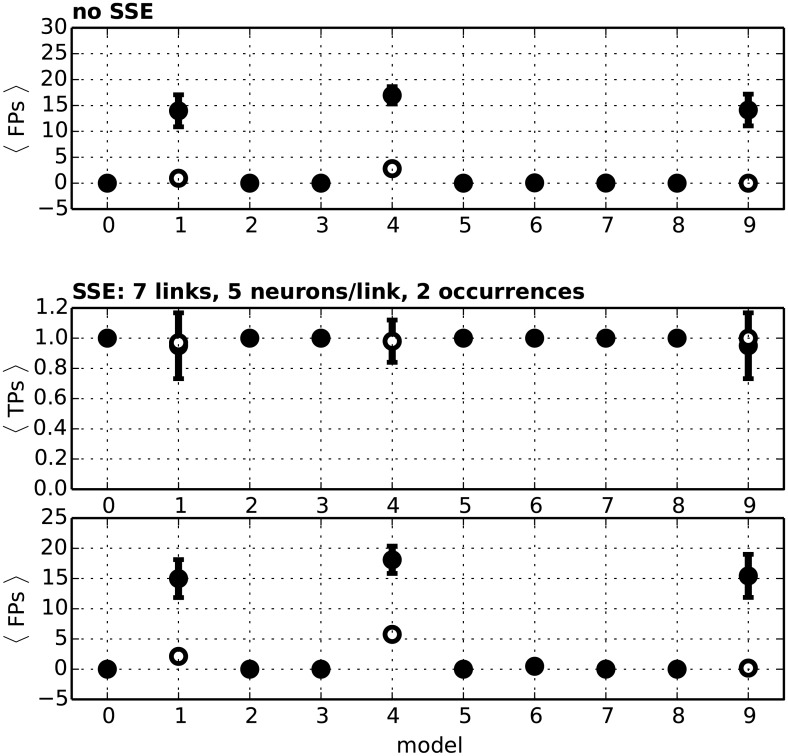
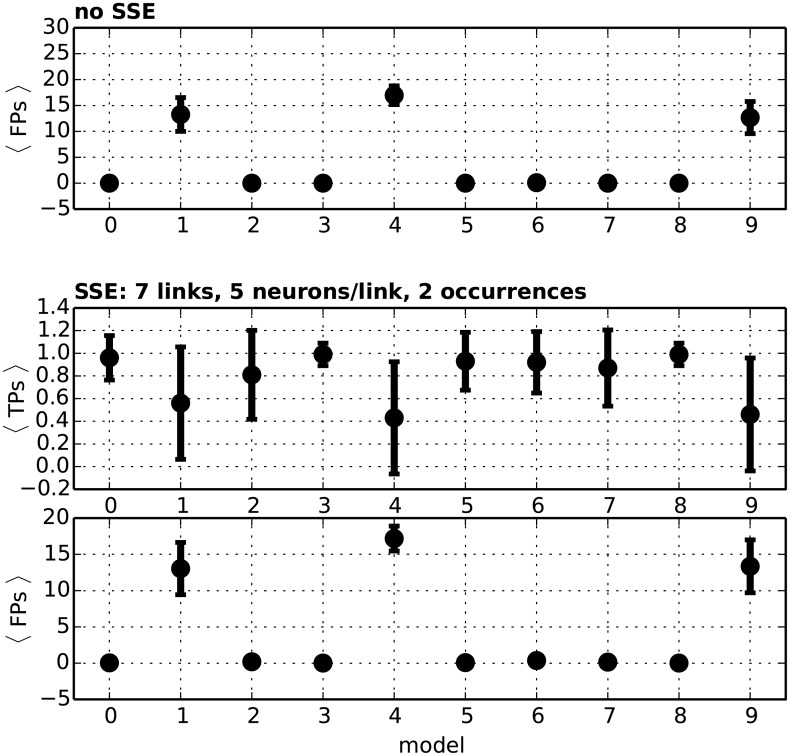
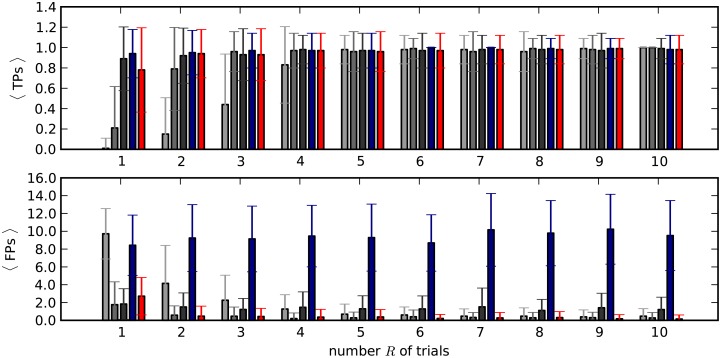
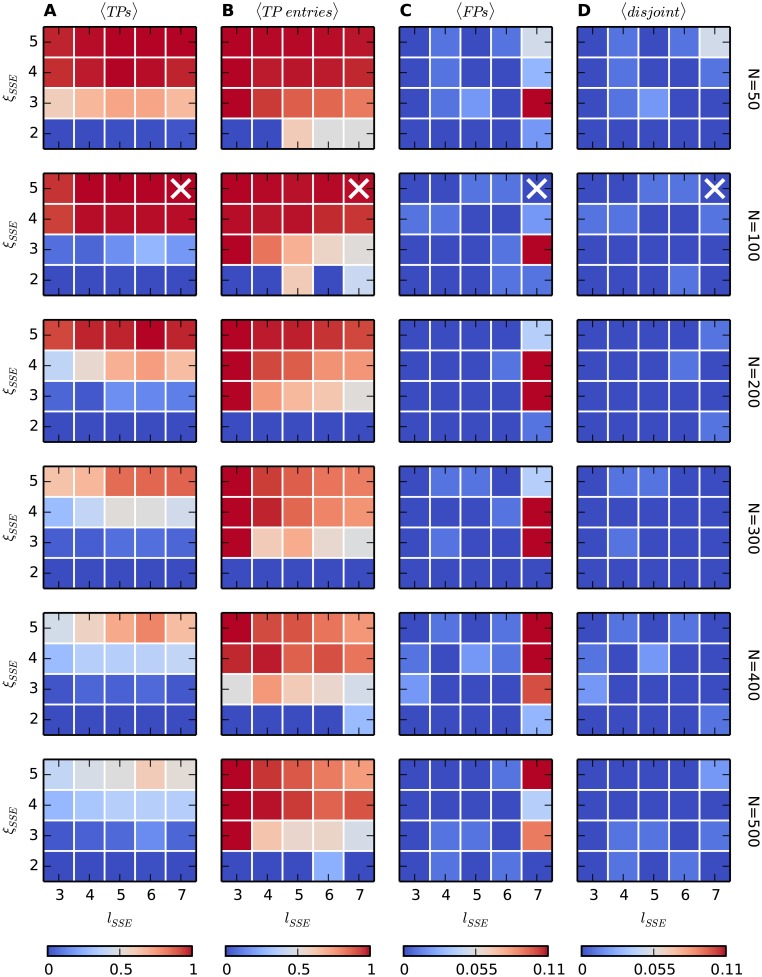
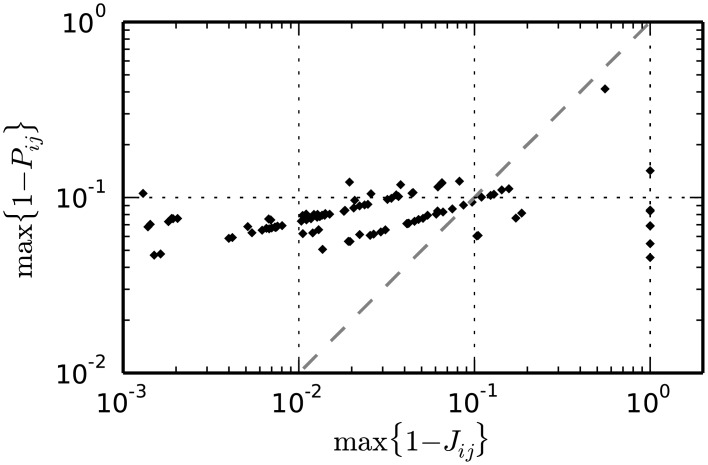
With the ability to observe the activity from large numbers of neurons simultaneously using modern recording technologies, the chance to identify sub-networks involved in coordinated processing increases. Sequences of synchronous spike events (SSEs) constitute one type of such coordinated spiking that propagates activity in a temporally precise manner. The synfire chain was proposed as one potential model for such network processing. Previous work introduced a method for visualization of SSEs in massively parallel spike trains, based on an intersection matrix that contains in each entry the degree of overlap of active neurons in two corresponding time bins. Repeated SSEs are reflected in the matrix as diagonal structures of high overlap values. The method as such, however, leaves the task of identifying these diagonal structures to visual inspection rather than to a quantitative analysis. Here we present ASSET (Analysis of Sequences of Synchronous EvenTs), an improved, fully automated method which determines diagonal structures in the intersection matrix by a robust mathematical procedure. The method consists of a sequence of steps that i) assess which entries in the matrix potentially belong to a diagonal structure, ii) cluster these entries into individual diagonal structures and iii) determine the neurons composing the associated SSEs. We employ parallel point processes generated by stochastic simulations as test data to demonstrate the performance of the method under a wide range of realistic scenarios, including different types of non-stationarity of the spiking activity and different correlation structures. Finally, the ability of the method to discover SSEs is demonstrated on complex data from large network simulations with embedded synfire chains. Thus, ASSET represents an effective and efficient tool to analyze massively parallel spike data for temporal sequences of synchronous activity.
借助现代记录技术同时观察大量神经元活动的能力,识别参与协同处理的子网络的机会增加了。同步尖峰事件(SSE)序列构成了一种以时间精确方式传播活动的协同尖峰类型。同步发放链被提出作为这种网络处理的一种潜在模型。先前的工作基于一个交叉矩阵引入了一种在大规模并行尖峰序列中可视化SSE的方法,该矩阵的每个条目包含两个相应时间区间内活动神经元的重叠程度。重复的SSE在矩阵中表现为高重叠值的对角线结构。然而,该方法将识别这些对角线结构的任务留给了目视检查,而不是定量分析。在此,我们提出了ASSET(同步事件序列分析),这是一种改进的、完全自动化的方法,它通过稳健的数学程序确定交叉矩阵中的对角线结构。该方法由一系列步骤组成:i)评估矩阵中的哪些条目可能属于对角线结构;ii)将这些条目聚类为单个对角线结构;iii)确定构成相关SSE的神经元。我们使用由随机模拟生成的并行点过程作为测试数据,以证明该方法在广泛的现实场景下的性能,包括尖峰活动的不同类型的非平稳性和不同的相关结构。最后,在具有嵌入式同步发放链的大型网络模拟的复杂数据上展示了该方法发现SSE的能力。因此,ASSET是一种有效且高效的工具,用于分析大规模并行尖峰数据中的同步活动时间序列。