Department of Pediatrics, Stanford University, Stanford, United States.
Department of Medicine, Division of Hematology, Stanford University, Stanford, United States.
Elife. 2017 Sep 28;6:e27873. doi: 10.7554/eLife.27873.
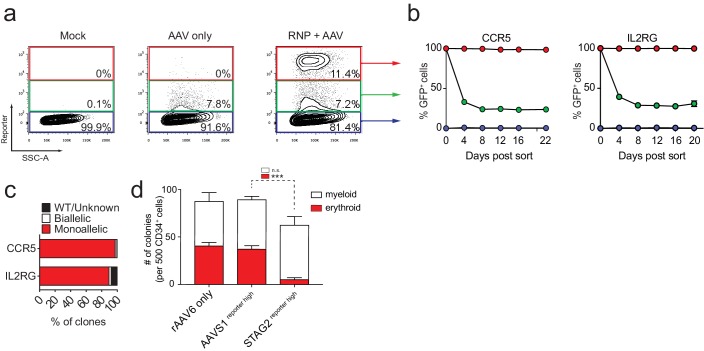
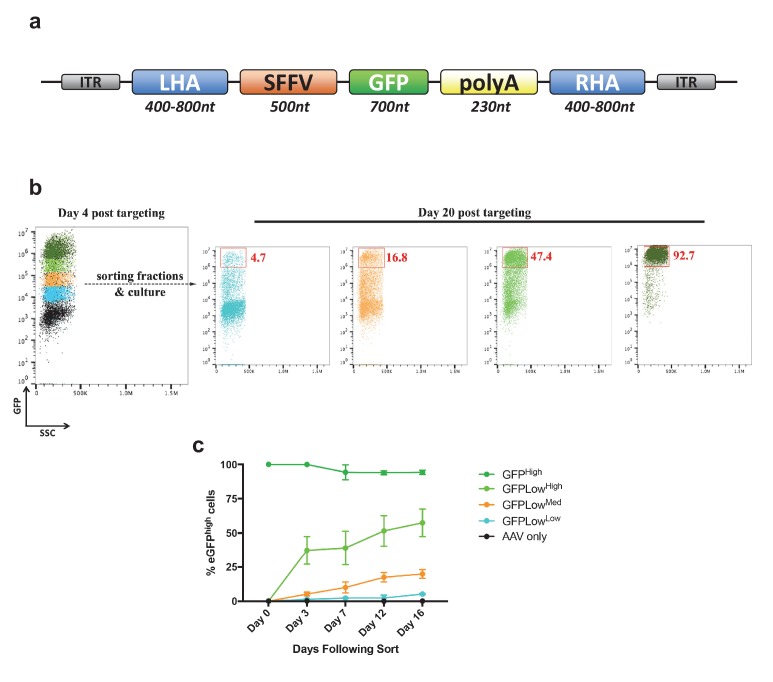
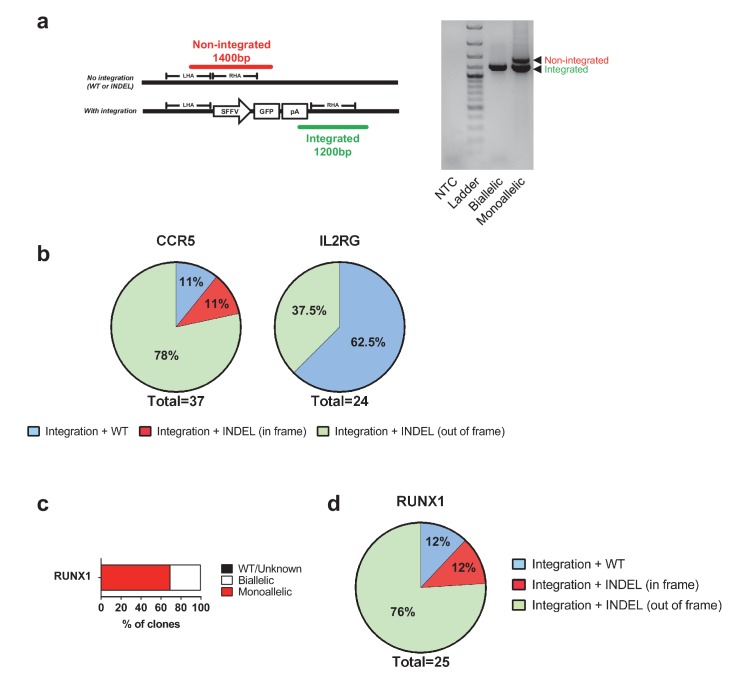
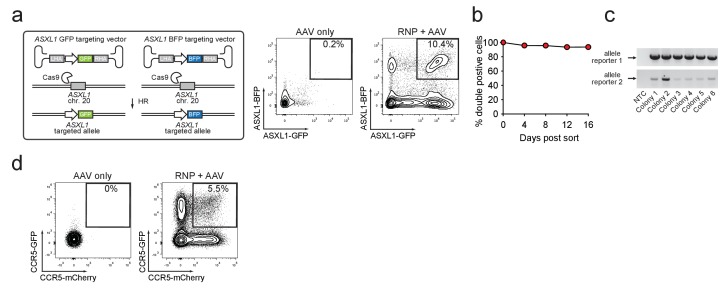
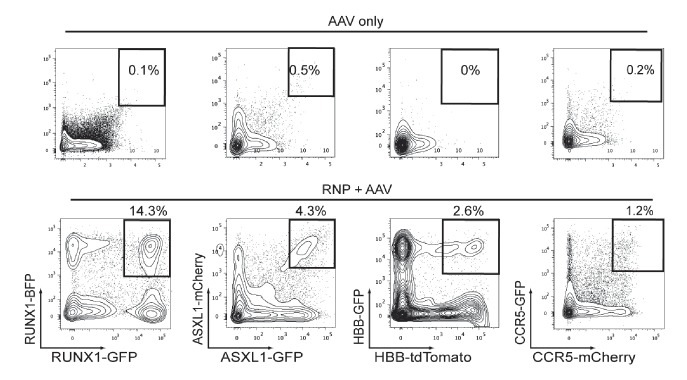
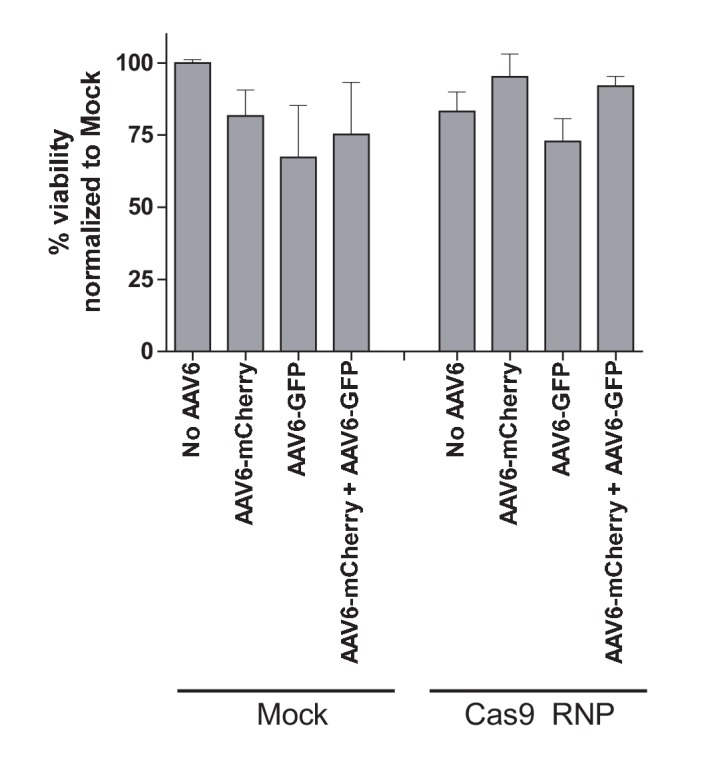
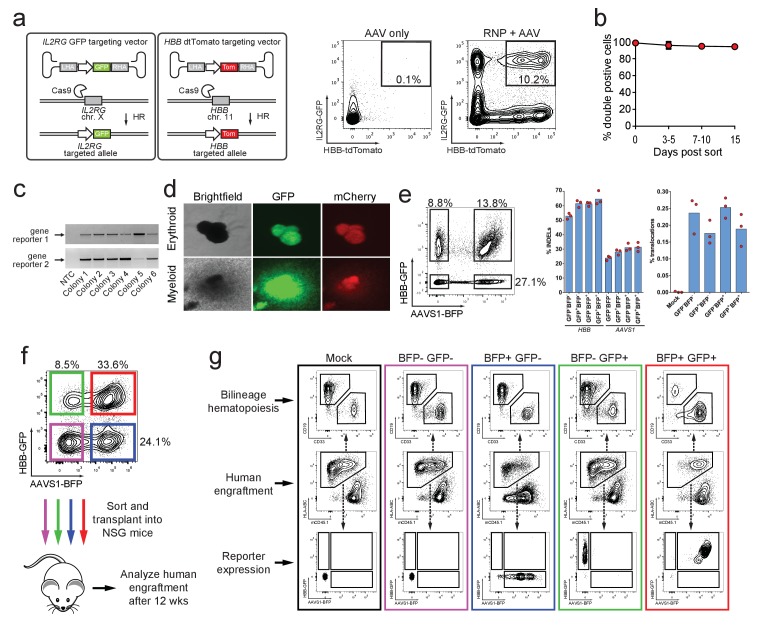
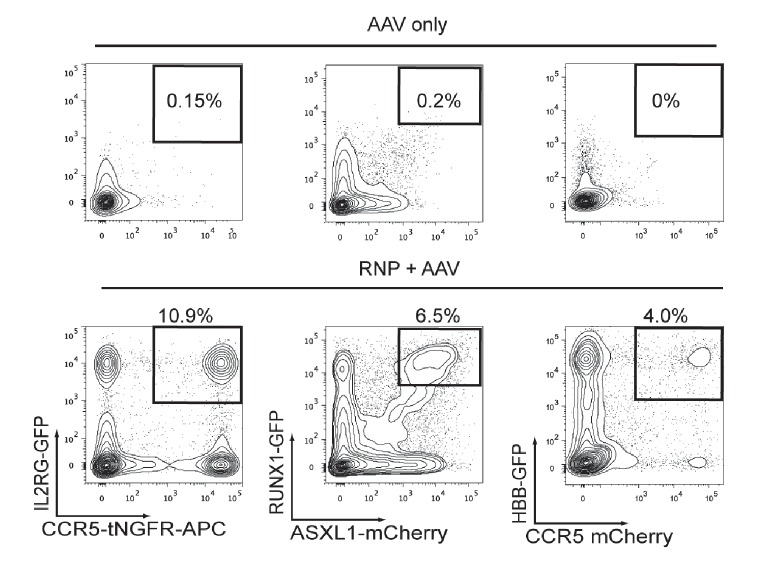
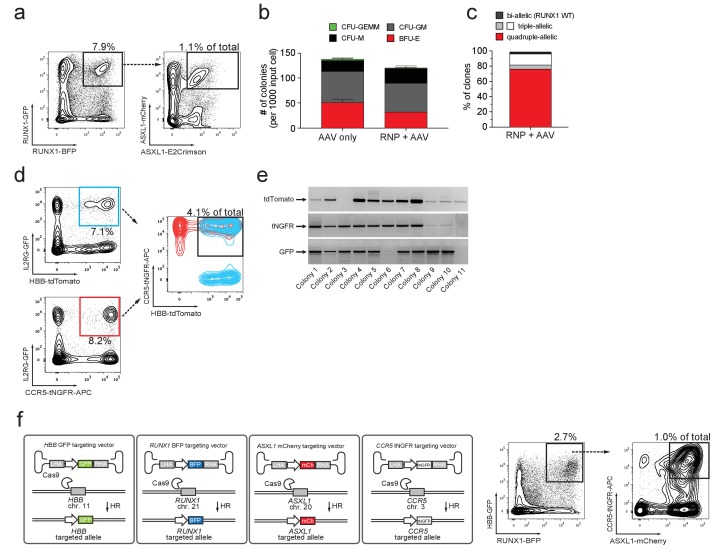
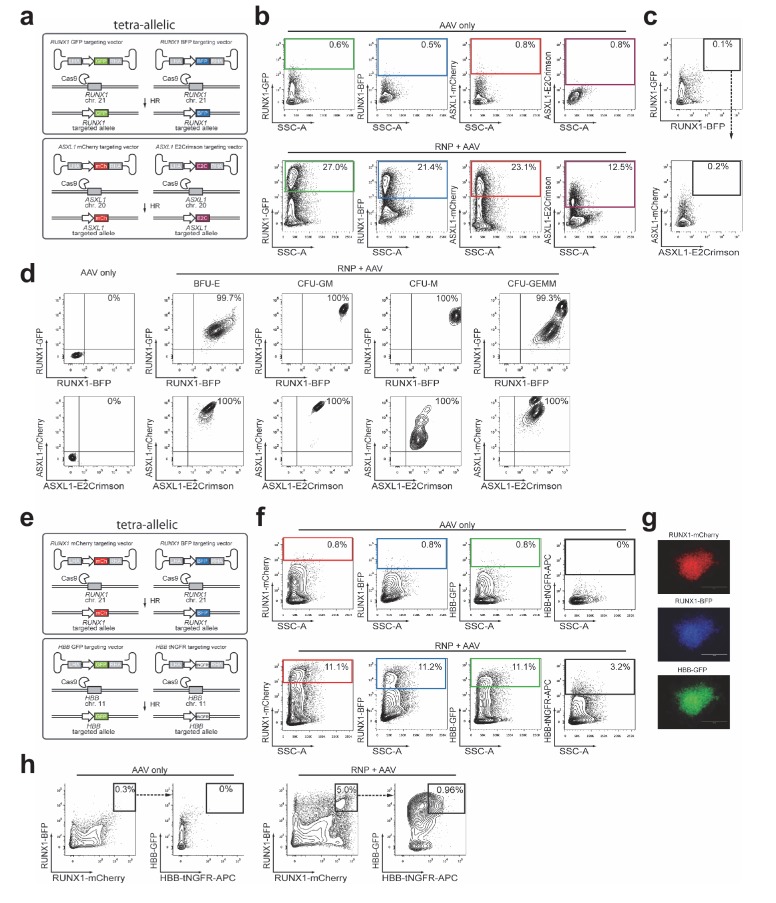
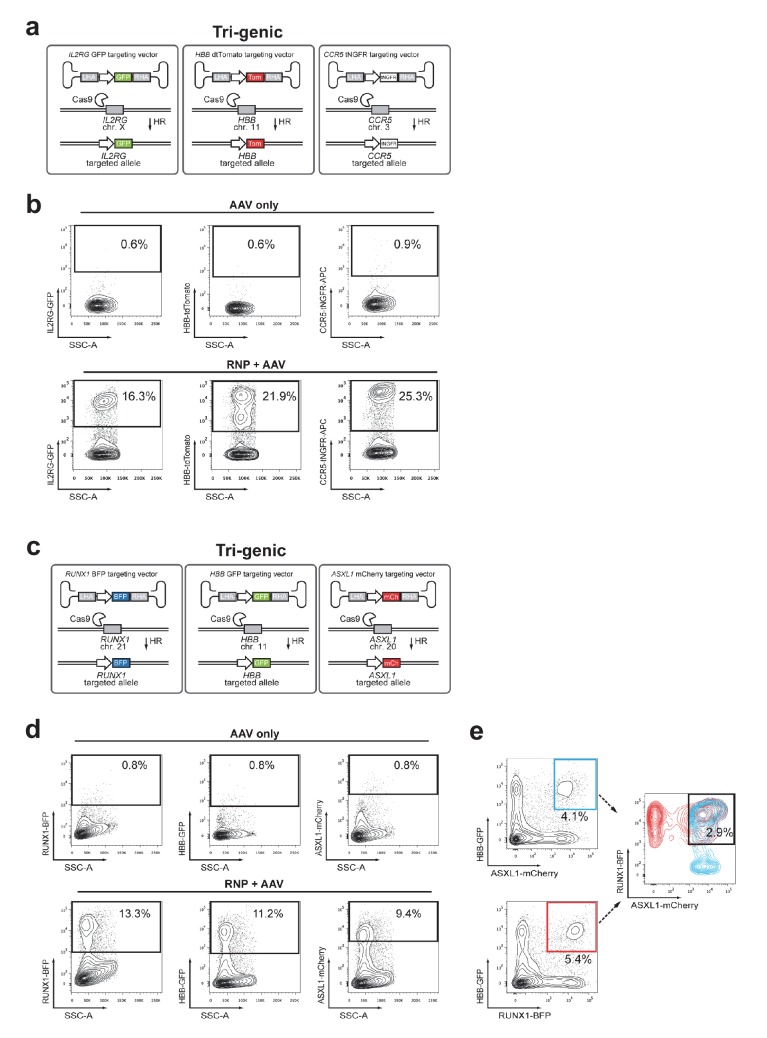
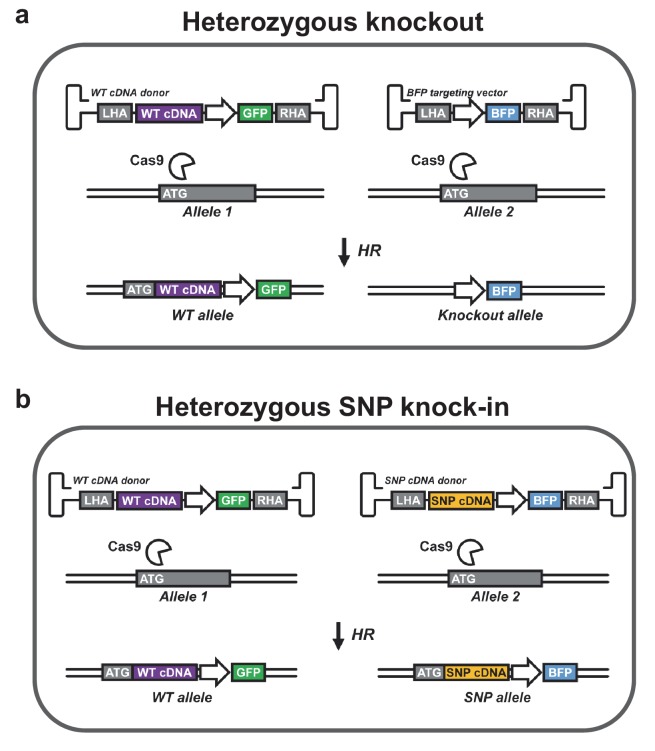
Precise and efficient manipulation of genes is crucial for understanding the molecular mechanisms that govern human hematopoiesis and for developing novel therapies for diseases of the blood and immune system. Current methods do not enable precise engineering of complex genotypes that can be easily tracked in a mixed population of cells. We describe a method to multiplex homologous recombination (HR) in human hematopoietic stem and progenitor cells and primary human T cells by combining rAAV6 donor delivery and the CRISPR/Cas9 system delivered as ribonucleoproteins (RNPs). In addition, the use of reporter genes allows FACS-purification and tracking of cells that have had multiple alleles or loci modified by HR. We believe this method will enable broad applications not only to the study of human hematopoietic gene function and networks, but also to perform sophisticated synthetic biology to develop innovative engineered stem cell-based therapeutics.
精确有效地操控基因对于理解调控人类造血的分子机制,以及开发血液和免疫系统疾病的新型疗法至关重要。目前的方法无法实现对复杂基因型的精确工程化,而这些基因型在混合细胞群中难以追踪。我们描述了一种在人类造血干细胞和祖细胞及原代人类 T 细胞中进行同源重组(HR)的方法,该方法结合 rAAV6 供体传递和作为核糖核蛋白(RNP)传递的 CRISPR/Cas9 系统。此外,报告基因的使用允许通过 FACS 对通过 HR 修饰了多个等位基因或基因座的细胞进行纯化和追踪。我们相信,这种方法不仅将广泛应用于研究人类造血基因功能和网络,还将用于进行复杂的合成生物学,以开发创新的基于工程干细胞的治疗方法。