Montesinos-López Abelardo, Montesinos-López Osval A, Gianola Daniel, Crossa José, Hernández-Suárez Carlos M
Departamento de Matemáticas, Centro Universitario de Ciencias Exactas e Ingenierías (CUCEI), Universidad de Guadalajara, 44430, Guadalajara, Jalisco, México.
Facultad de Telemática, Universidad de Colima, 28040, Colima, México
G3 (Bethesda). 2018 Dec 10;8(12):3813-3828. doi: 10.1534/g3.118.200740.
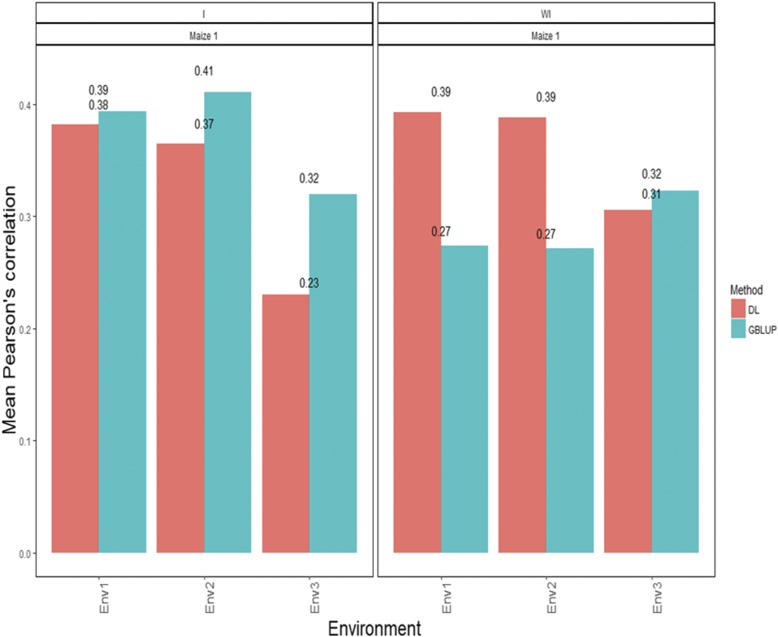
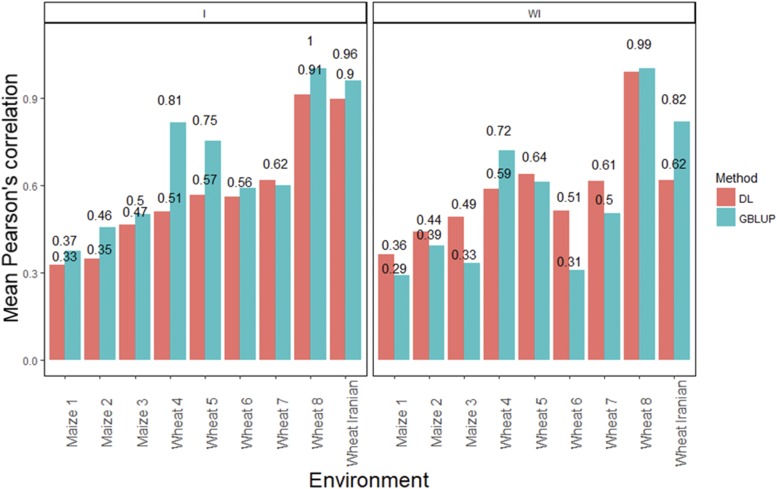
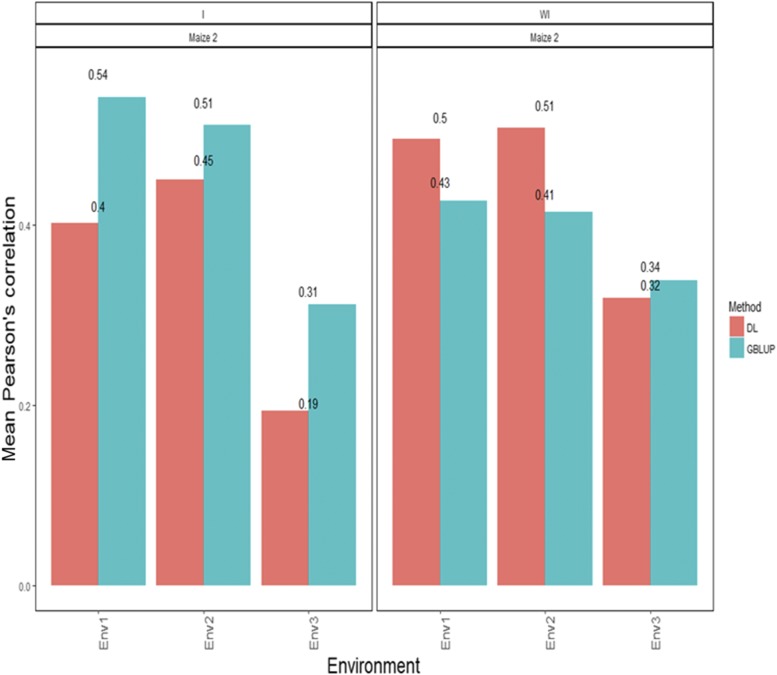
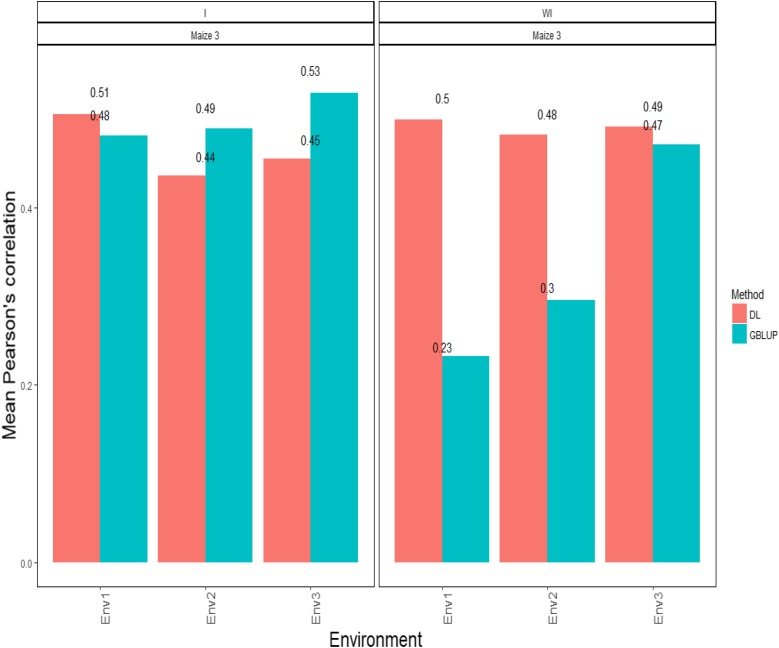
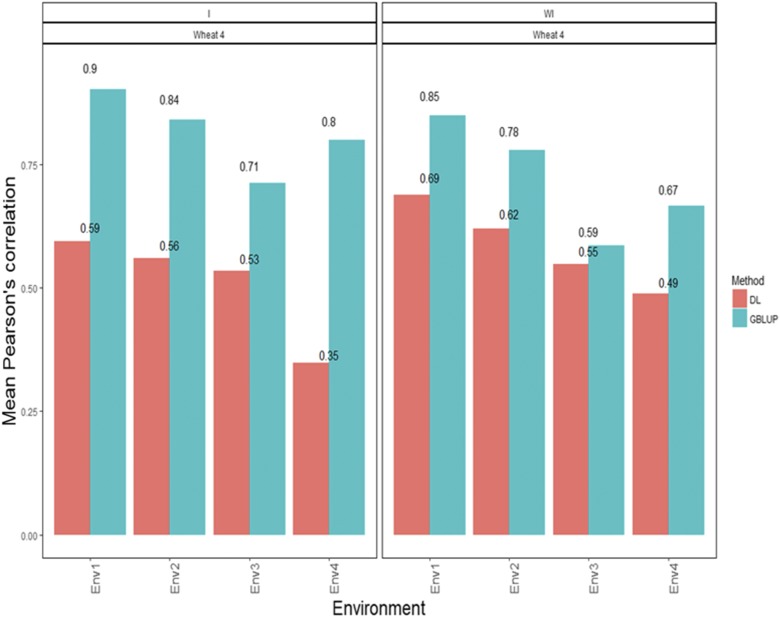
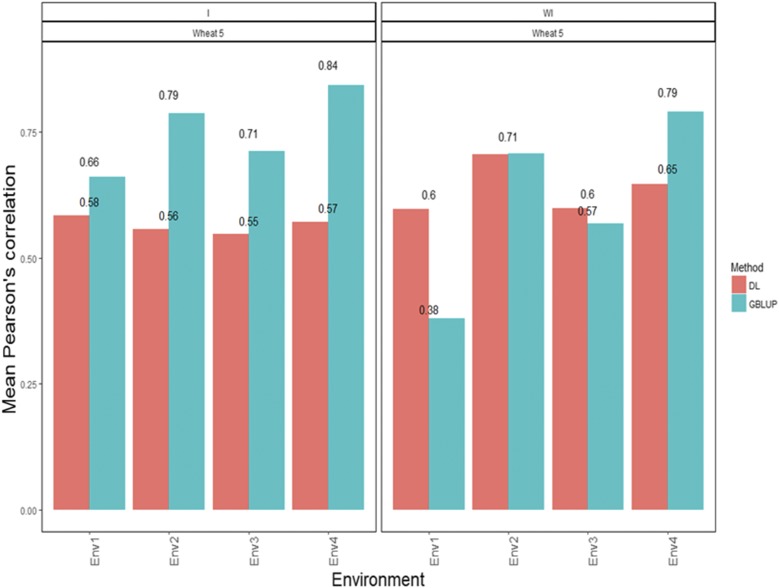
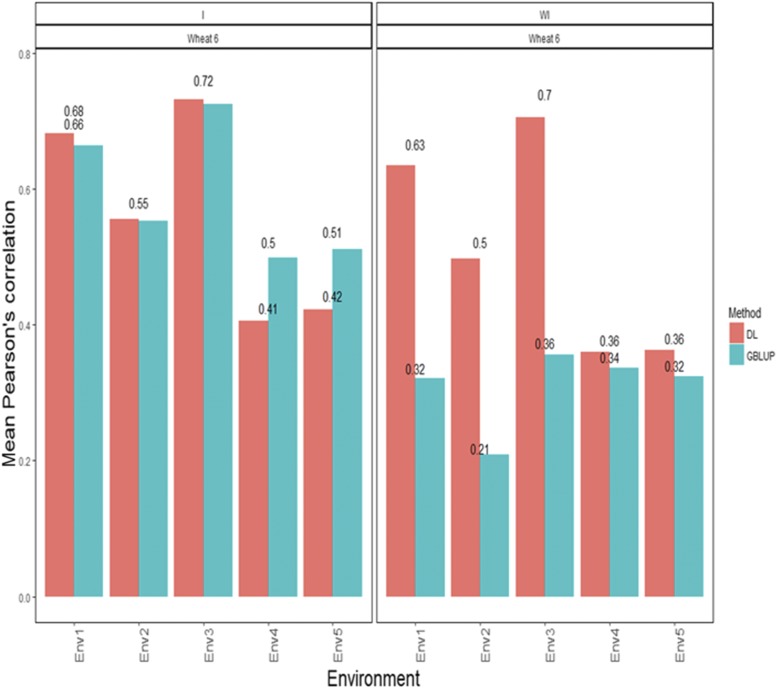
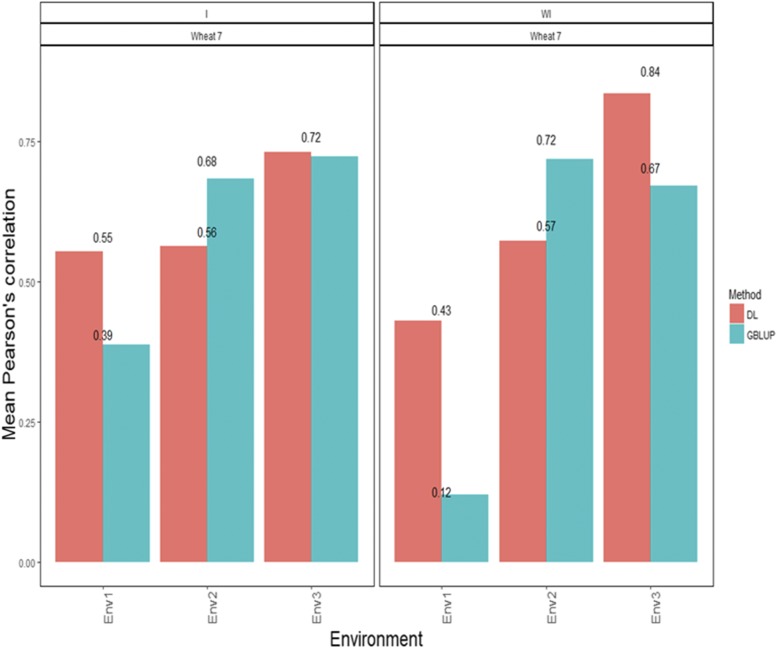
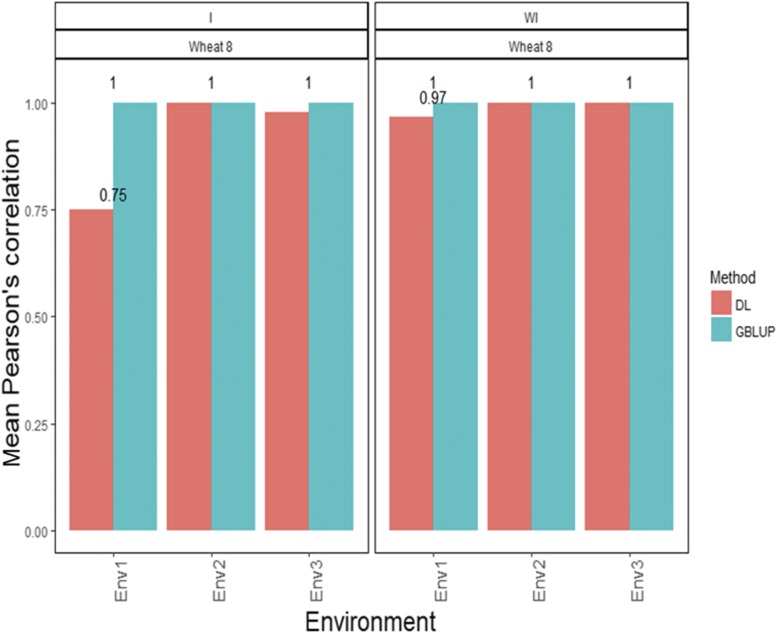
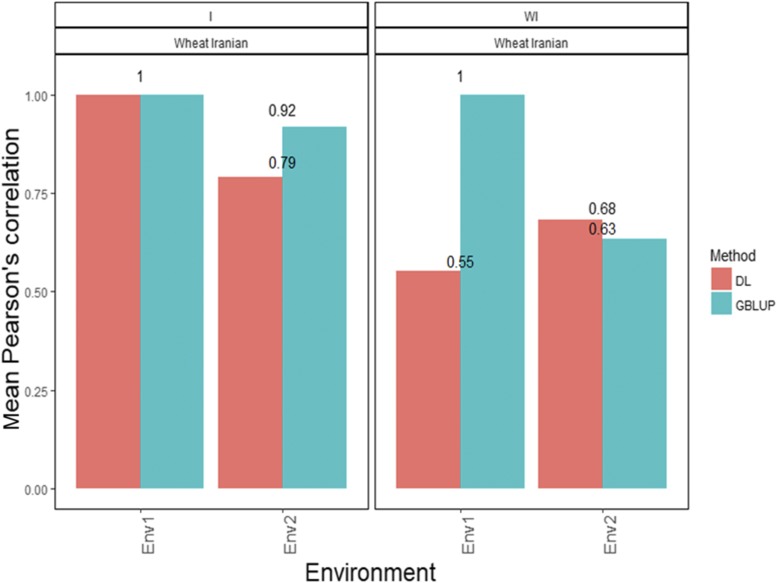
Genomic selection is revolutionizing plant breeding and therefore methods that improve prediction accuracy are useful. For this reason, active research is being conducted to build and test methods from other areas and adapt them to the context of genomic selection. In this paper we explore the novel deep learning (DL) methodology in the context of genomic selection. We compared DL methods with densely connected network architecture to one of the most often used genome-enabled prediction models: Genomic Best Linear Unbiased Prediction (GBLUP). We used nine published real genomic data sets to compare a fraction of all possible deep learning models to obtain a "meta picture" of the performance of DL methods with densely connected network architecture. In general, the best predictions were obtained with the GBLUP model when genotype×environment interaction (G×E) was taken into account (8 out of 9 data sets); when the interactions were ignored, the DL method was better than the GBLUP in terms of prediction accuracy in 6 out of the 9 data sets. For this reason, we believe that DL should be added to the data science toolkit of scientists working on animal and plant breeding. This study corroborates the view that there are no universally best prediction machines.
基因组选择正在彻底改变植物育种,因此提高预测准确性的方法很有用。出于这个原因,正在积极开展研究以构建和测试来自其他领域的方法,并使其适应基因组选择的背景。在本文中,我们在基因组选择的背景下探索了新颖的深度学习(DL)方法。我们将具有密集连接网络架构的DL方法与最常用的基于基因组的预测模型之一:基因组最佳线性无偏预测(GBLUP)进行了比较。我们使用了九个已发表的真实基因组数据集来比较所有可能的深度学习模型的一部分,以获得具有密集连接网络架构的DL方法性能的“全景图”。总体而言,当考虑基因型×环境互作(G×E)时,GBLUP模型获得了最佳预测(9个数据集中的8个);当忽略互作时,在9个数据集中的6个数据集中,DL方法在预测准确性方面优于GBLUP。因此,我们认为DL应该添加到从事动植物育种的科学家的数据科学工具包中。这项研究证实了没有普遍最佳预测机器的观点。