Luginina Marina, Schuhladen Katharina, Orrú Roberto, Cao Giacomo, Boccaccini Aldo R, Liverani Liliana
Dipartimento di Ingegneria Meccanica, Chimica e dei Materiali, University of Cagliari, Via Marengo 2, 09123 Cagliari, Italy.
Institute of Biomaterials, Department of Materials Science and Engineering, University of Erlangen-Nuremberg, Cauerstr. 6, 91058 Erlangen, Germany.
Nanomaterials (Basel). 2020 May 19;10(5):978. doi: 10.3390/nano10050978.
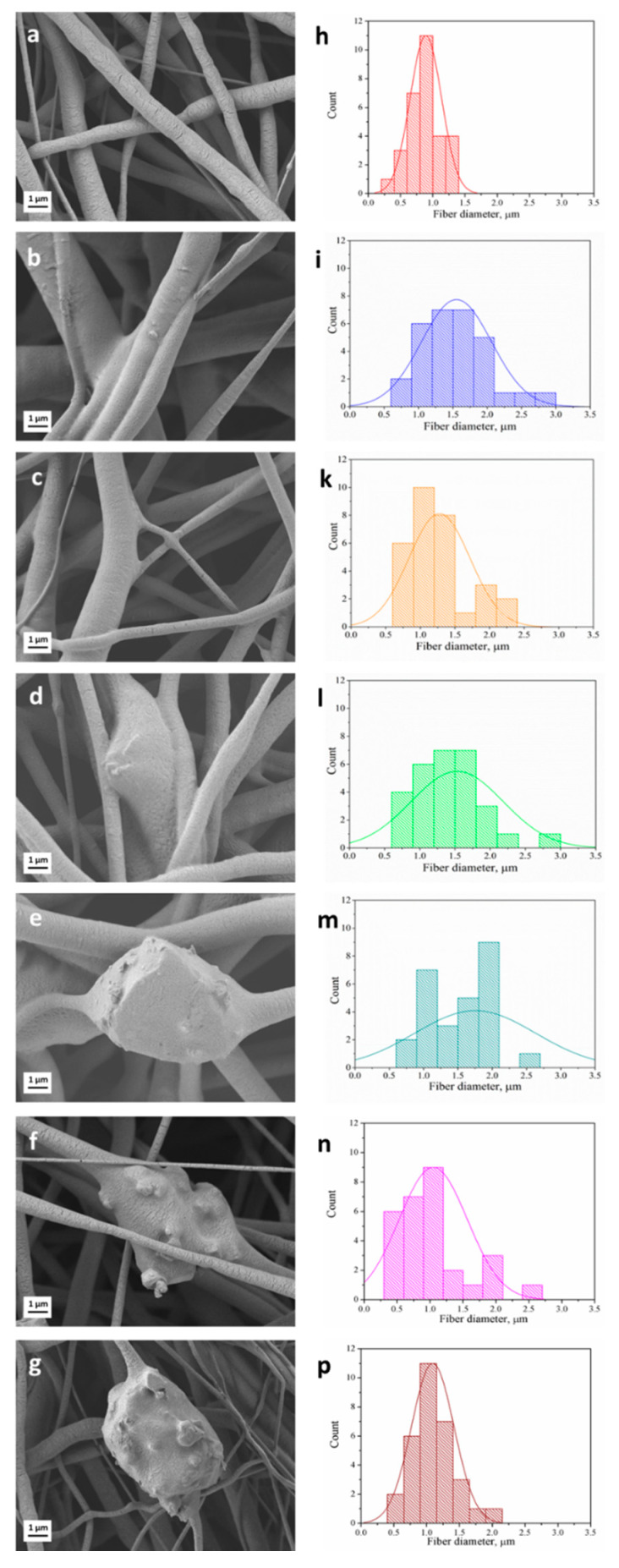
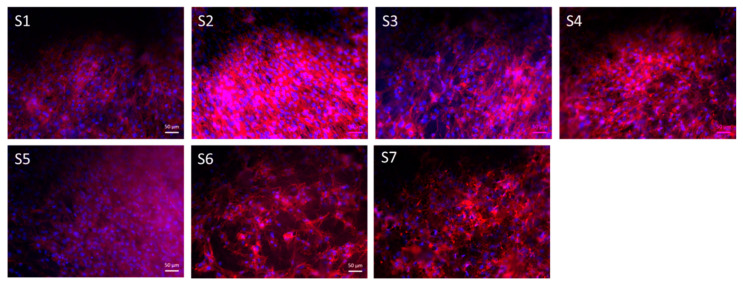
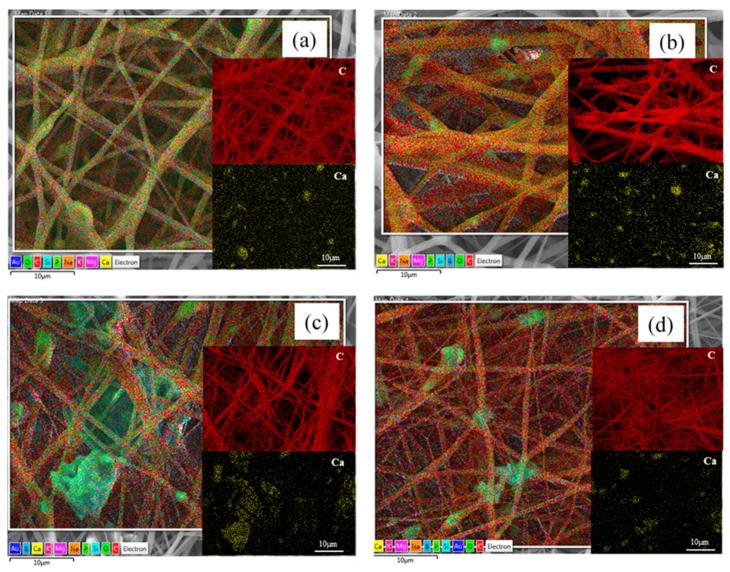
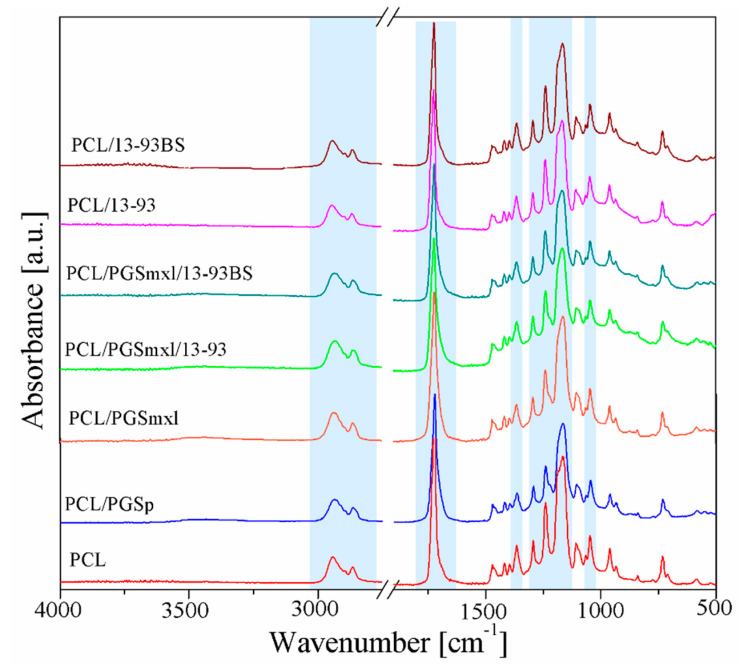
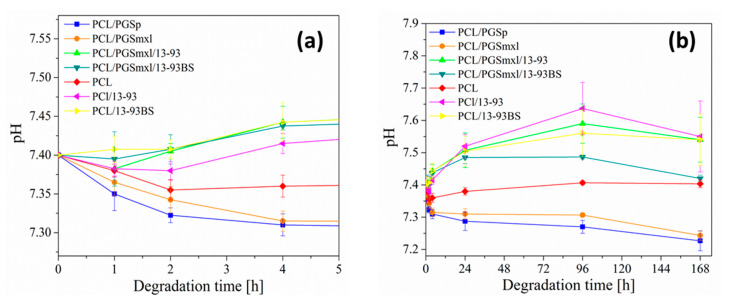
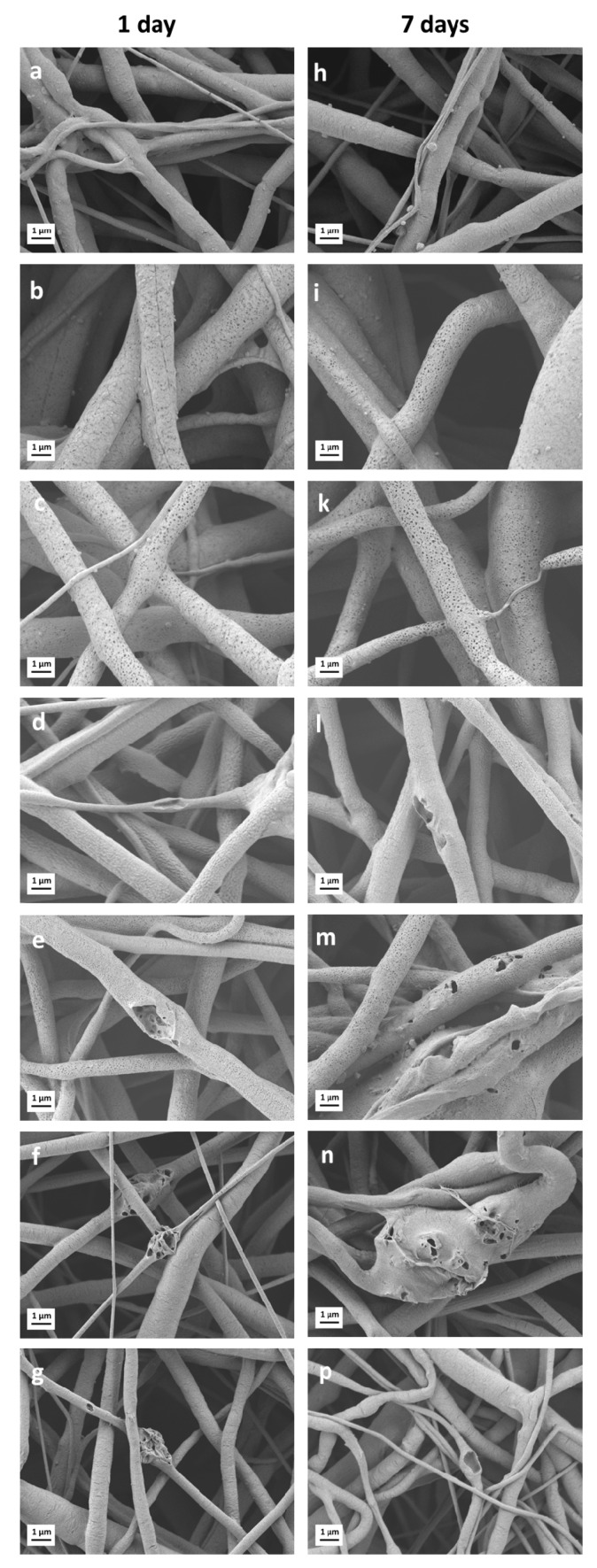
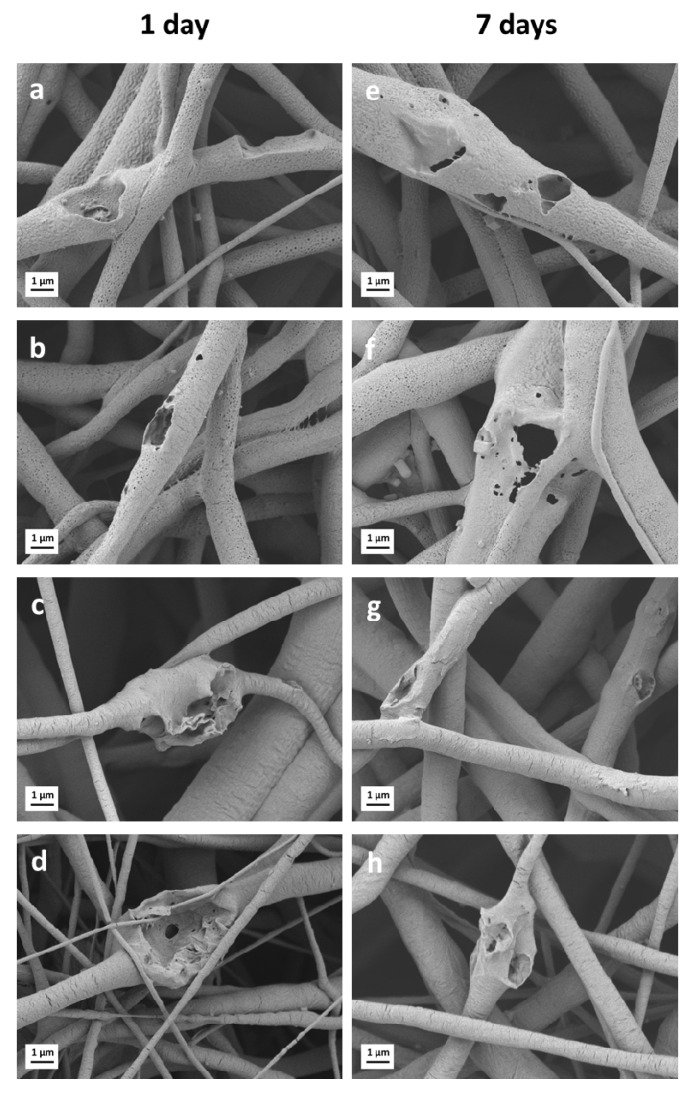
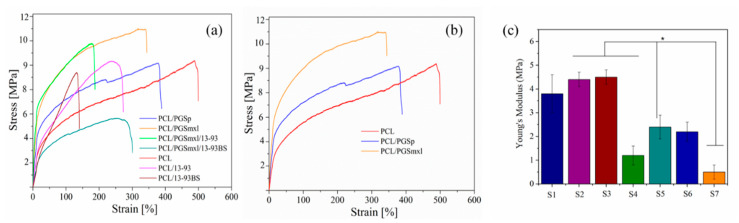
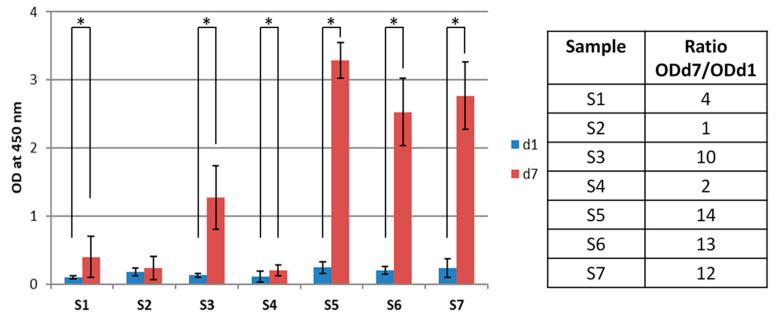
Poly(glycerol-sebacate) (PGS) and poly(epsilon caprolactone) (PCL) have been widely investigated for biomedical applications in combination with the electrospinning process. Among others, one advantage of this blend is its suitability to be processed with benign solvents for electrospinning. In this work, the suitability of PGS/PCL polymers for the fabrication of composite fibers incorporating bioactive glass (BG) particles was investigated. Composite electrospun fibers containing silicate or borosilicate glass particles (13-93 and 13-93BS, respectively) were obtained and characterized. Neat PCL and PCL composite electrospun fibers were used as control to investigate the possible effect of the presence of PGS and the influence of the bioactive glass particles. In fact, with the addition of PGS an increase in the average fiber diameter was observed, while in all the composite fibers, the presence of BG particles induced an increase in the fiber diameter distribution, without changing significantly the average fiber diameter. Results confirmed that the blended fibers are hydrophilic, while the addition of BG particles does not affect fiber wettability. Degradation test and acellular bioactivity test highlight the release of the BG particles from all composite fibers, relevant for all applications related to therapeutic ion release, i.e., wound healing. Because of weak interface between the incorporated BG particles and the polymeric fibers, mechanical properties were not improved in the composite fibers. Promising results were obtained from preliminary biological tests for potential use of the developed mats for soft tissue engineering applications.
聚癸二酸甘油酯(PGS)和聚己内酯(PCL)与静电纺丝工艺相结合在生物医学应用方面已得到广泛研究。其中,这种共混物的一个优点是它适合用良性溶剂进行静电纺丝加工。在这项工作中,研究了PGS/PCL聚合物用于制备包含生物活性玻璃(BG)颗粒的复合纤维的适用性。获得并表征了含有硅酸盐或硼硅酸盐玻璃颗粒(分别为13 - 93和13 - 93BS)的复合静电纺丝纤维。使用纯PCL和PCL复合静电纺丝纤维作为对照,以研究PGS存在的可能影响以及生物活性玻璃颗粒的影响。事实上,添加PGS后观察到平均纤维直径增加,而在所有复合纤维中,BG颗粒的存在导致纤维直径分布增加,而平均纤维直径没有显著变化。结果证实共混纤维是亲水性的,而添加BG颗粒不影响纤维的润湿性。降解试验和无细胞生物活性试验突出了所有复合纤维中BG颗粒的释放,这与所有与治疗性离子释放相关的应用(即伤口愈合)有关。由于掺入的BG颗粒与聚合物纤维之间的界面较弱,复合纤维的机械性能没有得到改善。从初步生物学试验中获得了有希望的数据,表明所开发的垫子在软组织工程应用中有潜在用途。