Key Laboratory for Biomechanics and Mechanobiology, Beijing Advanced Innovation Center for Biomedical Engineering, School of Biological Science and Medical Engineering, Beihang University, Beijing, 100083, China.
Department of Materials Science and Engineering, Massachusetts Institute of Technology, Cambridge, MA, 02139, USA.
Adv Biol (Weinh). 2021 Jun;5(6):e2000024. doi: 10.1002/adbi.202000024. Epub 2021 Apr 15.
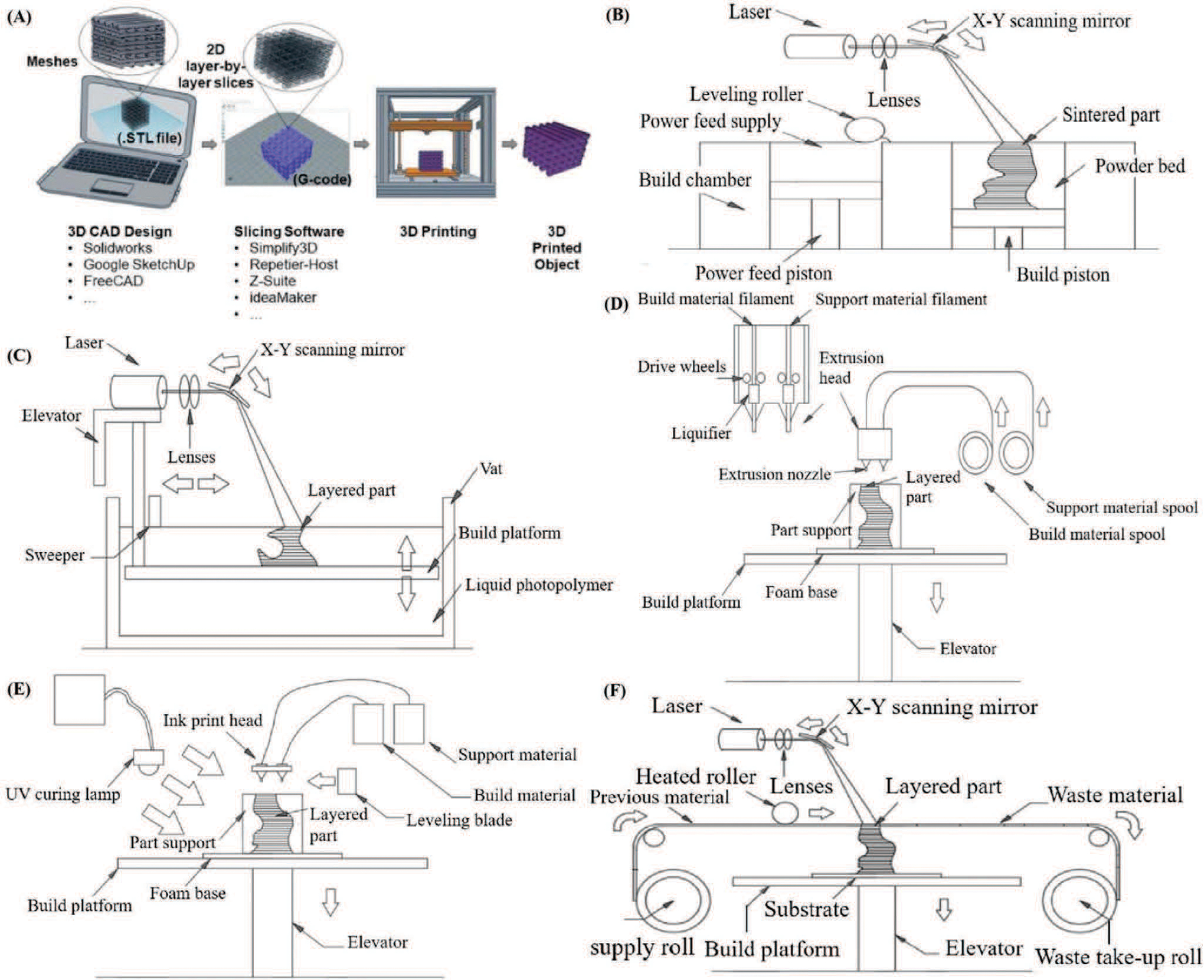
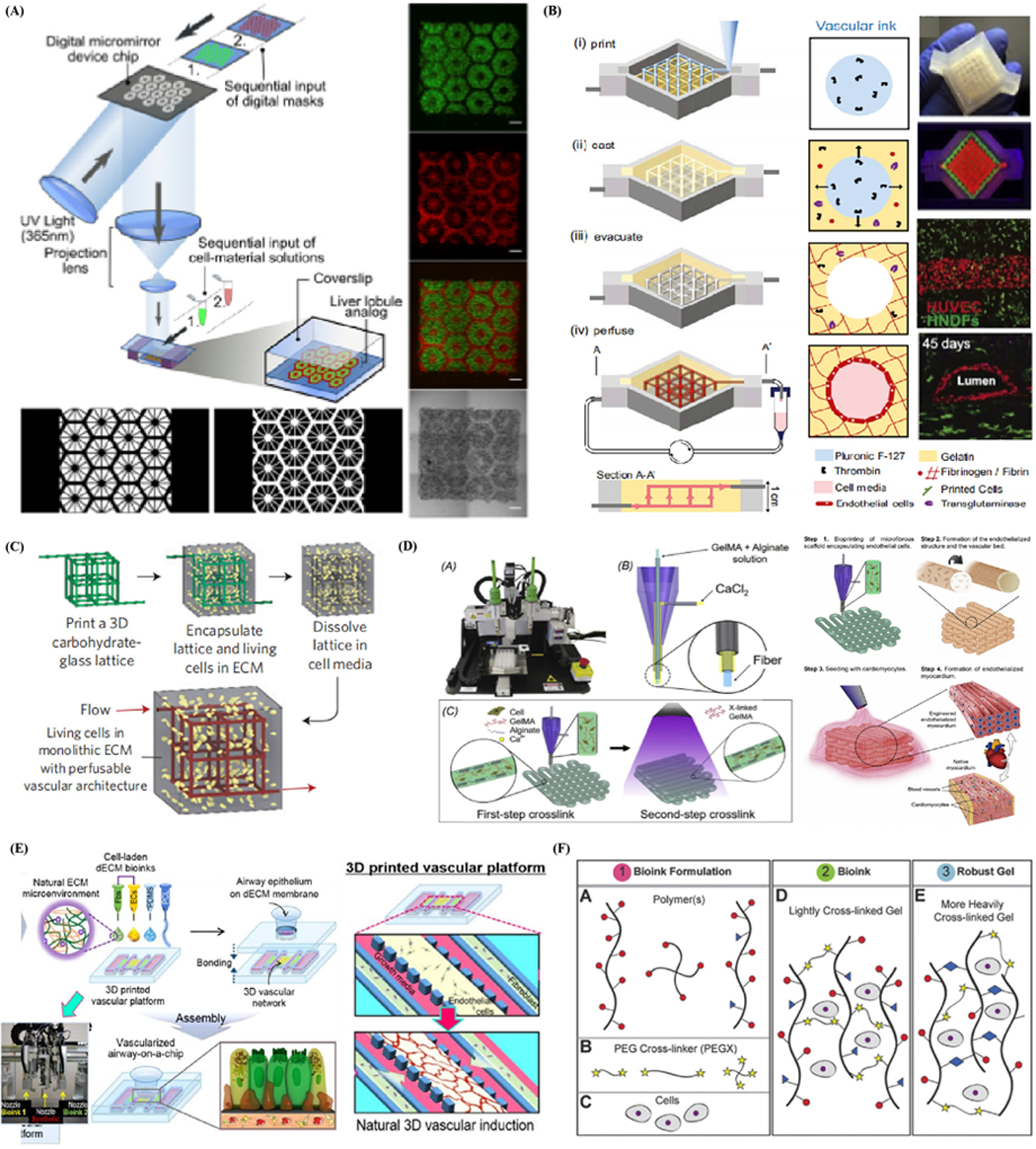
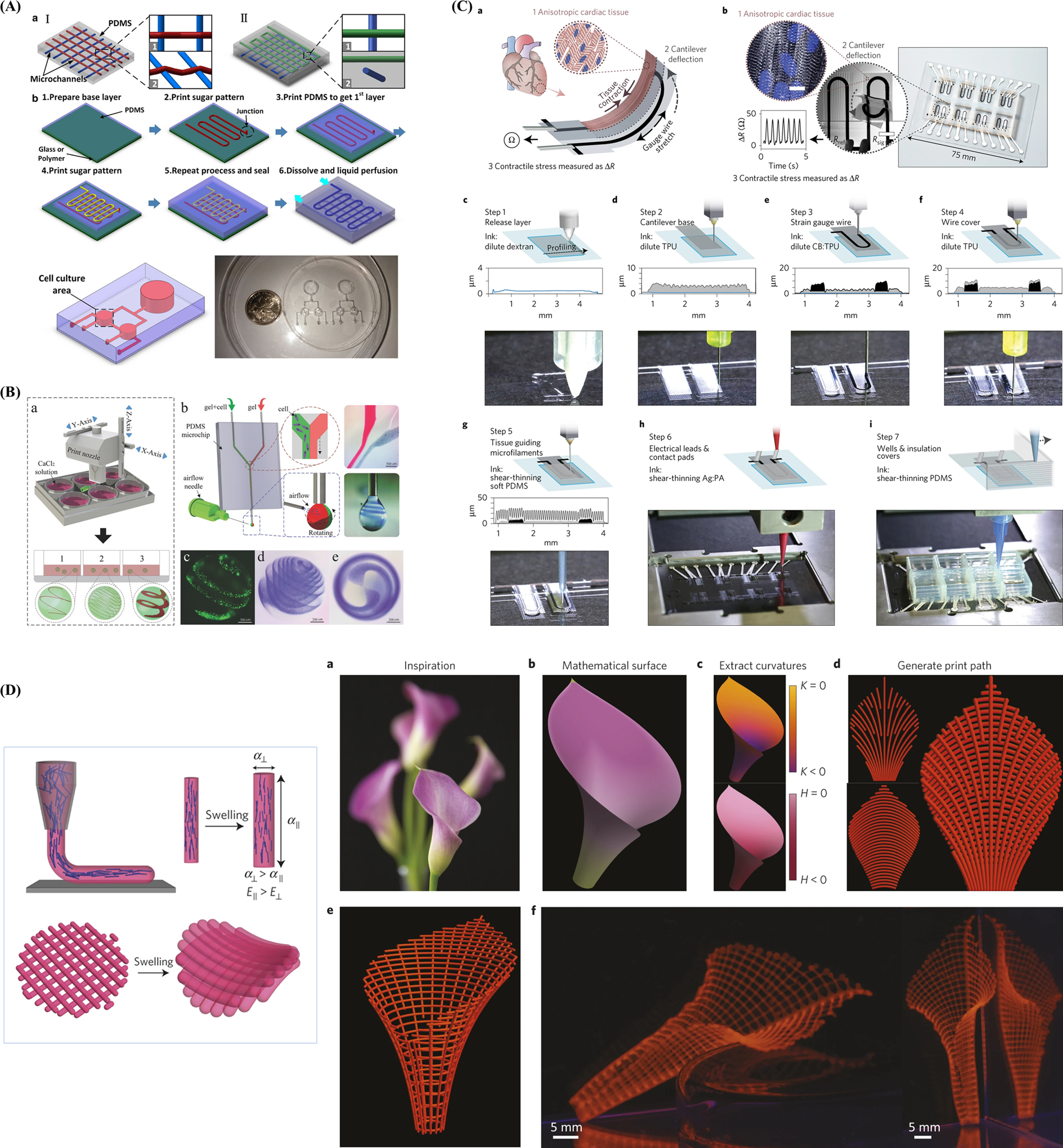
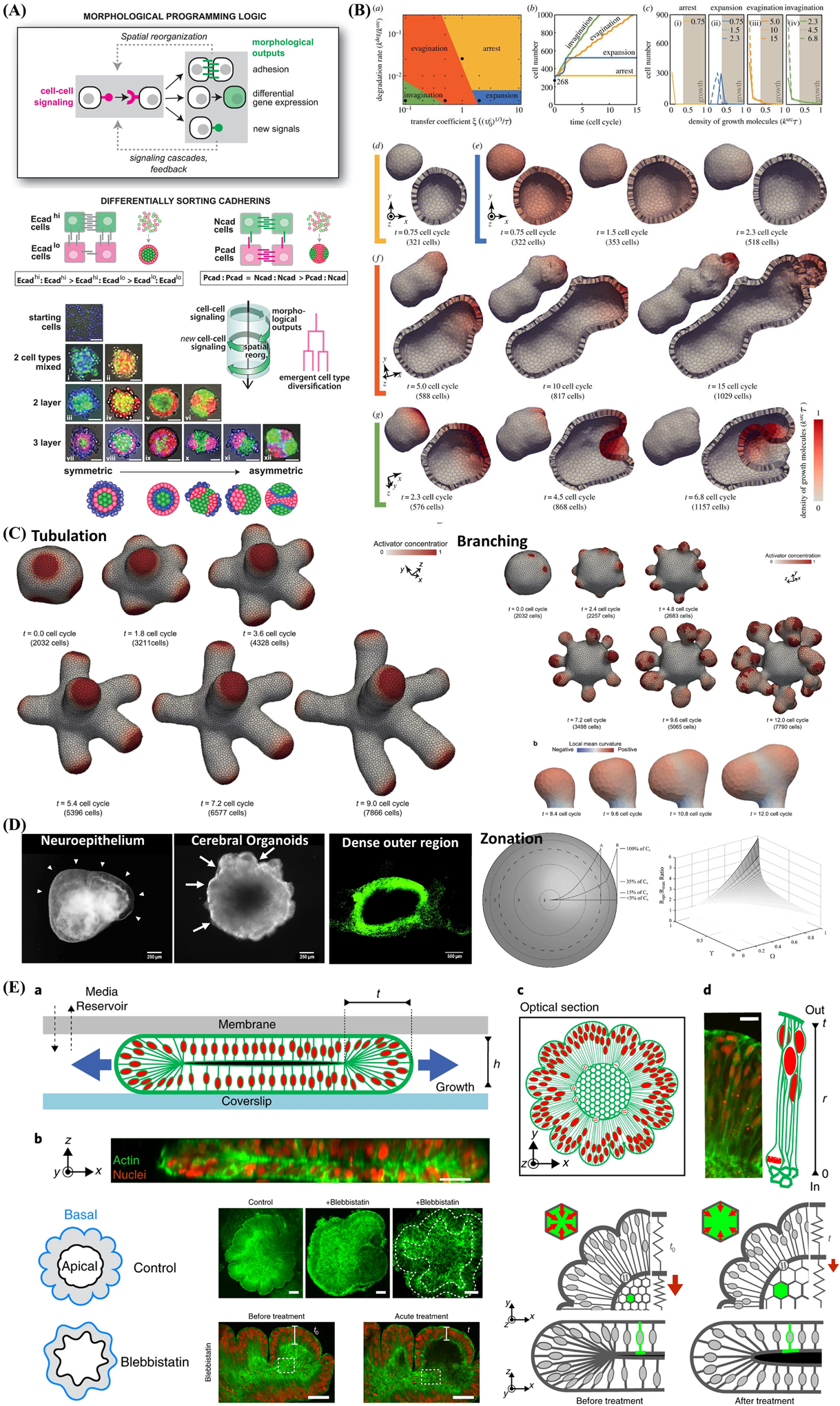
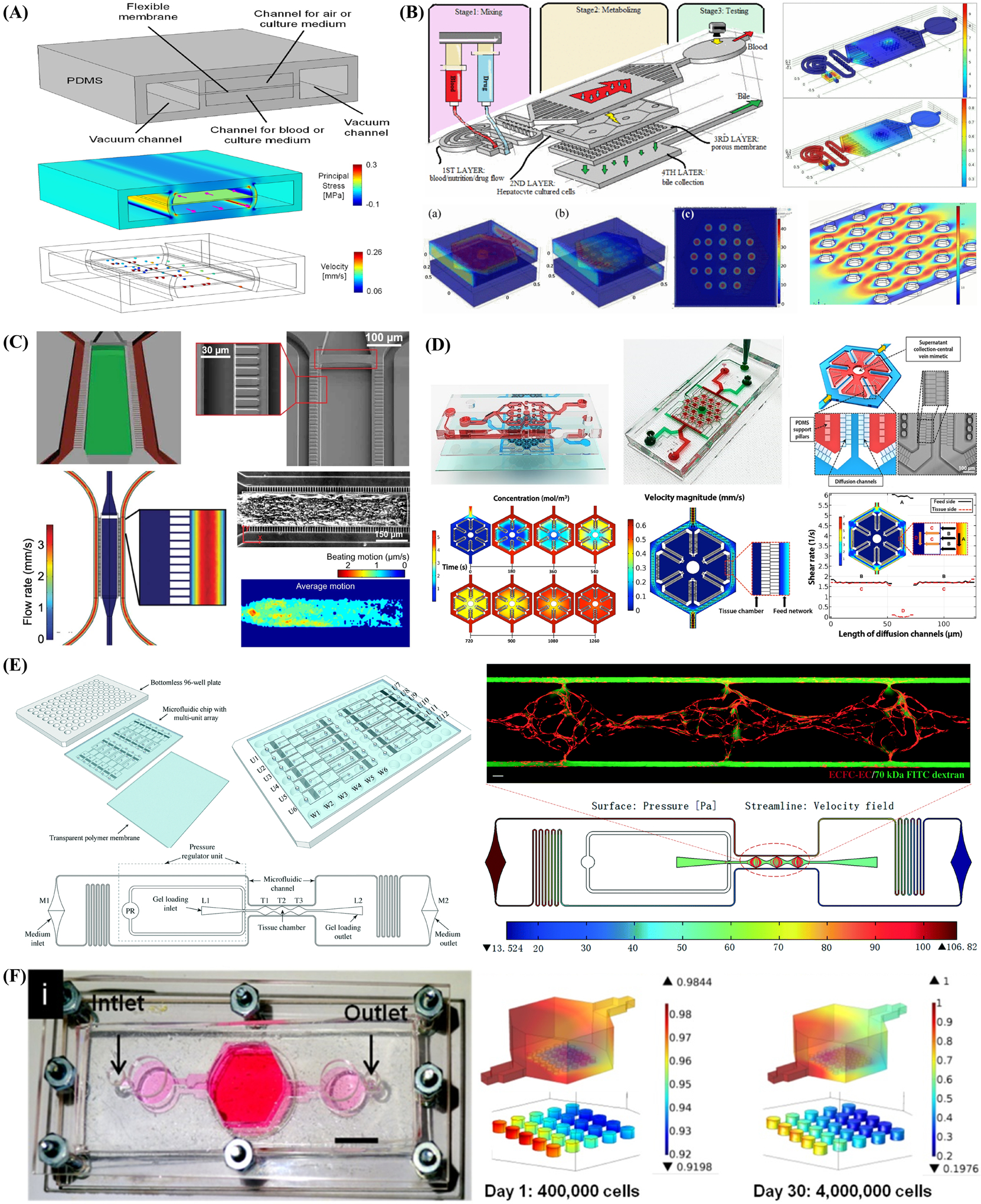
The last few decades have witnessed diversified in vitro models to recapitulate the architecture and function of living organs or tissues and contribute immensely to advances in life science. Two novel 3D cell culture models: 1) Organoid, promoted mainly by the developments of stem cell biology and 2) Organ-on-a-chip, enhanced primarily due to microfluidic technology, have emerged as two promising approaches to advance the understanding of basic biological principles and clinical treatments. This review describes the comparable distinct differences between these two models and provides more insights into their complementarity and integration to recognize their merits and limitations for applicable fields. The convergence of the two approaches to produce multi-organoid-on-a-chip or human organoid-on-a-chip is emerging as a new approach for building 3D models with higher physiological relevance. Furthermore, rapid advancements in 3D printing and numerical simulations, which facilitate the design, manufacture, and results-translation of 3D cell culture models, can also serve as novel tools to promote the development and propagation of organoid and organ-on-a-chip systems. Current technological challenges and limitations, as well as expert recommendations and future solutions to address the promising combinations by incorporating organoids, organ-on-a-chip, 3D printing, and numerical simulation, are also summarized.
过去几十年见证了多样化的体外模型来重现活体器官或组织的结构和功能,并为生命科学的进步做出了巨大贡献。两种新型的 3D 细胞培养模型:1)类器官,主要由干细胞生物学的发展推动,以及 2)芯片上器官,主要由于微流控技术的进步而出现,已成为推进基本生物学原理和临床治疗理解的两种有前途的方法。本综述描述了这两种模型之间可比的明显差异,并提供了更多关于它们互补性和集成的见解,以认识到它们在适用领域的优点和局限性。这两种方法的融合产生多器官类器官或人器官类器官正在成为构建具有更高生理相关性的 3D 模型的新方法。此外,3D 打印和数值模拟的快速发展促进了 3D 细胞培养模型的设计、制造和结果转化,也可以作为促进类器官和器官芯片系统发展和传播的新工具。本文还总结了当前的技术挑战和局限性,以及专家建议和未来解决方案,以通过整合类器官、器官芯片、3D 打印和数值模拟来解决有前途的组合。