Kunchana Khwandow, Jarisarapurin Wattanased, Chularojmontri Linda, Wattanapitayakul Suvara K
Department of Pharmacology, Faculty of Medicine, Srinakharinwirot University, Bangkok 10110, Thailand.
Department of Preclinical Sciences, Faculty of Medicine, Thammasat University, Khlong Luang, Pathum Thani 12121, Thailand.
Antioxidants (Basel). 2021 Apr 29;10(5):703. doi: 10.3390/antiox10050703.
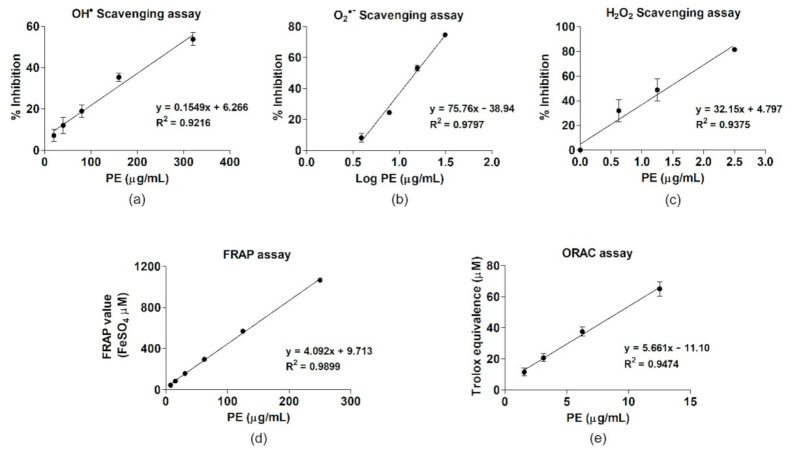
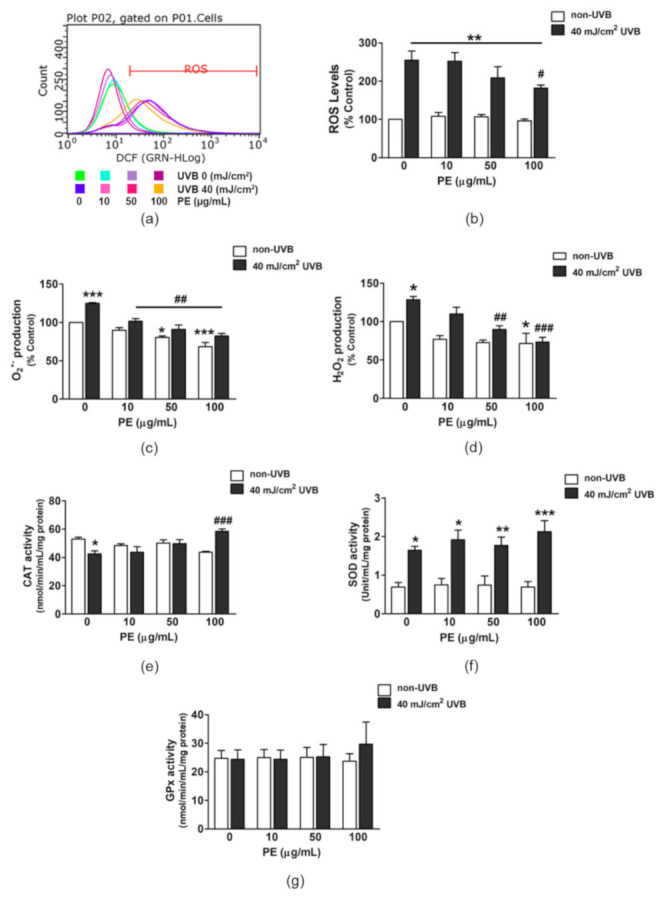
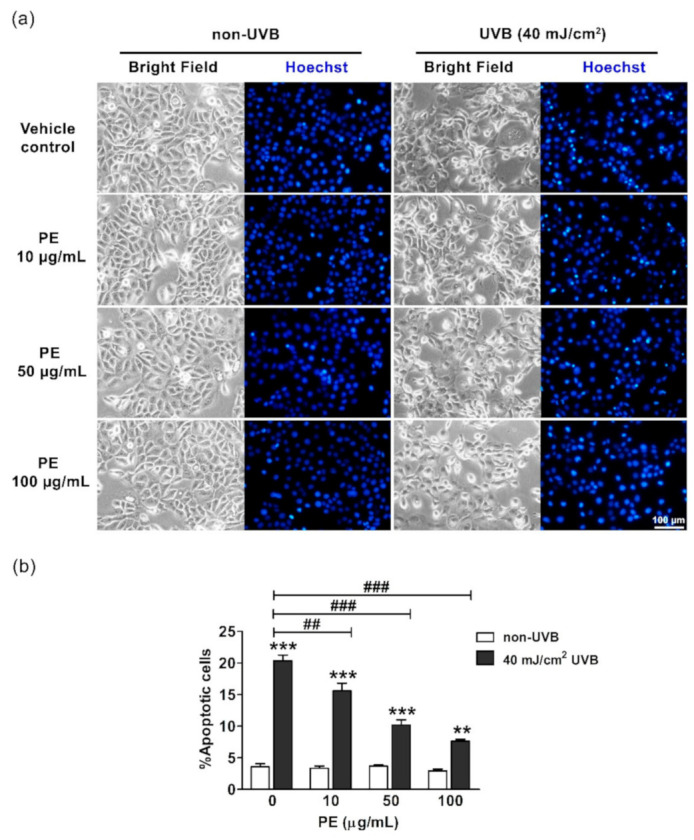
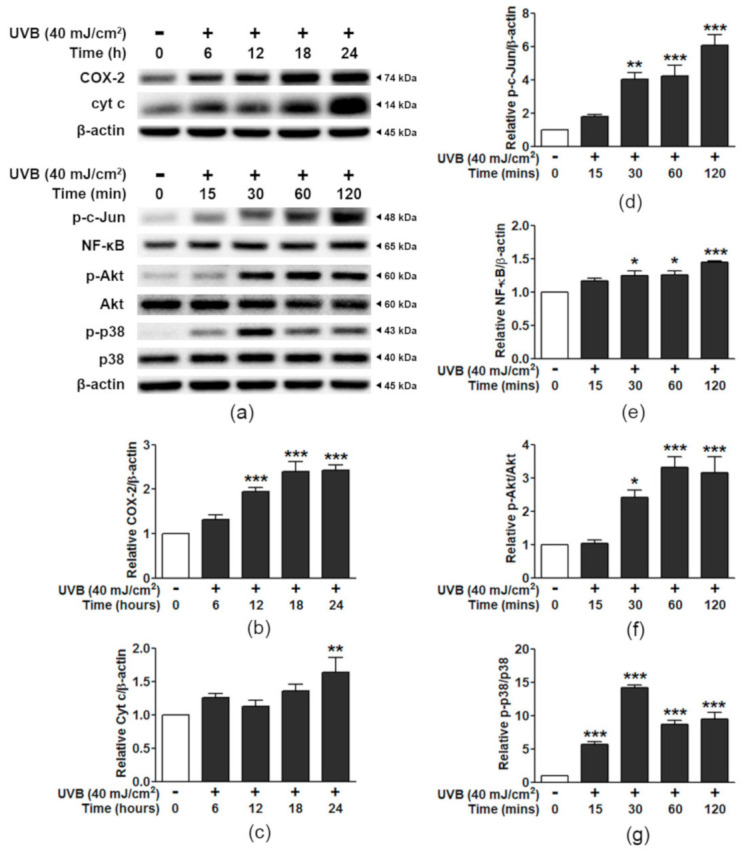
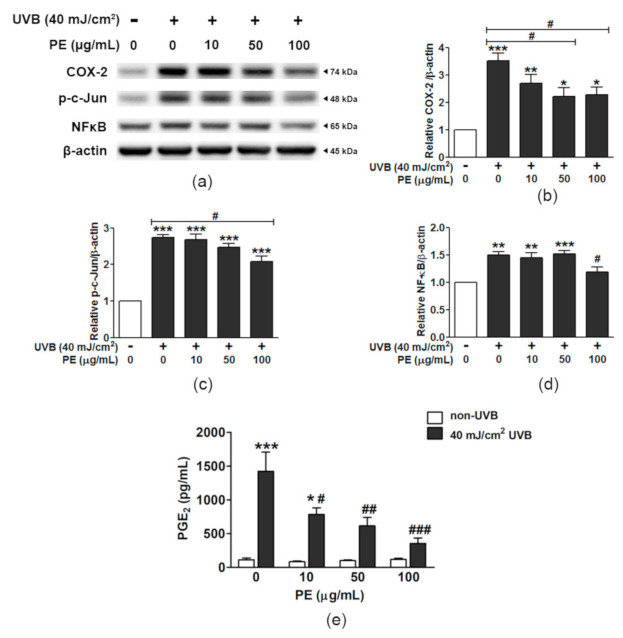
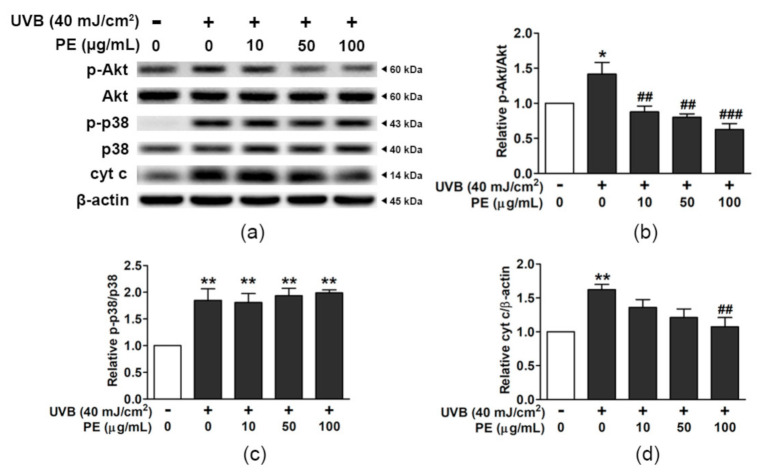
Ultraviolet B (UVB) exposure is the primary risk factor for the deadliest type of skin cancer-melanoma. Incorporating natural antioxidants in skin protection products is currently a favored research theme. For this study, we selected L. fruit extract (PE) to assess its potential use in dermal protection against UVB-induced keratinocyte inflammation and apoptosis. High-performance liquid chromatography (HPLC) was used to investigate PE's phytochemical constituents (ascorbic acid, ellagic acid, gallic acid, chlorogenic acid, and quercetin), while ferric reducing antioxidant power (FRAP), oxygen radical absorbance capacity (ORAC), total ROS, OH, O, and HO-scavenging activities were used to determine the antioxidant properties. PE significantly increased the cell viability (MTT assay) and reduced apoptosis (Hoechst staining) in HaCaT cells exposed to UVB (40 mJ/cm). PE abolished oxidative stress by reducing the production of intracellular ROS, O and HO production. Catalase activity (but not superoxide dismutase or glutathione peroxidase activity) was enhanced in keratinocytes incubated with PE prior to UVB exposure. Western blot analysis suggested that PE inhibited cytochrome c release and inhibited the dysregulation of PI3K/Akt without any impact on p38 activation. PE attenuated the inflammatory response to UVB irradiation by inhibiting AP-1, NF-κB, and the mediator PGE. Thus, PE is a candidate with great potential for use as an active ingredient in skin care products.
紫外线B(UVB)照射是最致命的皮肤癌——黑色素瘤的主要风险因素。在皮肤保护产品中添加天然抗氧化剂是目前一个备受青睐的研究主题。在本研究中,我们选择了L.果实提取物(PE)来评估其在皮肤保护方面的潜力,以抵御UVB诱导的角质形成细胞炎症和凋亡。采用高效液相色谱法(HPLC)研究PE的植物化学成分(抗坏血酸、鞣花酸、没食子酸、绿原酸和槲皮素),同时使用铁还原抗氧化能力(FRAP)、氧自由基吸收能力(ORAC)、总活性氧、OH、O和HO清除活性来测定其抗氧化性能。在暴露于UVB(40 mJ/cm)的HaCaT细胞中,PE显著提高了细胞活力(MTT法)并减少了凋亡(Hoechst染色)。PE通过减少细胞内活性氧、O和HO的产生消除了氧化应激。在UVB暴露前用PE孵育的角质形成细胞中,过氧化氢酶活性(但超氧化物歧化酶或谷胱甘肽过氧化物酶活性未改变)增强。蛋白质印迹分析表明,PE抑制细胞色素c释放并抑制PI3K/Akt的失调,而对p38激活没有任何影响。PE通过抑制AP-1、NF-κB和介质PGE减轻了对UVB照射的炎症反应。因此,PE作为护肤品中的活性成分具有巨大的应用潜力。