National Technical University of Athens, Physics Department, Greece.
National Technical University of Athens, Physics Department, Greece.
Infect Genet Evol. 2021 Aug;92:104896. doi: 10.1016/j.meegid.2021.104896. Epub 2021 May 7.
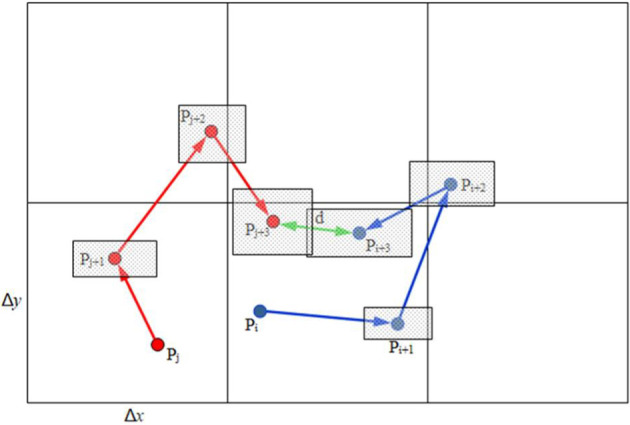
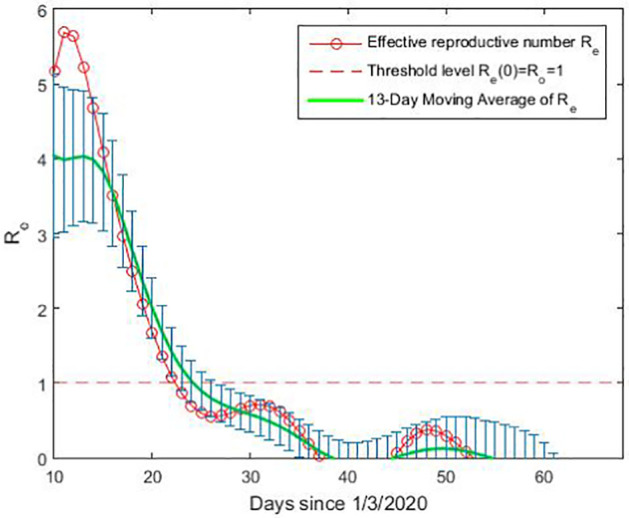
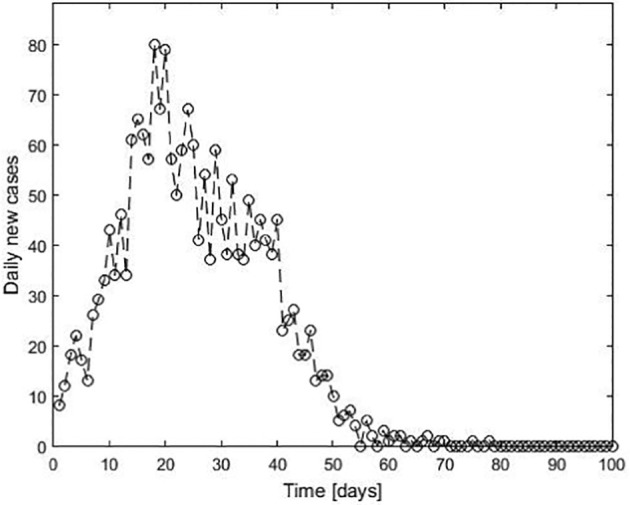
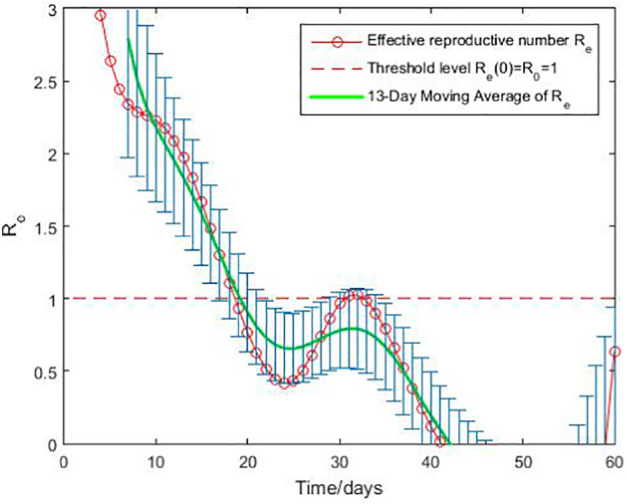
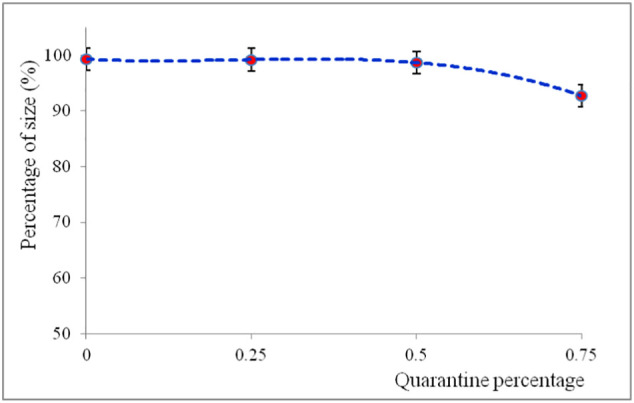
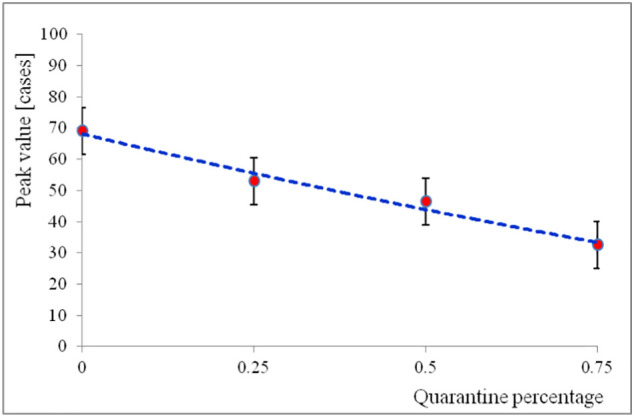
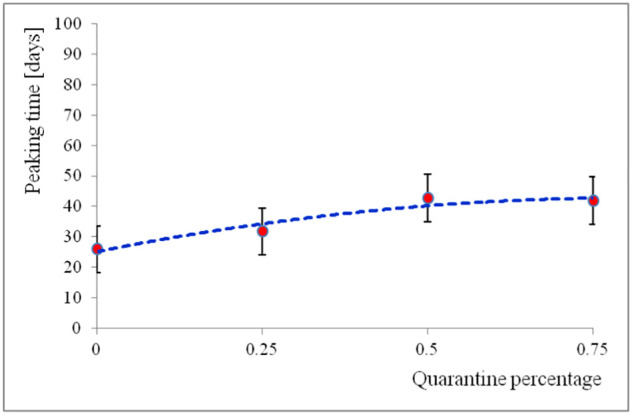
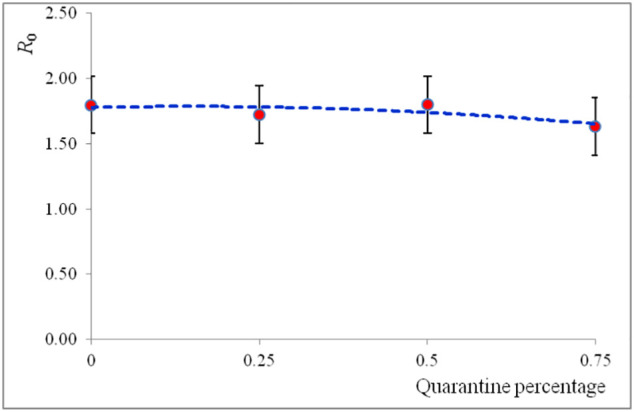
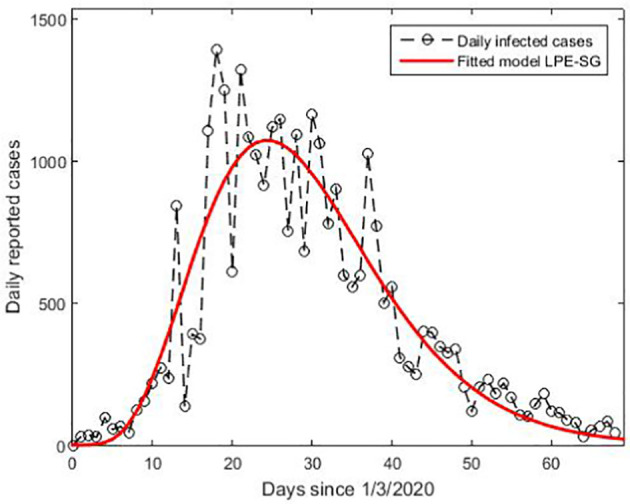
A Monte Carlo simulation in a novel approach is used for studying the problem of the outbreak and spread dynamics of the new COVID-19 pandemic in this work. In particular, our goal was to generate epidemiological data based on natural mechanism of transmission of this disease assuming random interactions of a large-finite number of individuals in very short distance ranges. In the simulation we also take into account the stochastic character of the individuals in a finite population and given densities of people. On the other hand, we include in the simulation the appropriate statistical distributions for the parameters characterizing this disease. An important outcome of our work, besides the generated epidemic curves, is the methodology of determining the effective reproductive number during the main part of the daily new cases of the epidemic. Since this quantity constitutes a fundamental parameter of the SIR-based epidemic models, we also studied how it is affected by small variations of the incubation time and the crucial distance distributions, and furthermore, by the degree of quarantine measures. In addition, we compare our qualitative results with those of selected real epidemiological data.
在这项工作中,我们使用一种新方法的蒙特卡罗模拟来研究新的 COVID-19 大流行爆发和传播动力学问题。具体来说,我们的目标是根据这种疾病的自然传播机制生成基于大量个体在非常短的距离范围内随机相互作用的流行病学数据。在模拟中,我们还考虑了有限人群中个体的随机特征和给定的人群密度。另一方面,我们将用于描述这种疾病的参数的适当统计分布包含在模拟中。我们工作的一个重要结果,除了生成的流行曲线之外,是在流行病的主要部分每天新病例中确定有效繁殖数的方法。由于这个数量是基于 SIR 的流行模型的基本参数,我们还研究了它如何受到潜伏期和关键距离分布的微小变化以及检疫措施程度的影响。此外,我们将我们的定性结果与选定的实际流行病学数据进行了比较。