Schwarz Erica L, Kelly John M, Blum Kevin M, Hor Kan N, Yates Andrew R, Zbinden Jacob C, Verma Aekaansh, Lindsey Stephanie E, Ramachandra Abhay B, Szafron Jason M, Humphrey Jay D, Shin'oka Toshiharu, Marsden Alison L, Breuer Christopher K
Department of Bioengineering, Stanford University, Stanford, CA, USA.
Center for Regenerative Medicine, Abigail Wexner Research Institute at Nationwide Children's Hospital, Columbus, OH, USA.
NPJ Regen Med. 2021 Jul 22;6(1):38. doi: 10.1038/s41536-021-00148-w.
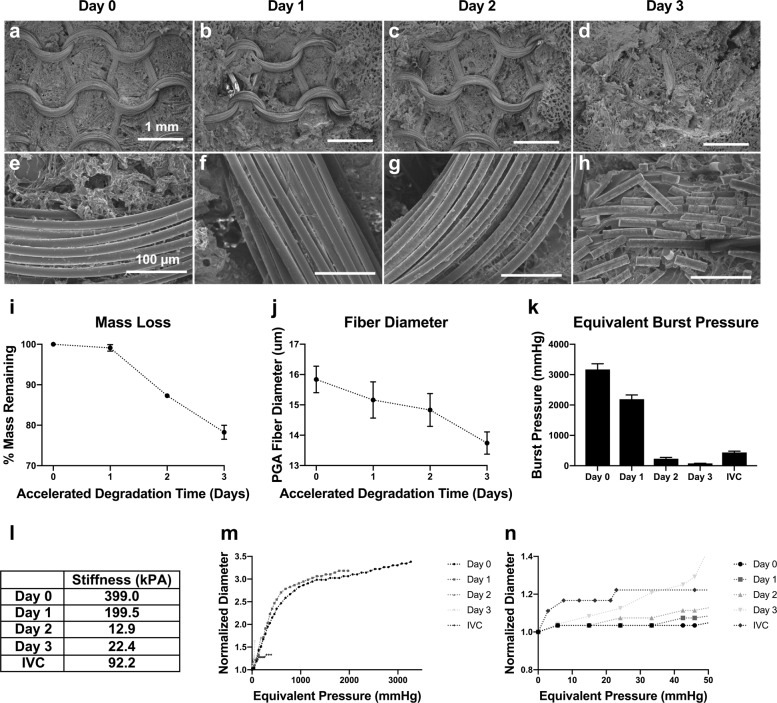
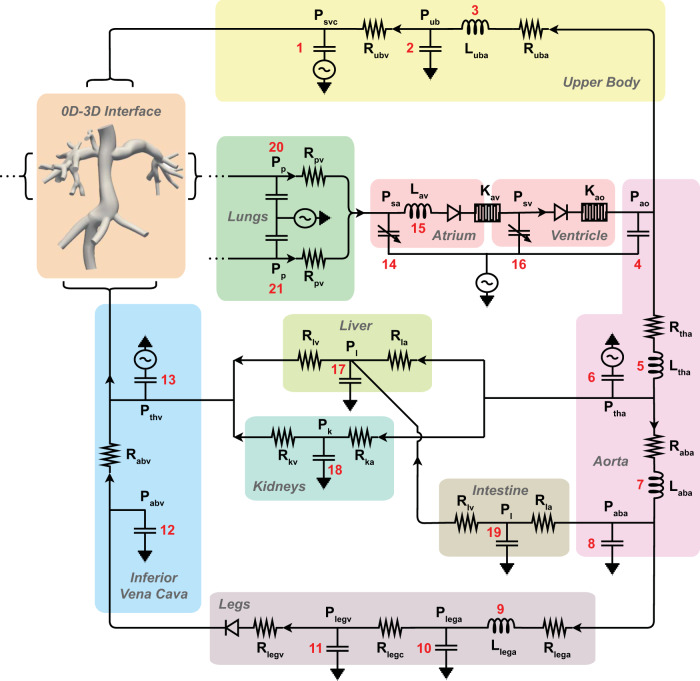
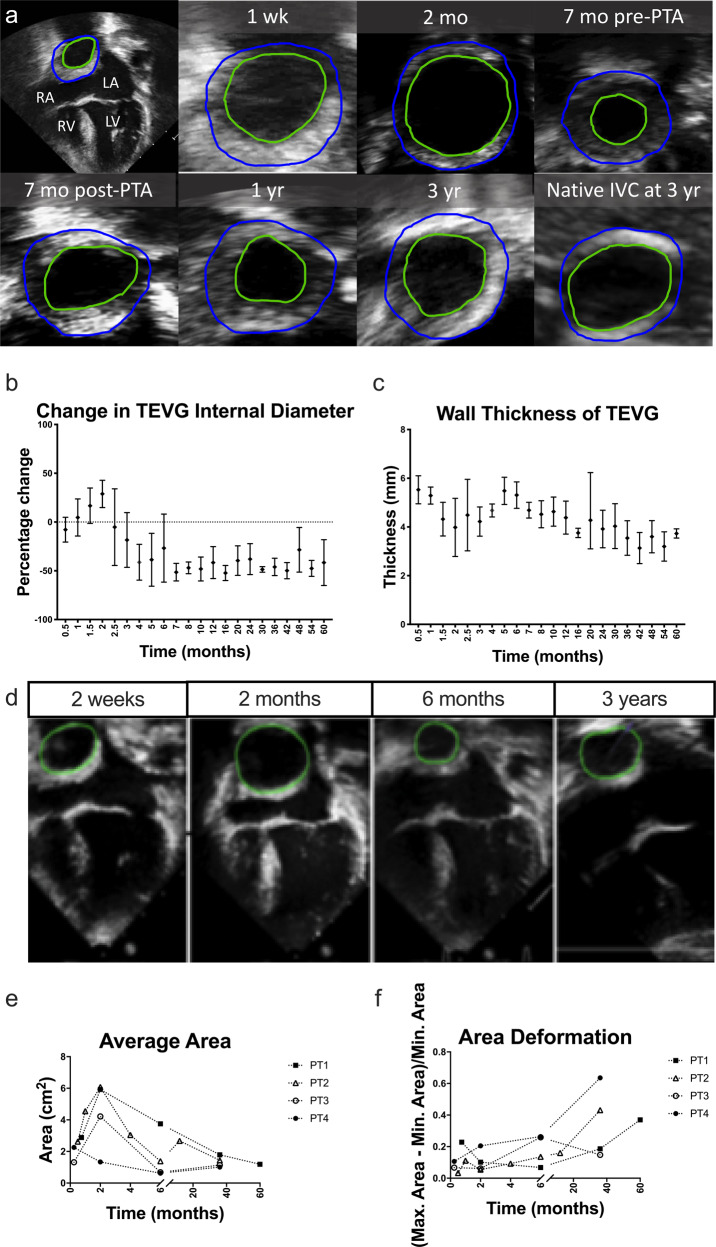
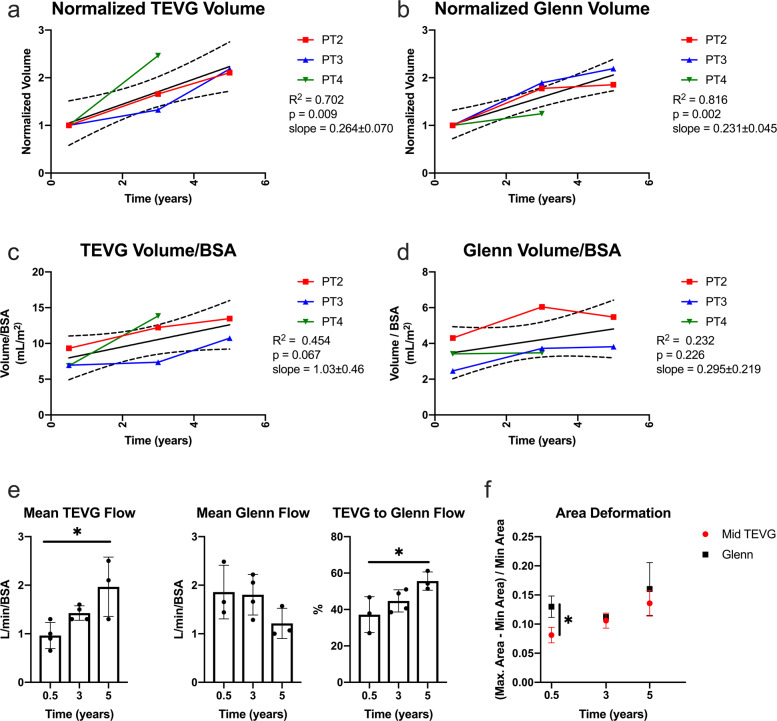
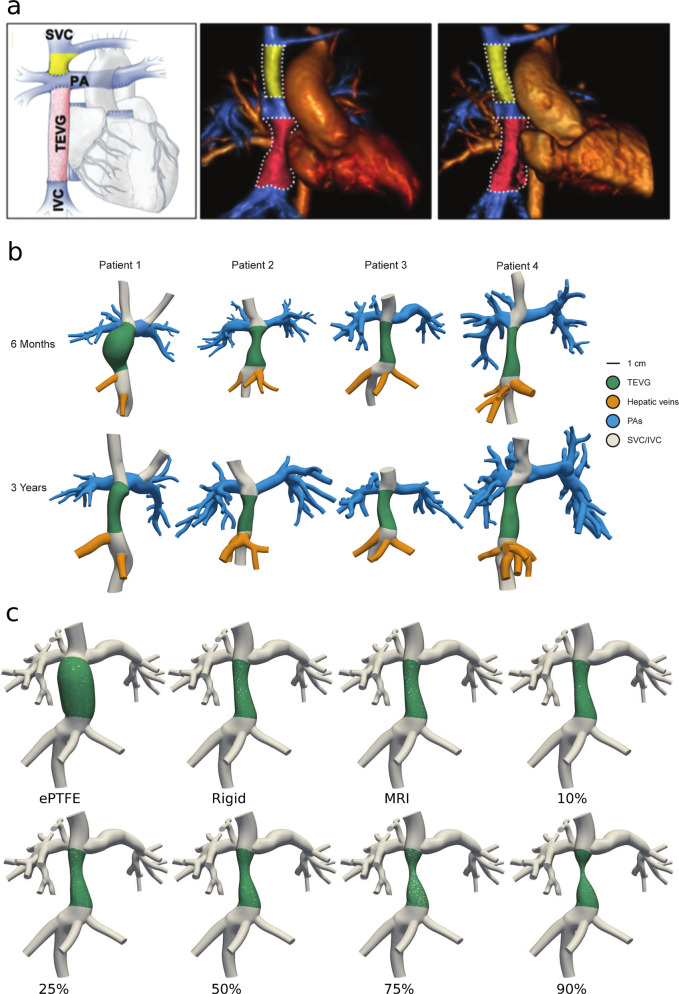
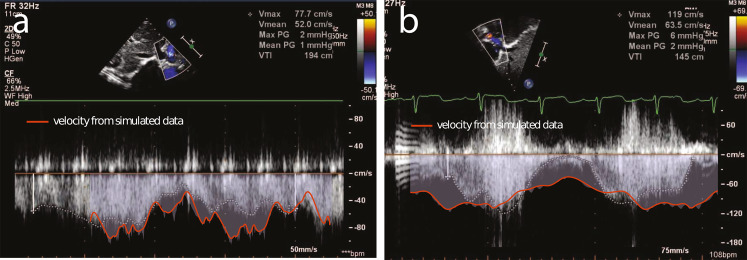
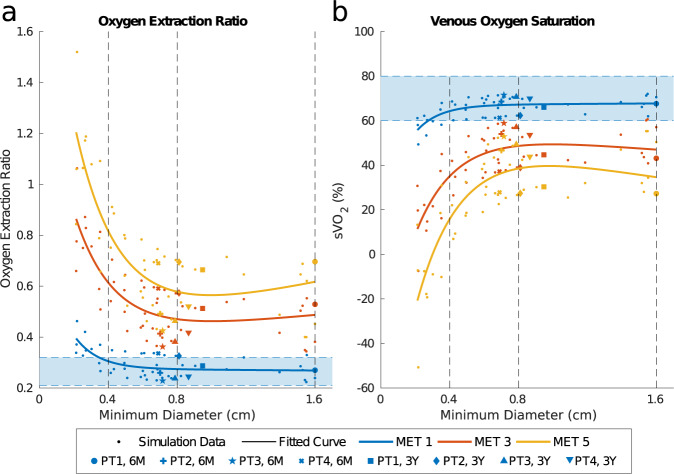
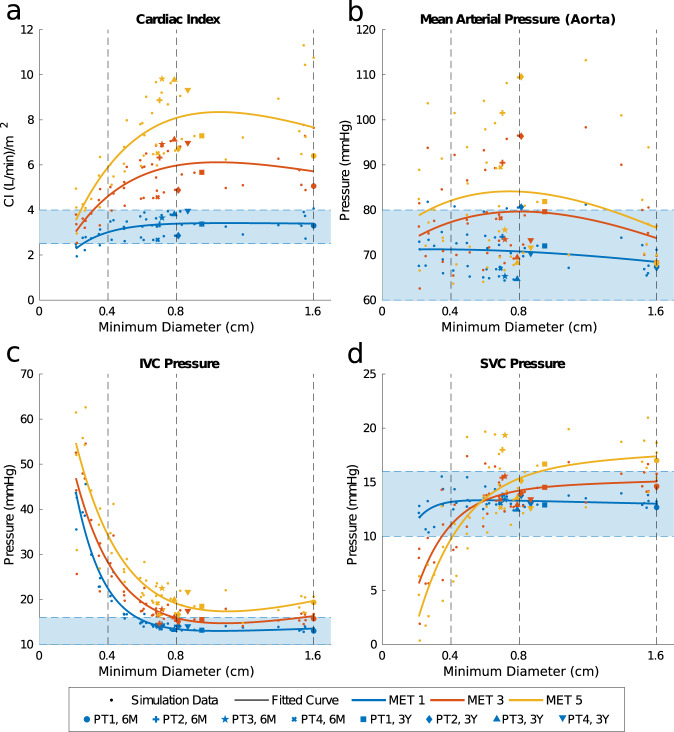
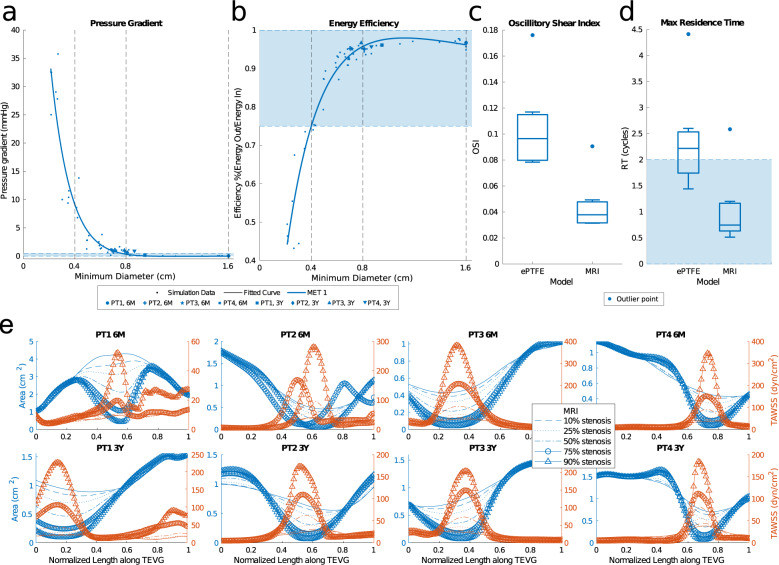
In the field of congenital heart surgery, tissue-engineered vascular grafts (TEVGs) are a promising alternative to traditionally used synthetic grafts. Our group has pioneered the use of TEVGs as a conduit between the inferior vena cava and the pulmonary arteries in the Fontan operation. The natural history of graft remodeling and its effect on hemodynamic performance has not been well characterized. In this study, we provide a detailed analysis of the first U.S. clinical trial evaluating TEVGs in the treatment of congenital heart disease. We show two distinct phases of graft remodeling: an early phase distinguished by rapid changes in graft geometry and a second phase of sustained growth and decreased graft stiffness. Using clinically informed and patient-specific computational fluid dynamics (CFD) simulations, we demonstrate how changes to TEVG geometry, thickness, and stiffness affect patient hemodynamics. We show that metrics of patient hemodynamics remain within normal ranges despite clinically observed levels of graft narrowing. These insights strengthen the continued clinical evaluation of this technology while supporting recent indications that reversible graft narrowing can be well tolerated, thus suggesting caution before intervening clinically.
在先天性心脏外科领域,组织工程血管移植物(TEVG)是传统合成移植物的一种有前景的替代物。我们的团队率先在Fontan手术中使用TEVG作为下腔静脉与肺动脉之间的管道。移植物重塑的自然史及其对血流动力学性能的影响尚未得到充分描述。在本研究中,我们对美国首个评估TEVG治疗先天性心脏病的临床试验进行了详细分析。我们展示了移植物重塑的两个不同阶段:早期阶段以移植物几何形状的快速变化为特征,第二阶段是持续生长和移植物硬度降低。使用基于临床信息和患者特异性的计算流体动力学(CFD)模拟,我们证明了TEVG几何形状、厚度和硬度的变化如何影响患者的血流动力学。我们表明,尽管临床上观察到移植物狭窄程度,但患者血流动力学指标仍保持在正常范围内。这些见解加强了对该技术的持续临床评估,同时支持了最近的迹象,即可逆性移植物狭窄可以很好地耐受,因此建议在临床干预前谨慎行事。