Jacinto Miguel, Oliveira Rafael, Brito João P, Martins Alexandre D, Matos Rui, Ferreira José Pedro
Faculty of Sport Sciences and Physical Education, University of Coimbra, 3040-248 Coimbra, Portugal.
Life Quality Research Centre (CIEQV), 2040-413 Rio Maior, Portugal.
Sports (Basel). 2021 Sep 4;9(9):125. doi: 10.3390/sports9090125.
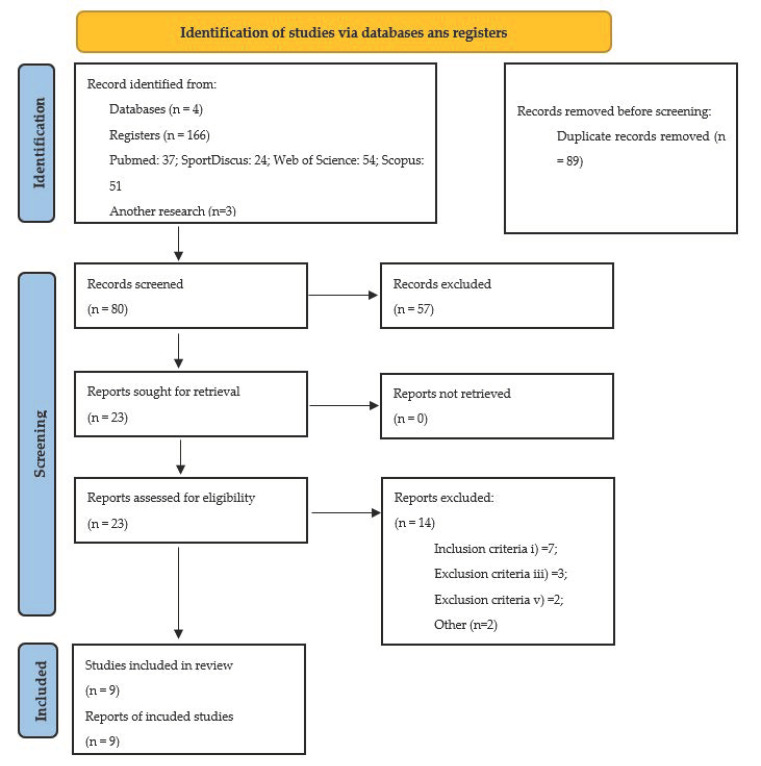
The practice of physical exercise (PE), especially strength training (ST), has health benefits in the healthy population; however, the literature is scarce in the recommendations related to the population with intellectual disability (ID). This study represents the first analysis on the topic and aims to examine the structure and efficacy of ST experimental intervention programs in individuals with ID. This systematic review was carried out between January and April 2021, using the PubMed, Web of Science, Scopus, and SPORTDiscus databases, according to the PRISMA guidelines. From a total of 166 studies, eight were included in the present systematic review. The studies included a total of 280 individuals (18.23 ± 2.86 years old). The main features of the exercise programs are: 12 weeks average duration, three weekly sessions of 45-60 min, six to seven exercises targeting the main muscle groups, two to three sets, 6-12 repetitions, and avoiding free weights for safety reasons. The main results showed increments in strength, balance and fat-free mass and decrements in fat mass and waist circumference. It is a useful guideline for PE technicians to prescribe and adjust correctly in order to not only promote physical fitness, but improve the quality of life of individuals with ID.
体育锻炼(PE),尤其是力量训练(ST),对健康人群有益健康;然而,关于智障(ID)人群的相关建议在文献中却很匮乏。本研究是该主题的首次分析,旨在研究针对智障个体的力量训练实验干预项目的结构和效果。根据PRISMA指南,于2021年1月至4月间利用PubMed、科学网、Scopus和体育与运动科学数据库开展了这项系统评价。在总共166项研究中,有8项被纳入本系统评价。这些研究共纳入280名个体(年龄18.23±2.86岁)。运动项目的主要特点为:平均持续12周,每周进行三次训练,每次45 - 60分钟,针对主要肌肉群进行6至7项练习,每组进行2至3组,每组重复6至12次,出于安全考虑避免使用自由重量器械。主要结果显示力量、平衡能力和去脂体重增加,脂肪量和腰围减少。这为体育技术人员正确制定和调整训练方案提供了有用的指导方针,不仅可以促进身体健康,还能提高智障个体的生活质量。