Jain Pankaj K, Sharma Neeraj, Kalra Mannudeep K, Viskovic Klaudija, Saba Luca, Suri Jasjit S
School of Biomedical Engineering, Indian Institute of Technology (BHU), Varanasi 221005, India.
Department of Radiology, Massachusetts General Hospital, Boston, MA 02115, USA.
Diagnostics (Basel). 2022 Mar 7;12(3):652. doi: 10.3390/diagnostics12030652.
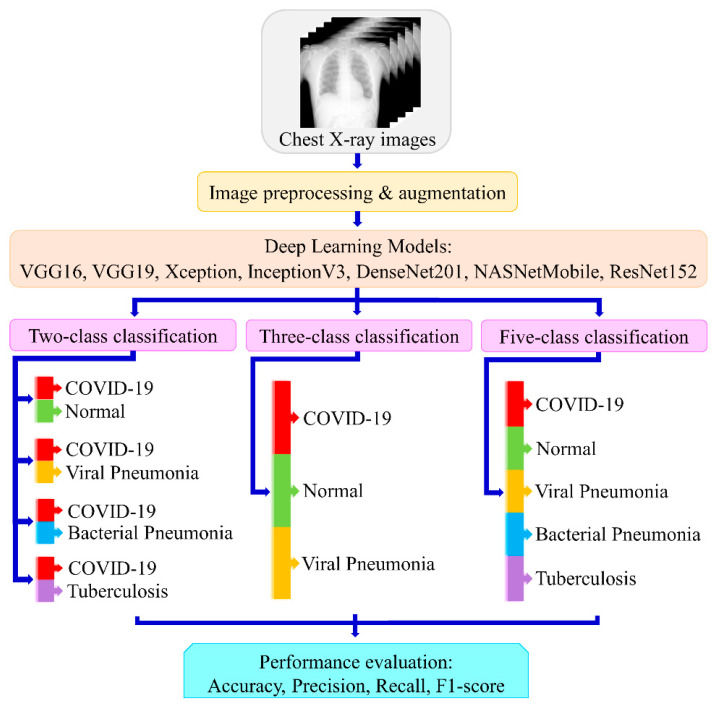
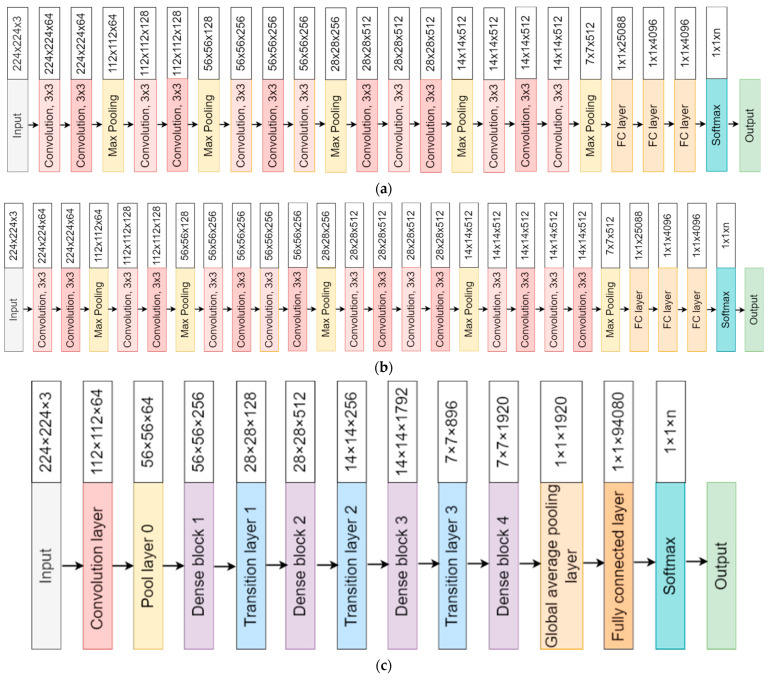
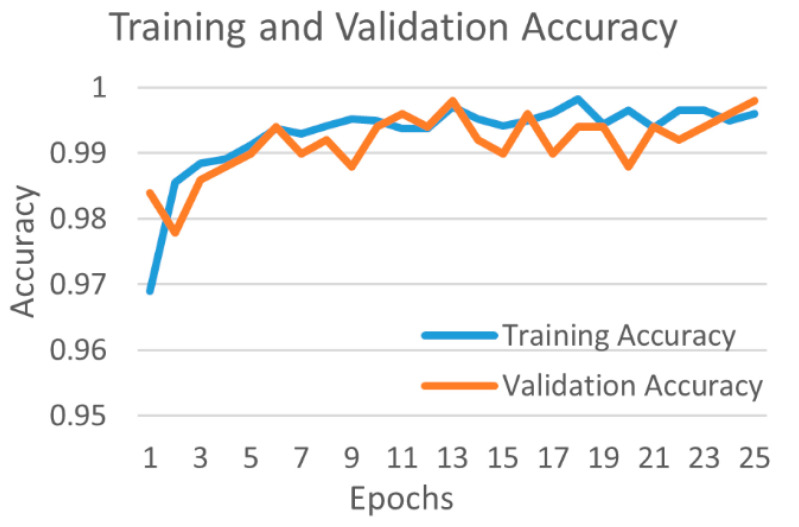
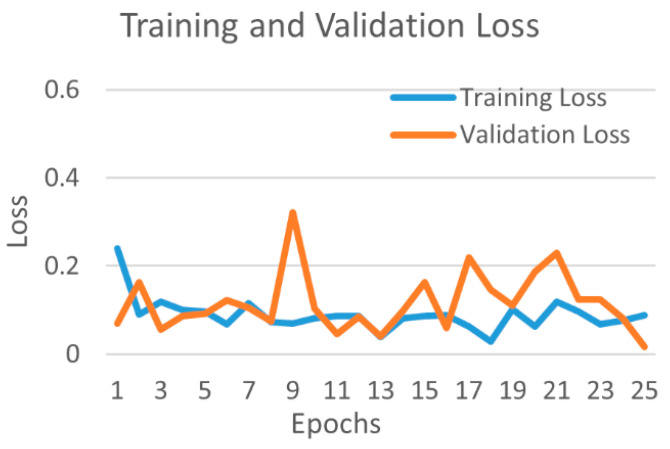
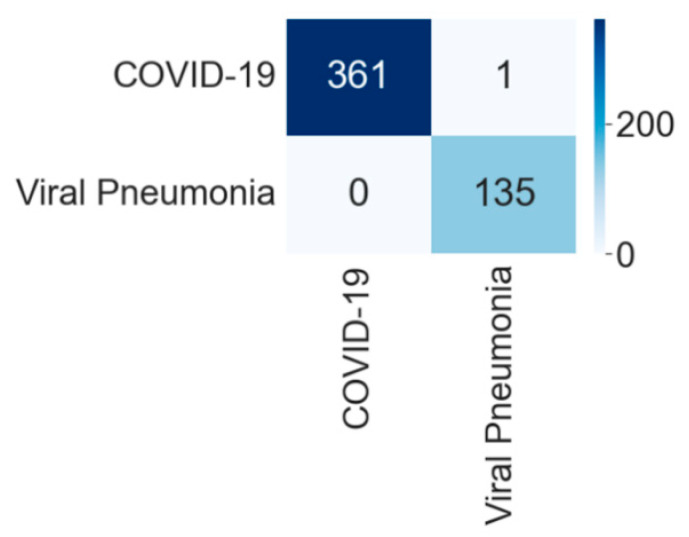
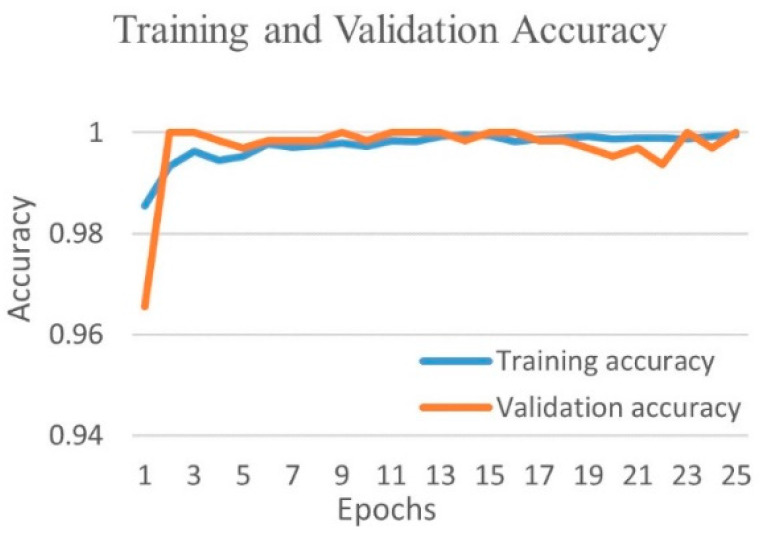
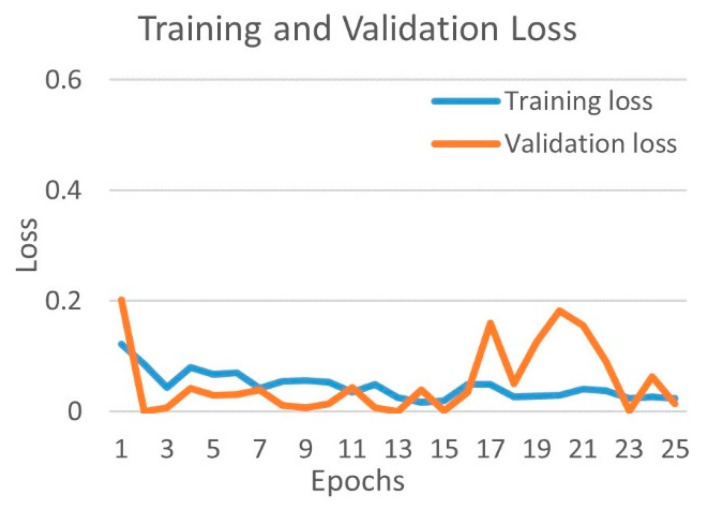
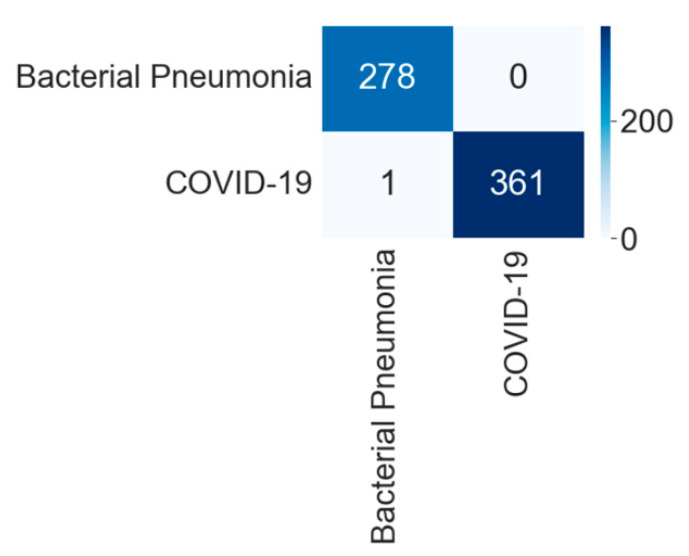
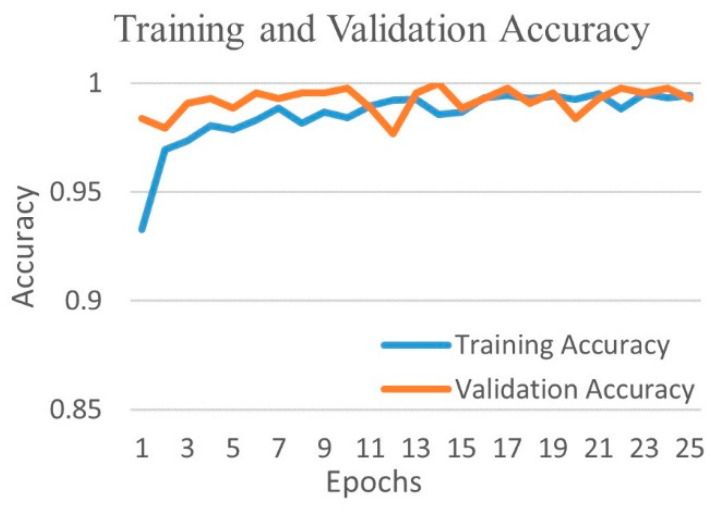
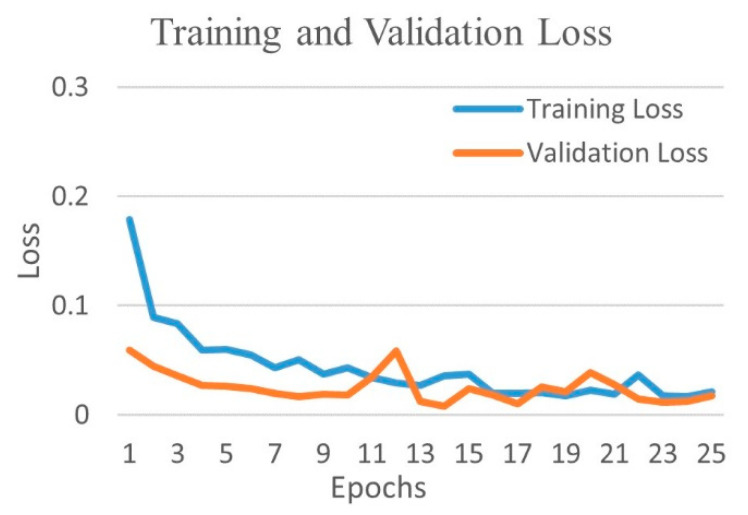
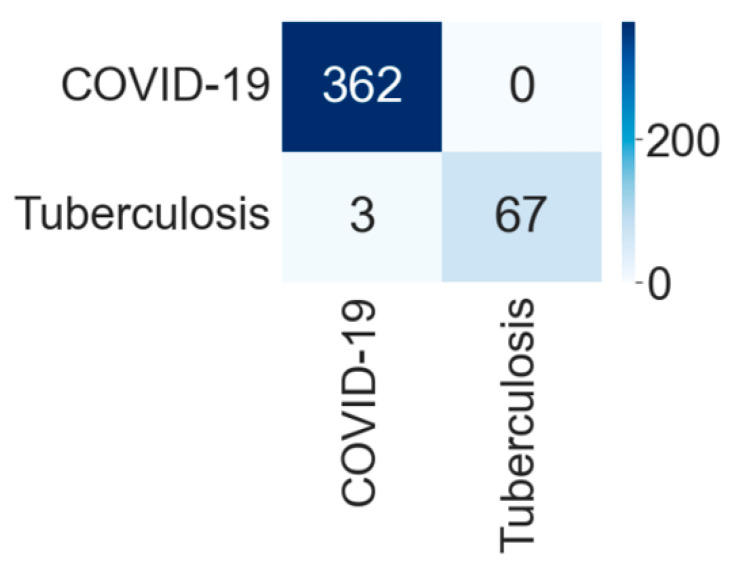
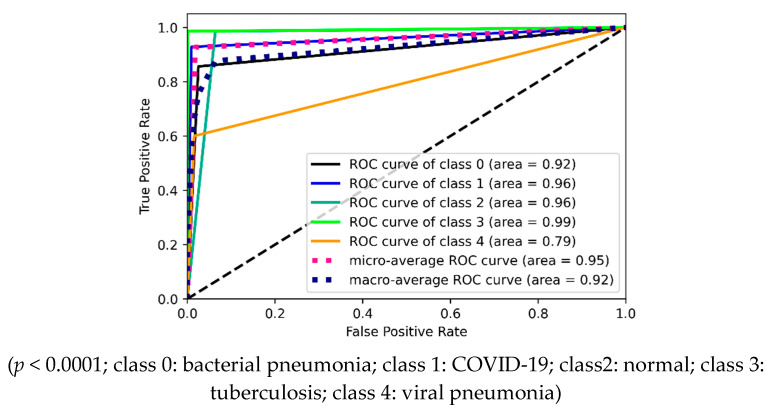
Background and Motivation: The novel coronavirus causing COVID-19 is exceptionally contagious, highly mutative, decimating human health and life, as well as the global economy, by consistent evolution of new pernicious variants and outbreaks. The reverse transcriptase polymerase chain reaction currently used for diagnosis has major limitations. Furthermore, the multiclass lung classification X-ray systems having viral, bacterial, and tubercular classes—including COVID-19—are not reliable. Thus, there is a need for a robust, fast, cost-effective, and easily available diagnostic method. Method: Artificial intelligence (AI) has been shown to revolutionize all walks of life, particularly medical imaging. This study proposes a deep learning AI-based automatic multiclass detection and classification of pneumonia from chest X-ray images that are readily available and highly cost-effective. The study has designed and applied seven highly efficient pre-trained convolutional neural networks—namely, VGG16, VGG19, DenseNet201, Xception, InceptionV3, NasnetMobile, and ResNet152—for classification of up to five classes of pneumonia. Results: The database consisted of 18,603 scans with two, three, and five classes. The best results were using DenseNet201, VGG16, and VGG16, respectively having accuracies of 99.84%, 96.7%, 92.67%; sensitivity of 99.84%, 96.63%, 92.70%; specificity of 99.84, 96.63%, 92.41%; and AUC of 1.0, 0.97, 0.92 (p < 0.0001 for all), respectively. Our system outperformed existing methods by 1.2% for the five-class model. The online system takes <1 s while demonstrating reliability and stability. Conclusions: Deep learning AI is a powerful paradigm for multiclass pneumonia classification.
引发新冠肺炎的新型冠状病毒具有极强的传染性和高度的变异性,通过不断演变出新的有害变种和疫情爆发,严重损害人类健康和生命以及全球经济。目前用于诊断的逆转录聚合酶链反应存在重大局限性。此外,包括新冠肺炎在内的具有病毒、细菌和结核类别分类的多类别肺部X射线系统并不可靠。因此,需要一种强大、快速、经济高效且易于获得的诊断方法。方法:人工智能(AI)已被证明能彻底改变各行各业,尤其是医学成像领域。本研究提出一种基于深度学习人工智能的方法,用于从胸部X射线图像中自动进行多类别肺炎检测和分类,这些图像易于获取且成本效益高。该研究设计并应用了七个高效的预训练卷积神经网络,即VGG16、VGG19、DenseNet201、Xception、InceptionV3、NasnetMobile和ResNet152,用于多达五类肺炎的分类。结果:数据库包含18603次扫描,分为两类、三类和五类。最佳结果分别使用DenseNet201、VGG16和VGG16,准确率分别为99.84%、96.7%、92.67%;灵敏度分别为99.84%、96.63%、92.70%;特异性分别为99.84、96.63%、92.41%;曲线下面积分别为1.0、0.97、0.92(所有p<0.0001)。对于五类模型,我们的系统比现有方法性能高出1.2%。在线系统在展示可靠性和稳定性的同时,处理时间不到1秒。结论:深度学习人工智能是多类别肺炎分类的强大范例。