O'Mahony Cian, Amamou Asma, Ghosh Subrata
APC Microbiome Ireland, College of Medicine and Health, University College Cork, T12 YT20 Cork, Ireland.
Int J Mol Sci. 2022 Mar 31;23(7):3901. doi: 10.3390/ijms23073901.
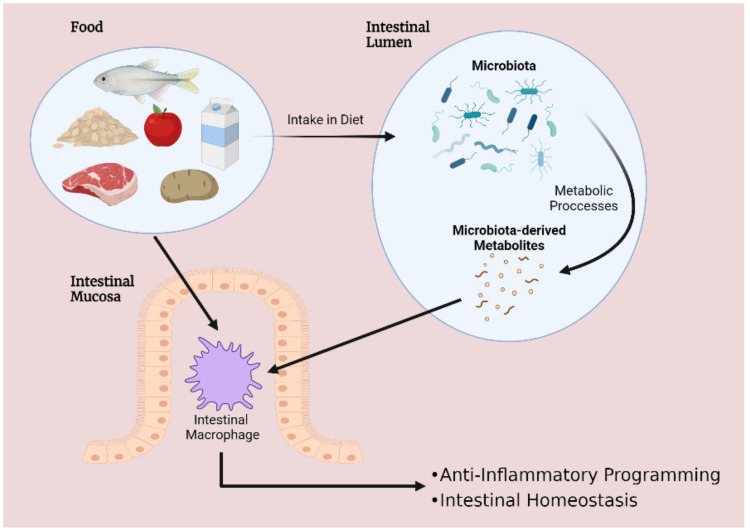
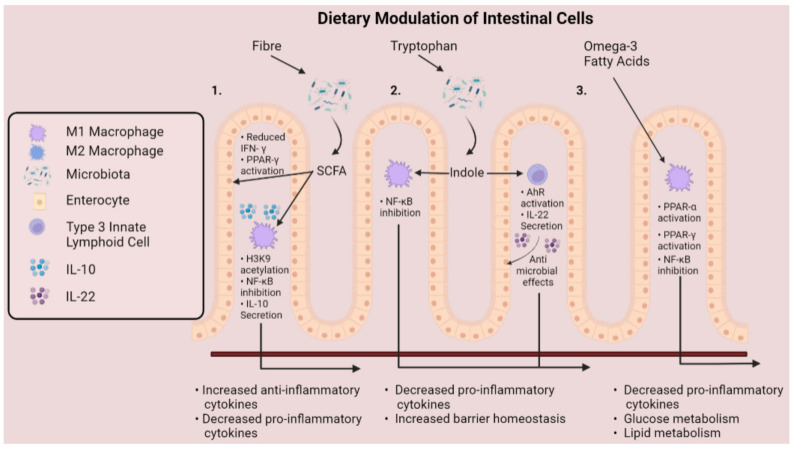
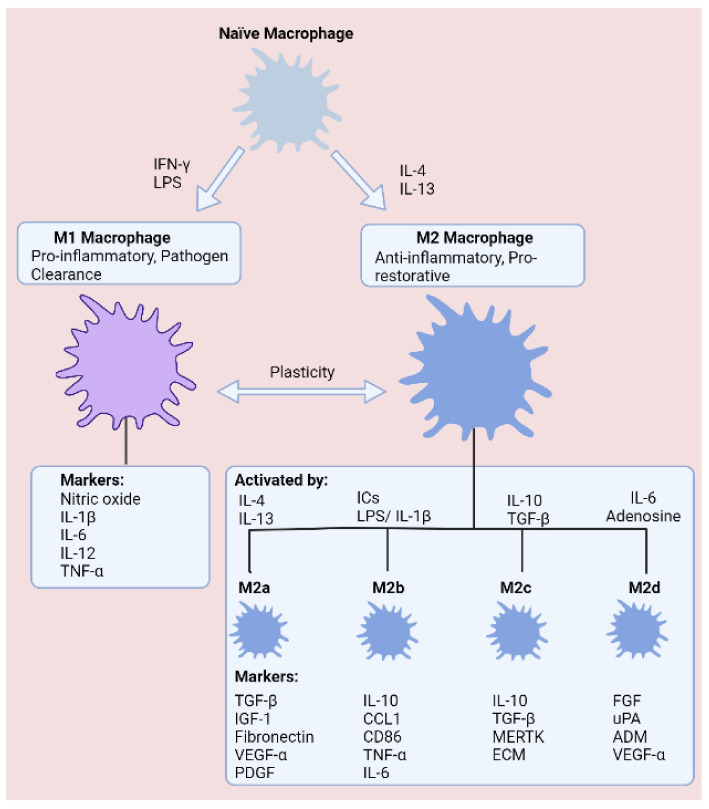
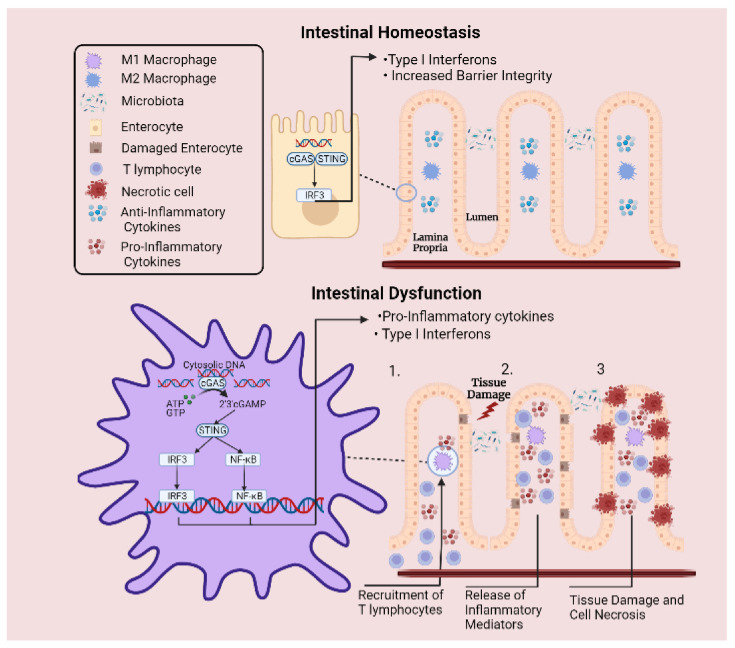
Inflammatory bowel diseases (IBD) are chronic disorders of the gastrointestinal tract with an increasing prevalence worldwide. Targeted therapies for IBD are limited by several factors, including the therapeutic ceiling and the high incidence of non-responders or loss-of-response. In order to improve therapeutic efficacy, there is critical need to decipher disease pathogenesis, currently not well understood. Macrophages, innate immune cells that exhibit high plasticity, perpetuate inflammatory signalling in IBD through excessive release of inflammatory mediators. In recent years, pioneering research has revealed the importance of the interplay between macrophages and gut microbiota in maintaining intestinal homeostasis. Particular attention is focusing on microbiota-derived metabolites, believed to possess immunomodulatory properties capable of manipulating macrophage plasticity. Microbiota-derived short-chain fatty acids (SCFAs) and indole compounds, along with dietary sourced omega-3 (ω-3) polyunsaturated fatty acids (PUFA), exert anti-inflammatory effects, attributable to interactions with macrophages. Before we can effectively incorporate these metabolites into IBD therapies, a deeper understanding of microbiota-macrophage interactions at a molecular level is necessary. Therefore, the aim of this review is firstly to detail current knowledge regarding how diet and microbiota-derived metabolites modify macrophage plasticity. Later, we discuss the concept of therapeutic strategies directed at microbiota-macrophage interactions, which could be highly valuable for IBD therapies in the future.
炎症性肠病(IBD)是一种胃肠道慢性疾病,在全球范围内的发病率呈上升趋势。IBD的靶向治疗受到多种因素的限制,包括治疗上限以及无反应者或反应丧失的高发生率。为了提高治疗效果,迫切需要破解目前尚未完全了解的疾病发病机制。巨噬细胞作为具有高度可塑性的固有免疫细胞,通过过度释放炎症介质使IBD中的炎症信号持续存在。近年来,开创性研究揭示了巨噬细胞与肠道微生物群之间的相互作用在维持肠道稳态中的重要性。特别值得关注的是微生物群衍生的代谢产物,据信它们具有能够调节巨噬细胞可塑性的免疫调节特性。微生物群衍生的短链脂肪酸(SCFA)和吲哚化合物,以及饮食来源的ω-3(ω-3)多不饱和脂肪酸(PUFA),均具有抗炎作用,这归因于它们与巨噬细胞的相互作用。在我们能够有效地将这些代谢产物纳入IBD治疗之前,有必要在分子水平上更深入地了解微生物群与巨噬细胞之间的相互作用。因此,本综述的目的首先是详细阐述关于饮食和微生物群衍生的代谢产物如何改变巨噬细胞可塑性的现有知识。随后,我们将讨论针对微生物群与巨噬细胞相互作用的治疗策略概念,这可能对未来的IBD治疗具有极高的价值。