Liu Xiaojuan, Zhang Miao, Liu Han, Zhou Aimei, Cao Yong, Liu Xin
Department of Food Science, College of Food Science, South China Agricultural University Guangzhou 510642 China
Research Center of Natural Active Compound Engineering Technology of Guangdong Province Guangzhou 510642 China.
RSC Adv. 2018 Mar 2;8(17):9243-9252. doi: 10.1039/c7ra11153c. eCollection 2018 Feb 28.
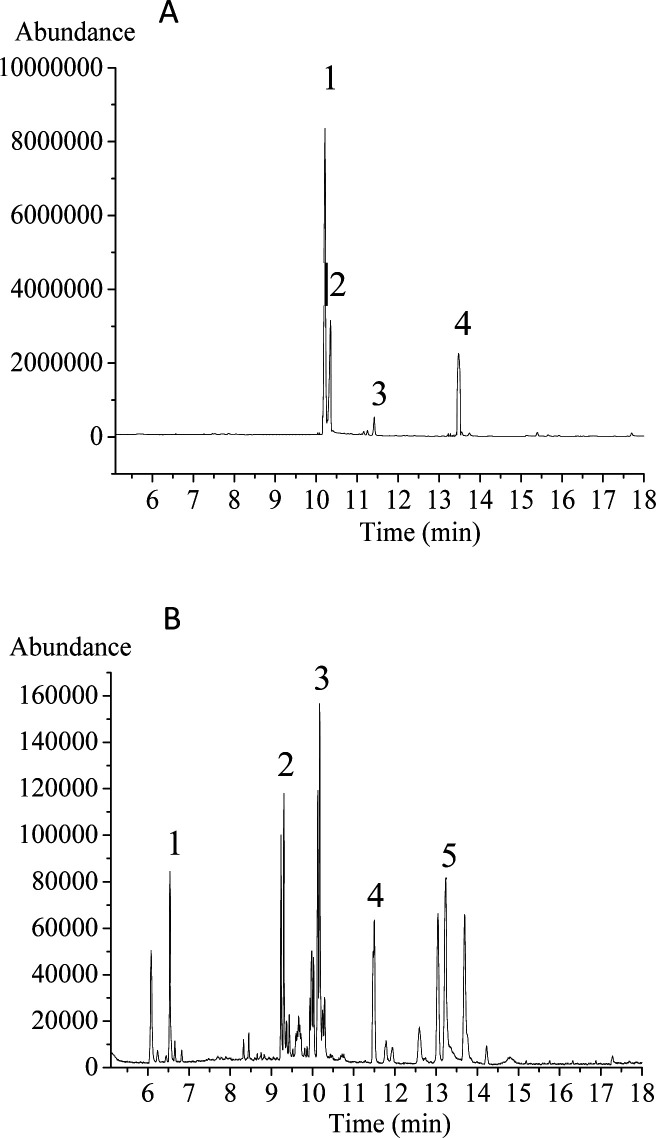
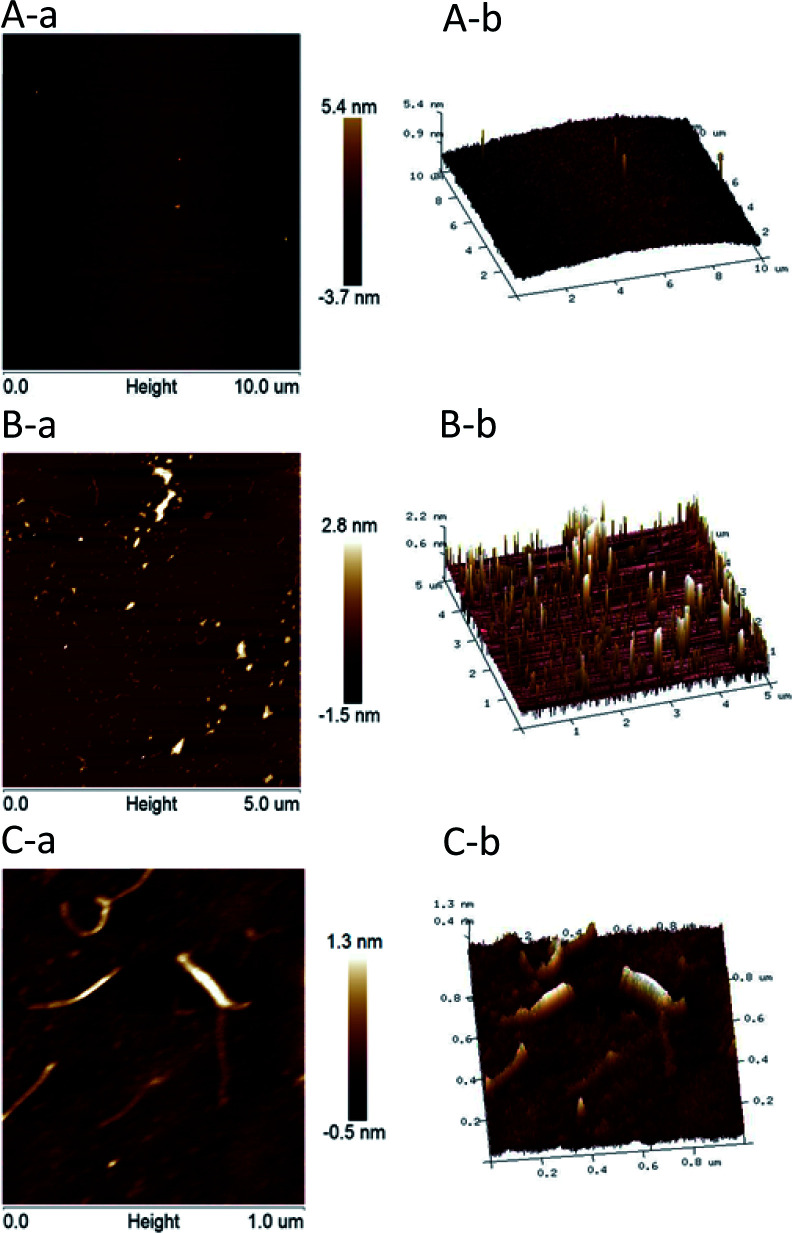
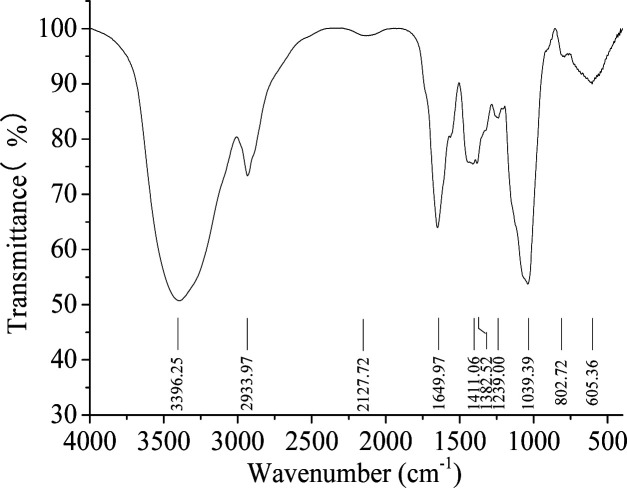
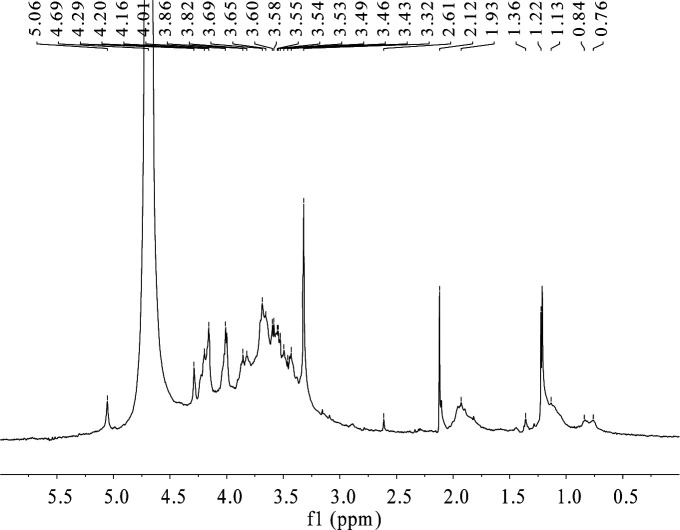
In this study, a polysaccharide fraction (HPP-c3-s1) was obtained from using DEAE-52 anion exchange and Sephacryl S400 chromatographies. The structure of HPP-c3-s1 was partially characterized and its biological activity was investigated. HPP-c3-s1 is a homogeneous polysaccharide with a molecular weight of 23 413 kDa as determined by high-performance gel permeation chromatography and polyacrylamide gel electrophoresis. Periodate oxidation and Smith degradation analysis combined with GC-MS determined that HPP-c3-s1 contains 1 → 2, 1 → 3, 1 → 4, and probably a few 1 → 6 glycosyl linkages. Fourier transform infrared spectroscopy and nuclear magnetic resonance analyses indicate HPP-c3-s1 is a pyranose containing an amino and O-acetyl group. The sugar chains in HPP-c3-s1 contain both α and β glycosidic configurations, where the β configuration is the primary form. It was observed that the HPP-c3-s1 nanostructure had linear and branched forms at a concentration of 5 μg mL and created different sized aggregates at a higher concentration of 50 μg mL. Furthermore, HPP-c3-s1 had significant immunostimulatory effects on splenocytes and B lymphocytes. In assays assessing anti-aging effects, HPP-c3-s1 extended the mean survival of without adversely affecting reproduction. In addition, treatment with HPP-c3-s1 resulted in delays in age-related physiologic parameters, including body movement, rates of head swing and body bending, and accumulation of intestinal lipofuscinosis in . Overall, these results suggest HPP-c3-s1 has remarkable immunomodulatory and anti-aging properties that may serve as the basis for development of functional foods and dietary supplements.
在本研究中,通过DEAE - 52阴离子交换和Sephacryl S400色谱法从[具体来源未提及]中获得了一种多糖级分(HPP - c3 - s1)。对HPP - c3 - s1的结构进行了部分表征,并研究了其生物活性。通过高效凝胶渗透色谱法和聚丙烯酰胺凝胶电泳测定,HPP - c3 - s1是一种分子量为23413 kDa的均一多糖。高碘酸盐氧化和Smith降解分析结合气相色谱 - 质谱法确定HPP - c3 - s1含有1→2、1→3、1→4糖苷键,可能还有一些1→6糖苷键。傅里叶变换红外光谱和核磁共振分析表明,HPP - c3 - s1是一种含有氨基和O - 乙酰基的吡喃糖。HPP - c3 - s1中的糖链同时含有α和β糖苷构型,其中β构型是主要形式。观察到HPP - c3 - s1纳米结构在浓度为5μg/mL时具有线性和分支形式,在50μg/mL的较高浓度下形成不同大小的聚集体。此外,HPP - c3 - s1对脾细胞和B淋巴细胞具有显著的免疫刺激作用。在评估抗衰老作用的实验中,HPP - c3 - s1延长了[具体受试对象未提及]的平均生存期,且未对繁殖产生不利影响。此外,用HPP - c3 - s1处理导致与年龄相关的生理参数延迟,包括身体运动、头部摆动和身体弯曲速率以及[具体受试对象未提及]肠道脂褐质的积累。总体而言,这些结果表明HPP - c3 - s1具有显著的免疫调节和抗衰老特性,可能为功能性食品和膳食补充剂的开发提供基础。