Saeidnia Hamid Reza, Kozak Marcin, Ausloos Marcel, Herteliu Claudiu, Mohammadzadeh Zahra, Ghorbi Ali, Karajizadeh Mehrdad, Hassanzadeh Mohammad
Department of Knowledge and Information Science, Tarbiat Modares University, Tehran, Iran.
Department of Media, Journalism and Social Communication, University of Information Technology and Management in Rzeszow, Rzeszow, Poland.
JMIR Form Res. 2022 Sep 13;6(9):e39718. doi: 10.2196/39718.
Mobile apps have been shown to play an important role in the management, care, and prevention of infectious diseases. Thus, skills for self-care-one of the most effective ways to prevent illness-can be improved through mobile health apps.
This study aimed to design, develop, and evaluate an educational mobile-based self-care app in order to help the self-prevention of COVID-19 in underdeveloped countries. We intended the app to be easy to use, quick, and inexpensive.
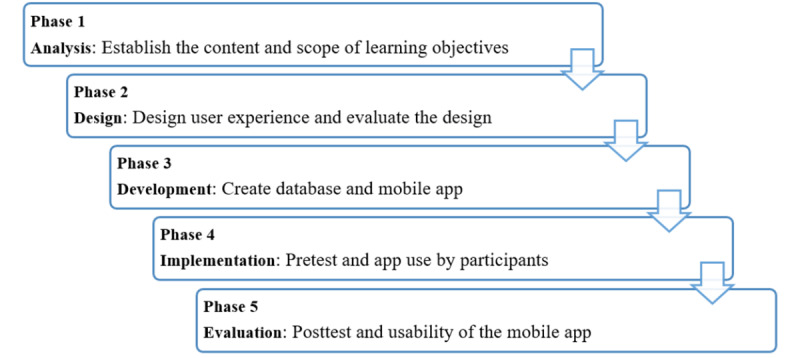
In 2020 and 2021, we conducted a methodological study. Using the ADDIE (analysis, design, development, implementation, and evaluation) educational model, we developed a self-care management mobile app. According to the ADDIE model, an effective training and performance support tool is built through the 5 phases that comprise its name. There were 27 participants who conducted 2 evaluations of the mobile app's usability and impact using the mobile health app usability and self-care inventory scales. The study design included pre- and posttesting.
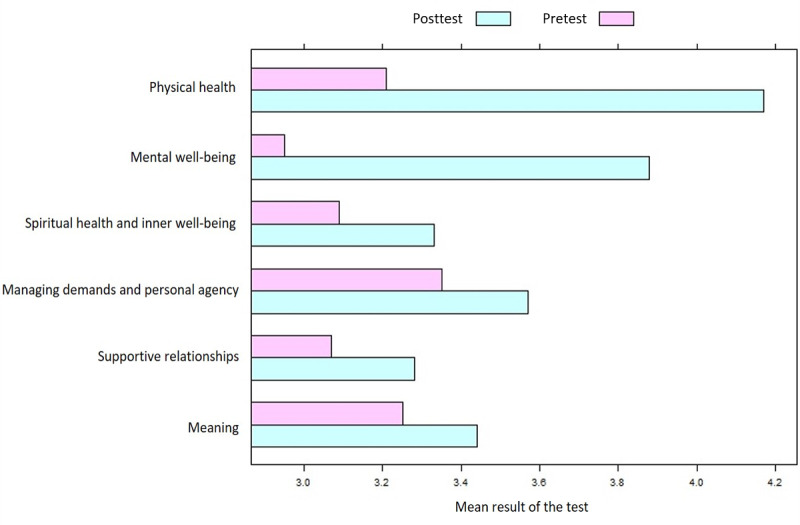
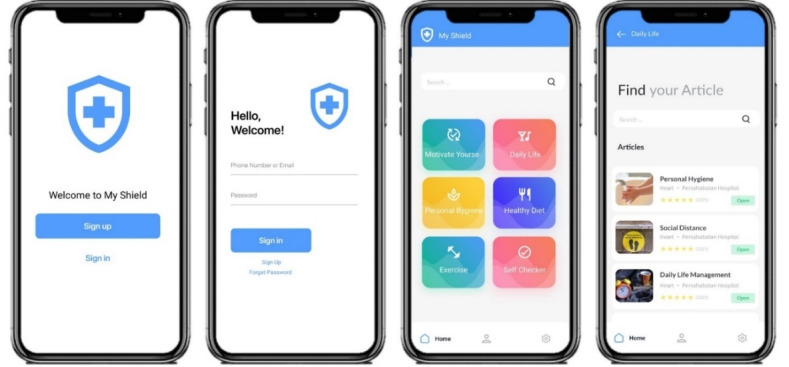
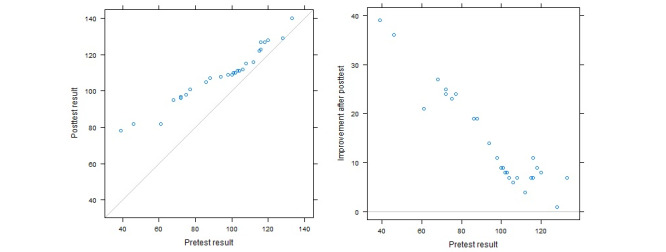
An Android app called MyShield was developed. The results of pre- and posttests showed that on a scale from 0 to 5, MyShield scored a performance average of 4.17 in the physical health dimension and an average of 3.88 in the mental well-being dimension, thereby showing positive effects on self-care skills. MyShield scored highly on the "interface and satisfaction," "ease of use," and "usefulness" components.
MyShield facilitates learning self-care skills at home, even during quarantine, increasing acquisition of information. Given its low development cost and the ADDIE educational design on which it is based, the app can be helpful in underdeveloped countries. Thus, low-income countries-often lacking other tools-can use the app as an effective tool for fighting COVID-19, if it becomes a standard mobile app recommended by the government.
移动应用程序已被证明在传染病的管理、护理和预防中发挥着重要作用。因此,自我护理技能——预防疾病最有效的方法之一——可以通过移动健康应用程序得到提高。
本研究旨在设计、开发和评估一款基于移动设备的教育性自我护理应用程序,以帮助欠发达国家进行新冠病毒病的自我预防。我们希望该应用程序易于使用、快速且成本低廉。
在2020年和2021年,我们进行了一项方法学研究。我们使用ADDIE(分析、设计、开发、实施和评估)教育模型,开发了一款自我护理管理移动应用程序。根据ADDIE模型,一个有效的培训和绩效支持工具是通过构成其名称的五个阶段构建的。有27名参与者使用移动健康应用程序可用性和自我护理量表对该移动应用程序的可用性和影响进行了两次评估。研究设计包括前测和后测。
开发了一款名为MyShield的安卓应用程序。前测和后测结果显示,在0至5的量表上,MyShield在身体健康维度的平均得分为4.17,在心理健康维度的平均得分为3.88,从而显示出对自我护理技能的积极影响。MyShield在“界面与满意度”、“易用性”和“有用性”组件上得分很高。
MyShield有助于在家中学习自我护理技能,即使在隔离期间也能增加信息获取。鉴于其开发成本低以及所基于的ADDIE教育设计,该应用程序对欠发达国家可能会有所帮助。因此,如果该应用程序成为政府推荐的标准移动应用程序,低收入国家(通常缺乏其他工具)可以将其用作抗击新冠病毒病的有效工具。