School of Computing, South China Normal University, Guangzhou, China.
Department of Electrical Engineering, City University of Hong Kong, Hong Kong, China.
PLoS One. 2020 Jul 6;15(7):e0234763. doi: 10.1371/journal.pone.0234763. eCollection 2020.
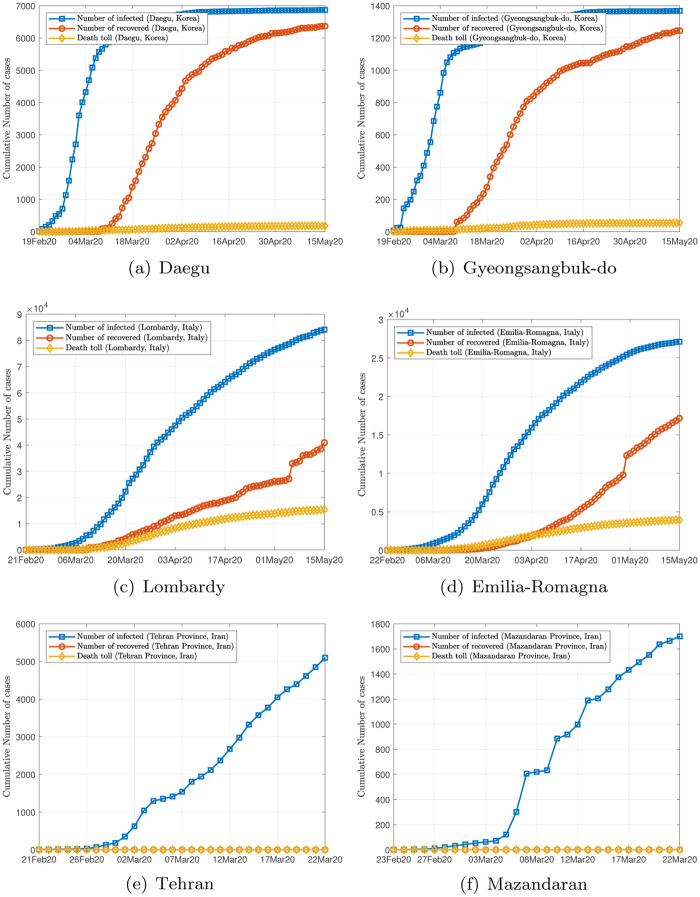
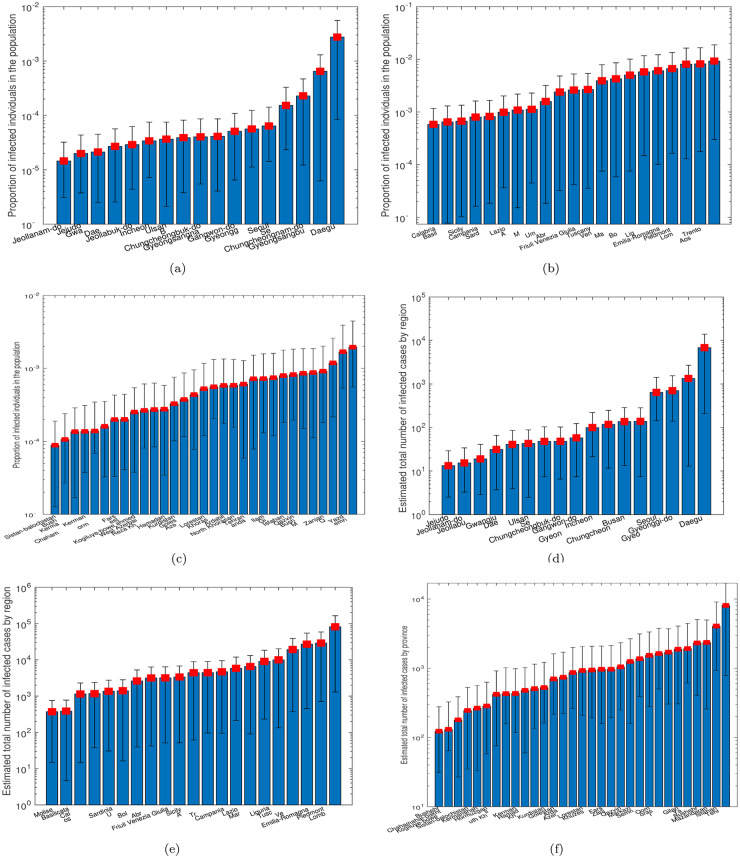
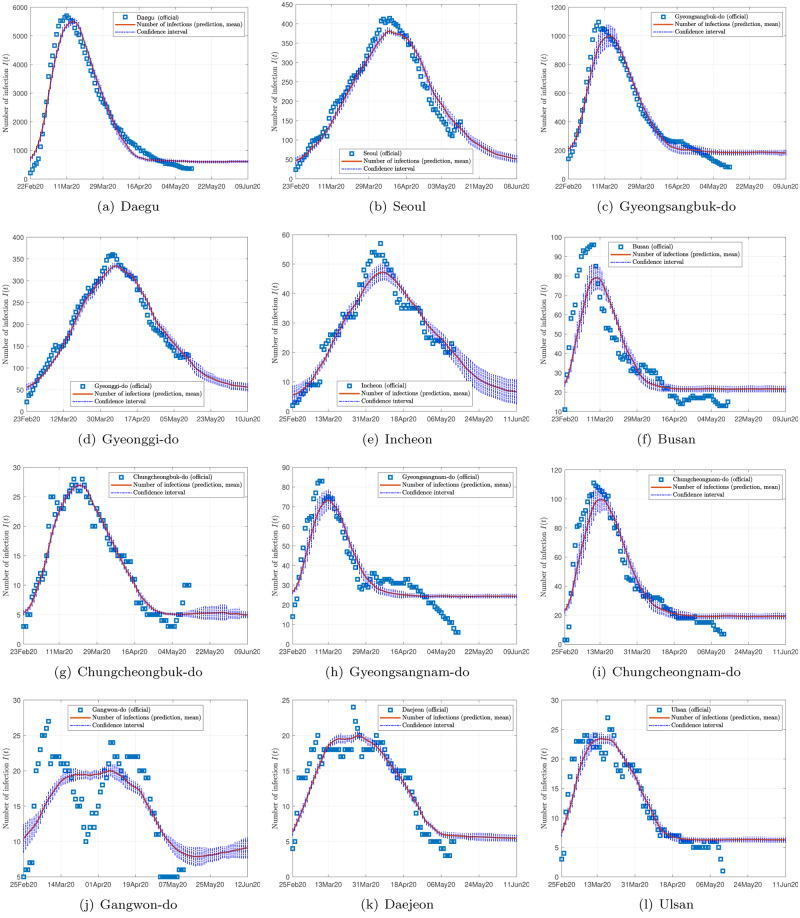
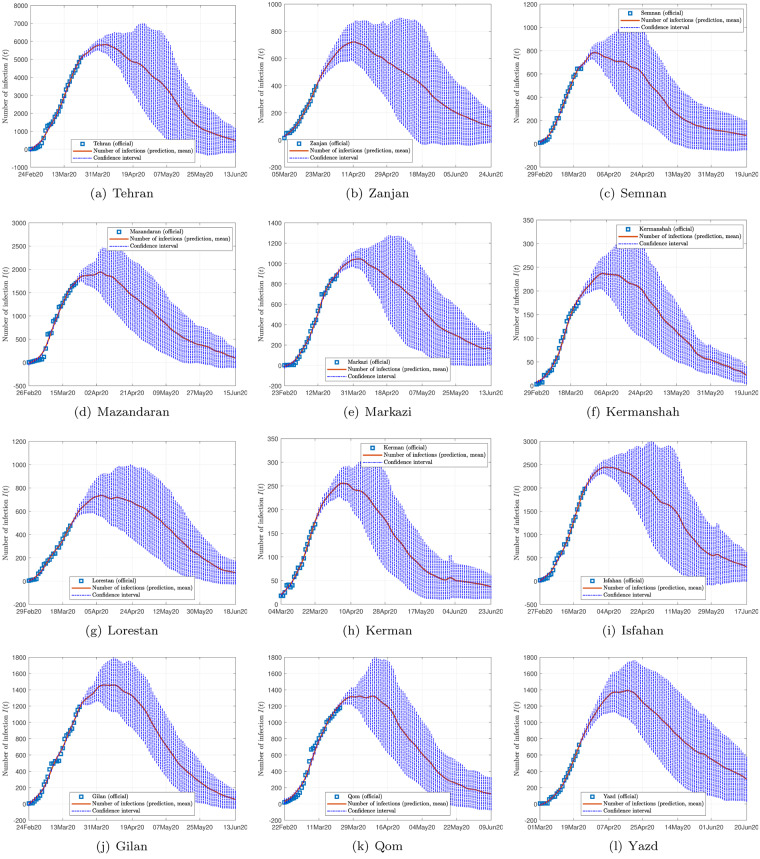
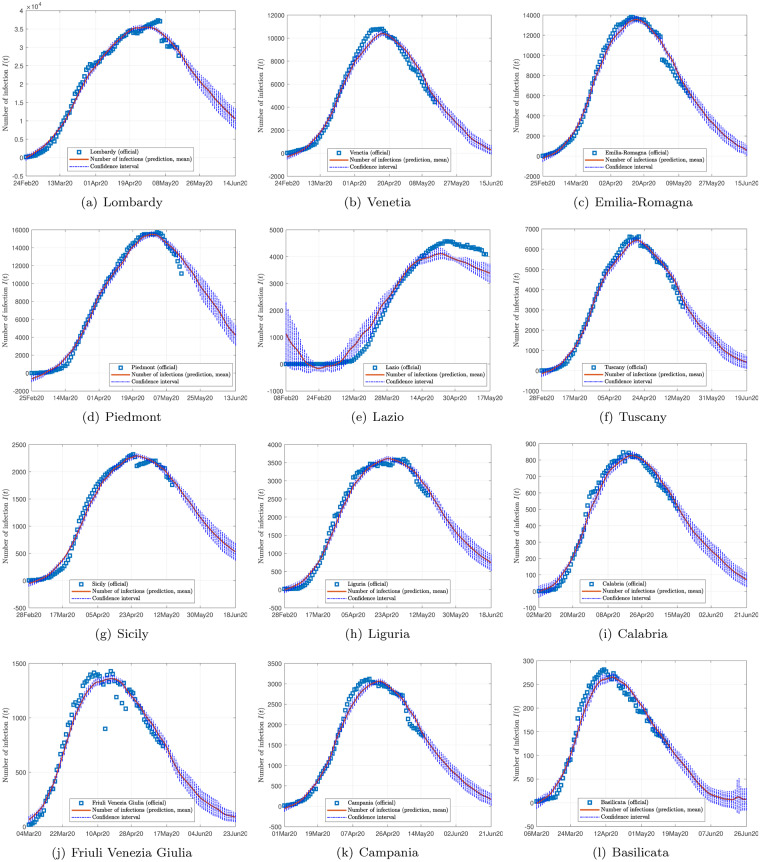
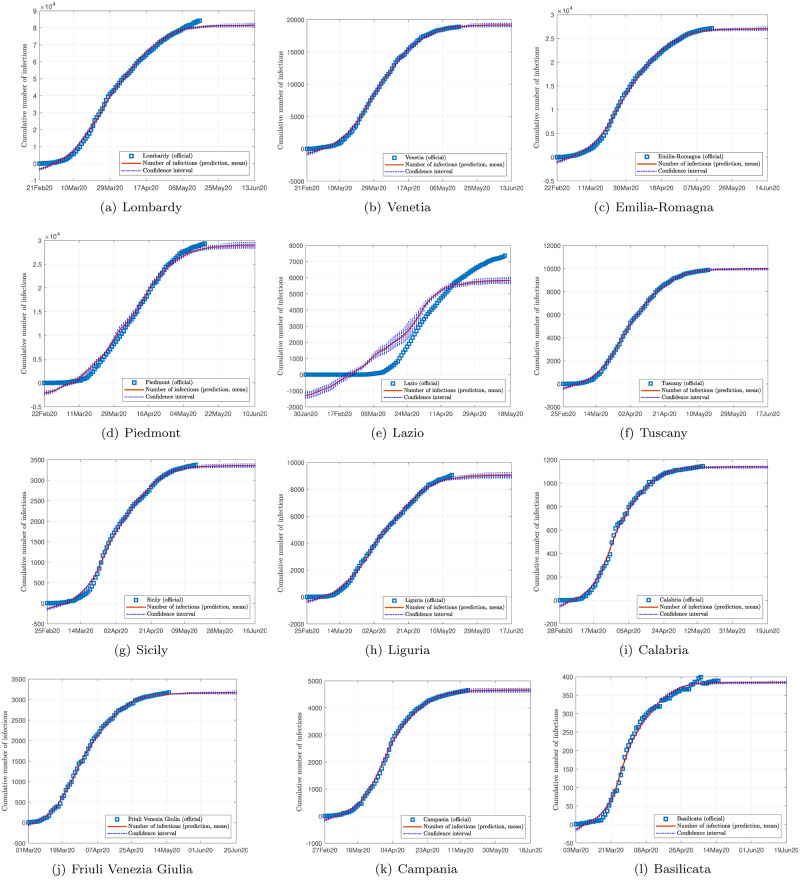
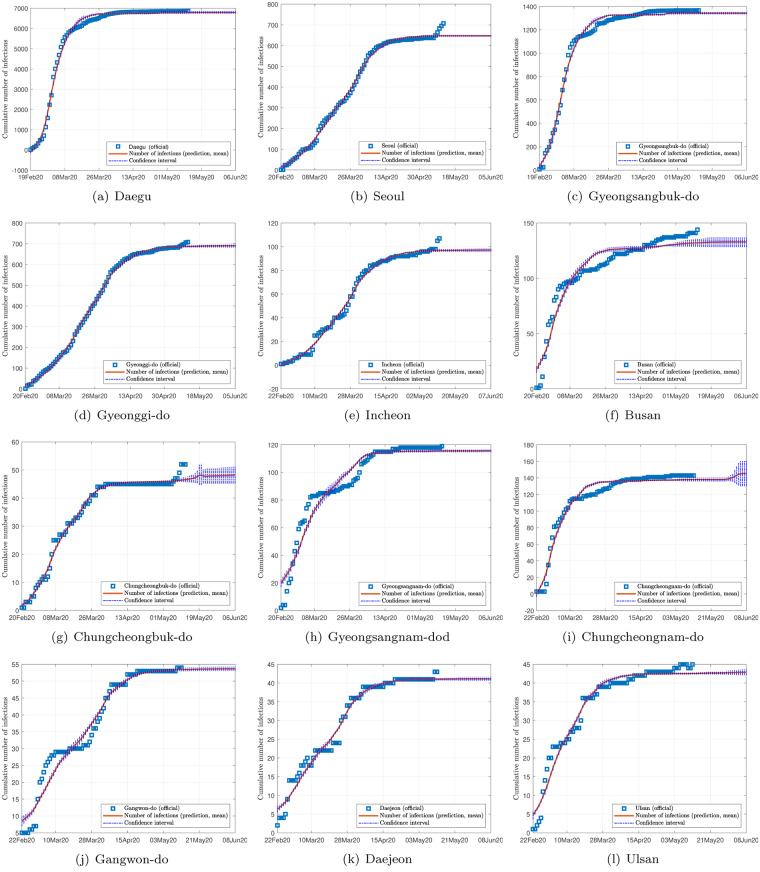
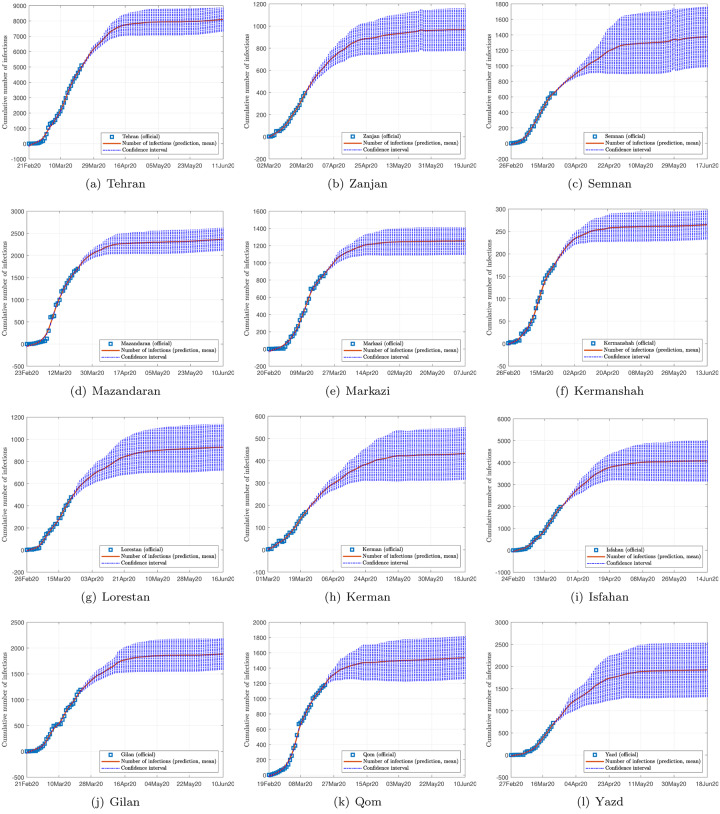
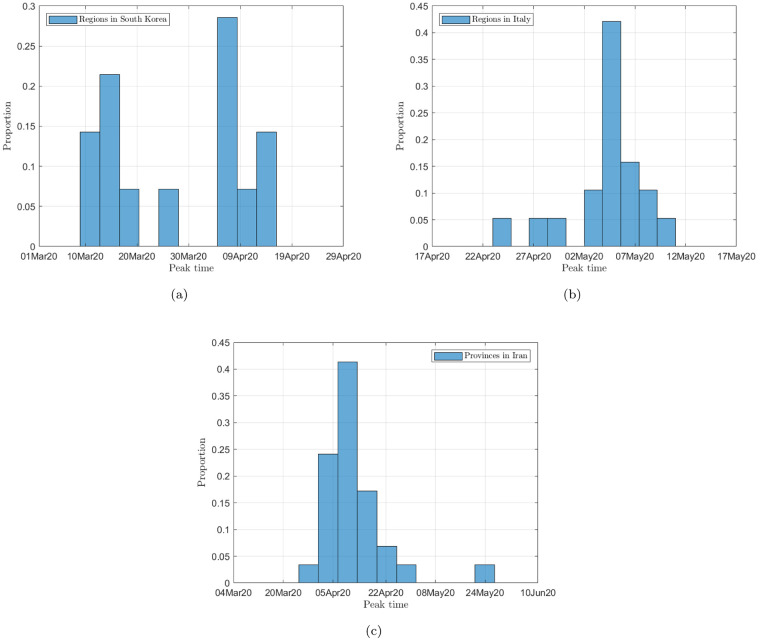
This work applies a data-driven coding method for prediction of the COVID-19 spreading profile in any given population that shows an initial phase of epidemic progression. Based on the historical data collected for COVID-19 spreading in 367 cities in China and the set of parameters of the augmented Susceptible-Exposed-Infected-Removed (SEIR) model obtained for each city, a set of profile codes representing a variety of transmission mechanisms and contact topologies is formed. By comparing the data of an early outbreak of a given population with the complete set of historical profiles, the best fit profiles are selected and the corresponding sets of profile codes are used for prediction of the future progression of the epidemic in that population. Application of the method to the data collected for South Korea, Italy and Iran shows that peaks of infection cases are expected to occur before mid April, the end of March and the end of May 2020, and that the percentage of population infected in each city or region will be less than 0.01%, 0.5% and 0.5%, for South Korea, Italy and Iran, respectively.
这项工作应用了一种数据驱动的编码方法,用于预测任何给定人群中 COVID-19 的传播情况,这些人群显示出疫情发展的初始阶段。基于为中国 367 个城市的 COVID-19 传播收集的历史数据以及为每个城市获得的增强型易感-暴露-感染-清除(SEIR)模型的参数集,形成了一组表示各种传播机制和接触拓扑的配置文件代码。通过将给定人群的早期疫情数据与完整的历史配置文件集进行比较,选择最佳拟合配置文件,并使用相应的配置文件代码集来预测该人群中疫情的未来发展。该方法在为韩国、意大利和伊朗收集的数据中的应用表明,感染病例的峰值预计将分别在 2020 年 4 月中旬、3 月底和 5 月底出现,并且每个城市或地区的感染人口比例将分别小于韩国的 0.01%、意大利的 0.5%和伊朗的 0.5%。