Frid-Adar Maayan, Amer Rula, Gozes Ophir, Nassar Jannette, Greenspan Hayit
IEEE J Biomed Health Inform. 2021 Jun;25(6):1892-1903. doi: 10.1109/JBHI.2021.3069169. Epub 2021 Jun 3.
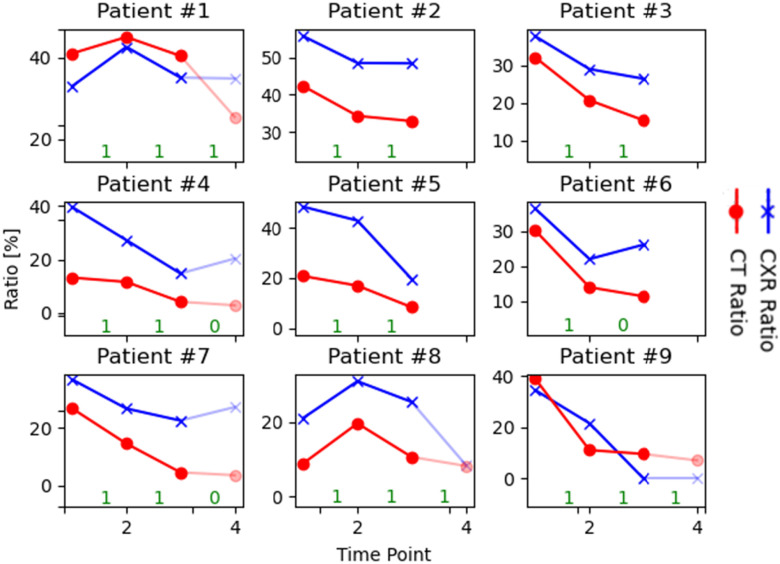
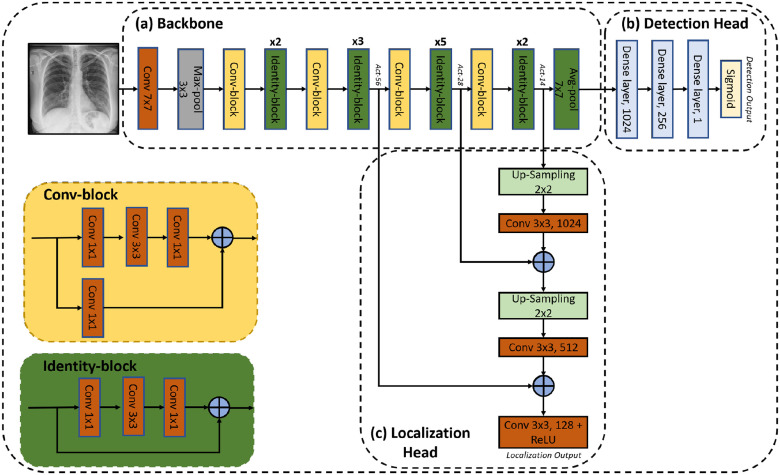
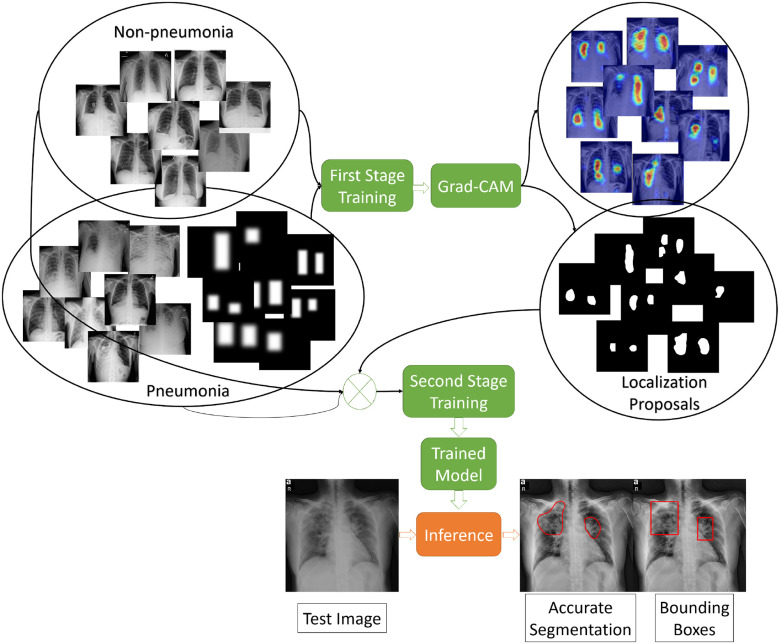
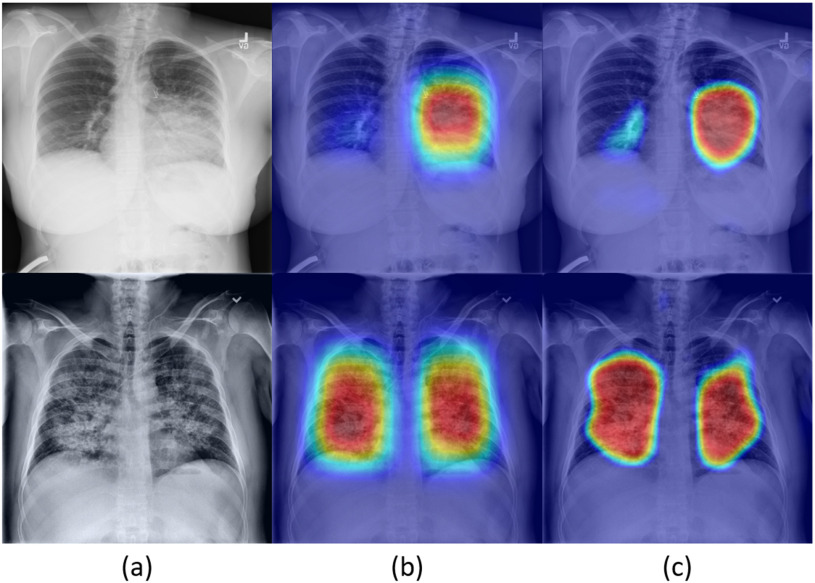
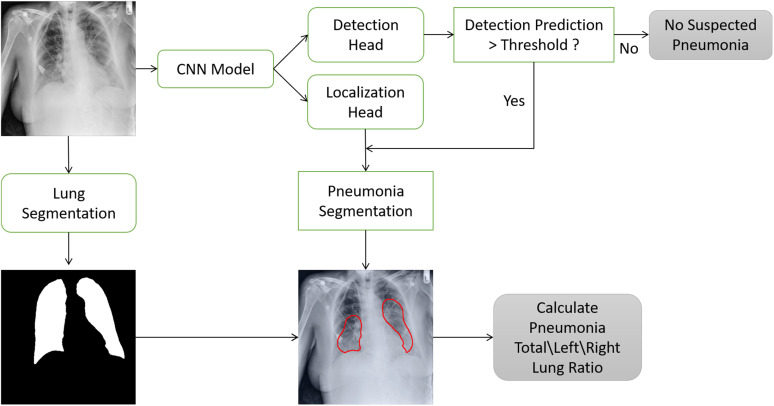
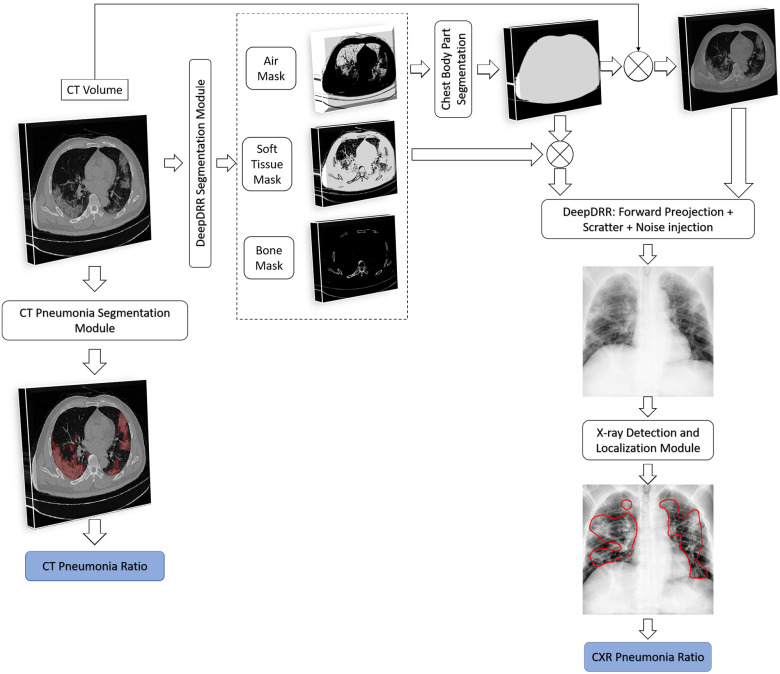
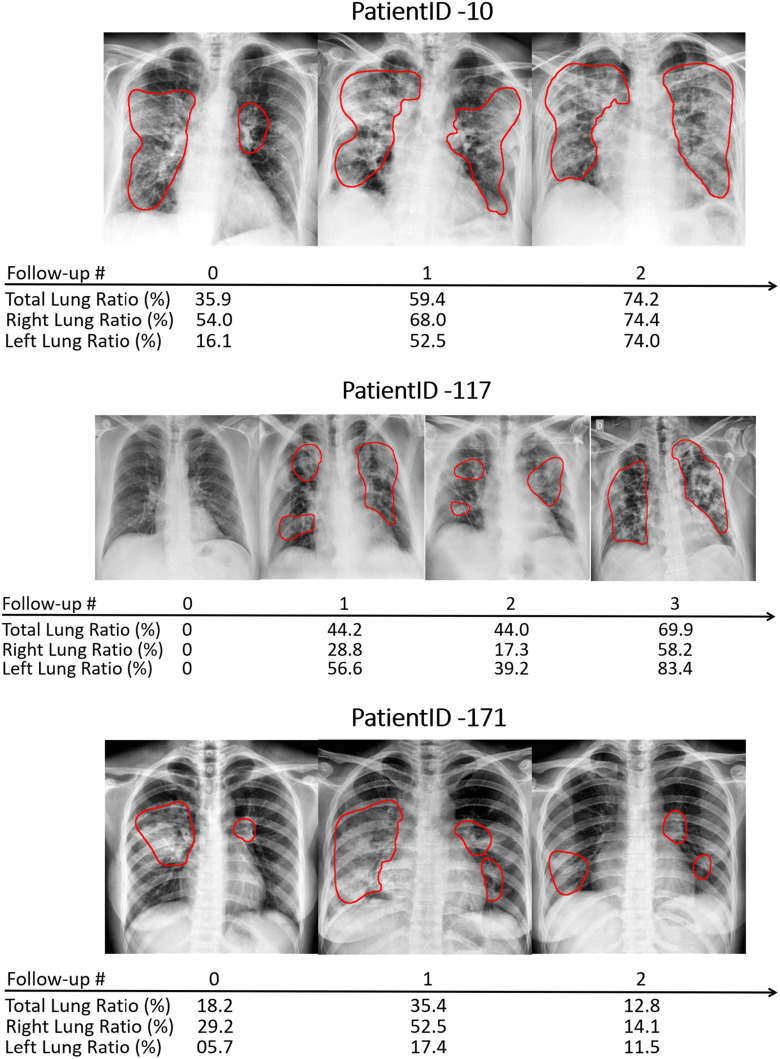
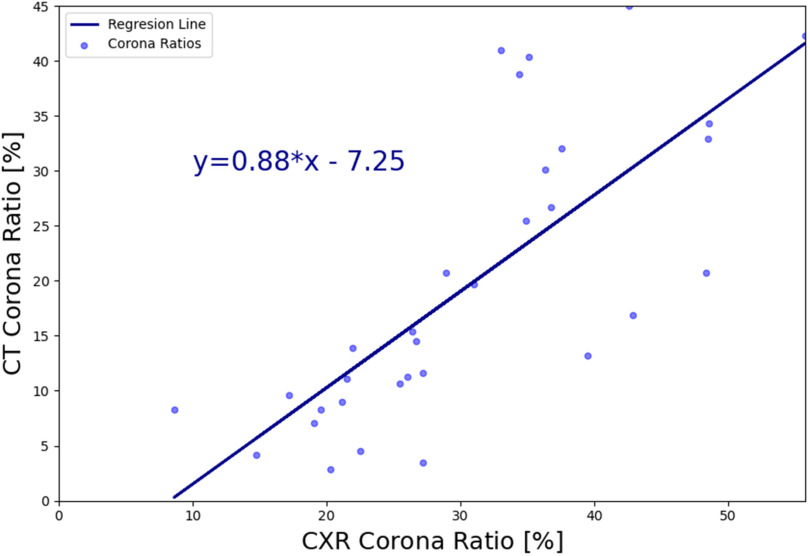
This work estimates the severity of pneumonia in COVID-19 patients and reports the findings of a longitudinal study of disease progression. It presents a deep learning model for simultaneous detection and localization of pneumonia in chest Xray (CXR) images, which is shown to generalize to COVID-19 pneumonia. The localization maps are utilized to calculate a "Pneumonia Ratio" which indicates disease severity. The assessment of disease severity serves to build a temporal disease extent profile for hospitalized patients. To validate the model's applicability to the patient monitoring task, we developed a validation strategy which involves a synthesis of Digital Reconstructed Radiographs (DRRs - synthetic Xray) from serial CT scans; we then compared the disease progression profiles that were generated from the DRRs to those that were generated from CT volumes.
这项工作评估了新冠肺炎患者肺炎的严重程度,并报告了一项关于疾病进展的纵向研究结果。它提出了一种深度学习模型,用于同时检测和定位胸部X光(CXR)图像中的肺炎,该模型已被证明可推广至新冠肺炎肺炎。利用定位图来计算“肺炎比率”,该比率可表明疾病的严重程度。疾病严重程度的评估有助于为住院患者建立疾病随时间变化的范围概况。为了验证该模型在患者监测任务中的适用性,我们制定了一种验证策略,该策略涉及从系列CT扫描中合成数字重建放射影像(DRRs——合成X光);然后,我们将从DRRs生成的疾病进展概况与从CT容积生成的疾病进展概况进行了比较。