Department of Electrical Engineering, Qatar University, Doha, 2713, Qatar.
Faculty of Robotics and Advanced Computing, Qatar Armed Forces Academic Bridge Program, Qatar Foundation, Doha, 24404, Qatar.
Comput Biol Med. 2021 May;132:104319. doi: 10.1016/j.compbiomed.2021.104319. Epub 2021 Mar 11.
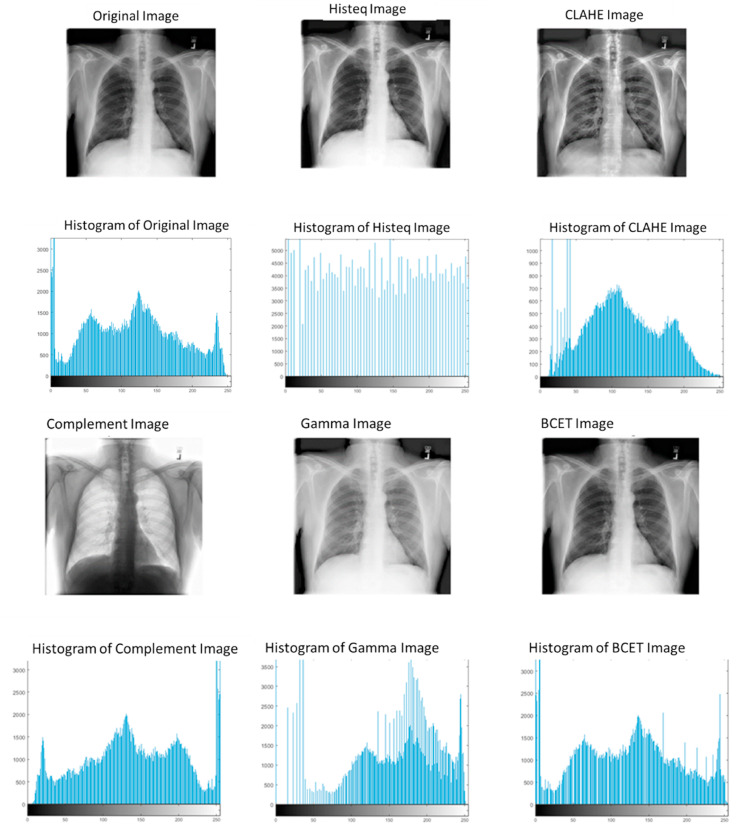
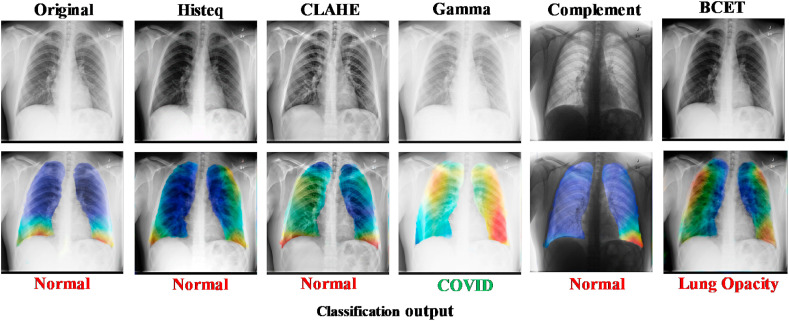
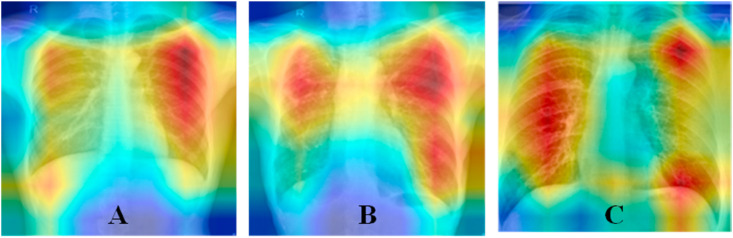
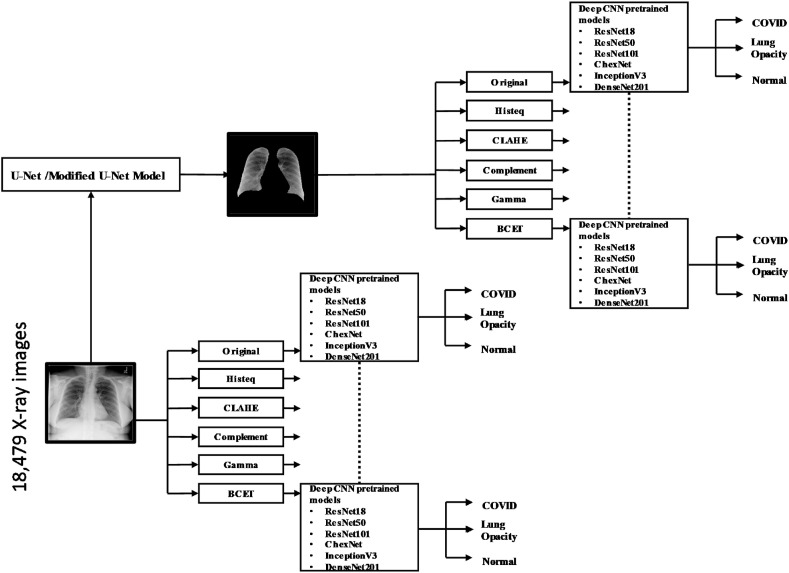
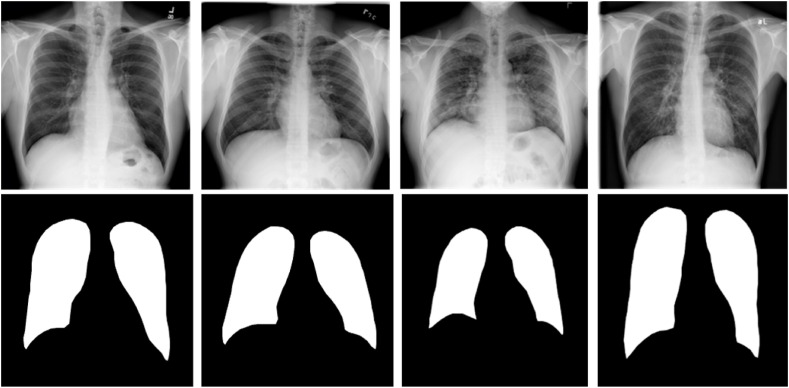
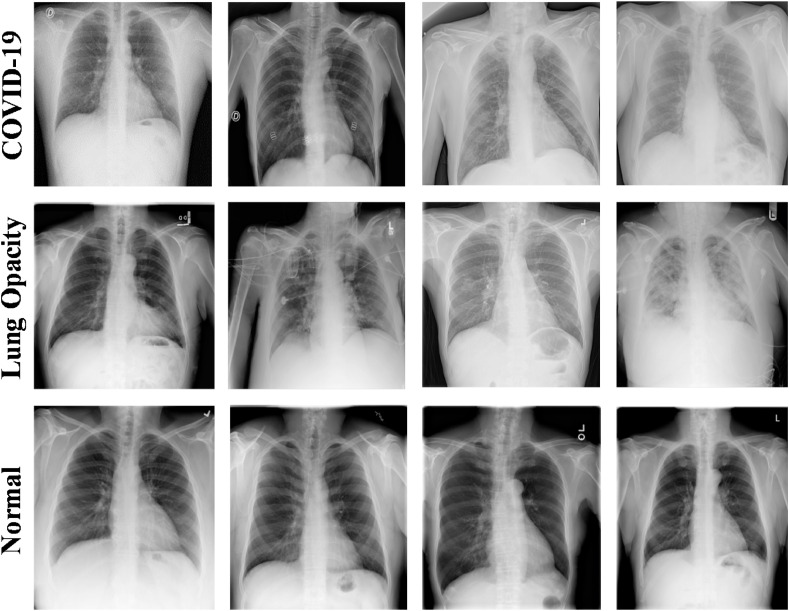
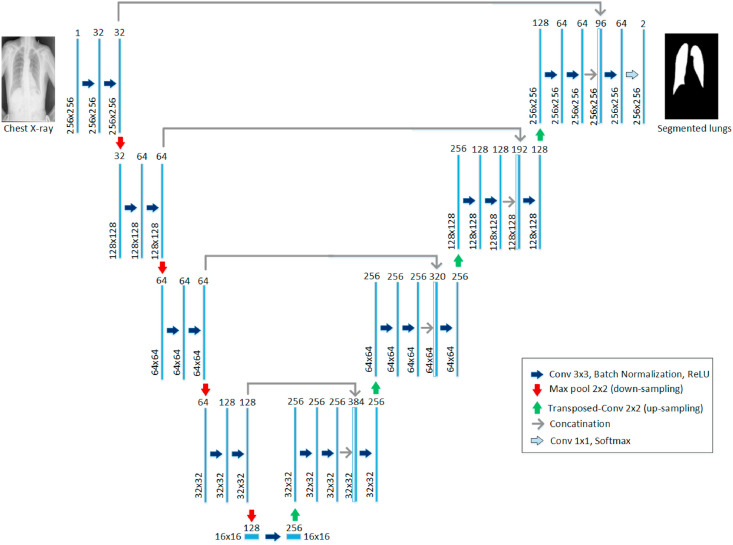
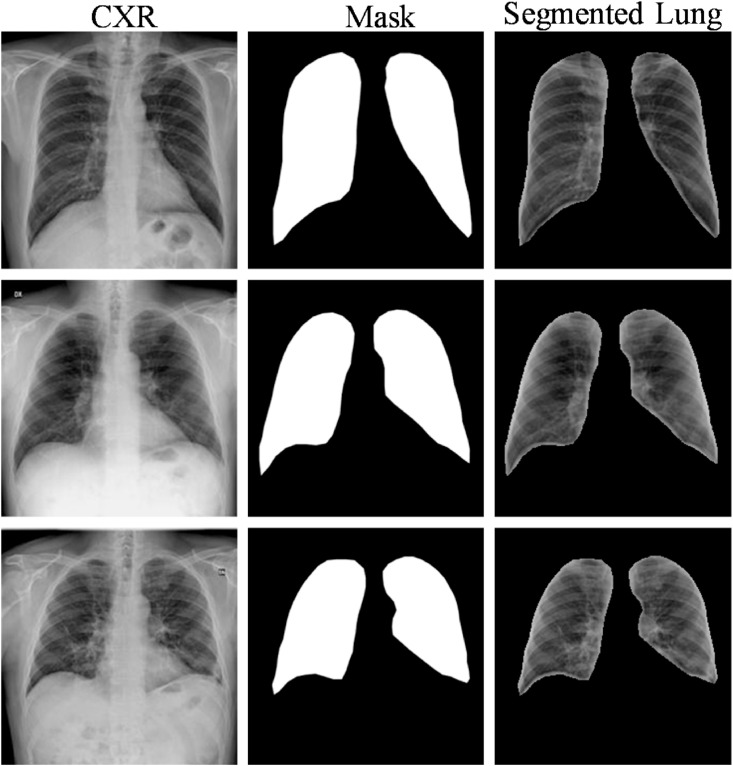
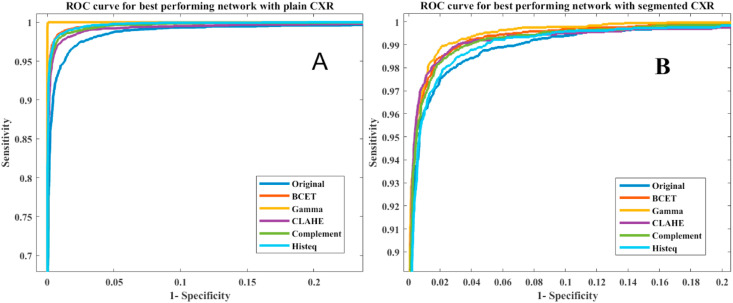
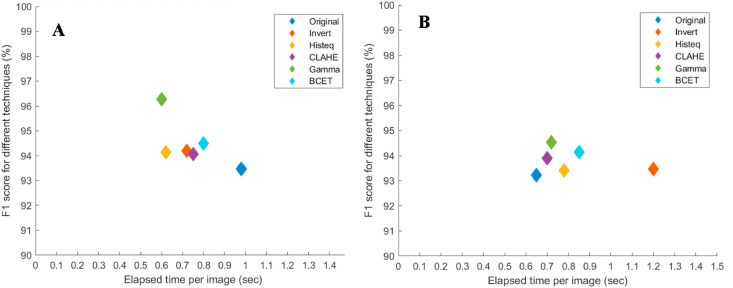
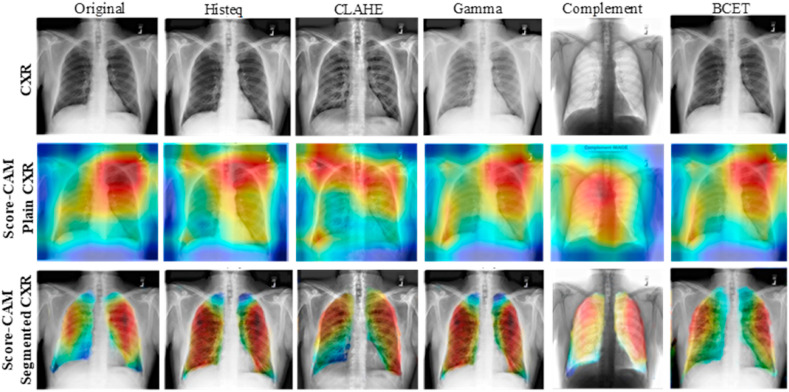
Computer-aided diagnosis for the reliable and fast detection of coronavirus disease (COVID-19) has become a necessity to prevent the spread of the virus during the pandemic to ease the burden on the healthcare system. Chest X-ray (CXR) imaging has several advantages over other imaging and detection techniques. Numerous works have been reported on COVID-19 detection from a smaller set of original X-ray images. However, the effect of image enhancement and lung segmentation of a large dataset in COVID-19 detection was not reported in the literature. We have compiled a large X-ray dataset (COVQU) consisting of 18,479 CXR images with 8851 normal, 6012 non-COVID lung infections, and 3616 COVID-19 CXR images and their corresponding ground truth lung masks. To the best of our knowledge, this is the largest public COVID positive database and the lung masks. Five different image enhancement techniques: histogram equalization (HE), contrast limited adaptive histogram equalization (CLAHE), image complement, gamma correction, and balance contrast enhancement technique (BCET) were used to investigate the effect of image enhancement techniques on COVID-19 detection. A novel U-Net model was proposed and compared with the standard U-Net model for lung segmentation. Six different pre-trained Convolutional Neural Networks (CNNs) (ResNet18, ResNet50, ResNet101, InceptionV3, DenseNet201, and ChexNet) and a shallow CNN model were investigated on the plain and segmented lung CXR images. The novel U-Net model showed an accuracy, Intersection over Union (IoU), and Dice coefficient of 98.63%, 94.3%, and 96.94%, respectively for lung segmentation. The gamma correction-based enhancement technique outperforms other techniques in detecting COVID-19 from the plain and the segmented lung CXR images. Classification performance from plain CXR images is slightly better than the segmented lung CXR images; however, the reliability of network performance is significantly improved for the segmented lung images, which was observed using the visualization technique. The accuracy, precision, sensitivity, F1-score, and specificity were 95.11%, 94.55%, 94.56%, 94.53%, and 95.59% respectively for the segmented lung images. The proposed approach with very reliable and comparable performance will boost the fast and robust COVID-19 detection using chest X-ray images.
计算机辅助诊断对于可靠和快速检测冠状病毒病(COVID-19)至关重要,可在大流行期间防止病毒传播,从而减轻医疗系统的负担。与其他成像和检测技术相比,胸部 X 射线(CXR)成像具有多种优势。已经有许多关于从较小的原始 X 射线图像集中检测 COVID-19 的工作。然而,在文献中并未报道在 COVID-19 检测中使用大量数据集进行图像增强和肺部分割的效果。我们已经编译了一个大型 X 射线数据集(COVQU),其中包含 18479 张 CXR 图像,其中 8851 张为正常,6012 张为非 COVID 肺部感染,3616 张为 COVID-19 CXR 图像及其相应的肺部蒙版。据我们所知,这是最大的公共 COVID 阳性数据库和肺部蒙版。我们使用了五种不同的图像增强技术:直方图均衡化(HE)、对比度限制自适应直方图均衡化(CLAHE)、图像补全、伽马校正和平衡对比度增强技术(BCET),以研究图像增强技术对 COVID-19 检测的影响。我们提出了一种新颖的 U-Net 模型,并将其与标准的 U-Net 模型进行了比较,用于肺部分割。我们研究了六种不同的预训练卷积神经网络(CNNs)(ResNet18、ResNet50、ResNet101、InceptionV3、DenseNet201 和 ChexNet)和一个浅层 CNN 模型在原始和分割的肺部 CXR 图像上的性能。新型 U-Net 模型的肺部分割准确性、交并比(IoU)和骰子系数分别为 98.63%、94.3%和 96.94%。基于伽马校正的增强技术在从原始和分割的肺部 CXR 图像中检测 COVID-19 方面优于其他技术。来自原始 CXR 图像的分类性能略优于分割的肺部 CXR 图像;然而,对于分割的肺部图像,网络性能的可靠性显著提高,这是通过可视化技术观察到的。对于分割的肺部图像,其准确性、精度、灵敏度、F1 分数和特异性分别为 95.11%、94.55%、94.56%、94.53%和 95.59%。我们提出的方法具有非常可靠和可比的性能,将促进使用胸部 X 射线图像进行快速和稳健的 COVID-19 检测。