Singh Pallavi, Bala Hillol, Dey Bidit Lal, Filieri Raffaele
Sheffield Hallam University, 7241, Stoddart Building, City Campus Howard Street, Sheffield S1 1WB, UK.
Operations and Decision Technologies (ODT) Department, Kelley School of Business, Indiana University, 1309 E Tenth Street, Bloomington, IN 47405, USA.
J Bus Res. 2022 Nov;151:269-286. doi: 10.1016/j.jbusres.2022.07.002. Epub 2022 Jul 11.
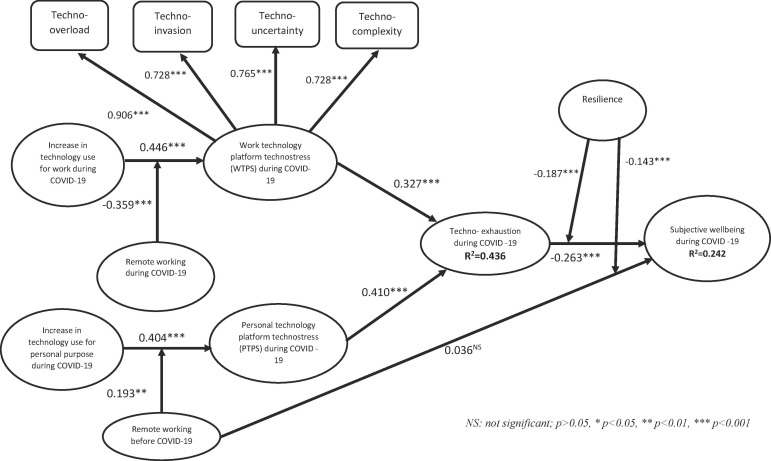
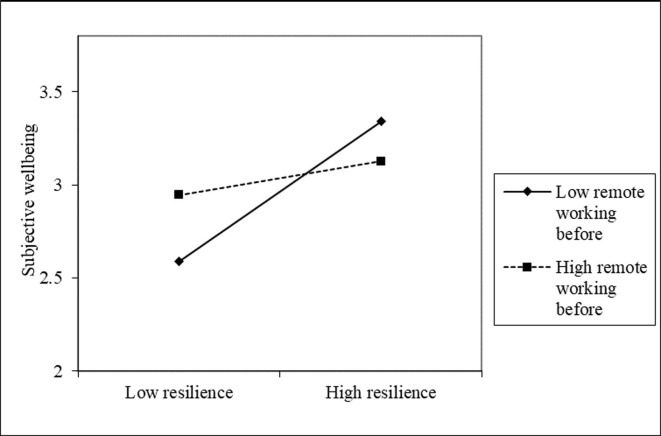
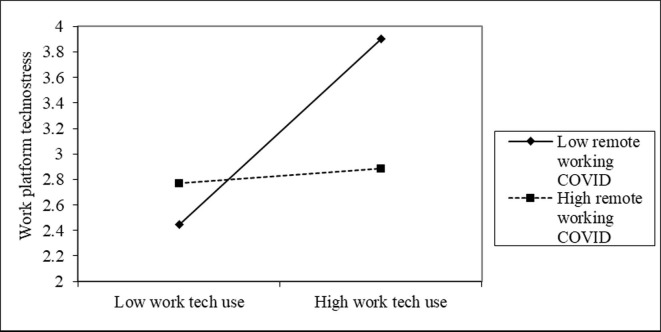
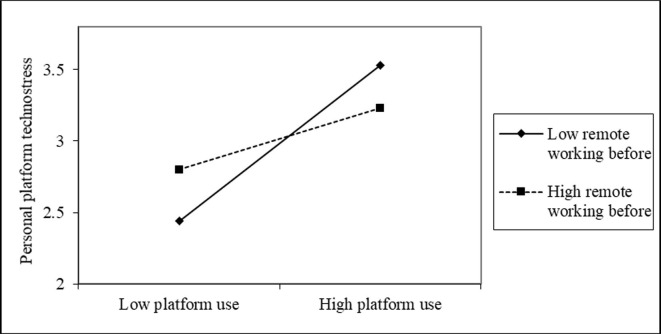
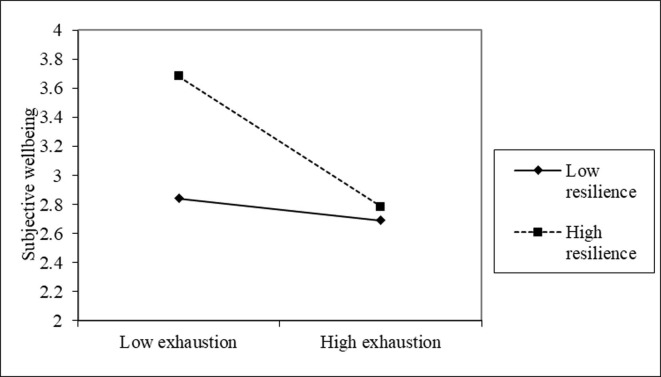
The COVID-19 pandemic forced most individuals to work from home. Simultaneously, there has been an uptake of digital platform use for personal purposes. The excessive use of technology for both work and personal activities may cause technostress. Despite the growing interest in technostress, there is a paucity of research on the effects of work and personal technology use in tandem, particularly during a crisis such as the COVID-19 pandemic. Using a sample of 306 employees, this paper addresses this research gap. The findings highlight how both work and personal digital platforms induce technostress during the enforced remote work period, which in turn increases psychological strains such as technology exhaustion and decreases subjective wellbeing. Study results also show that employees with previous remote working experience could better negotiate technostress, whereas those with high resilience experience decreased wellbeing in the presence of technostress-induced technology exhaustion in the enforced remote work context.
新冠疫情迫使大多数人居家办公。与此同时,个人使用数字平台的情况有所增加。在工作和个人活动中过度使用技术可能会导致技术压力。尽管人们对技术压力的兴趣与日俱增,但对于工作和个人技术同时使用的影响,尤其是在新冠疫情这样的危机期间,相关研究却很匮乏。本文以306名员工为样本,填补了这一研究空白。研究结果凸显了在强制远程工作期间,工作和个人数字平台如何引发技术压力,进而增加诸如技术疲劳等心理压力,并降低主观幸福感。研究结果还表明,有过远程工作经验的员工能够更好地应对技术压力,而在强制远程工作环境中,那些复原力强的员工在面临技术压力导致的技术疲劳时,幸福感会降低。