Zengin Gokhan, Mahomoodally Mohamad Fawzi, Sinan Kouadio Ibrahime, Ak Gunes, Etienne Ouattara Katinan, Sharmeen Jugreet B, Brunetti Luigi, Leone Sheila, Di Simone Simonetta Cristina, Recinella Lucia, Chiavaroli Annalisa, Menghini Luigi, Orlando Giustino, Jekő József, Cziáky Zoltán, Ferrante Claudio
Physiology and Biochemistry Research Laboratory, Department of Biology, Science Faculty, Selcuk University Campus, 42130 Konya, Turkey.
Department of Health Sciences, Faculty of Medicine and Health Sciences, University of Mauritius, Réduit 230, Mauritius.
Antioxidants (Basel). 2021 May 17;10(5):792. doi: 10.3390/antiox10050792.
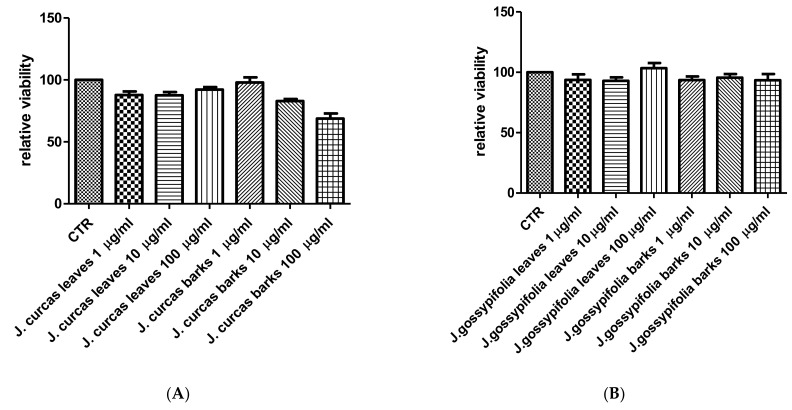
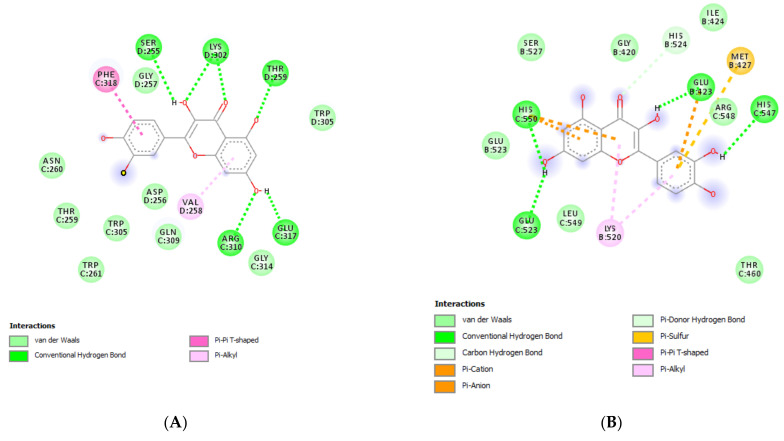
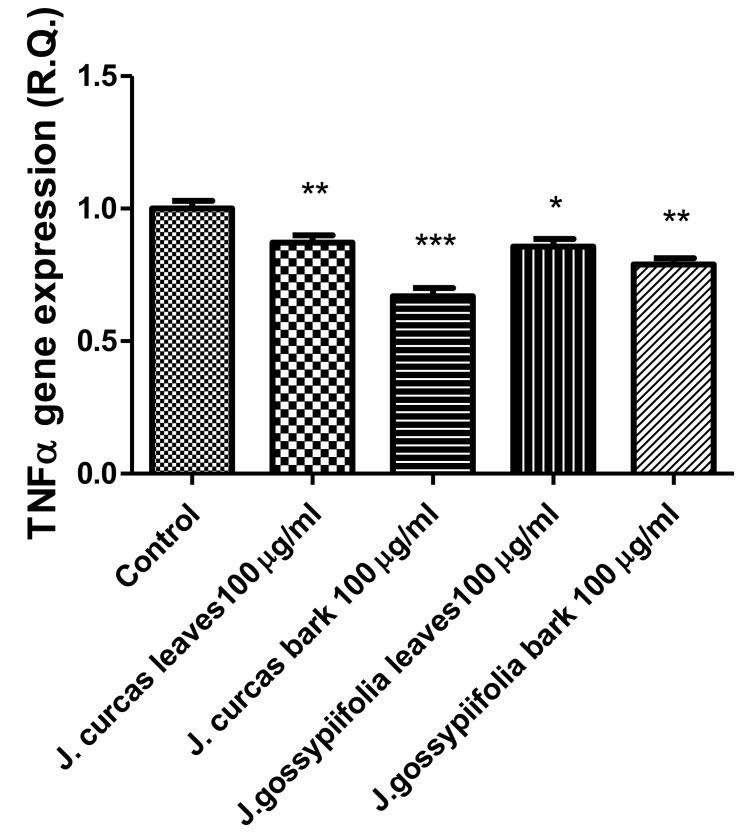
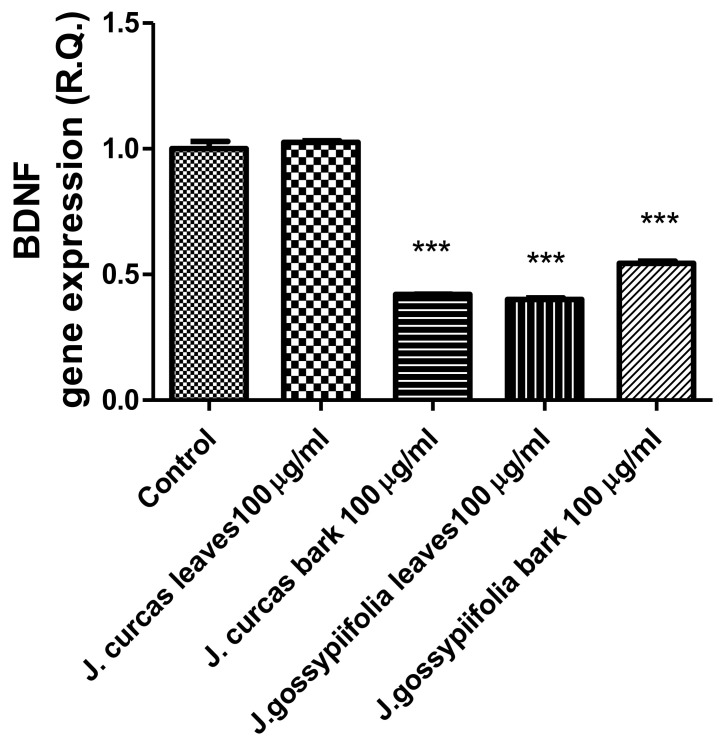
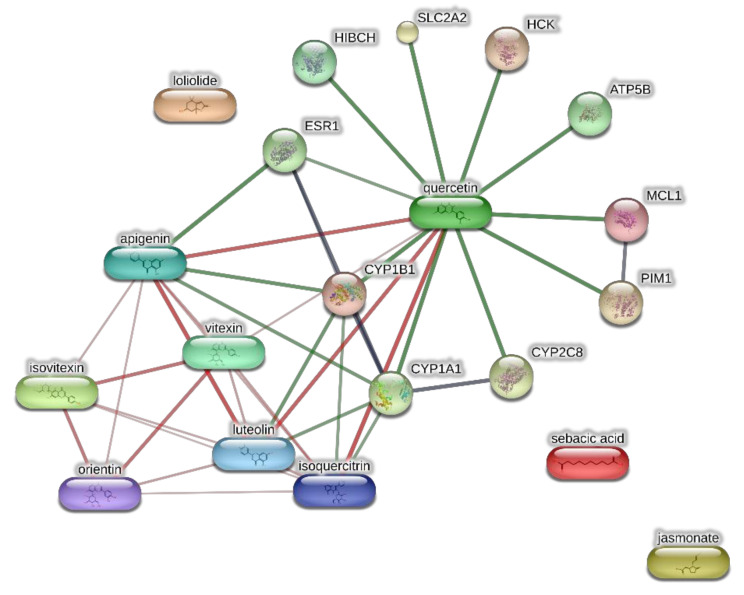
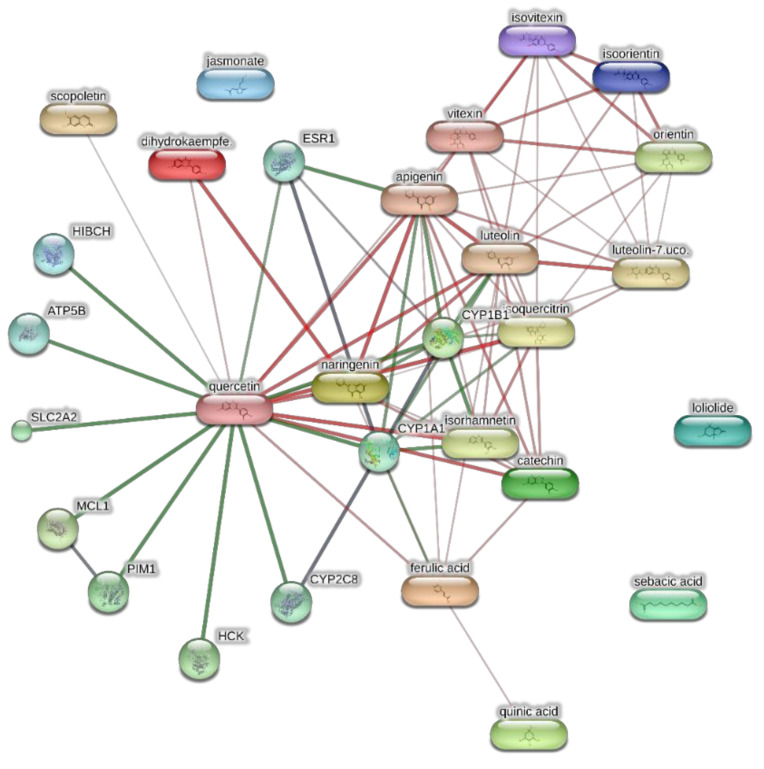
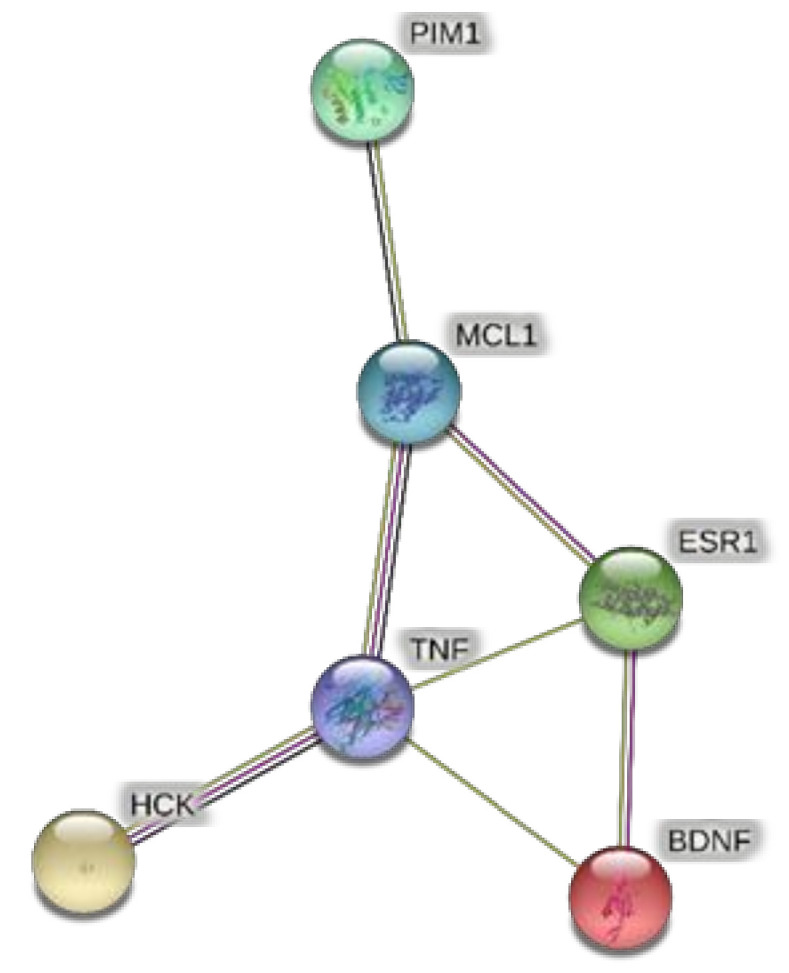
L. species, in particular, and , are well known medicinal plants used for treating various diseases. In the present study, leaf and stem bark extracts of and obtained by maceration or homogenizer assisted extraction, were investigated for their phytochemical contents and biological potential as antioxidants, enzyme inhibitors and neuromodulators. In this regard, the gene expression of tumor necrosis factor α (TNFα) and brain-derived neurotrophic factor (BDNF) was investigated in hypothalamic HypoE22 cells. Finally, a bioinformatics analysis was carried out with the aim to unravel the putative mechanisms consistent with both metabolomic fingerprints and pharmacological effects. The leaf extracts of showed higher total phenolic content (TPC) and total flavonoid content (TFC) than the stem bark extracts (range: 5.79-48.95 mg GAE/g and 1.64-13.99 mg RE/g, respectively), while possessed TPC and TFC in the range of 42.62-62.83 mg GAE/g and 6.97-17.63 mg RE/g, respectively. HPLC-MS/MS analysis revealed that the leaf extracts of both species obtained by homogenizer assisted extraction are richer in phytochemical compounds compared to the stem bark extracts obtained by the same extraction method. In vitro antioxidant potentials were also demonstrated in different assays (DPPH: 6.89-193.93 mg TE/g, ABTS: 20.20-255.39 mg TE/g, CUPRAC: 21.07-333.30 mg TE/g, FRAP: 14.02-168.93 mg TE/g, metal chelating activity: 3.21-17.51 mg EDTAE/g and phosphomolybdenum assay: 1.76-3.55 mmol TE/g). In particular, the leaf extract of and the stem bark extract of , both obtained by homogenizer assisted extraction, showed the most potent antioxidant capacity in terms of free radical scavenging and reducing activity, which could be related to their higher TPC and TFC. Furthermore, anti-neurodegenerative (acetylcholinesterase inhibition: 1.12-2.36 mg GALAE/g; butyrylcholinetserase inhibition: 0.50-3.68 mg GALAE/g), anti-hyperpigmentation (tyrosinase inhibition: 38.14-57.59 mg KAE/g) and antidiabetic (amylase inhibition: 0.28-0.62 mmol ACAE/g; glucosidase inhibition: 0.65-0.81 mmol ACAE/g) properties were displayed differentially by the different extracts. Additionally, the extracts were effective in reducing the gene expression of both TNFα and BDNF, which could be partially mediated by phenolic compounds such as naringenin, apigenin and quercetin. Indeed, the scientific data obtained from the present study complement the several other reports highlighting the pharmacological potentials of these two species, thus supporting their uses as therapeutically active plants.
特别是L. species以及 和 ,都是用于治疗各种疾病的著名药用植物。在本研究中,通过浸渍法或均质器辅助提取法获得的 和 的叶和茎皮提取物,对其植物化学成分以及作为抗氧化剂、酶抑制剂和神经调节剂的生物活性进行了研究。在这方面,研究了下丘脑HypoE22细胞中肿瘤坏死因子α(TNFα)和脑源性神经营养因子(BDNF)的基因表达。最后,进行了生物信息学分析,旨在揭示与代谢组学指纹图谱和药理作用一致的推定机制。 的叶提取物显示出比茎皮提取物更高的总酚含量(TPC)和总黄酮含量(TFC)(范围分别为:5.79 - 48.95 mg GAE/g和1.64 - 13.99 mg RE/g),而 的TPC和TFC范围分别为42.62 - 62.83 mg GAE/g和6.97 - 17.63 mg RE/g。HPLC - MS/MS分析表明,与通过相同提取方法获得的茎皮提取物相比,通过均质器辅助提取获得的这两个物种的叶提取物富含更多的植物化学化合物。在不同的测定中也证明了体外抗氧化潜力(DPPH:6.89 - 193.93 mg TE/g;ABTS:20.20 - 255.39 mg TE/g;CUPRAC:21.07 - 333.30 mg TE/g;FRAP:14.02 - 168.93 mg TE/g;金属螯合活性:3.21 - 17.51 mg EDTAE/g;磷钼酸测定:1.76 - 3.55 mmol TE/g)。特别是,通过均质器辅助提取获得的 的叶提取物和 的茎皮提取物,在自由基清除和还原活性方面显示出最有效的抗氧化能力,这可能与其较高的TPC和TFC有关。此外,不同提取物还分别表现出抗神经退行性(乙酰胆碱酯酶抑制:1.12 - 2.36 mg GALAE/g;丁酰胆碱酯酶抑制:0.50 - 3.68 mg GALAE/g)、抗色素沉着过度(酪氨酸酶抑制:38.14 - 57.59 mg KAE/g)和抗糖尿病(淀粉酶抑制:0.28 - 0.62 mmol ACAE/g;葡萄糖苷酶抑制:0.65 - 0.81 mmol ACAE/g)特性。此外,这些提取物在降低TNFα和BDNF的基因表达方面是有效的,这可能部分由柚皮苷、芹菜素和槲皮素等酚类化合物介导。事实上,从本研究中获得的科学数据补充了其他几份突出这两个物种药理潜力的报告,从而支持它们作为具有治疗活性的植物的用途。